
Hair removal
Laser hair removal at CoLaz clinics
Laser hair removal at CoLaz uses FDA-approved medical-grade systems, GentleMAX Pro, Alexandrite and Nd:YAG, delivered by Level 4 certified practitioners.
Good for
Who books Laser Hair Removal
- Smooth, hair-free underarms without daily shaving
- Long-term reduction on legs, bikini line and Brazilian areas
- Coarse facial hair on the upper lip, chin and jawline
- Men looking for beard shaping, back, chest, shoulders or stomach
- PCOS-related facial and body hair that returns quickly between waxes
- Darker and Asian skin tones, treated safely with the Nd:YAG laser
What to expect
From your first consultation onwards
- 01
Free consultation and patch test forty-eight hours before your first session, reviewing skin and hair history and any medications
- 02
Plan and pricing confirmed in writing before you book any treatment sessions
- 03
Pre-treatment: shave the area twelve to twenty-four hours before, with no deodorant, perfume or self-tan on the day
- 04
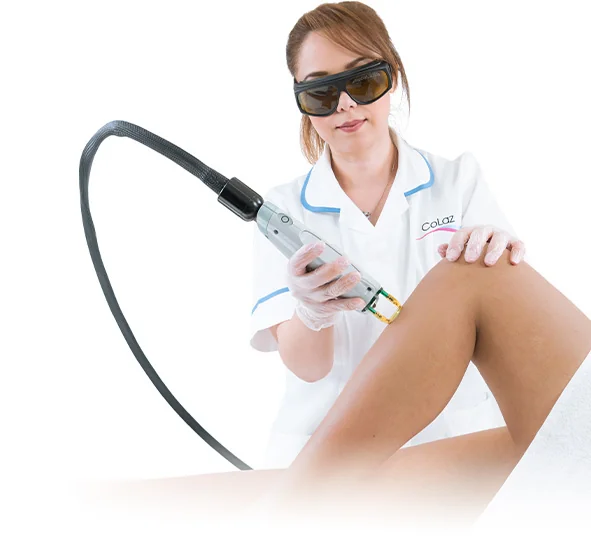
In-session treatment with protective eyewear, contact cooling and a handpiece that passes over the area in short overlapping pulses
- 05
Sessions spaced four to six weeks apart, typically over a course of six to eight, matched to the area and your hair cycle
- 06
Maintenance: occasional top-up sessions once or twice a year for hormonal areas such as the face
Laser hair removal is the treatment CoLaz is best known for, delivered across our seven UK clinics by practitioners who all hold a Level 4 certificate in laser and IPL hair removal. The promise is simple: medical-grade lasers, qualified clinicians, an honest course plan, and pricing agreed in writing before you book a single session.
Why CoLaz for laser hair removal
Three things make the difference. The laser systems. The people running them. And the way the course is planned around you, not around a fixed package we want to sell.
Our lasers are FDA-approved, medical-grade systems, GentleMAX Pro, Alexandrite and Nd:YAG, with built-in contact cooling. The Alexandrite suits lighter skin tones, the Nd:YAG safely treats darker and Asian skin. Every practitioner in the CoLaz network holds a Level 4 certificate in laser and IPL hair removal, the qualification that lets us treat all suitable skin and hair types safely.
Female laser technicians are available for intimate areas at every clinic. Every new patient gets a free consultation and a patch test forty-eight hours before the first session. If you only need three sessions, we say so.
What the treatment involves
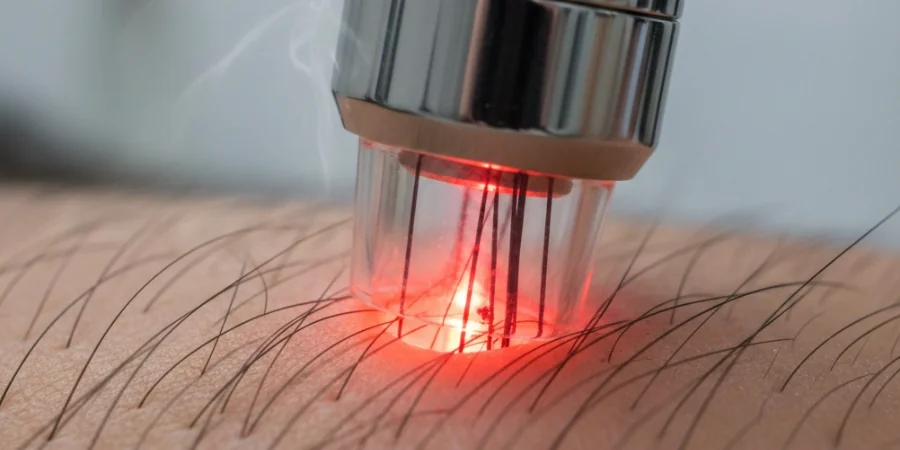
Laser hair removal uses selective photothermolysis. The laser sends a wavelength of light that is absorbed by the melanin in the hair shaft, converts to heat at the follicle, and disables the root without harming the surrounding skin.
Each session begins with protective eyewear for you and the clinician. The treatment area should be shaved twelve to twenty-four hours beforehand, with no deodorant, perfume or self-tan on the day. The laser handpiece passes over the area in short, overlapping pulses, and the contact head cools the skin before, during and after each pulse so the surface stays comfortable.
Treatment times vary by area. Underarms take about fifteen minutes, upper lip about ten, a full leg around forty-five. There is no recovery period and no need to take time off. Mild redness or swelling, similar to a light sunburn, is possible after the session and usually settles within a few hours, though it can occasionally last up to three days on more sensitive areas.

After your treatment
The first twenty-four to forty-eight hours matter most. Iced water applied in the first few hours helps if the area feels warm. Avoid hot baths, saunas, steam rooms and intense workouts for a day. If you have had your underarms treated, skip deodorant for twenty-four to forty-eight hours.
Through the course, stay out of direct sun and away from sunbeds. Apply SPF 30 or higher daily on treated areas, even when the weather is overcast. Between sessions you can shave normally, but do not wax, pluck, thread or use depilatory cream, those remove the hair root the laser needs to target.
Shedding starts one to three weeks after each session and runs over seven to ten days. Around day ten a gentle shave helps move the shedding hairs out. New growth may look patchy as the successfully treated follicles are disabled, that is the result you wanted.
Laser hair removal prices by area
Every area is priced individually. The figures below are the lowest single-session price for each area, so you can see where your treatment starts. Courses of three, six or ten sessions are discounted, and your full plan is confirmed in writing at your free consultation after a patch test. Prices are single-session starting prices and may vary slightly by clinic.
Face and neck
| Area | From (single session) |
|---|---|
| Nose, ears or between brows | £24 |
| Upper lip | £30 |
| Chin | £30 |
| Jawline, sideburns or forehead | £40 |
| Half neck | £45 |
| Full neck | £50 |
| Full face | £80 |
Body
| Area | From (single session) |
|---|---|
| Underarms | £24 |
| Hands and fingers | £24 |
| Lower arms | £66 |
| Full arms | £99 |
| Chest | £99 |
| Stomach | £99 |
| Lower or upper back | £99 |
| Full back | £150 |
| Buttocks | £58 |
| Lower legs | £99 |
| Full legs | £150 |
Bikini
| Area | From (single session) |
|---|---|
| Bikini line (sides only) | £40 |
| Brazilian | £60 |
| Hollywood | £65 |
Men and full body
| Area | From (single session) |
|---|---|
| Beard area | £66 |
| Full scalp | £99 |
| Full body | £225 |
| Full body with face | £250 |
Often paired with
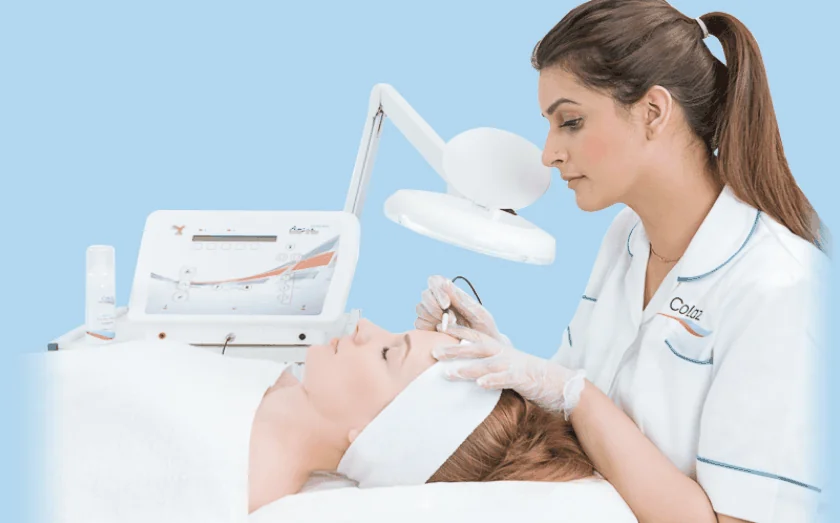
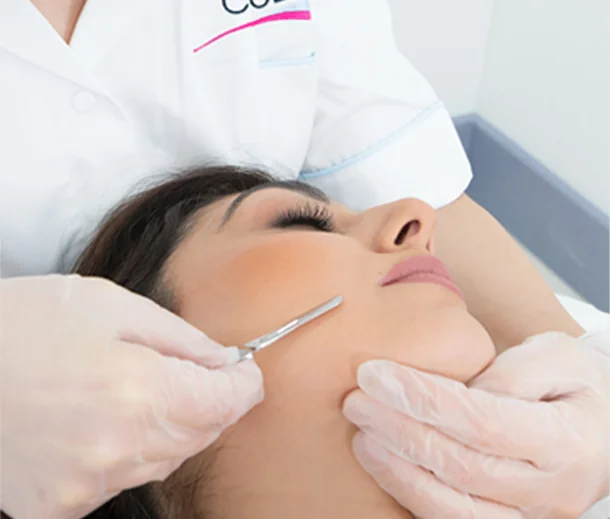
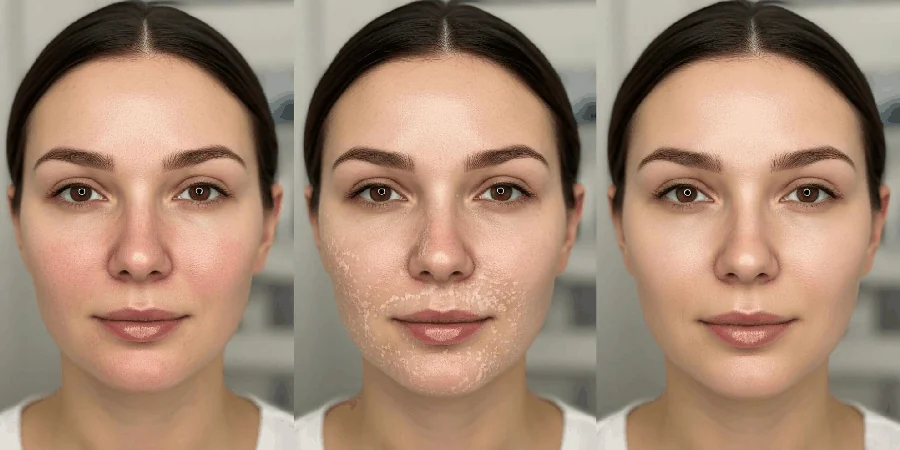
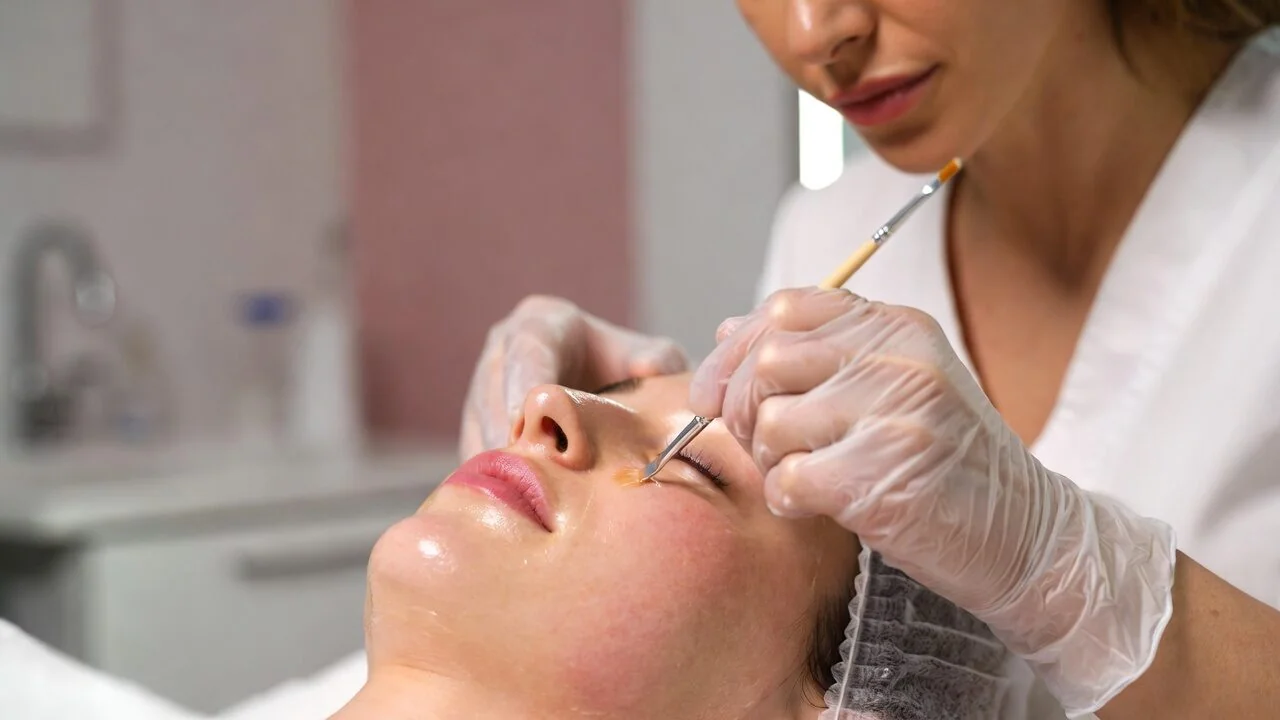
Patients booking laser hair removal often consider electrolysis hair removal for the very fine, light or grey hairs that laser cannot target, dermaplaning as a brightening exfoliation between sessions, and chemical peels for patients also concerned with tone and texture on the same area.
Common questions
What patients ask first
Something else? Message your nearest clinic and a clinician will answer.
Does laser hair removal remove hair permanently?
Laser hair removal is designed to deliver long-term hair reduction rather than absolute permanent removal. Most patients enjoy smoother skin and significantly less regrowth after a full course, but some finer or lighter hairs may return over time, especially on hormonal areas like the face. Maintenance sessions once or twice a year are usually enough to keep the results, and we recommend these at your consultation rather than selling them up front.
How many laser hair removal sessions will I need?
Six to eight sessions is the typical course for visible, lasting reduction on most areas. Coarser hair, hormone-driven growth such as PCOS, or larger areas like the back and chest may need eight or more sessions to reach the same result. Sessions are spaced four to six weeks apart so each treatment catches a new wave of follicles in their active growth phase. Your clinician confirms the course at your consultation, after the patch test.
Will laser hair removal work on my skin tone?
Our laser systems are calibrated for the full range of skin tones. For lighter skin we use the Alexandrite laser, and for darker and Asian skin tones we use the Nd:YAG laser, which uses a longer wavelength that can distinguish hair pigment from skin pigment safely. The laser only works on darker hair, however; blonde, red, grey or white hairs do not contain enough melanin for the light to target. Suitability is confirmed in person with a patch test forty-eight hours before your first session.
Do I need to shave before a laser hair removal session?
Shaving twelve to twenty-four hours before your session is essential. Shaving removes the hair above the skin so it cannot burn during the pulse, while leaving the root under the skin intact for the laser to target. Do not use hair removal cream, wax, tweezers or threading, those remove the root the laser needs. If you arrive unshaven the clinician may need to shave the area for you or, on larger areas, reschedule the appointment to keep the session safe and effective.
Can I tan between laser hair removal sessions?
Avoid tanning during your course, whether from the sun, sunbeds or self-tanners. A fresh tan increases the risk of burns, hyperpigmentation and irritation because the skin has more melanin for the laser to react to. If you know you will be in the sun, use SPF 30 or higher daily and cover the treated areas. We recommend waiting at least two weeks after any tanning before your next laser session, and we will reschedule rather than treat tanned skin.
How much does laser hair removal cost at CoLaz?
Single-session pricing starts from £24 for the smallest areas such as the nose, ears or underarms, and £30 for the upper lip. Larger areas are priced individually (see the price-by-area list below), and course pricing for three, six or ten sessions is discussed at your free consultation with a discount applied to longer courses. We confirm every price in writing before you book a single session, with no upsells at the till and no hidden charges. The single source of truth for any price we quote is the agreed plan from your consultation.
Does laser hair removal hurt?
Most people describe laser hair removal as a quick warm snap against the skin, often compared to a light flick of an elastic band, rather than pain. Our systems use a cooling mechanism that protects and soothes the surface as each pulse is delivered, which keeps the treatment comfortable even on sensitive areas. Smaller, bonier areas such as the upper lip or bikini line can feel a little sharper than larger areas like the legs. The sensation eases as the hair thins over your course, and the therapist adjusts the settings to what your skin comfortably tolerates.
Is laser hair removal safe?
Yes, when it is carried out by a trained professional on suitable equipment, laser hair removal is a well-established and safe treatment. At CoLaz every course begins with a consultation and a patch test to confirm the right settings for your skin tone and hair type. Temporary redness or mild warmth around the follicles for a few hours afterwards is normal. We review your medical history, medications and any recent sun exposure first, because these can affect suitability, and we tailor the settings to keep the treatment both safe and effective.
Can I have laser hair removal on my face?
Yes, the face is one of the most popular areas, including the upper lip, chin, jawline and sides of the face. The settings are adjusted for the thinner, more sensitive facial skin, and we avoid the immediate eye area for safety. Facial hair is often hormonal, so it can need a few extra sessions and occasional maintenance compared with body areas. As with any area, laser targets the pigment in the hair, so it works best on hair that is darker than the surrounding skin. We confirm suitability at your free consultation.
What is the difference between laser hair removal and IPL?
Both use light to reduce hair, but laser uses a single focused wavelength while IPL uses a broader spread of light. The focused beam of laser is generally more precise and more effective across a wider range of skin tones, which is why clinics use medical-grade laser for hair removal. IPL devices, including home gadgets, are usually less powerful and better suited to lighter skin with dark hair. At CoLaz we use professional laser systems and confirm the right approach for your skin and hair at consultation.
Where to book
Available at all seven UK clinics
-
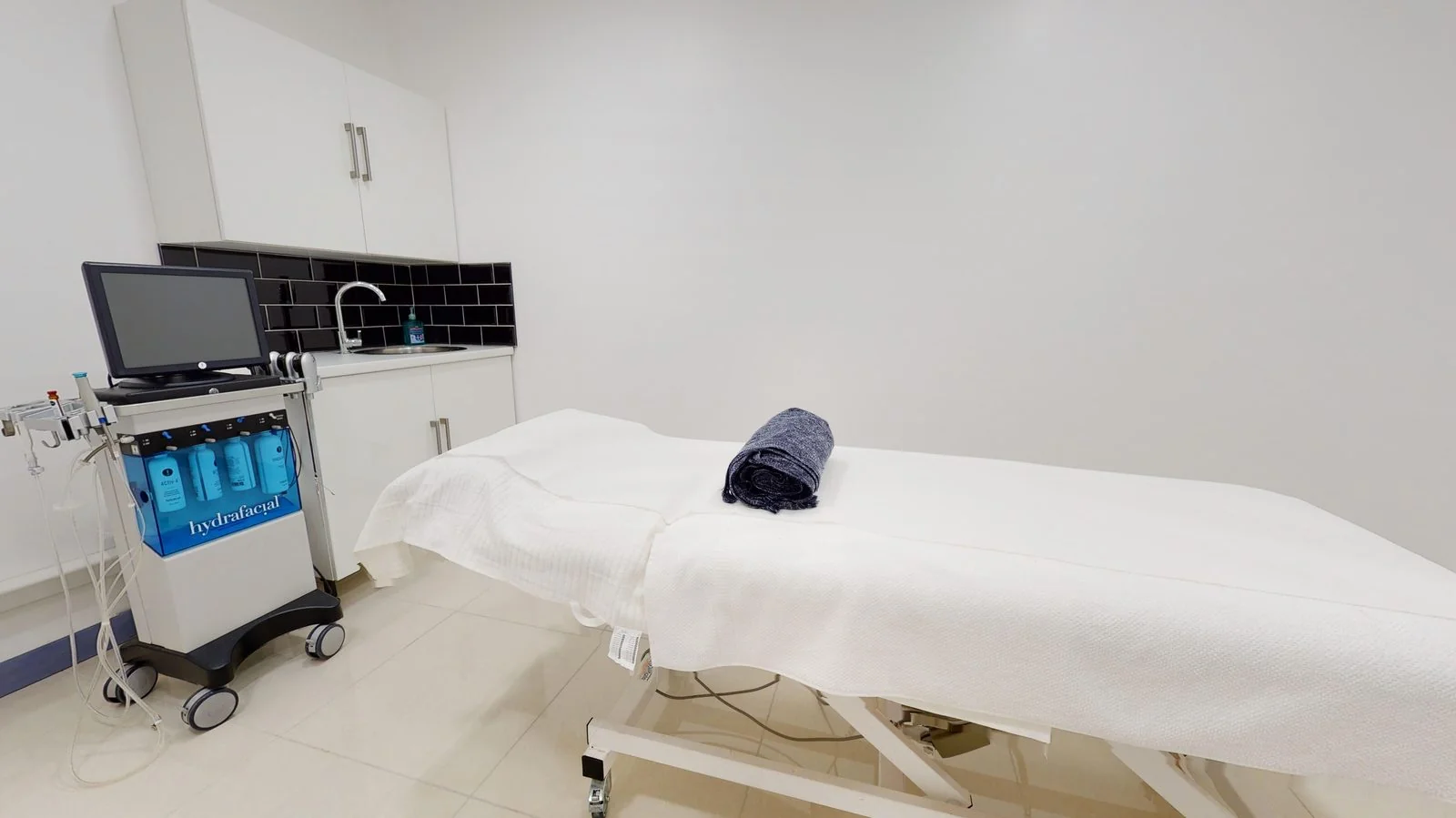 CoLaz Derby 21-23 Pear Tree Road, Derby DE23 6PZ Laser Hair Removal in this clinic (Laser Hair Removal in Derby)
 -
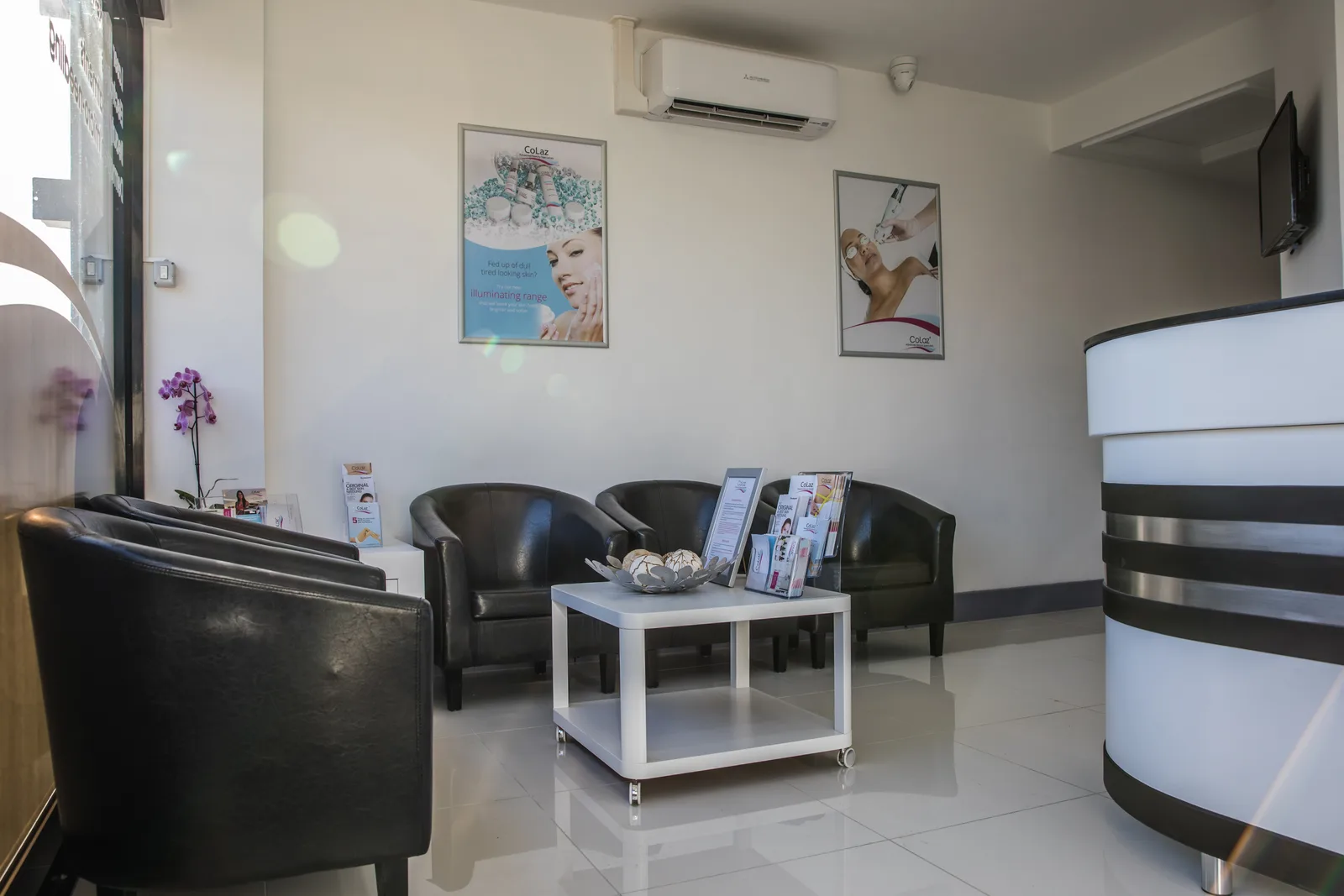 CoLaz Wembley 17 Wembley Hill Road, Wembley HA9 8AF Laser Hair Removal in this clinic (Laser Hair Removal in Wembley)
 -
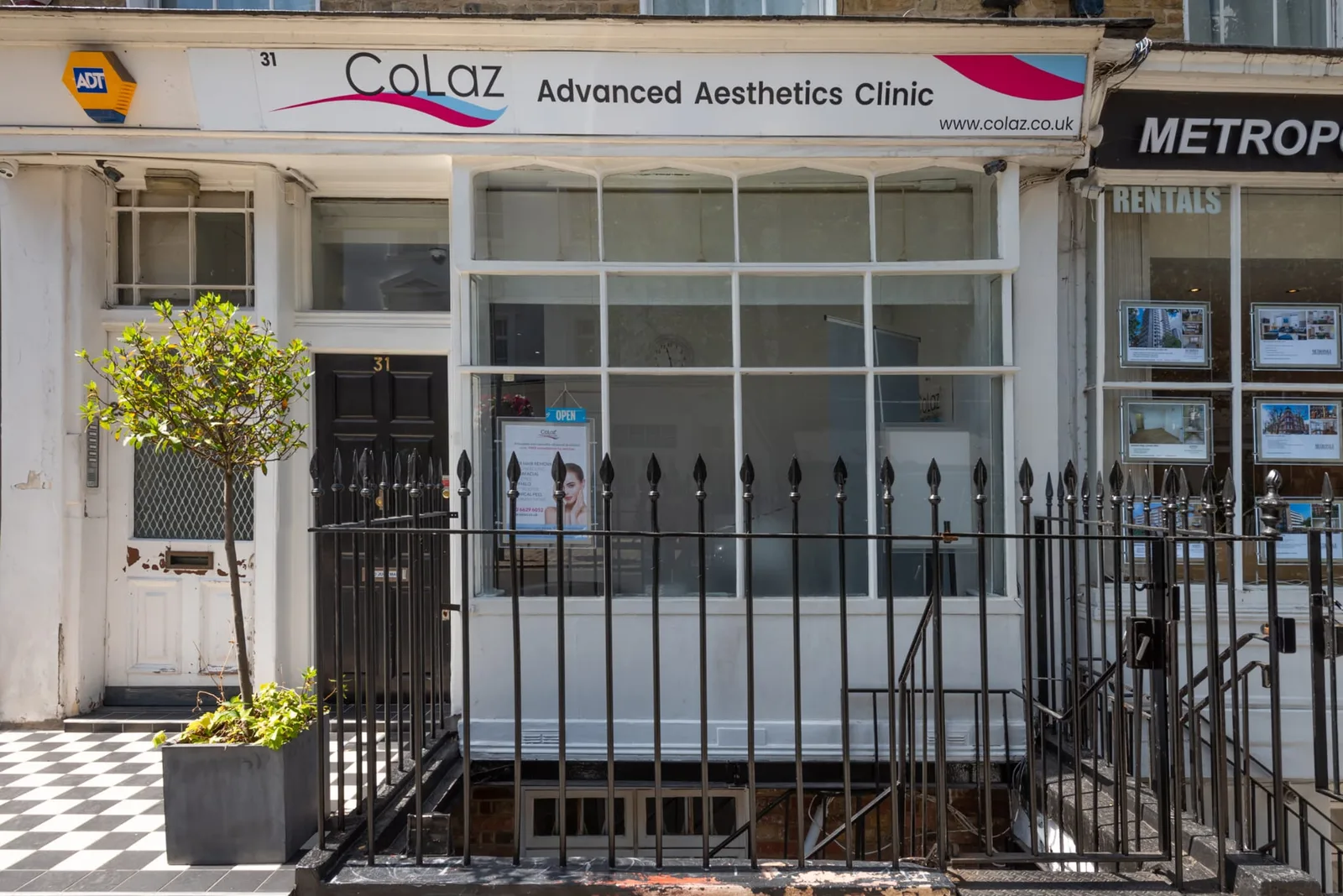 CoLaz London Paddington 31 Southwick Street, London W2 1JQ Laser Hair Removal in this clinic (Laser Hair Removal in Paddington)
 -
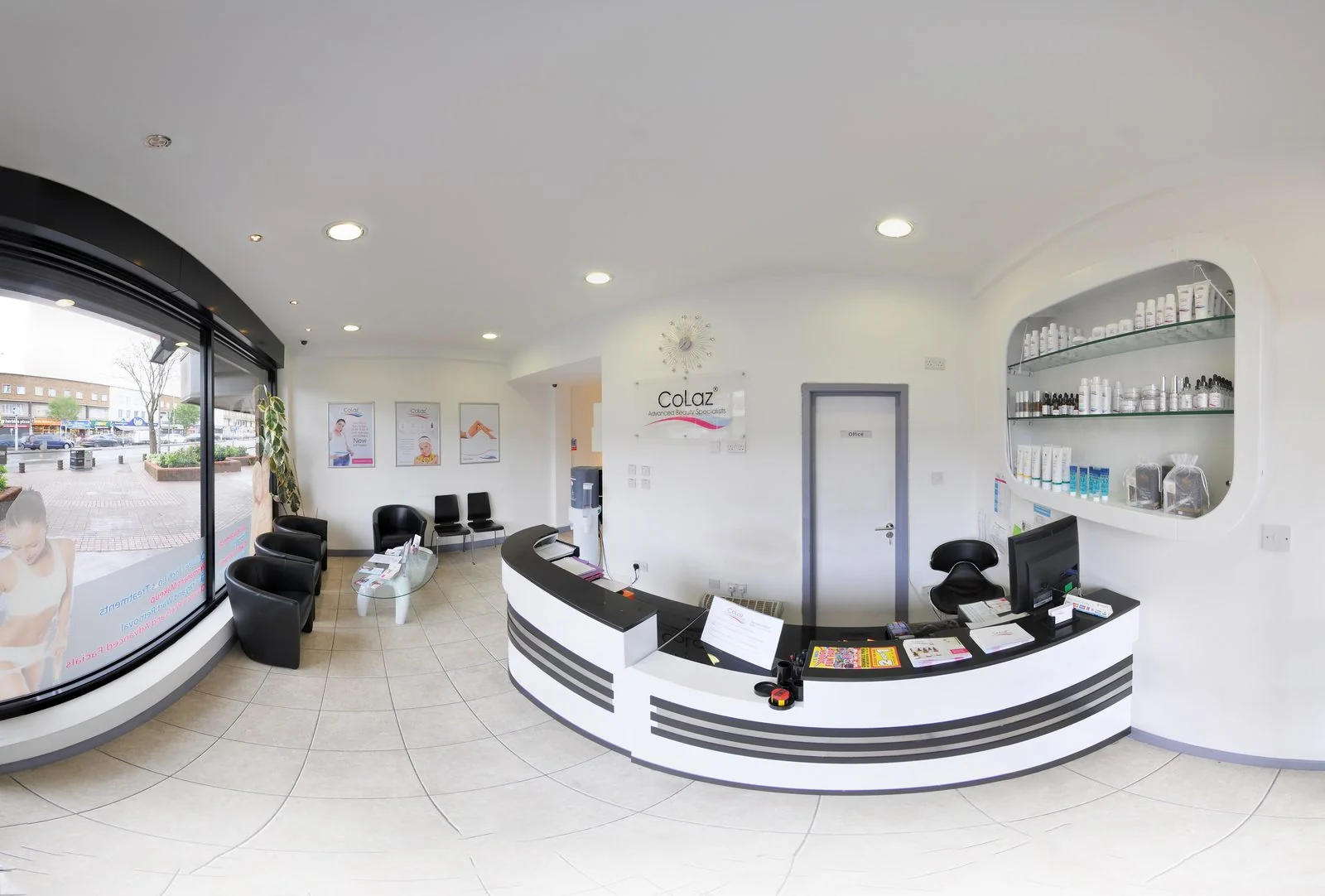 CoLaz Slough 183 Farnham Road, Slough SL1 4XP Laser Hair Removal in this clinic (Laser Hair Removal in Slough)
 -
 CoLaz Reading 292 Oxford Road, Reading RG30 1AD Laser Hair Removal in this clinic (Laser Hair Removal in Reading)
 -
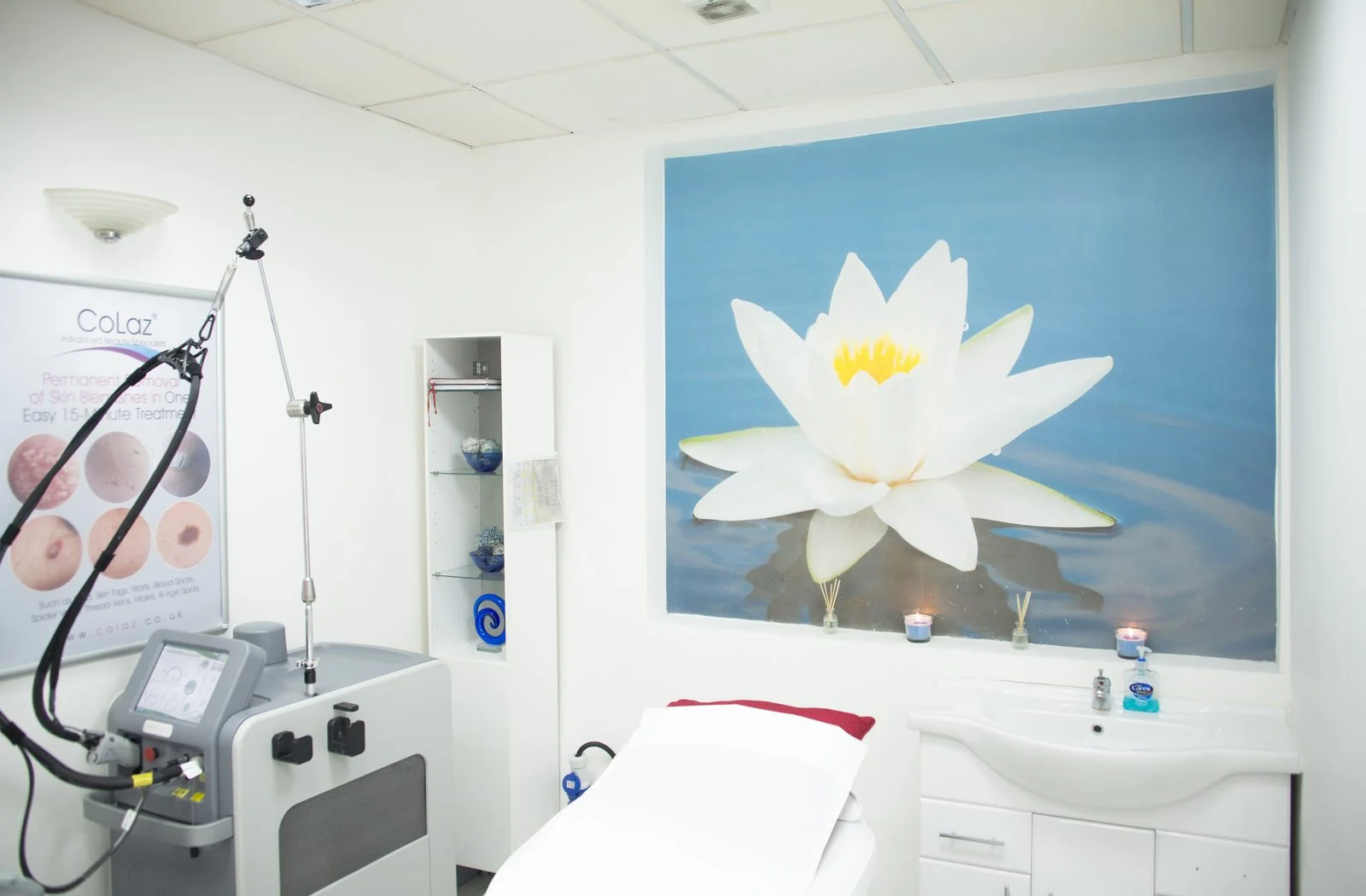 CoLaz Southall 247 The Broadway, Southall UB1 1NF Laser Hair Removal in this clinic (Laser Hair Removal in Southall)
 -
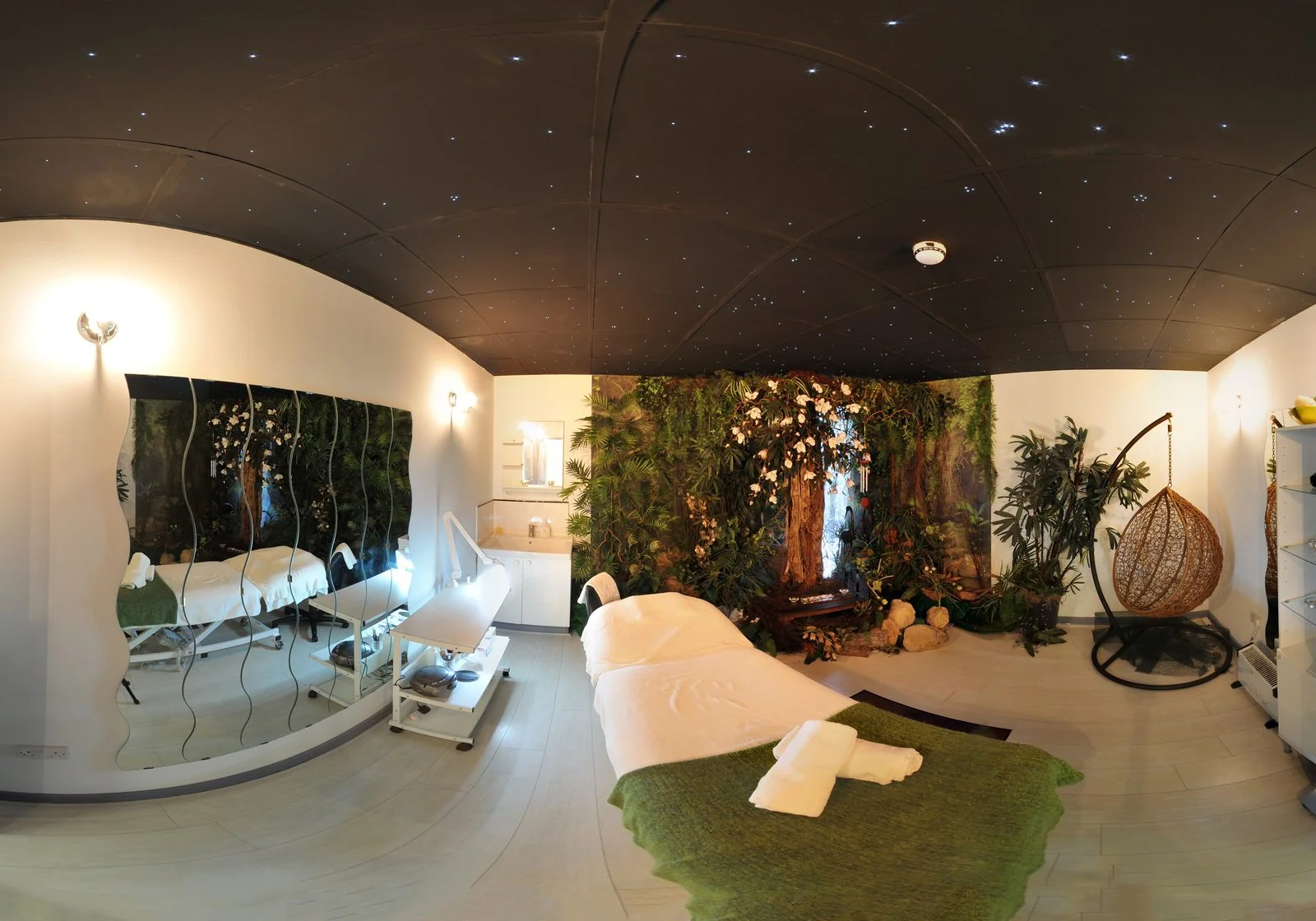 CoLaz Hounslow 435-437 Great West Road, Hounslow TW5 0BY Laser Hair Removal in this clinic (Laser Hair Removal in Hounslow)
Often considered alongside
Related treatments
From the CoLaz blog
Related reading
- 8 min read How to tell a qualified aesthetic clinician from a great one Read the article
- 12 min read Does laser hair removal hurt? Laser hair removal pain by body area Read the article
- 12 min read Is laser hair removal safe on dark skin? What the evidence says Read the article
- 8 min read JCCP, Save Face and CQC: what each register actually checks Read the article
- 8 min read 5 questions to ask at your first aesthetic consultation Read the article
- 7 min read IPL vs laser hair removal: why the device you choose matters Read the article
Start with a free laser hair removal consultation
Tell us what you would like to change. Your clinician will recommend a plan, confirm the price in writing and leave the booking to you.