

Skin concern
Redness and rosacea
Persistent facial redness, broken capillaries across the cheeks and nose, flushing that comes and stays, and a skin barrier that reacts to everything.
- 3Key causes
- 4Matched treatments
- 7UK clinics
The condition
What is actually happening with redness and rosacea
Rosacea is a chronic inflammatory skin condition that affects around one in ten UK adults, most commonly women in their thirties to fifties with fair skin. The visible pattern is persistent central-face redness, often with visible broken capillaries across the cheeks and nose, sometimes with papules and pustules in more advanced subtypes. It is not the same as acne, although the two can co-exist and are sometimes confused.
Rosacea has no cure, but it is highly treatable when the protocol matches the subtype. The underlying drivers are vascular (dilated blood vessels visible through thin skin), inflammatory (chronic low-grade inflammation), and barrier-related (a compromised barrier that reacts to common triggers). Each needs a different approach.
At CoLaz we treat rosacea and persistent redness only by qualified clinicians using protocols matched to your subtype. Aggressive resurfacing or heat-based treatments used on rosacea-prone skin can trigger a flare that lasts weeks, which is why subtype identification at consultation is the first step.
- 01
Reactive vessels
Tiny blood vessels near the surface dilate easily and stay visible, giving the persistent flush of rosacea.
- 02
Inflammation
An over-active inflammatory response brings warmth, bumps and sensitivity that flares with triggers like heat, alcohol and spice.
- 03
Weak barrier
Rosacea-prone skin often has a fragile barrier, so it stings and reddens at products and weather that calmer skin shrugs off.
Matched to this concern
Treatments we would consider for redness and rosacea
No single treatment suits everyone. Your clinician pairs the right one to your skin type, how severe it is and where it appears.
-
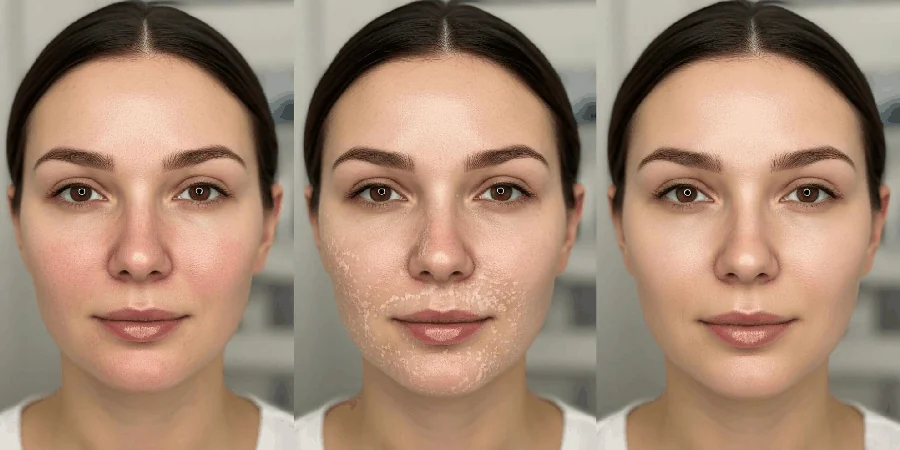 01 · Vascular treatment IPL Skin Rejuvenation IPL is the gold-standard treatment for vascular rosacea, it targets the dilated blood vessels and broken capillaries that drive persistent redness, clearing them so light no longer scatters off them through the skin. A course of three to six sessions four weeks apart delivers measurable redness reduction. Best for: broken capillaries, persistent flushing, vascular rosacea, Fitzpatrick 1 to 3 From £120 View treatment
 -
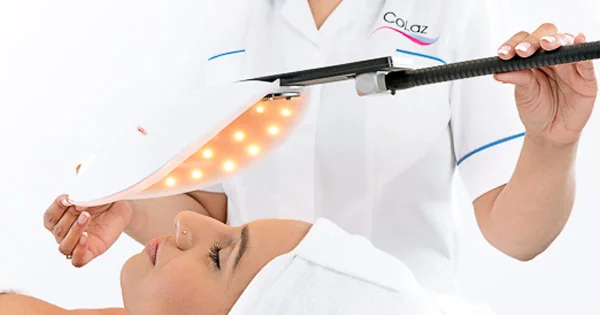 02 · Inflammation LED Light Therapy Red LED light calms the chronic low-grade inflammation that drives rosacea symptoms between flares. Painless, no downtime, and safe on all skin types and rosacea subtypes including patients who cannot tolerate IPL. Best for: inflammatory rosacea, sensitive skin, all skin types, ongoing maintenance From £55 View treatment
 -
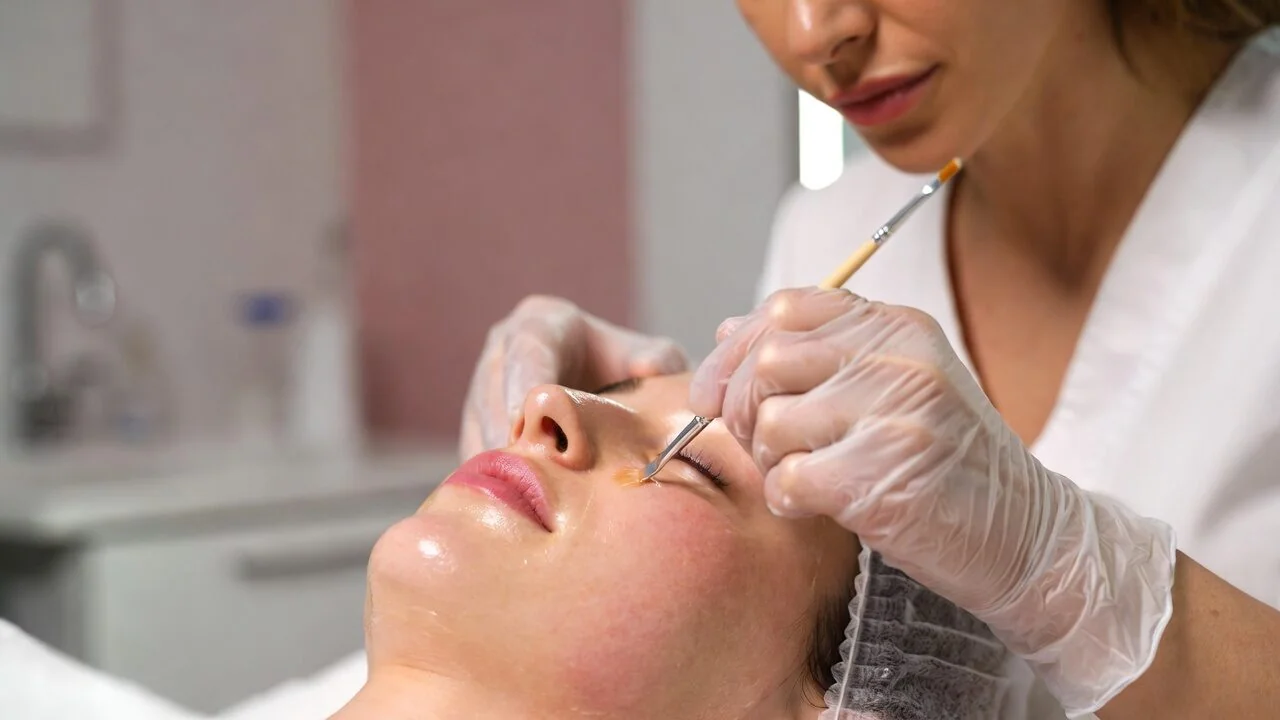 03 · Gentle resurfacing Chemical Skin Peels Gentle lactic-acid and enzymatic peels resurface the upper layers without the heat or harsh acids that trigger rosacea flares. Used as part of a maintenance plan rather than aggressive resurfacing. Best for: uneven texture alongside rosacea, mild surface concerns, rosacea-prone skin From £99 View treatment
 -
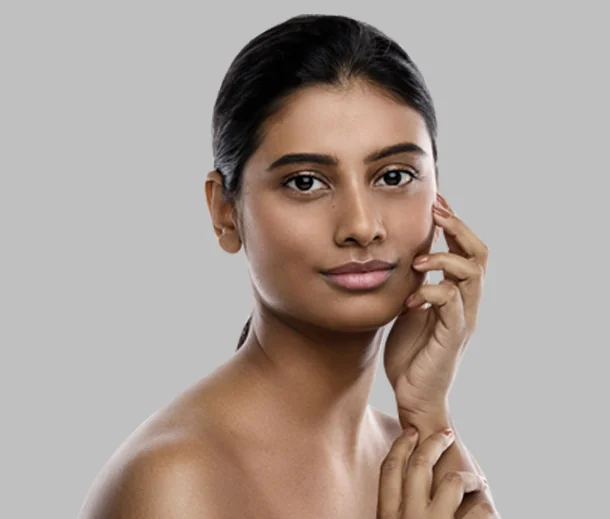 04 · Skin quality Profhilo Profhilo supports the compromised dermal hydration and collagen quality that often accompanies rosacea, strengthening the barrier and reducing reactive flushing. Two sessions four weeks apart, with maintenance every six to twelve months. Best for: barrier-compromised skin, mature rosacea, overall skin quality alongside redness work From £225 View treatment
How we approach it
A subtype-matched plan, calmly built over months.
- Phase 1
Calm the active phase
We assess the rosacea subtype at consultation, vascular (broken capillaries, persistent redness), inflammatory (papules and pustules), or mixed, and identify your personal flare triggers. The first phase usually combines IPL for the vascular component and LED light therapy for the inflammatory piece, alongside a barrier-supporting home routine.
- Phase 2
Strengthen and maintain
Once the active redness is reduced, we work on long-term resilience: a Profhilo course to support barrier quality, occasional gentle peels for surface texture, and a clear maintenance schedule. Rosacea is a chronic condition, without maintenance, the redness gradually returns over six to twelve months.
At home
What you can do alongside your plan
- Identify your personal flare triggers, common ones are alcohol, hot drinks, spicy food, heat, sun, stress and certain skincare actives
- Wear mineral SPF 50 every morning year-round, UV is one of the strongest rosacea triggers and chemical SPFs sometimes sting reactive skin
- Use a fragrance-free, ceramide-rich moisturiser morning and night, barrier support is half the long-term result
- Avoid hot showers on the face, hot saunas and direct heat for the first forty-eight hours after any in-clinic session
- Pause retinoids, glycolic acid and vitamin C in the week before and after each IPL session, actives stack with the laser irritation
Rosacea-prone skin is reactive skin. The wrong treatment can set you back weeks. The right protocol, matched to your subtype and your triggers, makes a visible difference within a single course.
Common questions
About redness and rosacea treatment
Something else? Message your nearest clinic and a clinician will answer.
What is rosacea and how is it different from acne?
Rosacea is a chronic inflammatory skin condition with three common subtypes: erythematotelangiectatic (persistent redness and visible broken capillaries), papulopustular (red bumps that can look like acne), and phymatous (skin thickening, most often on the nose). It affects roughly one in ten UK adults. It is different from acne in that the underlying driver is vascular and inflammatory rather than oil and blocked pores, although the two can co-exist. The right treatment depends on identifying the subtype correctly at consultation.
Can rosacea be cured?
No, rosacea is a chronic condition that can be controlled but not cured. What in-clinic treatment delivers is a meaningful reduction in visible redness and broken capillaries, plus a quieter baseline between flares. With ongoing maintenance most patients hold the result long term. We will be honest about this at consultation, treating rosacea is a long-term commitment rather than a one-off fix.
Will IPL treatment burn my skin?
IPL is safe and well-tolerated when used by a qualified clinician on the right skin type. We always test-patch before a full session, dose conservatively at the first treatment, and adjust based on how your skin responds. IPL is not appropriate for Fitzpatrick 4-6 skin types or for tanned skin, in those cases we use LED light therapy and other non-heat protocols instead. The decision is made at consultation.
How long until I see results?
Most patients see a visible reduction in broken capillaries within two to four weeks of the first IPL session. Persistent redness fades progressively across a course of three to six sessions over three to four months. LED light therapy delivers softer, slower results that build across a course of six to ten sessions. Photographs are taken at the start so progress can be tracked objectively.
Can I have IPL during a rosacea flare?
No, IPL should be done on calm, settled skin between flares. Treating during an active flare can worsen the inflammation and extend the flare duration. We pause sessions until the active phase has settled, which is usually a wait of two to four weeks, and we will reschedule without penalty if a flare hits between booked sessions.
Will the result last?
Vascular rosacea results last long term with maintenance. The broken capillaries treated with IPL do not refill, but new ones can develop over time, particularly with continued sun exposure, alcohol, or untreated flare triggers. Most patients on a long-term plan return for a single IPL maintenance session every twelve to eighteen months. LED light therapy is usually run as ongoing monthly maintenance, particularly during winter when rosacea symptoms typically flare.
How much does rosacea treatment cost at CoLaz?
IPL is sold per area per session with discounts on a course of three or six. LED light therapy is sold per session and is often bundled with IPL during the same visit. Profhilo is sold as a two-session course. Gentle peels are sold per session. The full plan price is agreed in writing at your free consultation before any session is booked.
Our locations
Find your nearest CoLaz
-
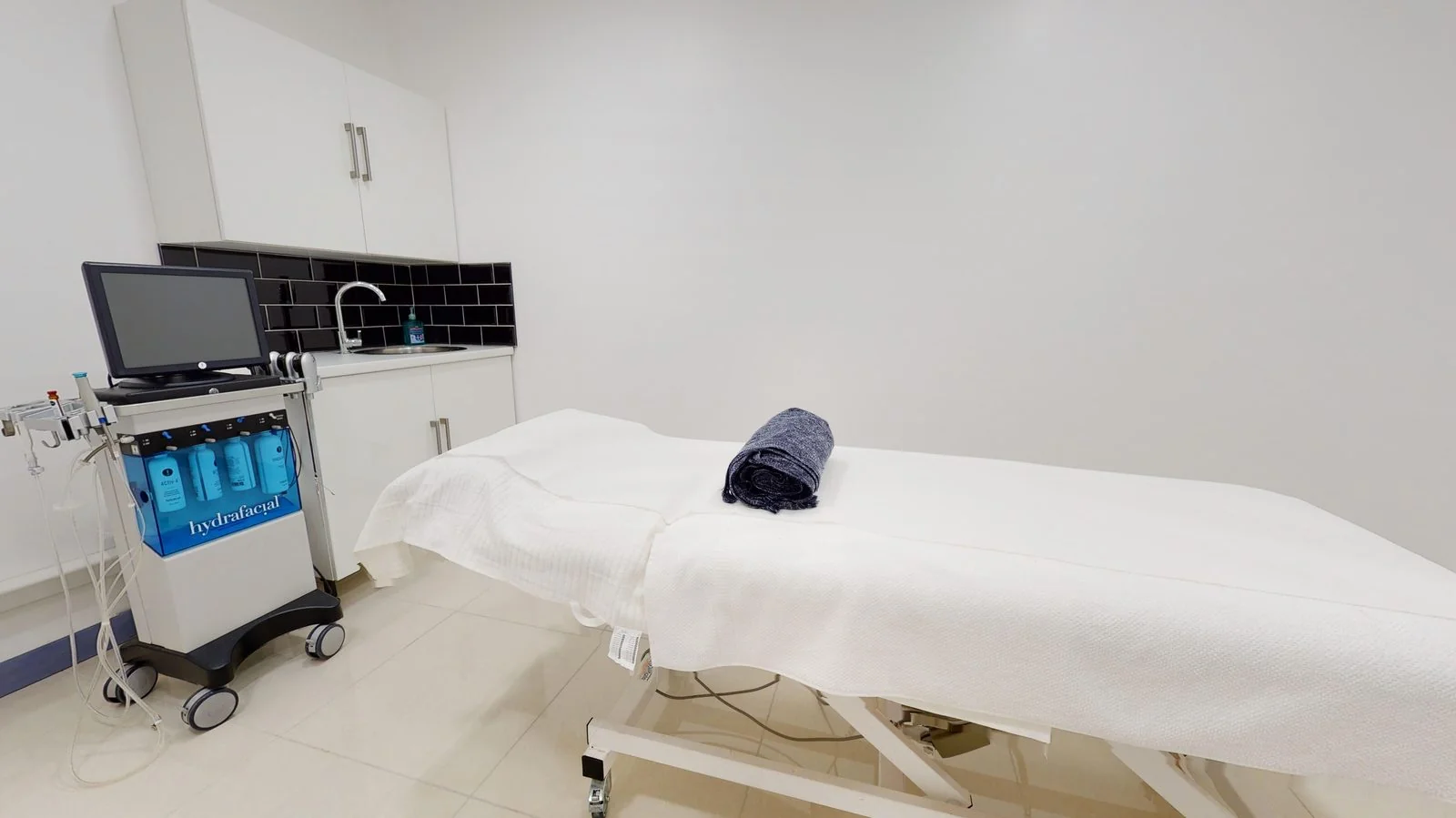 CoLaz Derby 21-23 Pear Tree Road, Derby DE23 6PZ View clinic
 -
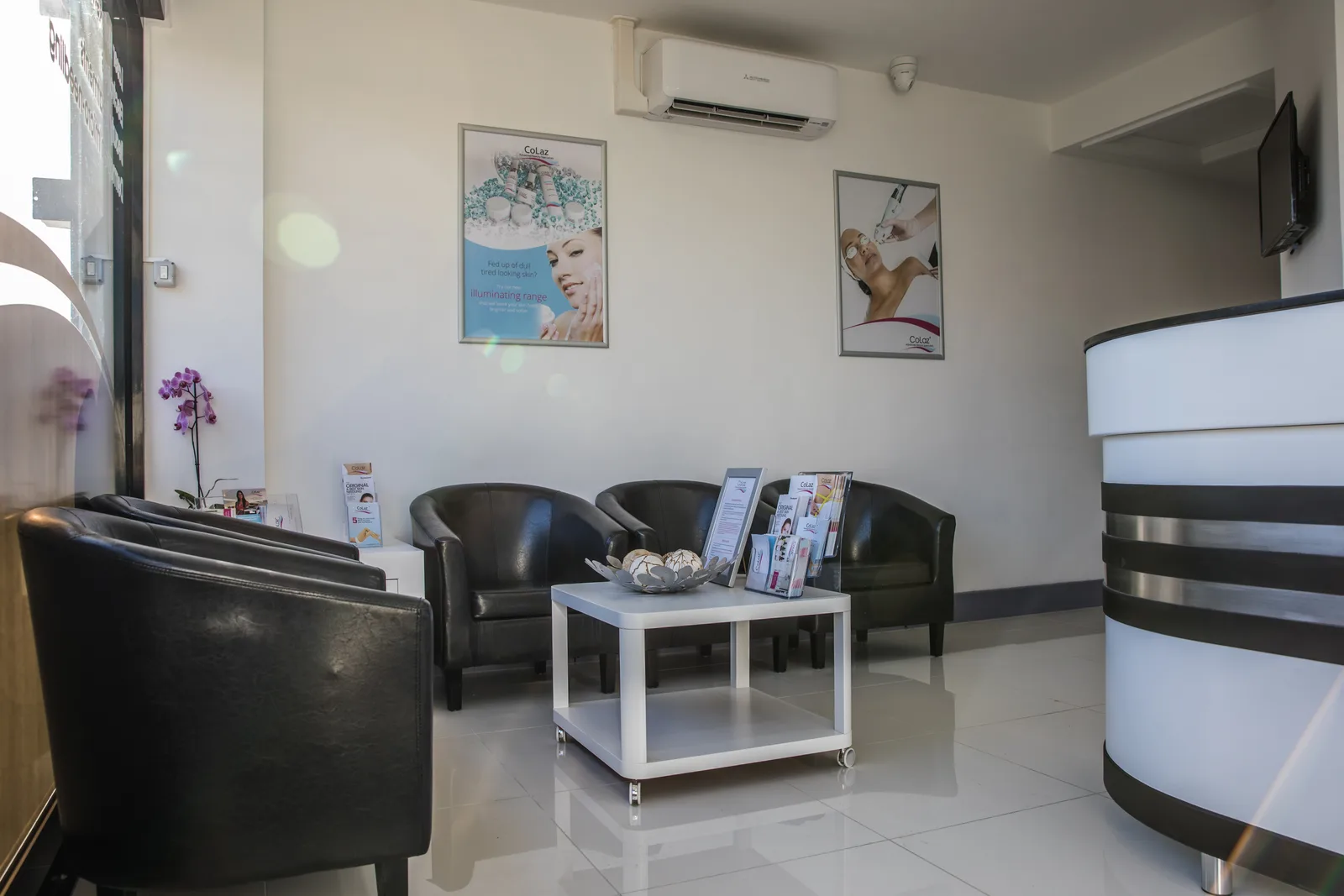 CoLaz Wembley 17 Wembley Hill Road, Wembley HA9 8AF View clinic
 -
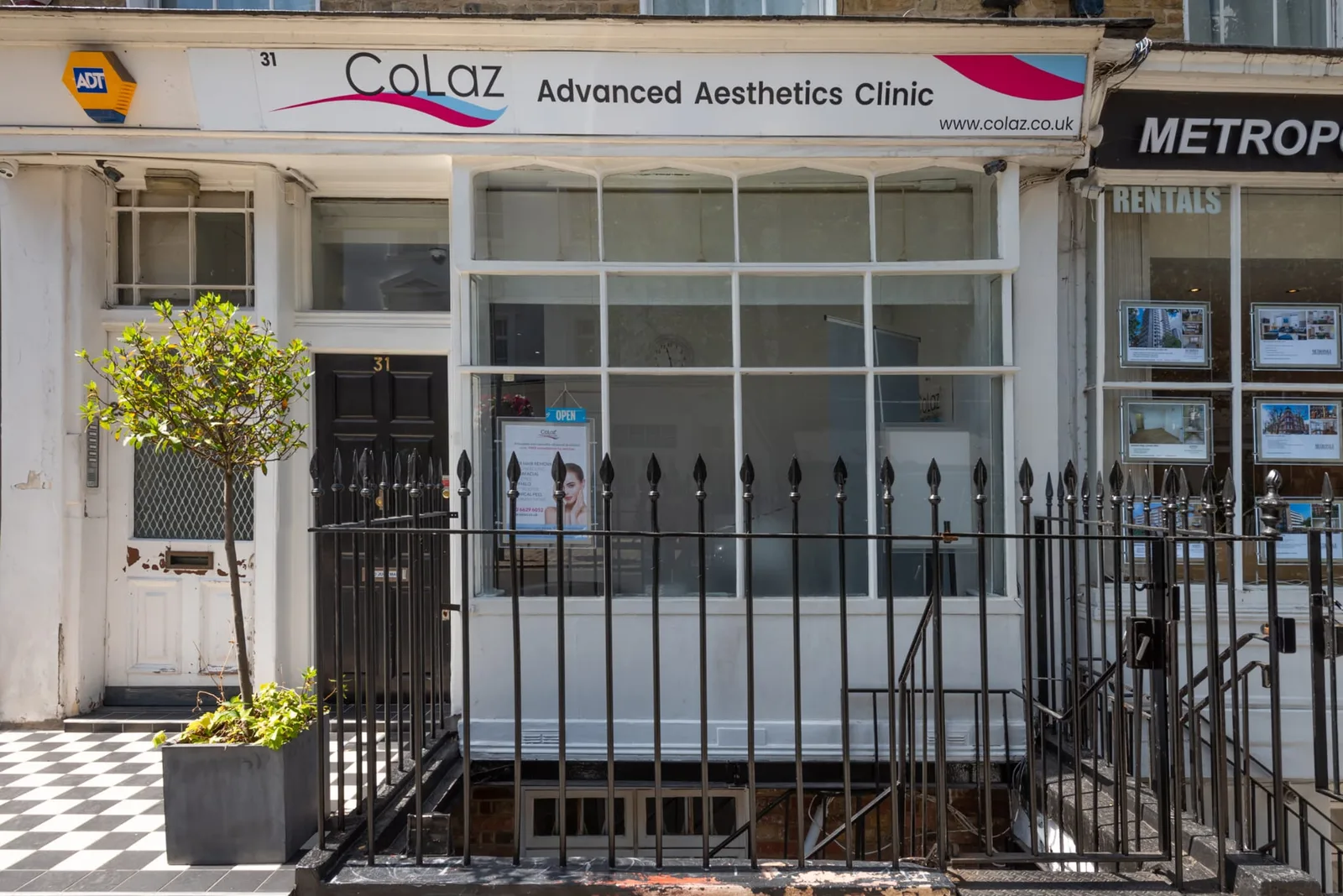 CoLaz London Paddington 31 Southwick Street, London W2 1JQ View clinic
 -
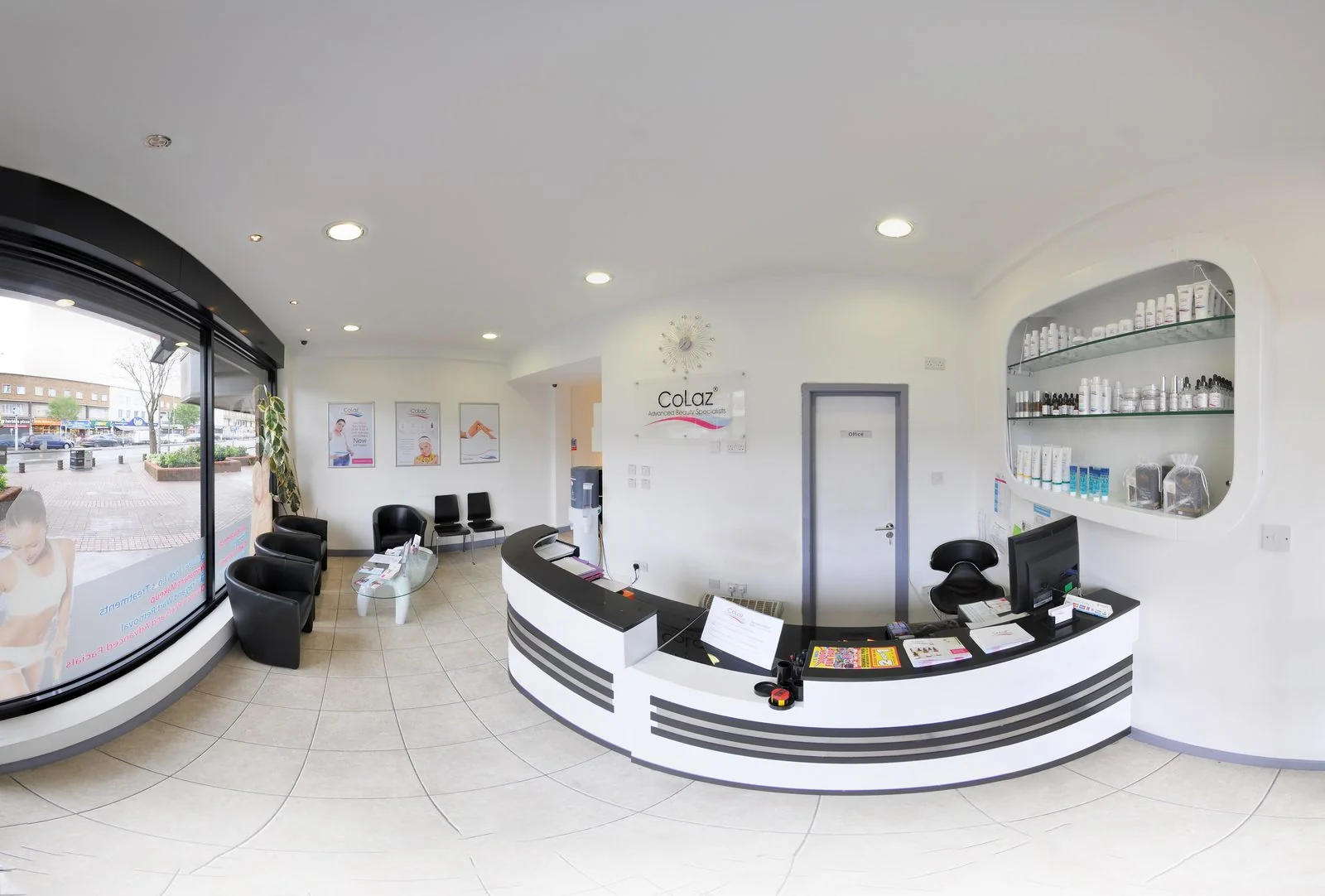 CoLaz Slough 183 Farnham Road, Slough SL1 4XP View clinic
 -
 CoLaz Reading 292 Oxford Road, Reading RG30 1AD View clinic
 -
 CoLaz Southall 247 The Broadway, Southall UB1 1NF View clinic
 -
 CoLaz Hounslow 435-437 Great West Road, Hounslow TW5 0BY View clinic
 - Not sure which is nearest? Maps, opening hours and directions for all seven clinics. All clinics
Bring your skin in, we will match the plan
The first consultation is free and there is no obligation to book. We look at your skin, your history and your home routine before recommending anything.