

Skin concern
Dry skin
Tightness, flaking, rough patches and a barrier that never quite feels comfortable. We rehydrate the skin and rebuild the barrier with a two-phase plan calibrated to your skin at a free consultation.
- 3Key causes
- 4Matched treatments
- 7UK clinics
The condition
What is actually happening with dry skin
Dry skin happens when the outer layer of the skin loses water faster than it can hold on to it, usually because the protective barrier of oils and lipids that locks moisture in has been weakened. The result is tightness, flaking, rough texture, dullness and sometimes itching or sensitivity.
It is worth separating two things that often get muddled. Dry skin lacks oil (it does not produce enough of the lipids that seal in water), while dehydrated skin lacks water (it can affect any skin type, including oily skin). Many people have a mix of both, and the in-clinic plan is different for each, which is why we assess the cause before recommending anything.
Dry skin is driven by a combination of genetics, age (oil production slows over time), cold or air-conditioned environments, hard water, harsh cleansers and over-exfoliation. At CoLaz we treat it in two phases: first we replenish moisture and calm the barrier, then we sustain hydration and support the skin's own ability to hold water for the longer term.
- 01
Weak barrier
A short supply of the oils and lipids that seal the skin lets water escape, leaving it tight, flaky and rough.
- 02
Water loss
With the barrier compromised, moisture evaporates faster than the skin can replace it, a process called transepidermal water loss.
- 03
Outside triggers
Cold air, hard water, harsh cleansers and over-exfoliation all strip the barrier further and keep the dryness going.
Matched to this concern
Treatments we would consider for dry skin
No single treatment suits everyone. Your clinician pairs the right one to your skin type, how severe it is and where it appears.
-
 01 · First-line Hydrafacial A multi-step facial that gently cleanses and resurfaces, then floods the skin with hyaluronic acid and nourishing serums under painless suction. Restores comfort and glow in a single session, with a course recommended for persistent dryness. Best for: tightness, flaking, dullness, dehydrated skin, no downtime From £99 View treatment
 -
 02 · Bio-remodelling Profhilo An injectable form of pure hyaluronic acid that spreads through the deeper layers to hold water where creams cannot reach, while stimulating the skin to produce its own collagen and elastin. Two sessions a month apart, then maintenance. Best for: deep dehydration, crepey or lacklustre skin, mature skin From £225 View treatment
 -
 03 · Nutrient infusion Mesotherapy Micro-infusions of hyaluronic acid, vitamins and amino acids delivered just beneath the surface to hydrate and feed the skin directly. A course of three to four sessions builds noticeable softness and a healthier-looking barrier. Best for: dull, tired skin, uneven texture, an early-stage hydration boost From £199 View treatment
 -
 04 · Soothing top-up Oxygen Facial A calming, hydrating facial that delivers oxygen and a hyaluronic serum to plump and soothe the surface with zero downtime. Ideal as a gentle maintenance treatment or before an event when the skin needs to look its best. Best for: sensitive or reactive skin, a quick refresh, maintenance between courses From £89 View treatment
How we approach it
A two-phase plan, calibrated at the first consultation.
- Phase 1
Replenish and repair the barrier
First we work out whether your skin is genuinely dry, dehydrated or both, and check for triggers like over-cleansing or a compromised barrier. We typically start with a Hydrafacial alongside a simple barrier-supporting home routine. Most patients feel the difference in comfort and softness straight away, with texture improving over the first few weeks.
- Phase 2
Sustain hydration long term
Once the barrier is calmer, we focus on holding water in the skin for the longer term. Profhilo and mesotherapy do most of the work here, supported by oxygen facials for gentle maintenance. We agree a realistic top-up schedule so the result holds rather than fading back within weeks.
At home
What you can do alongside your plan
- Swap foaming cleansers for a gentle cream or milk cleanser, foaming surfactants strip the oils your barrier needs
- Apply moisturiser to slightly damp skin within a minute of cleansing to trap water before it evaporates
- Add a non-comedogenic SPF 50 every morning, sun exposure further weakens an already-compromised barrier
- Ease off acids and scrubs while the barrier recovers, over-exfoliation is one of the most common causes of dryness we see
- Run a humidifier in winter and during air-conditioned months, dry air pulls moisture straight out of the skin
Most people reach for richer and richer creams when their skin feels dry, when the real issue is a barrier that cannot hold water. Fix the barrier first, and everything else gets easier.
Common questions
About dry skin treatment
Something else? Message your nearest clinic and a clinician will answer.
What causes dry skin?
Dry skin is caused by a weakened skin barrier that lets water escape faster than the skin can replace it. The barrier is made of oils and lipids, and when there are not enough of them, moisture evaporates and the skin feels tight, flaky and rough. Common triggers include genetics, ageing (oil production slows over time), cold or air-conditioned environments, hard water, harsh foaming cleansers and over-exfoliation. We identify which of these apply to you at the free consultation before recommending a plan.
What is the difference between dry and dehydrated skin?
Dry skin lacks oil, it does not produce enough of the lipids that seal moisture in, and it tends to be a long-term skin type. Dehydrated skin lacks water and can affect anyone, including people with oily skin, often temporarily. The treatments overlap but are not identical: dehydrated skin responds quickly to hydrating facials and infusions, while genuinely dry skin also needs barrier repair and longer-term support. Many people have a combination, which is why we assess the cause rather than guessing.
Which dry skin treatment is right for me?
It depends on how dry your skin is and what is driving it. For tightness, flaking and dullness, a Hydrafacial is the usual first step. For deeper, more persistent dehydration or mature skin, Profhilo and mesotherapy hold water in the deeper layers where creams cannot reach. Sensitive or reactive skin often does best starting with a gentle oxygen facial. We confirm the right combination and order at your free consultation.
How long until I see results from dry skin treatment?
Most patients feel an immediate improvement in comfort and softness after a single Hydrafacial or oxygen facial, with texture and glow building over the following two to three weeks. Profhilo works more gradually, with the fullest hydration and firmness usually visible around four to eight weeks after the second session, because it stimulates the skin to remodel itself. We take photographs at the start so progress can be tracked rather than estimated.
Can I have these treatments if my skin is sensitive?
Yes, in most cases. Dry skin and sensitivity often go together, so the plan is adjusted accordingly: we usually begin with gentle, soothing options like an oxygen facial or a calming Hydrafacial protocol and avoid anything that could aggravate the barrier while it recovers. We review your history and any reactions at the consultation, and we always patch-test where appropriate before a full treatment.
How much does dry skin treatment cost at CoLaz?
Pricing depends on which treatments are matched to your plan and how many sessions are agreed at consultation. Individual treatment prices are shown on each treatment page, Hydrafacial and oxygen facials are sold as single sessions or courses, while Profhilo runs as a two-session protocol. The full plan is priced in writing at your free consultation before anything is booked, and there are no upsells in the chair.
Will my dry skin come back after treatment?
Dry skin is usually a long-term skin type rather than a one-off problem, so the goal is steady control rather than a single cure. The in-clinic phase restores comfort and rebuilds the barrier, and how long that holds depends on maintenance: a supportive home routine, daily SPF, and an occasional top-up treatment every couple of months for skin that runs persistently dry. We will be honest at consultation about whether your skin needs ongoing maintenance or a shorter course is likely to hold.
Our locations
Find your nearest CoLaz
-
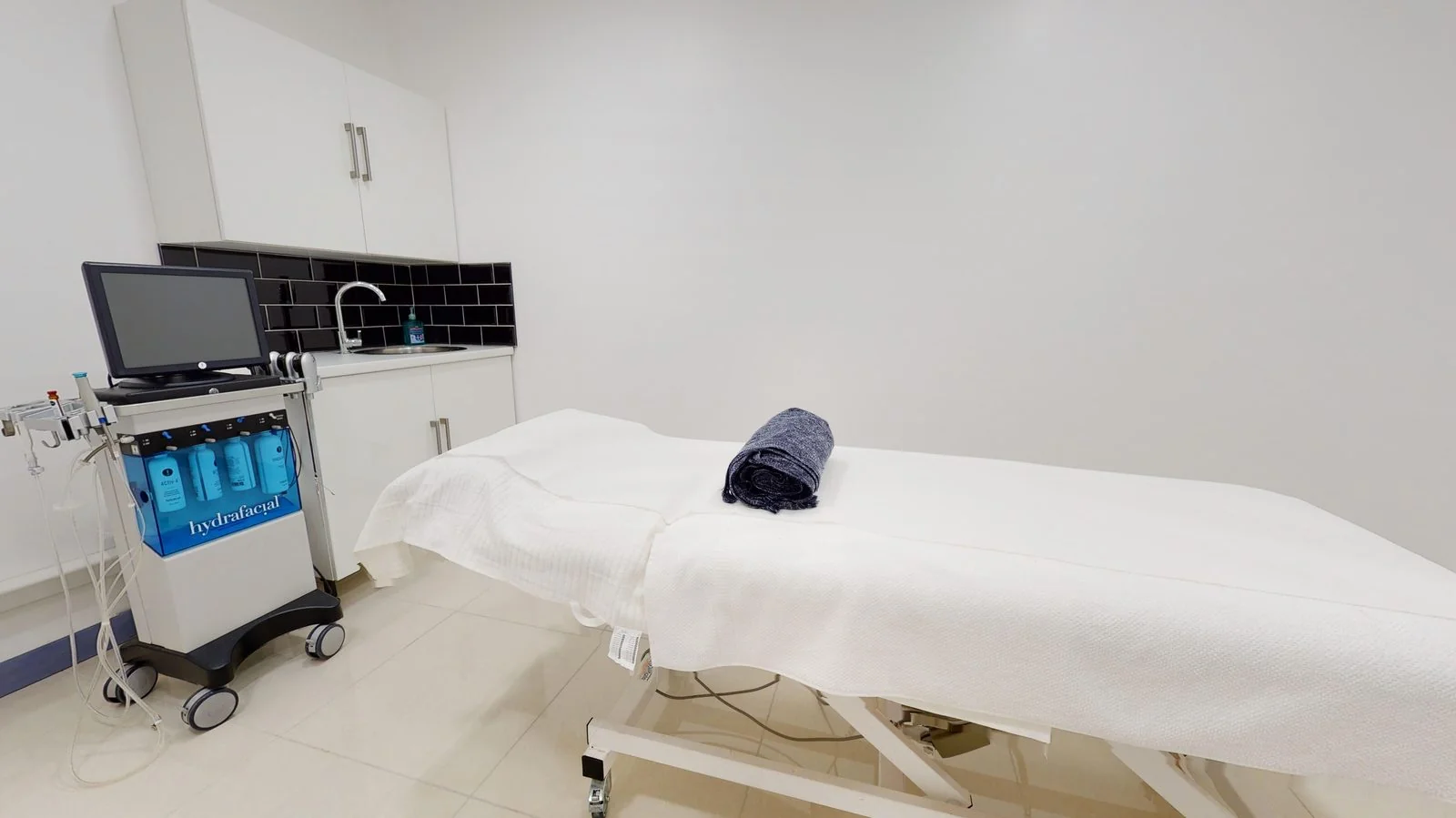 CoLaz Derby 21-23 Pear Tree Road, Derby DE23 6PZ View clinic
 -
 CoLaz Wembley 17 Wembley Hill Road, Wembley HA9 8AF View clinic
 -
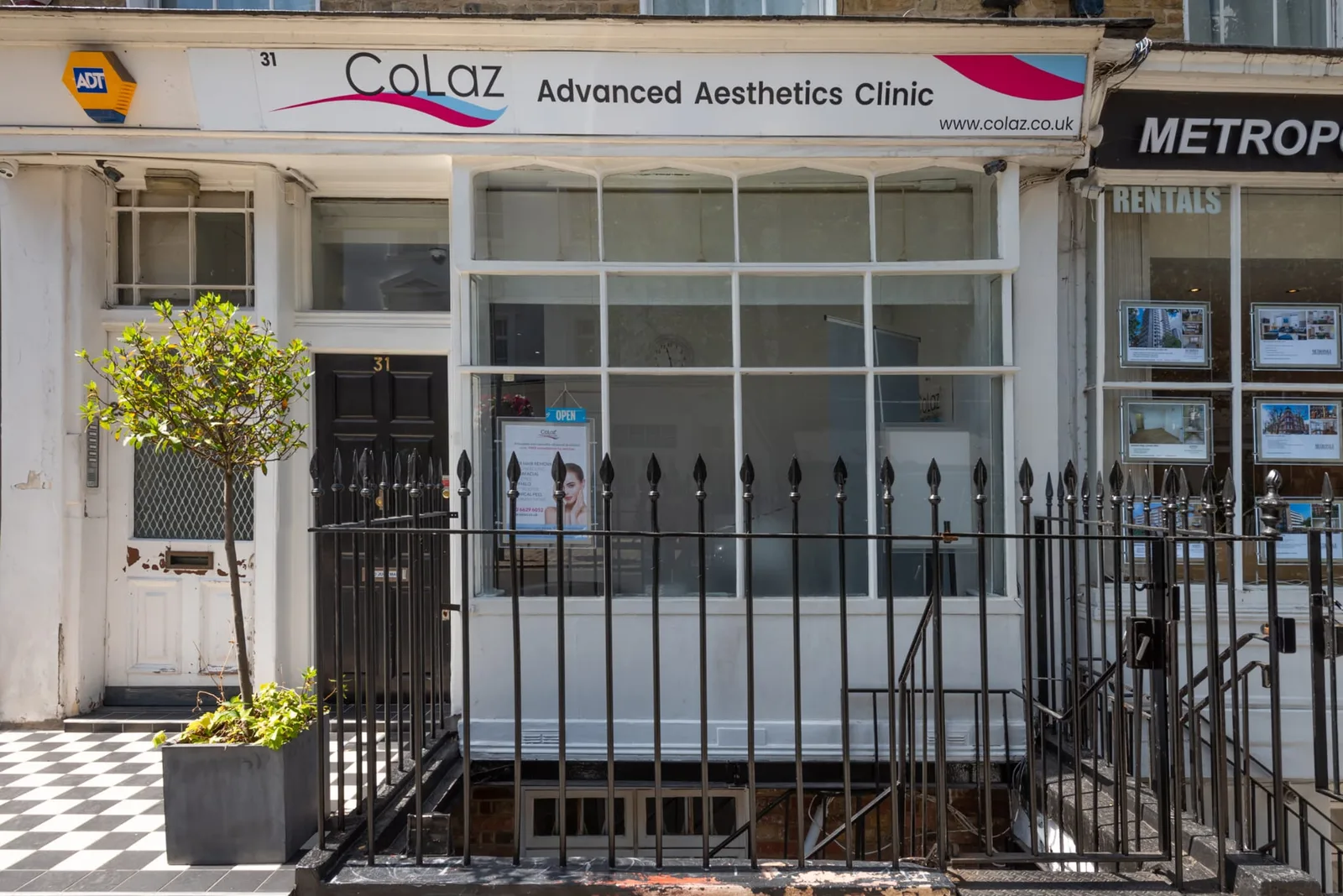 CoLaz London Paddington 31 Southwick Street, London W2 1JQ View clinic
 -
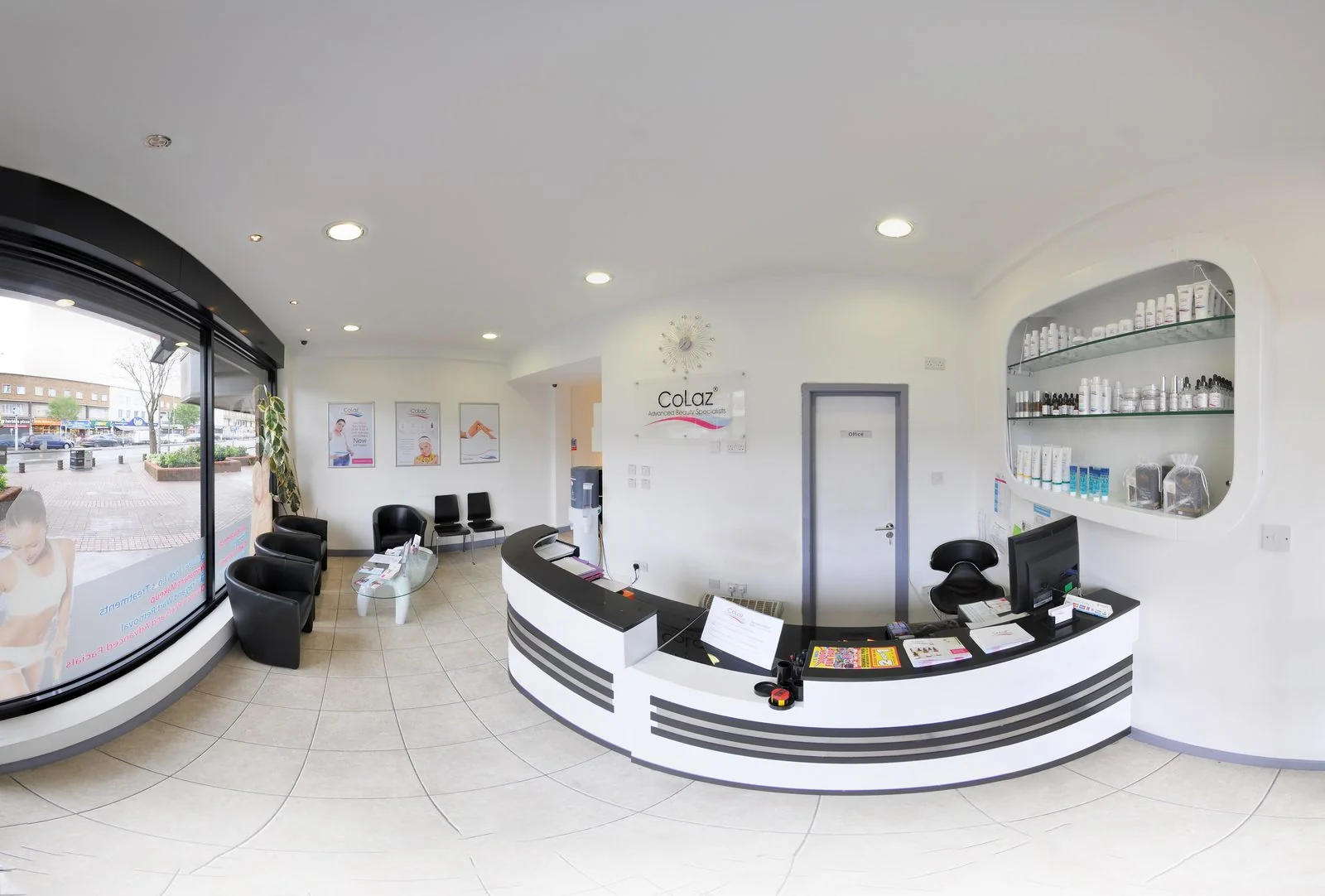 CoLaz Slough 183 Farnham Road, Slough SL1 4XP View clinic
 -
 CoLaz Reading 292 Oxford Road, Reading RG30 1AD View clinic
 -
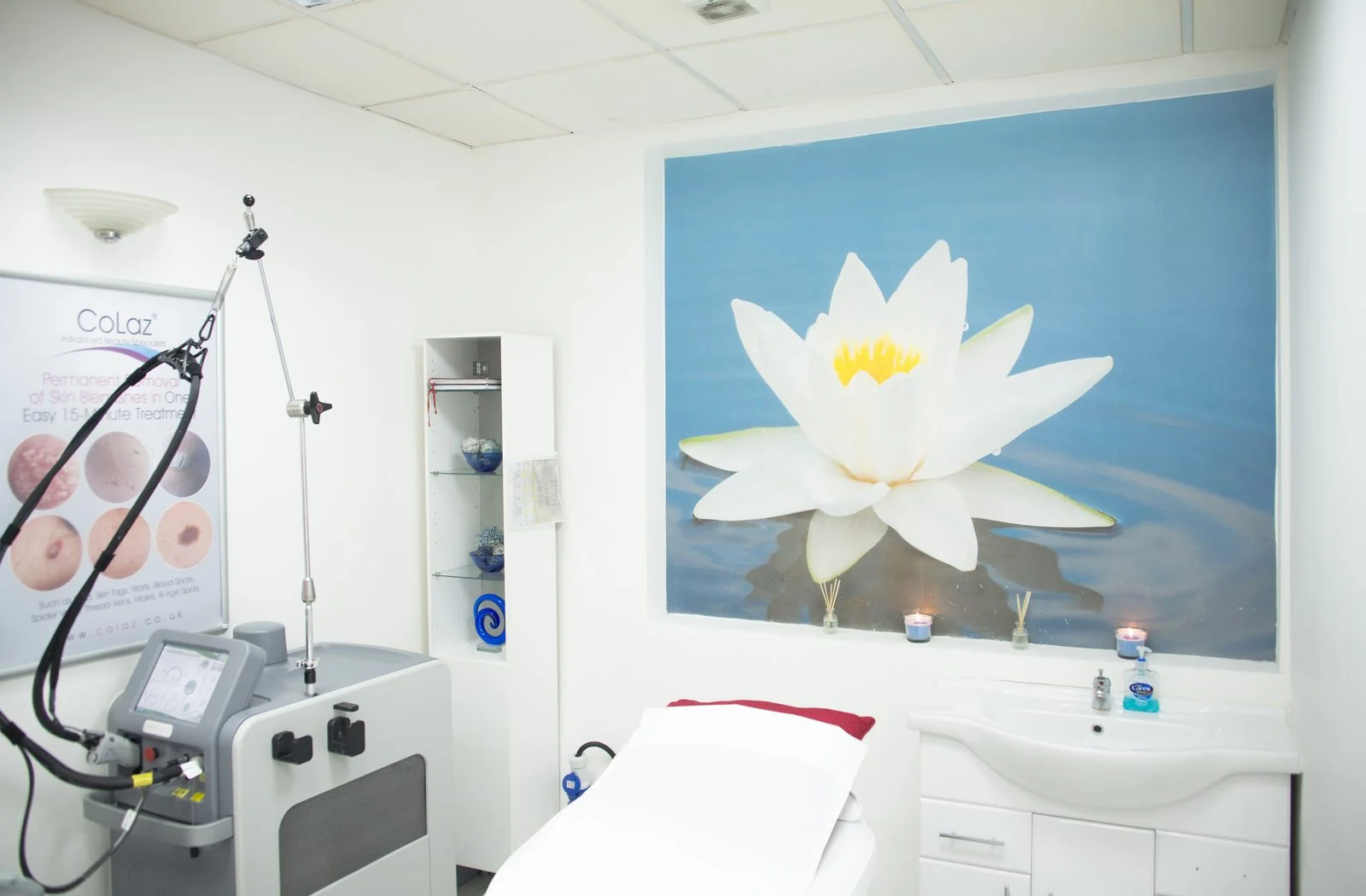 CoLaz Southall 247 The Broadway, Southall UB1 1NF View clinic
 -
 CoLaz Hounslow 435-437 Great West Road, Hounslow TW5 0BY View clinic
 - Not sure which is nearest? Maps, opening hours and directions for all seven clinics. All clinics
Bring your skin in, we will match the plan
The first consultation is free and there is no obligation to book. We look at your skin, your history and your home routine before recommending anything.