

Skin concern
Pigmentation
Melasma, sun spots, post-inflammatory dark patches and uneven tone that no SPF alone is going to lift. We treat pigmentation safely across all Fitzpatrick skin types.
- 3Key causes
- 4Matched treatments
- 7UK clinics
The condition
What is actually happening with pigmentation
Pigmentation is the visible result of melanin, the pigment that gives skin its colour, being produced or held in the wrong place. Melasma is hormone-driven, often appearing across the cheeks, upper lip and forehead. Sun spots are UV-driven and accumulate on the hands, face and chest over years. Post-inflammatory hyperpigmentation is the brown or darker mark left behind after a spot, eczema flare or any inflammation has healed.
Different patterns of pigmentation need different protocols. Melasma is especially stubborn and never fully cured, it is managed across long-term plans. Sun spots are usually clearable. Post-inflammatory pigmentation usually fades with the right combination, particularly on Fitzpatrick 4-6 skin where the pattern is most common.
At CoLaz we treat pigmentation only by qualified clinicians using modalities chosen for your specific Fitzpatrick type. Heat-based lasers used on the wrong skin type can deepen the pigmentation they are trying to clear, which is why we test-patch every Fitzpatrick 4-6 patient before a full session.
- 01
Excess melanin
Pigment-making cells overproduce melanin in patches, leaving flat brown or grey marks across the skin.
- 02
Sun exposure
UV light is the biggest trigger, switching on pigment cells and deepening existing marks, even through cloud and glass.
- 03
Hormones and heat
Hormonal shifts and heat can drive melasma, a stubborn pattern that needs a careful, layered approach to settle.
Matched to this concern
Treatments we would consider for pigmentation
No single treatment suits everyone. Your clinician pairs the right one to your skin type, how severe it is and where it appears.
-
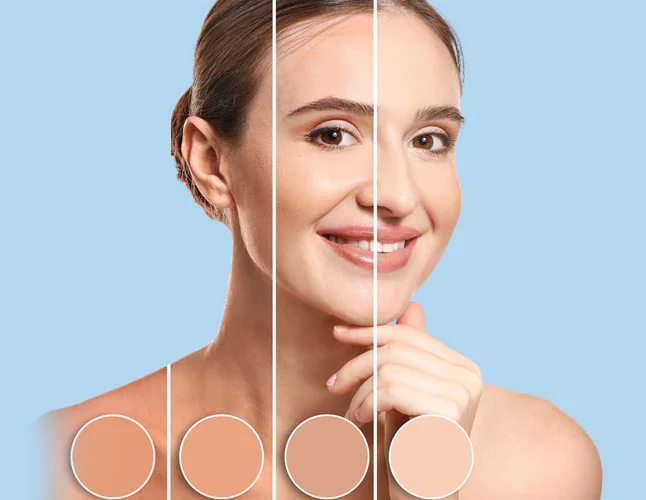 01 · Melasma protocol Cosmelan Depigmentation Peel Cosmelan is the gold-standard professional depigmentation system, a two-part in-clinic mask plus six-month home regime that reduces melanin production and clears existing pigment. The most effective protocol available for stubborn melasma, safe across all Fitzpatrick types. Best for: melasma, post-inflammatory hyperpigmentation, stubborn pigmentation, Fitzpatrick 4 to 6 From £1,250 View treatment
 -
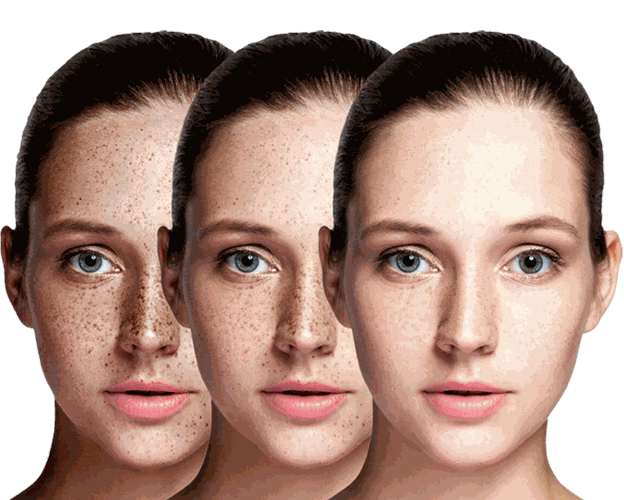 02 · Targeted laser PICO Laser Treatment PICO laser uses ultra-short pulses to shatter pigment particles for the body to clear, with minimal heat spread that protects surrounding skin. Particularly strong on sun spots, age spots and post-inflammatory pigmentation, and safe on darker skin types where IPL would carry pigment risk. Best for: sun spots, age spots, post-inflammatory pigmentation, Fitzpatrick 1 to 6 From £70 View treatment
 -
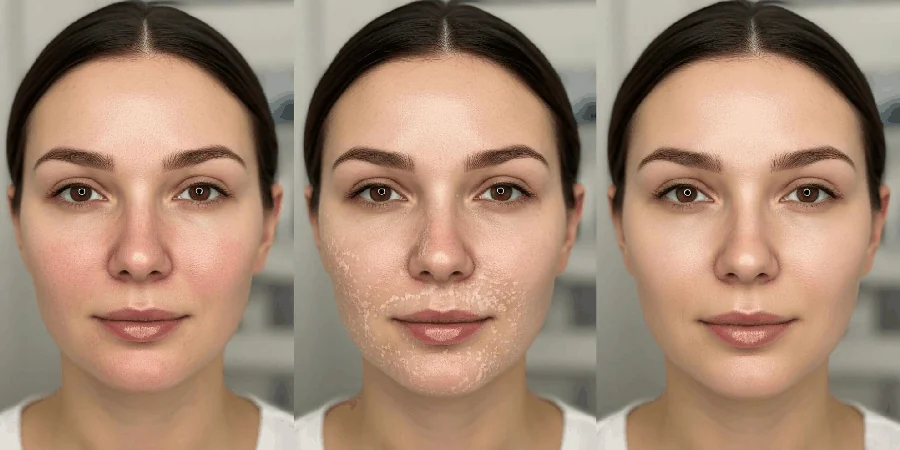 03 · Diffuse pigmentation IPL Skin Rejuvenation IPL (intense pulsed light) addresses diffuse pigmentation, freckling and overall tone on lighter skin types. A course of three to six sessions four weeks apart clears most surface pigmentation. Not suitable for Fitzpatrick 4-6 skin or for melasma. Best for: diffuse pigmentation, freckling, overall tone, Fitzpatrick 1 to 3 From £120 View treatment
 -
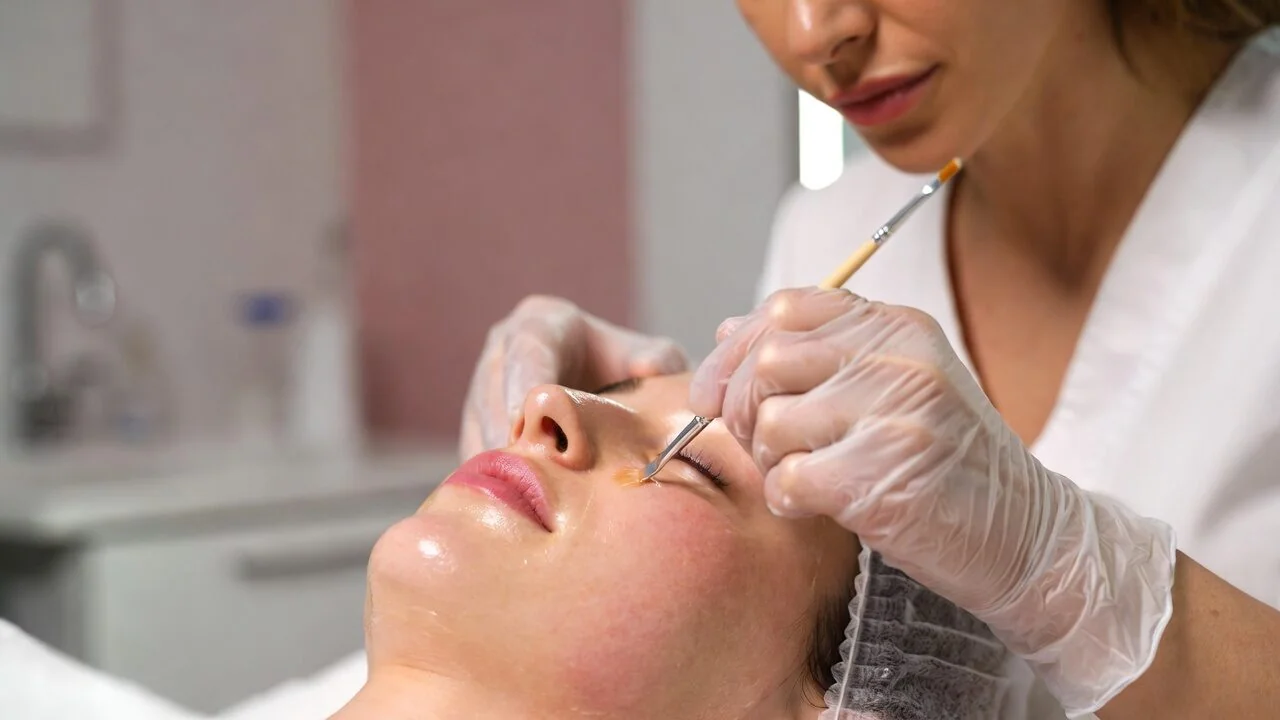 04 · Brightening peels Chemical Skin Peels Glycolic, lactic and mandelic-acid peels brighten the surface, accelerate cellular turnover and fade superficial pigmentation. Often used as a course alongside Cosmelan or PICO to layer the result. Best for: surface pigmentation, uneven tone, post-procedure brightening, Fitzpatrick 1 to 6 From £99 View treatment
How we approach it
A pattern-matched protocol, calibrated to your skin type.
- Phase 1
Identify the pattern
At consultation we identify whether the pigmentation is melasma (hormone-driven), sun-driven, post-inflammatory or a combination, photograph the pattern in detail, and assess your Fitzpatrick type. The protocol is then matched precisely, what works for sun spots on Fitzpatrick 2 skin is wrong for melasma on Fitzpatrick 5 skin.
- Phase 2
Treat and maintain
Most courses run between six weeks (a Cosmelan in-clinic mask plus six-month home regime) and three to six months (a PICO or IPL course of four to six sessions). Strict daily SPF 50 is non-negotiable across the entire course and for life, sun exposure undoes pigmentation work faster than any treatment can clear it. Melasma in particular needs lifelong maintenance.
At home
What you can do alongside your plan
- Wear SPF 50 every morning year-round and reapply every two hours when outdoors, this is the single most important rule for pigmentation
- Add a vitamin C serum in the morning under SPF, supports brightening and protects against fresh UV damage
- Pause hydroquinone or kojic-acid home products one week before any in-clinic session unless your clinician has agreed otherwise
- Avoid waxing or hot-wax treatments on pigmented areas, heat can trigger more pigmentation
- Track hormonal changes, pregnancy, the contraceptive pill and HRT all influence melasma and shape the in-clinic plan
Pigmentation is one of the most rewarding concerns to treat when it is done properly, and one of the easiest to make worse when it is not. Always start with the consultation, always test-patch on darker skin, always commit to SPF for life.
Common questions
About pigmentation treatment
Something else? Message your nearest clinic and a clinician will answer.
What causes pigmentation?
Pigmentation has three main drivers: hormonal (melasma, common in pregnancy and on the combined contraceptive pill), sun-driven (sun spots, age spots, freckling), and inflammatory (post-inflammatory hyperpigmentation after acne, eczema or any skin injury). Genetics and skin type also play a role, Fitzpatrick 4-6 skin produces more melanin in response to any inflammation, which is why darker skin types are more prone to post-inflammatory marks. The fix depends entirely on which pattern is present.
Can pigmentation be completely removed?
Sun spots and age spots are usually clearable with PICO laser or a Cosmelan course. Post-inflammatory pigmentation usually fades to a near-invisible level across a structured protocol. Melasma, honestly, cannot be fully cured, it is a chronic condition managed long-term. Cosmelan is the most effective protocol available for it and most patients achieve a 60-90 per cent reduction across the six-month regime, with maintenance keeping the result stable. We will be honest about what is realistic at consultation.
Is pigmentation treatment safe on darker skin?
On Fitzpatrick 4-6 skin, only with the right protocols and a clinician who treats darker skin regularly. Heat-based lasers and aggressive IPL can deepen pigmentation on darker skin, the opposite of the result intended. At CoLaz we use Cosmelan and PICO laser for higher-melanin skin types, always test-patch before a full session, and dose conservatively at the start. With the right protocols, pigmentation work is safe and consistent across all Fitzpatrick types.
How long until I see results?
PICO laser shows visible fading of treated spots within two to four weeks per session, with the full course running four to six sessions. IPL shows similar timing on Fitzpatrick 1-3 skin. Cosmelan delivers visible lightening from week three onwards as the upper pigmented layers shed, with the most significant change between weeks six and twelve. The full six-month Cosmelan regime delivers the long-term result. Chemical peels brighten progressively across a course of three to six sessions.
Will my pigmentation come back?
Sun spots can be cleared and stay clear if SPF 50 is worn daily and sun exposure is moderated. Post-inflammatory pigmentation usually fades and stays faded once the underlying inflammation (acne, eczema) is controlled. Melasma is the exception, it is a chronic condition and will return without maintenance and strict SPF. Patients on Cosmelan are committed to a six-month regime plus lifelong SPF and a brightening home routine to hold the result.
Can I have pigmentation treatment if I am pregnant or breastfeeding?
No. We do not treat pigmentation during pregnancy or breastfeeding. Melasma in particular is hormone-driven and often improves on its own after birth and after weaning, so the right move is usually to wait. We are happy to plan ahead from a consultation, and we will book the start of the protocol once you are no longer pregnant or breastfeeding. Strict SPF and a gentle barrier-supporting routine in the interim is what we recommend during pregnancy.
How much does pigmentation treatment cost at CoLaz?
Pricing depends on which protocol is matched to your plan. Cosmelan is sold as a full six-month protocol price including the in-clinic mask, home regime products and scheduled clinic reviews. PICO laser is sold per area per session with discounts on a course. IPL is sold per area per session. Chemical peels are sold per session. The full plan price is agreed in writing at your free consultation before any session is booked.
Our locations
Find your nearest CoLaz
-
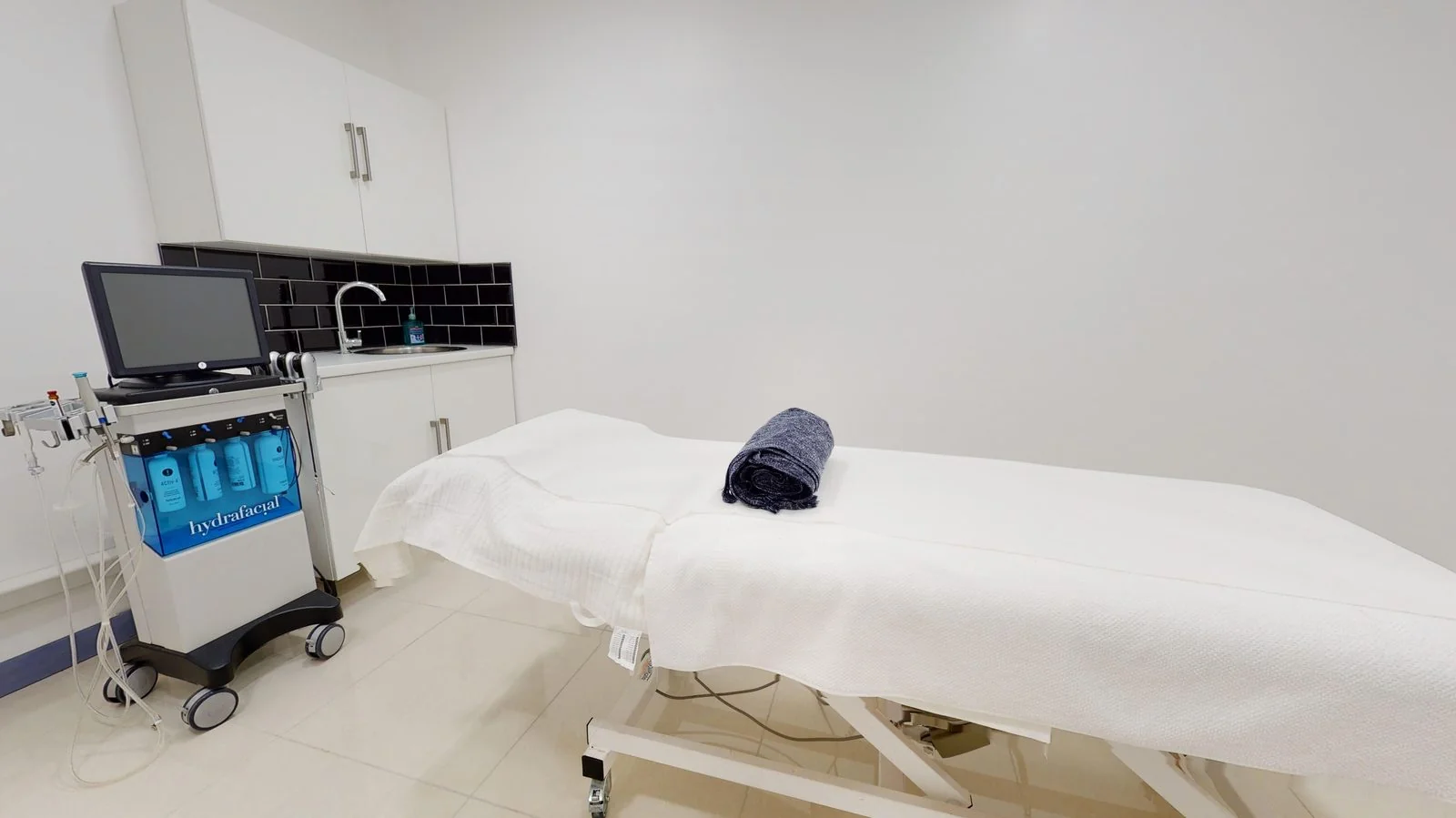 CoLaz Derby 21-23 Pear Tree Road, Derby DE23 6PZ View clinic
 -
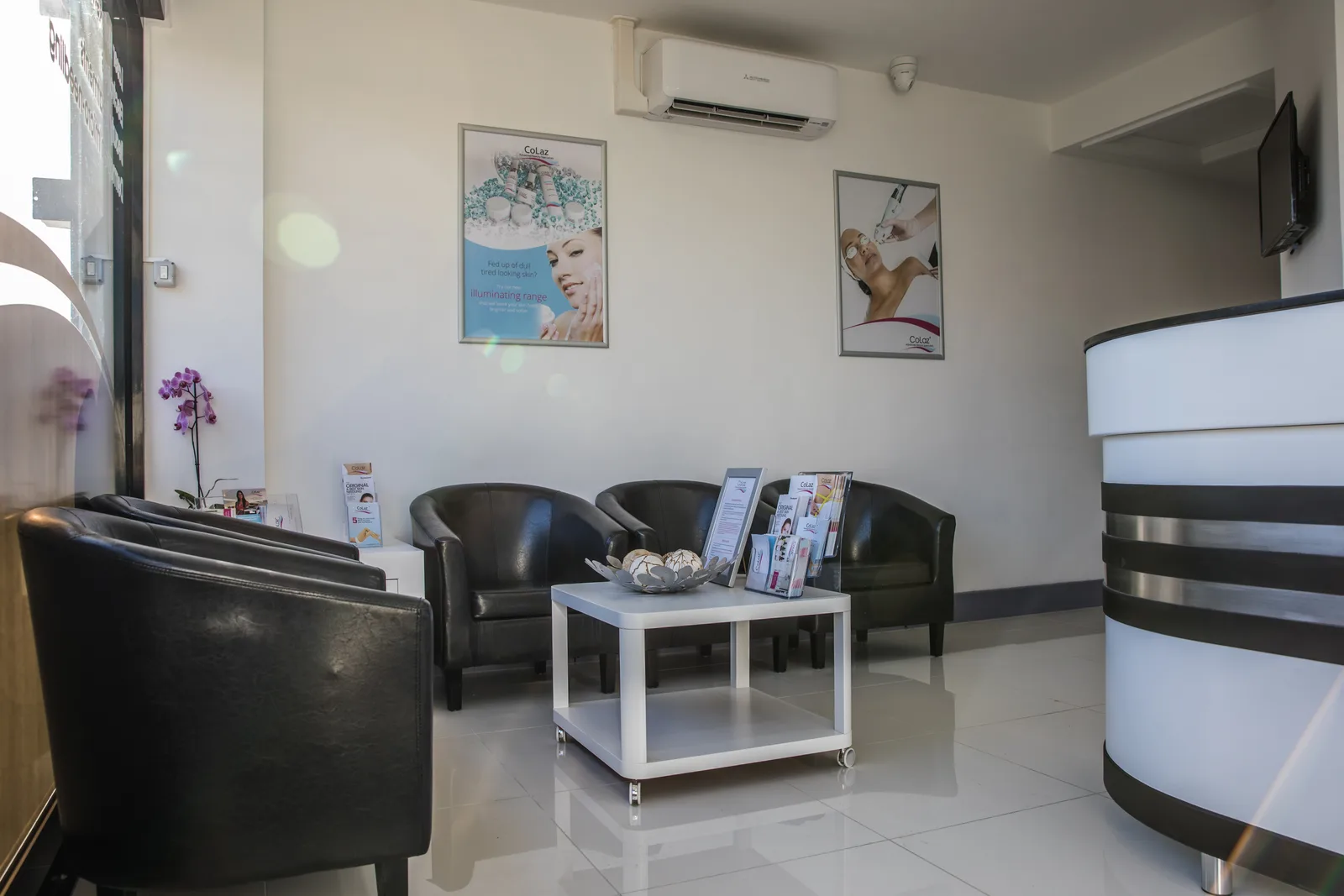 CoLaz Wembley 17 Wembley Hill Road, Wembley HA9 8AF View clinic
 -
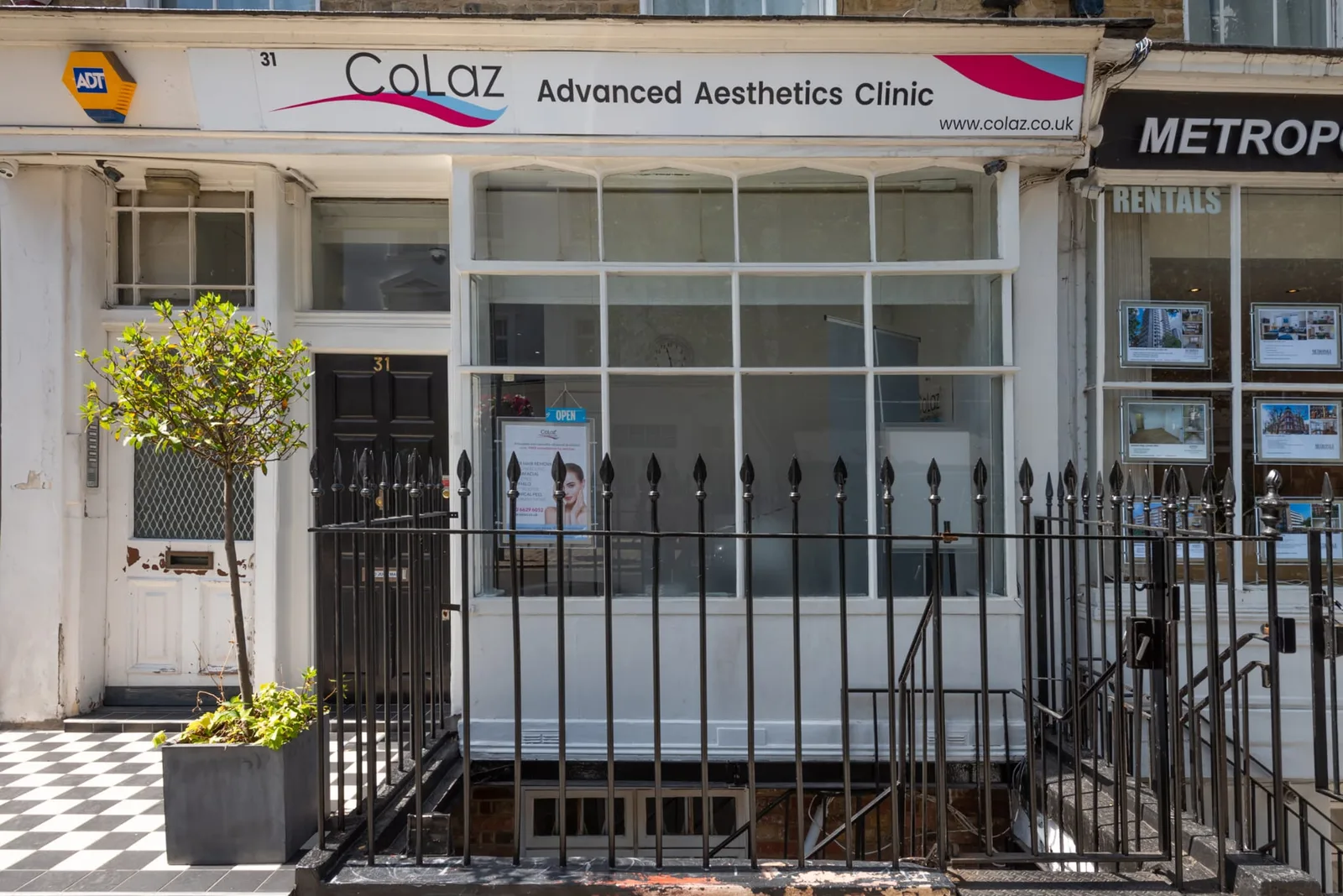 CoLaz London Paddington 31 Southwick Street, London W2 1JQ View clinic
 -
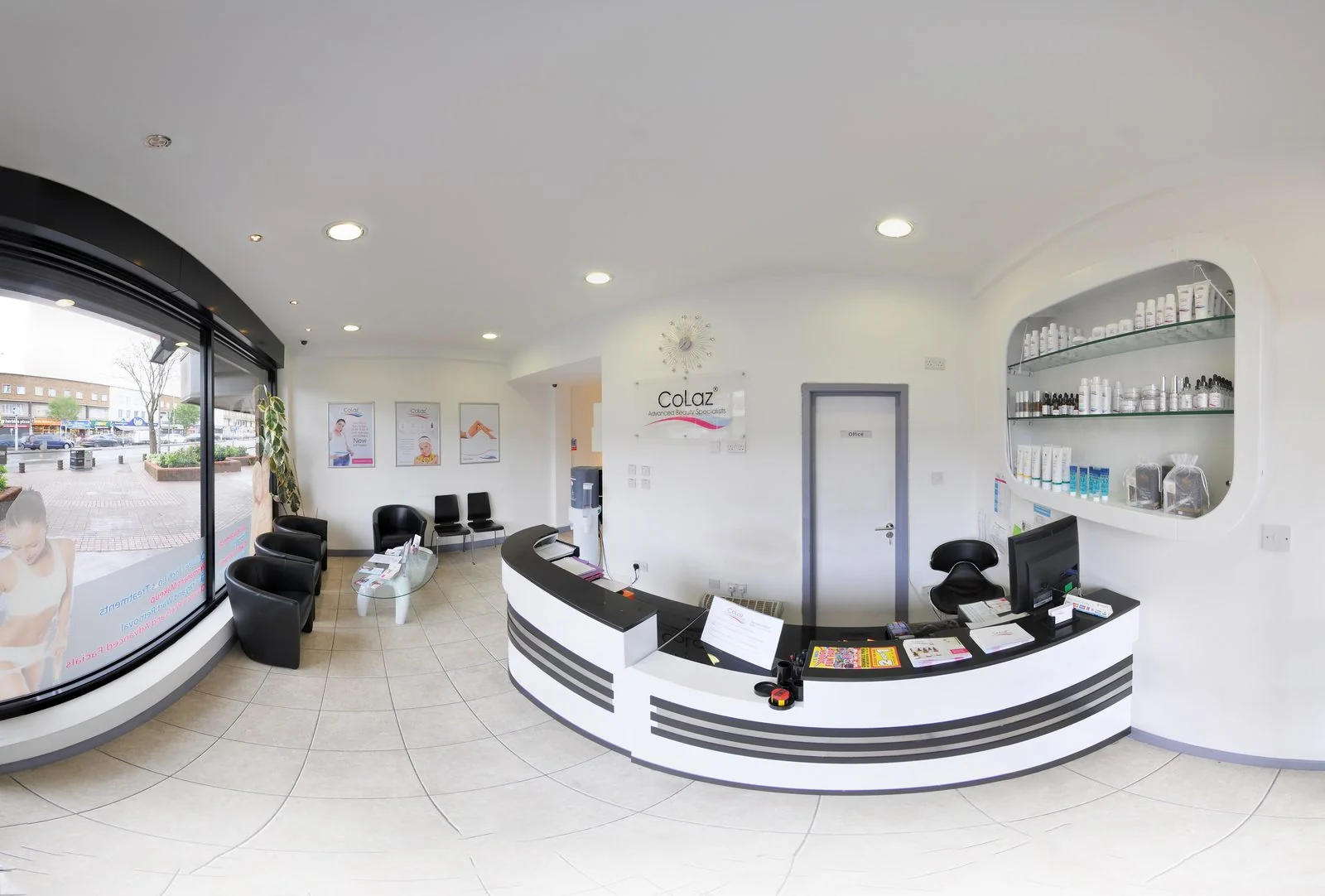 CoLaz Slough 183 Farnham Road, Slough SL1 4XP View clinic
 -
 CoLaz Reading 292 Oxford Road, Reading RG30 1AD View clinic
 -
 CoLaz Southall 247 The Broadway, Southall UB1 1NF View clinic
 -
 CoLaz Hounslow 435-437 Great West Road, Hounslow TW5 0BY View clinic
 - Not sure which is nearest? Maps, opening hours and directions for all seven clinics. All clinics
Bring your skin in, we will match the plan
The first consultation is free and there is no obligation to book. We look at your skin, your history and your home routine before recommending anything.