

Skin concern
Acne scarring
Atrophic ice-pick and rolling scars, post-inflammatory pigmentation and uneven texture left behind once active acne has settled.
- 3Key causes
- 4Matched treatments
- 7UK clinics
The condition
What is actually happening with acne scarring
Acne scarring is the architecture left behind once active spots have healed. Atrophic scars sit below the skin surface because the inflammatory phase damaged the collagen scaffold underneath; post-inflammatory pigmentation (the brown or darker marks) follows the same flare and is particularly stubborn on Fitzpatrick 4-6 skin.
Scars and marks do not lift with home creams alone. The fix is structural: stimulating the skin to lay down new collagen where the scaffold collapsed, and gradually thinning excess pigment in the upper layers. That takes a course of in-clinic sessions and months for the result to mature.
At CoLaz we only start scarring work once any active acne is under control. Treating active inflammation and atrophic scarring at the same time aggravates both, so we sequence carefully.
- 01
Collagen damage
When inflamed acne destroys collagen as it heals, the skin can sink into pitted, atrophic scars that sit below the surface.
- 02
Pigment marks
Post-inflammatory pigmentation leaves flat brown or red marks where spots once were, which fade slowly and unevenly on their own.
- 03
Texture and tone
Raised areas, rolling dips and uneven tone combine to make the skin look and feel rough long after the active acne has cleared.
Matched to this concern
Treatments we would consider for acne scarring
No single treatment suits everyone. Your clinician pairs the right one to your skin type, how severe it is and where it appears.
-
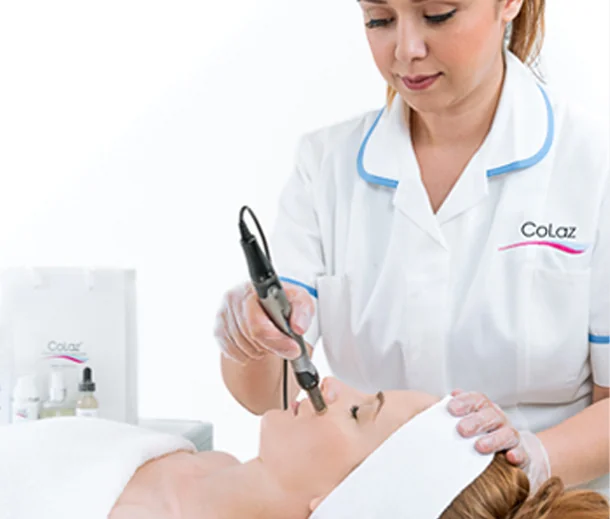 01 · First-line Dermapen Microneedling Dermapen microneedling creates controlled microchannels through the upper skin, triggering collagen and elastin remodelling exactly where the scaffold collapsed. A course of four to six sessions four weeks apart delivers visible smoothing for rolling and boxcar scars. Best for: rolling scars, boxcar scars, overall texture From £149 View treatment
 -
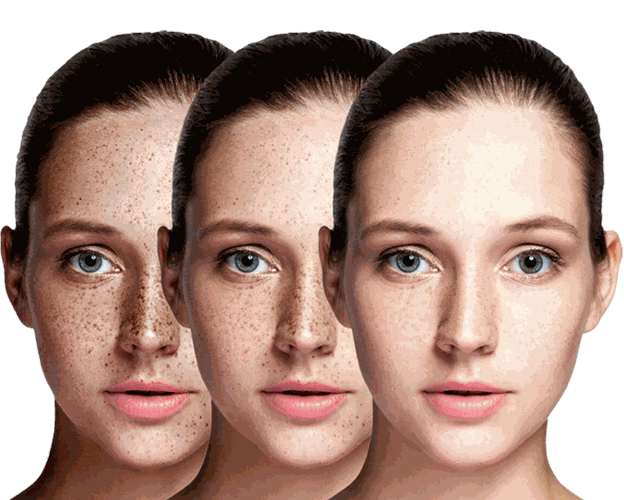 02 · Laser resurfacing PICO Laser Treatment PICO laser uses ultra-short pulses to fragment pigment particles and remodel collagen at depth without heating the surrounding skin. Particularly strong on post-inflammatory pigmentation and on darker skin types where heat-based lasers would carry pigment risk. Best for: post-inflammatory pigmentation, mixed scarring, Fitzpatrick 4 to 6 From £70 View treatment
 -
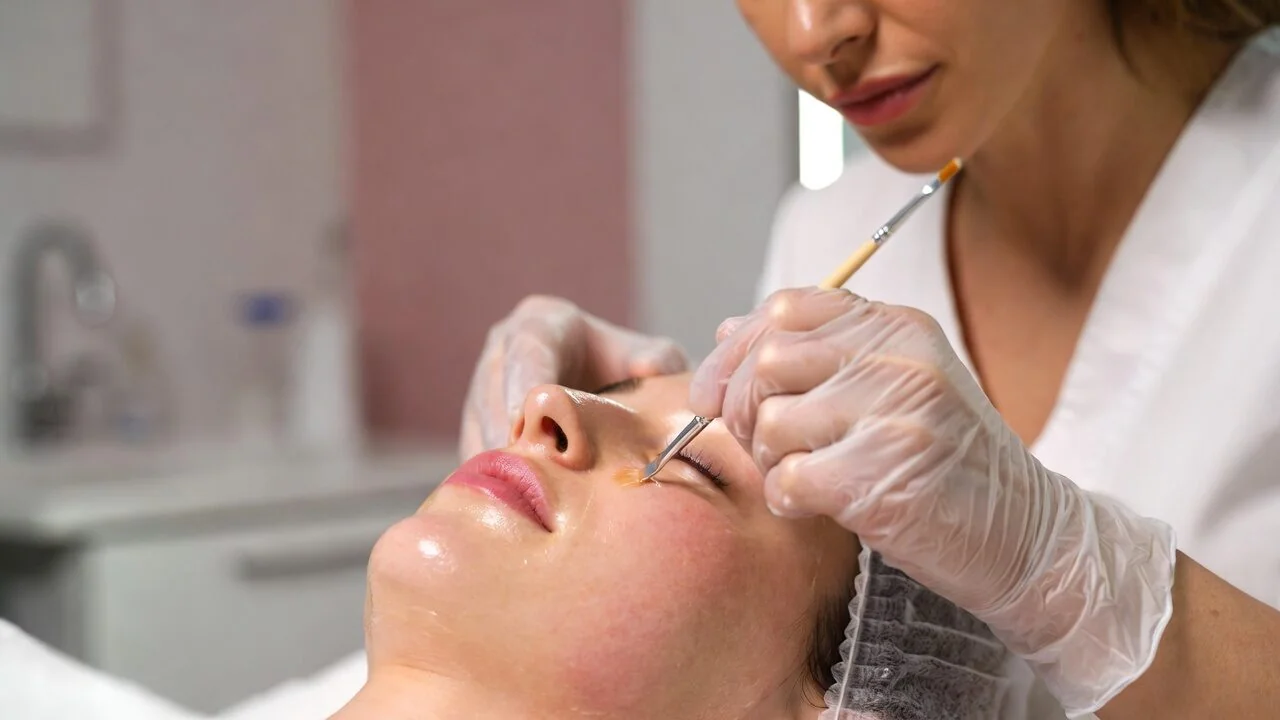 03 · Surface resurfacing Chemical Skin Peels TCA, glycolic and lactic peels resurface the upper layers, fade pigmentation and improve overall tone between deeper sessions. Often layered into a microneedling course rather than used alone. Best for: uneven tone, surface scarring, post-inflammatory pigmentation From £99 View treatment
 -
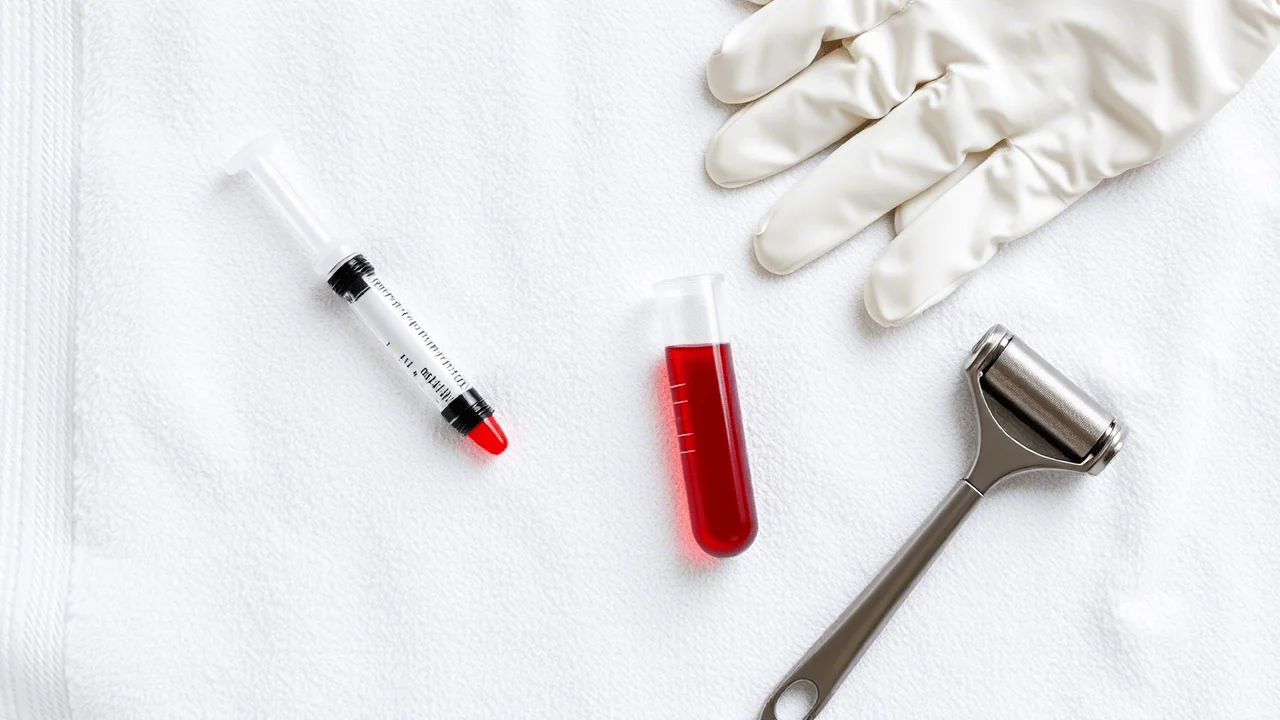 04 · Healing support PRP Face Platelet-rich plasma drawn from your own blood is applied during a microneedling session to accelerate healing and add growth factors that support collagen remodelling. Common for patients who scar slowly or have stubborn texture. Best for: slow-healing skin, mature scarring, combined with Dermapen From £375 View treatment
How we approach it
A structured course, sequenced after the active phase.
- Phase 1
Map the scarring
We photograph and grade the scarring at consultation, ice-pick versus rolling versus boxcar, depth, pigmentation pattern, Fitzpatrick type. The course is then built around the dominant scar type. Mixed scarring almost always needs a combination of treatments rather than one modality.
- Phase 2
Course and maintenance
Most courses run four to six sessions spaced four weeks apart, with the collagen result continuing to build for three to six months after the final session. Maintenance sessions every six to twelve months keep the result stable. Strict daily SPF 50 is non-negotiable, sun exposure deepens post-inflammatory pigmentation faster than any treatment can clear it.
At home
What you can do alongside your plan
- Wear SPF 50 every morning year-round, UV exposure is the single biggest driver of stubborn post-inflammatory pigmentation
- Pause active home retinoids for seven days before and after each in-clinic session unless your clinician has agreed otherwise
- Avoid picking active spots, every pick deepens the scar that follows; ice or a hydrocolloid patch instead
- Use a barrier-supporting moisturiser between sessions; healing collagen needs a calm, hydrated environment
- Allow the full course to complete before judging the result, collagen remodelling continues for three to six months after the last session
Scarring is what most patients are still upset about long after the acne itself has gone. The fix takes patience, but it works, and it is worth being honest at consultation about how many sessions and how many months.
Common questions
About acne scarring treatment
Something else? Message your nearest clinic and a clinician will answer.
What kinds of acne scars can be treated at CoLaz?
We treat all three common atrophic scar types, ice-pick (narrow, deep), rolling (wider, undulating depressions) and boxcar (sharper edges, shallower base). We also treat post-inflammatory hyperpigmentation, the brown or darker marks left after a spot has healed. Hypertrophic and keloid scars (raised, thickened scarring) are less common with acne and need a different approach; we will be honest at consultation if a referral elsewhere is more appropriate.
Which treatment is best for my scarring?
It depends on the scar type, your skin type and how aggressive the scarring is. Rolling and boxcar scars respond best to Dermapen microneedling, often combined with PRP for slow healers. Post-inflammatory pigmentation responds best to PICO laser plus a course of brightening peels, especially on Fitzpatrick 4-6 skin where heat-based lasers carry pigment risk. Mixed scarring almost always benefits from a combination. The plan is agreed at consultation with photographs and a written course outline.
Will my scarring be completely gone after treatment?
Honestly, no, a full course typically delivers a meaningful, visible reduction rather than a complete erasure, especially for deeper ice-pick scarring. Most patients see a 40-70 per cent improvement across a four-to-six-session course, with the result continuing to build for three to six months afterwards. Maintenance sessions hold the result. We talk through realistic expectations at consultation so there are no surprises.
Can I have scarring treatment while I still have active acne?
We do not treat scarring while active inflammatory acne is still flaring. Microneedling and resurfacing peels on active acne can spread bacteria, aggravate inflammation and worsen the scarring you are trying to fix. We start the scarring course once the active phase has been controlled, usually after a structured acne plan with Acnelan or LED light therapy.
How long until I see results from acne scarring treatment?
Some surface smoothing is visible after the first one to two sessions, particularly for rolling scars. The most meaningful change builds across the full course, typically by sessions four to six, and the collagen result continues to mature for three to six months after the final session. Photographs taken at the start are reviewed at each session so progress is tracked objectively rather than estimated.
How much does acne scarring treatment cost at CoLaz?
Pricing depends on which treatments are matched to your plan. Dermapen microneedling is sold per session with discounts on a course of three; PICO laser is sold per area; chemical peels and PRP are sold per session. The full course price is agreed in writing at your free consultation before the first session is booked, and there are no upsells in the chair.
Will scarring treatment cause more pigmentation on my skin tone?
Post-inflammatory hyperpigmentation is a real risk on darker skin, which is why we tune the protocol to your Fitzpatrick type and use PICO laser rather than heat-based laser for higher-melanin skin. We always run a test patch on Fitzpatrick 4-6 patients before a full session, agree the energy settings conservatively at the start, and reinforce strict SPF 50 daily for the duration of the course. With those guardrails the pigmentation risk is low and the result is consistent.
Our locations
Find your nearest CoLaz
-
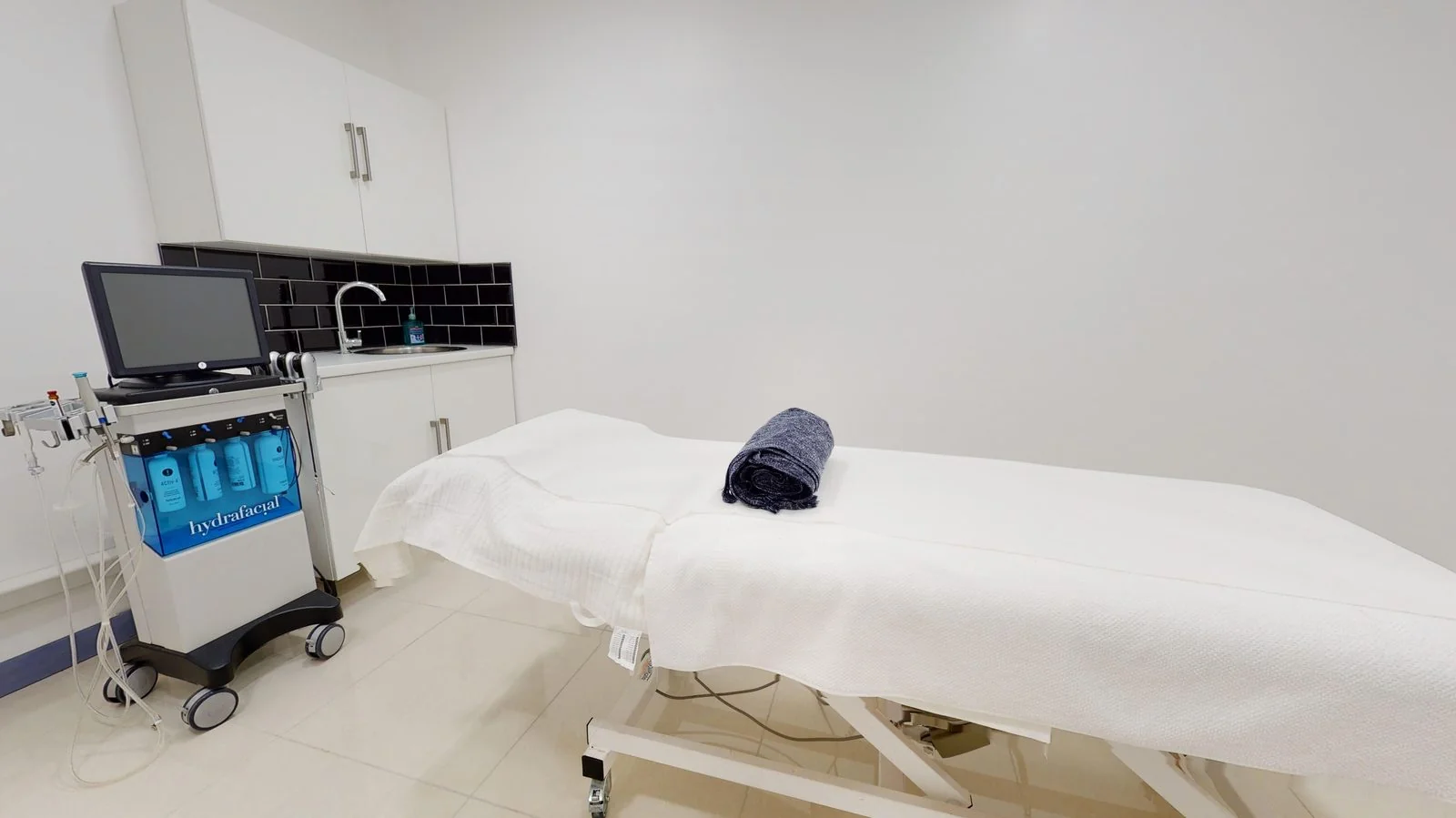 CoLaz Derby 21-23 Pear Tree Road, Derby DE23 6PZ View clinic
 -
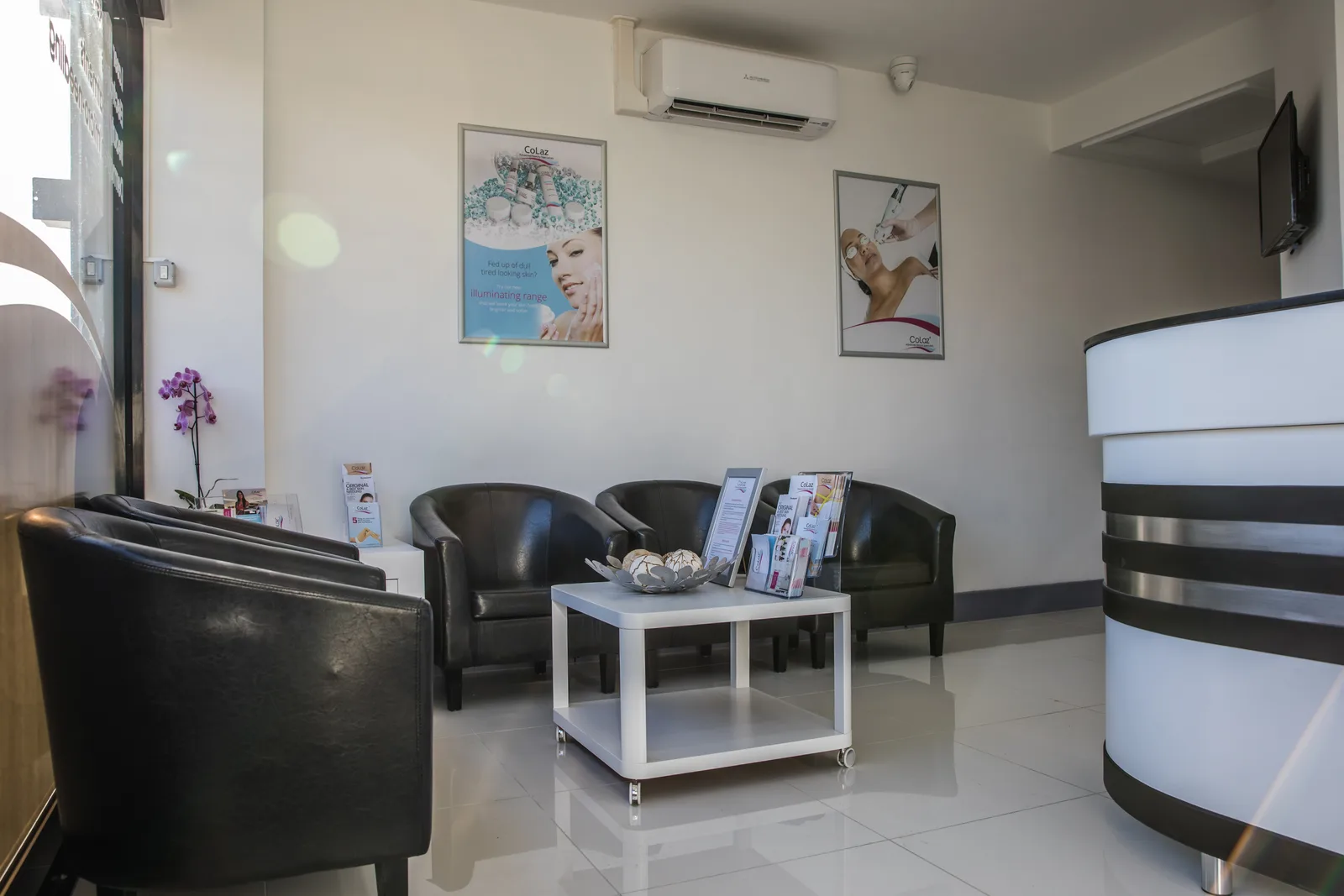 CoLaz Wembley 17 Wembley Hill Road, Wembley HA9 8AF View clinic
 -
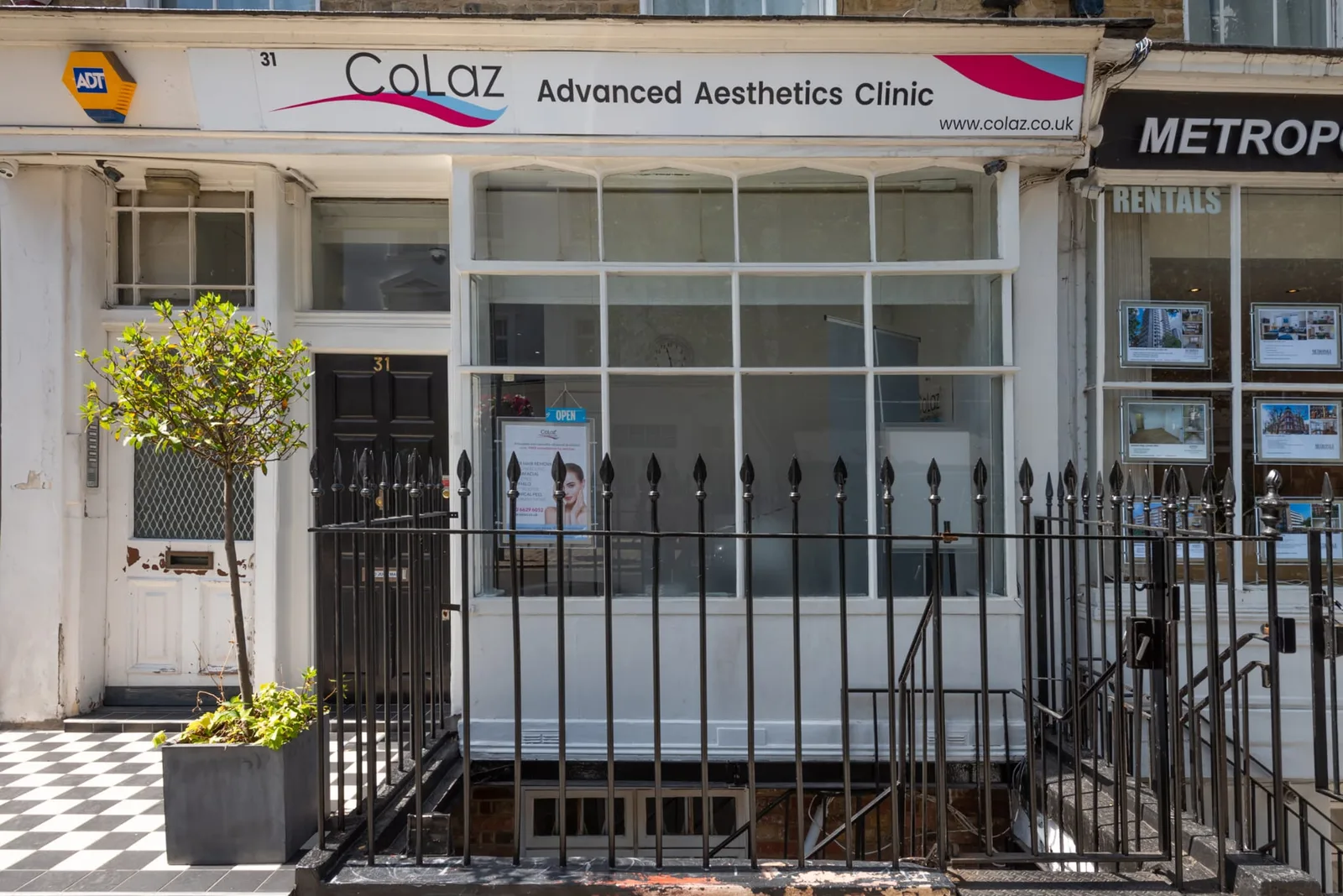 CoLaz London Paddington 31 Southwick Street, London W2 1JQ View clinic
 -
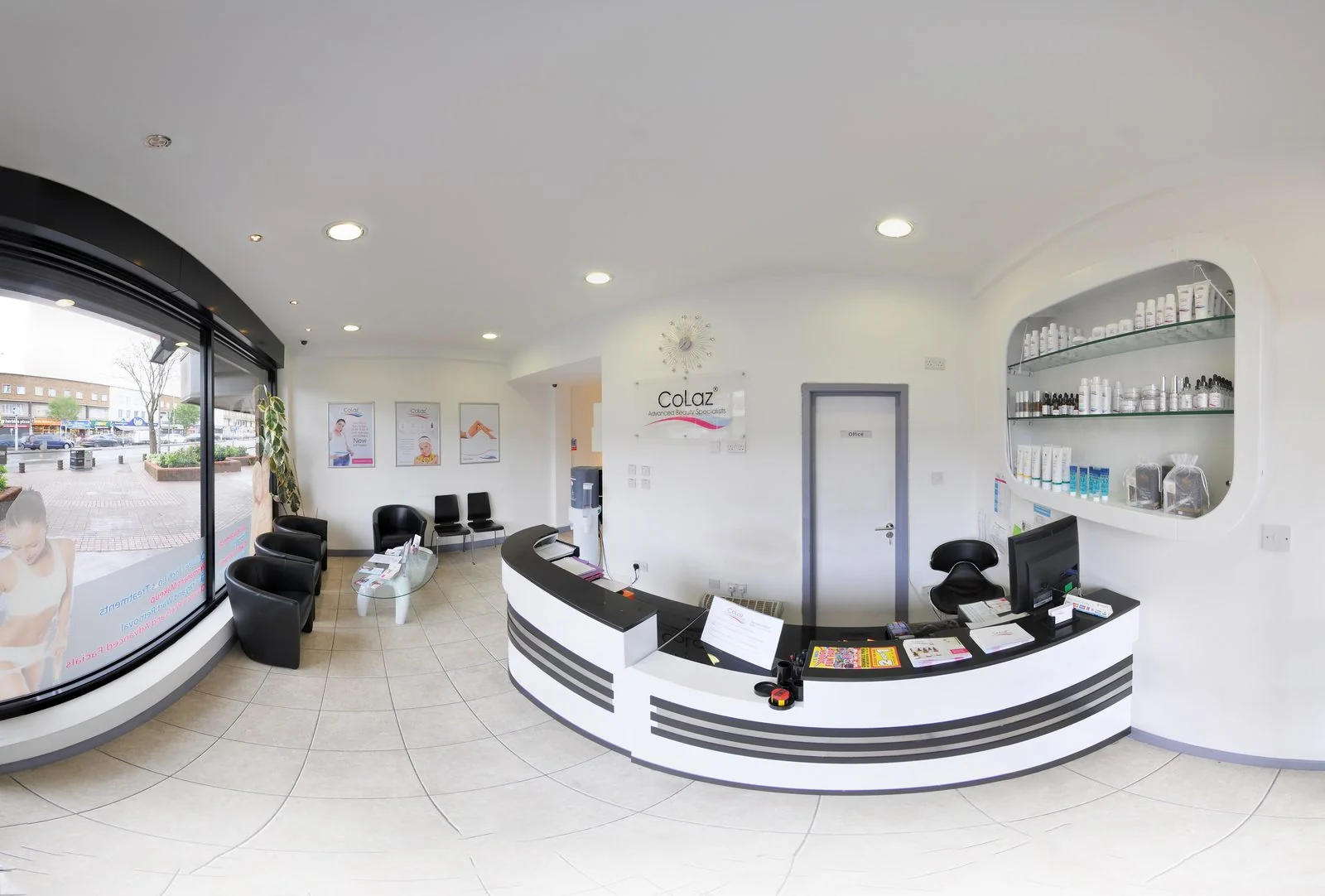 CoLaz Slough 183 Farnham Road, Slough SL1 4XP View clinic
 -
 CoLaz Reading 292 Oxford Road, Reading RG30 1AD View clinic
 -
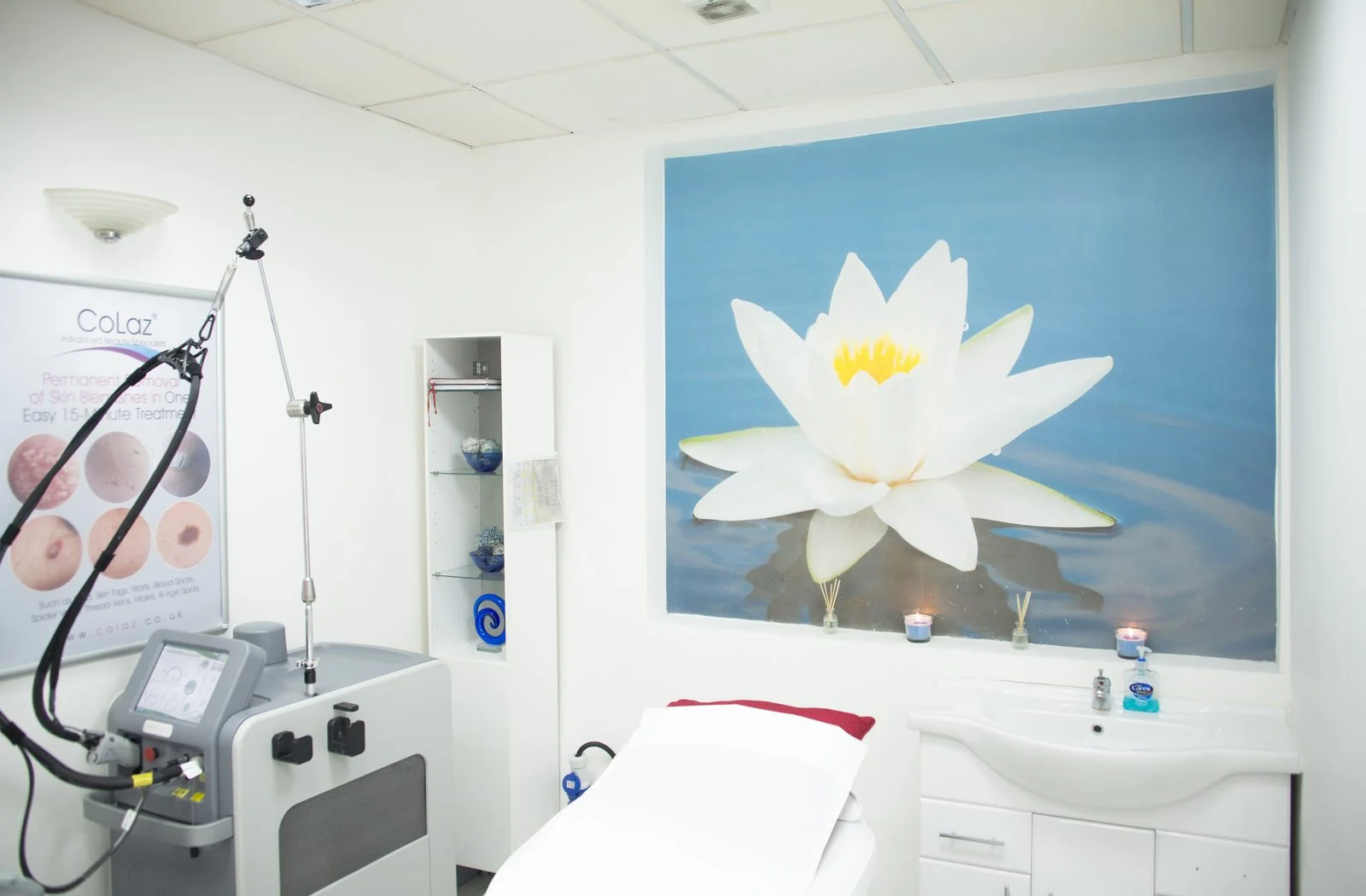 CoLaz Southall 247 The Broadway, Southall UB1 1NF View clinic
 -
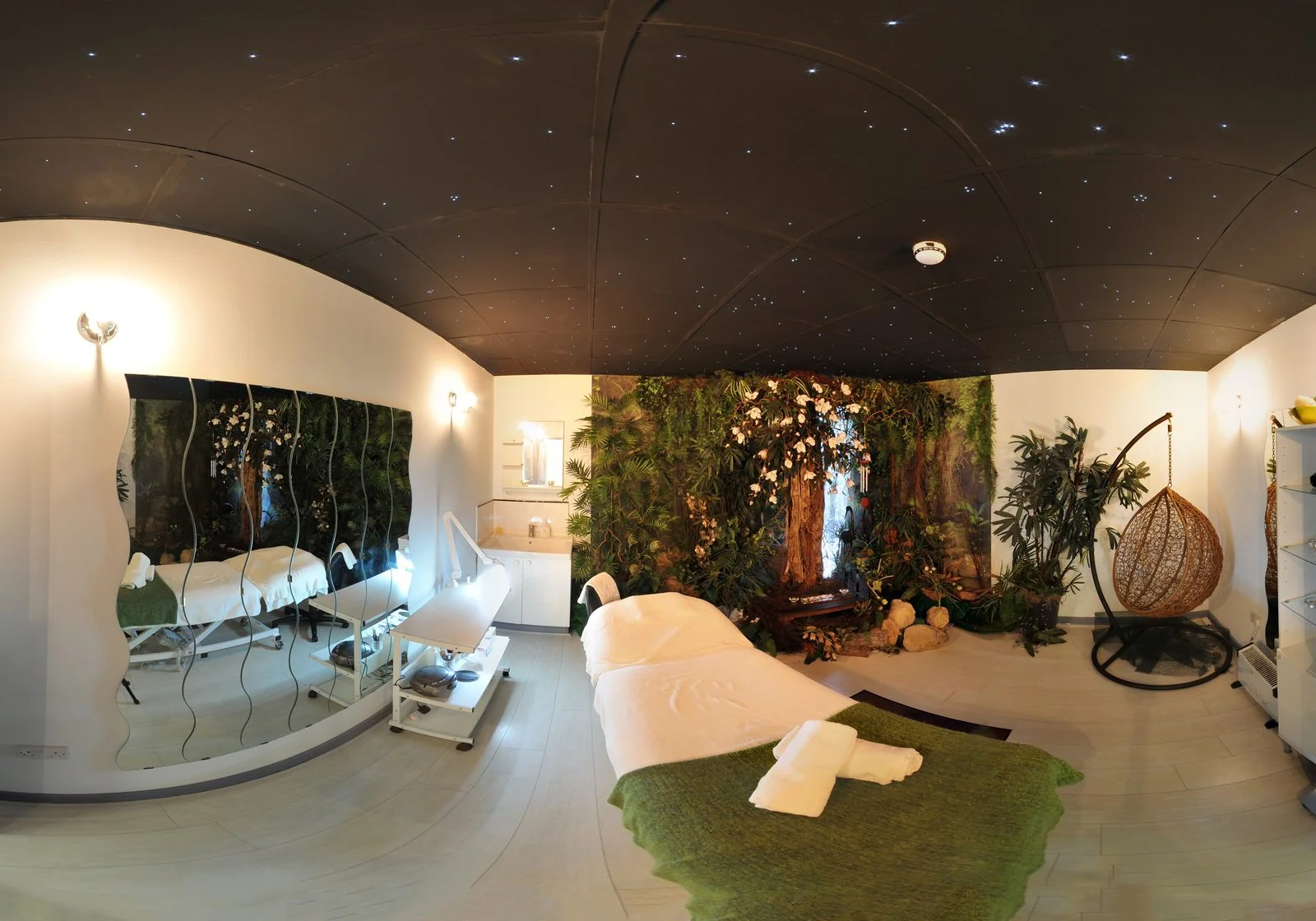 CoLaz Hounslow 435-437 Great West Road, Hounslow TW5 0BY View clinic
 - Not sure which is nearest? Maps, opening hours and directions for all seven clinics. All clinics
Bring your skin in, we will match the plan
The first consultation is free and there is no obligation to book. We look at your skin, your history and your home routine before recommending anything.