
Skin rejuvenation
PRP face treatment at CoLaz clinics
PRP at CoLaz uses your own blood to regenerate your skin. A small sample is drawn, spun in a centrifuge to isolate the platelet-rich layer, then injected back into the face to stimulate collagen, brighten tone and improve texture.
Good for
Who books PRP Face
- Dull, tired-looking skin needing a fresh natural glow
- Fine lines, early ageing and loss of firmness across the face
- Acne scarring, post-inflammatory pigmentation and uneven texture
- Dark under-eye circles caused by poor skin quality
- Patients wanting a regenerative result using only their own biology
- Anyone seeking an alternative to filler or biostimulators
What to expect
From your first consultation onwards
- 01
Free consultation and medical assessment, £30 to £50 depending on tier, before any treatment is booked
- 02
Small blood sample drawn from the arm, similar to a routine blood test
- 03
Sample placed in a centrifuge for ten minutes to separate the platelet-rich plasma layer
- 04
Skin cleansed and a topical numbing cream applied for fifteen to twenty minutes
- 05
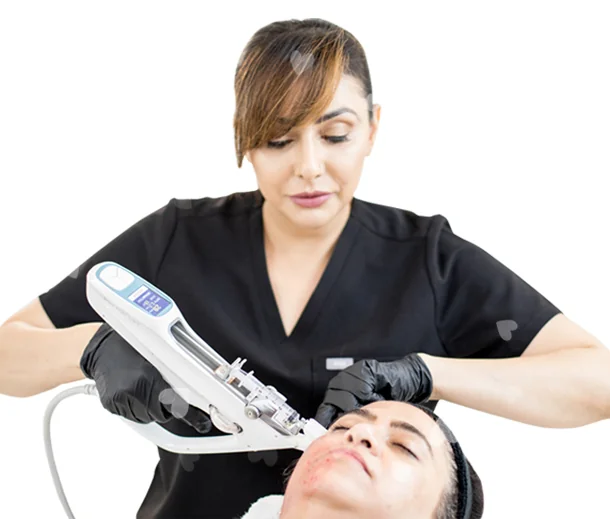
PRP injected across the face in a grid pattern, or rolled in with microneedling depending on protocol
- 06
Cooling and a barrier cream applied in clinic, with written aftercare confirmed before you leave
PRP, Platelet-Rich Plasma, uses your own blood to regenerate your skin. A small sample is drawn, spun in a centrifuge to isolate the platelet-rich layer, then placed back into the face through fine micro-injections or microneedling channels. Growth factors in the plasma signal your fibroblasts to lay down fresh collagen and elastin, brightening tone and improving texture over a course. From £375 per single face session on the therapist tier across our UK clinics.
How PRP actually works
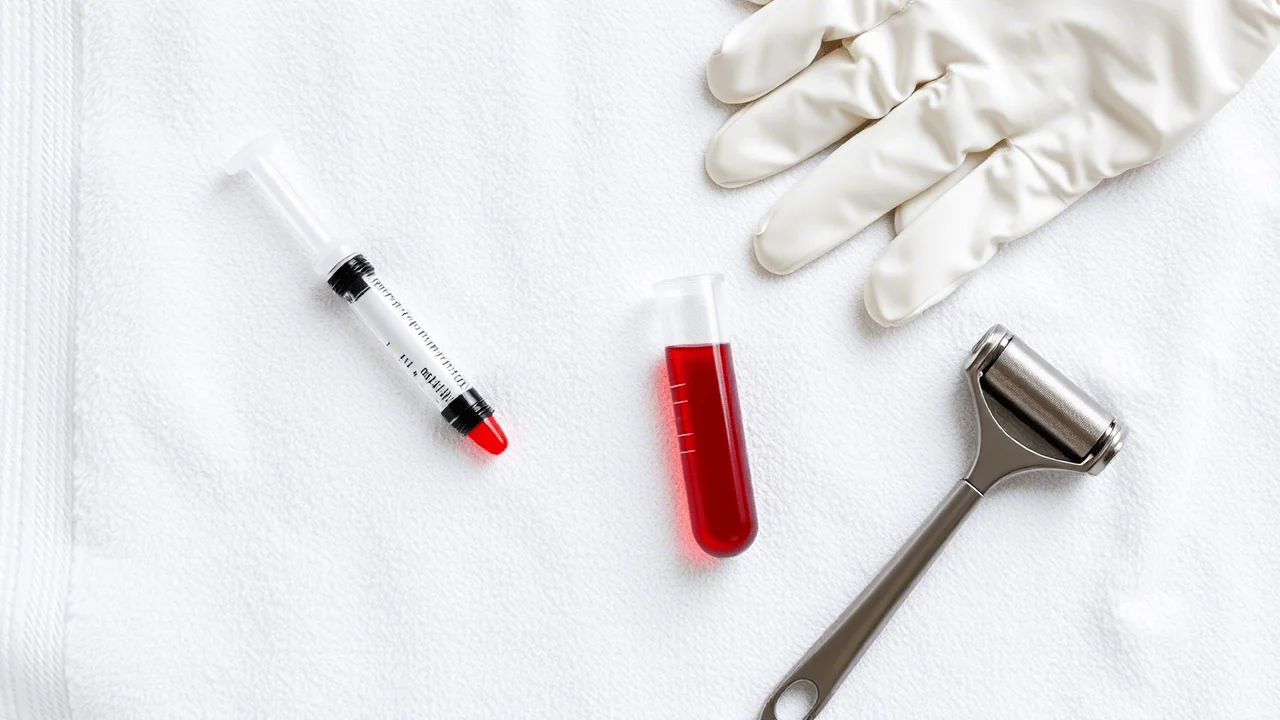
PRP starts with a small blood draw from your arm, similar to a routine blood test, around ten to twenty millilitres. The sample is placed in a centrifuge for ten minutes, which separates it into layers by density. The middle layer, the platelet-rich plasma, is drawn off into a syringe.
This plasma is highly concentrated with growth factors, the signalling molecules your body uses to heal wounds and remodel tissue. When injected back into the dermis, these growth factors instruct local fibroblasts to produce fresh collagen and elastin, brighten the surrounding tissue and improve overall skin quality.
Because the product is made from your own blood, there is no risk of allergic reaction and nothing foreign in the body. The result is a regenerative improvement in skin quality rather than added volume or surface change; it is your skin made better by your own biology.
What PRP is best for
The classic PRP candidate has dull, tired, slightly aged skin that no single concern explains. They have a good skincare routine, perhaps a regular Hydrafacial, but want the next level of improvement that surface treatments cannot deliver. PRP suits them because it works on the skin from within rather than on top.
It also works well on fine lines, loss of firmness, acne scarring and uneven texture. The under-eye area, where thin skin contributes to dark circles, often responds particularly well to a focused PRP protocol. Patients with sensitivity to fillers or biostimulators sometimes choose PRP because the product is their own biology.
PRP is not a volume treatment. Where volume loss is the real concern, dermal filler or biostimulators such as Sunekos will give a better result. At consultation we examine the face honestly and recommend the right tool rather than the busiest one.
After your PRP
Expect mild swelling, redness and possible pinpoint bruising for one to two days, particularly around the eyes and forehead. Most patients return to work the next day with light makeup once twelve hours have passed. There is no flaking, no peeling and no significant downtime.
No touching, rubbing or massaging the area for twenty-four hours. Sleep on a clean pillowcase that first night to reduce the small risk of infection at the injection points. Saunas, steam rooms, sunbeds, swimming pools and intense exercise are out for forty-eight hours. SPF 50 every morning for two weeks while the skin rebuilds.
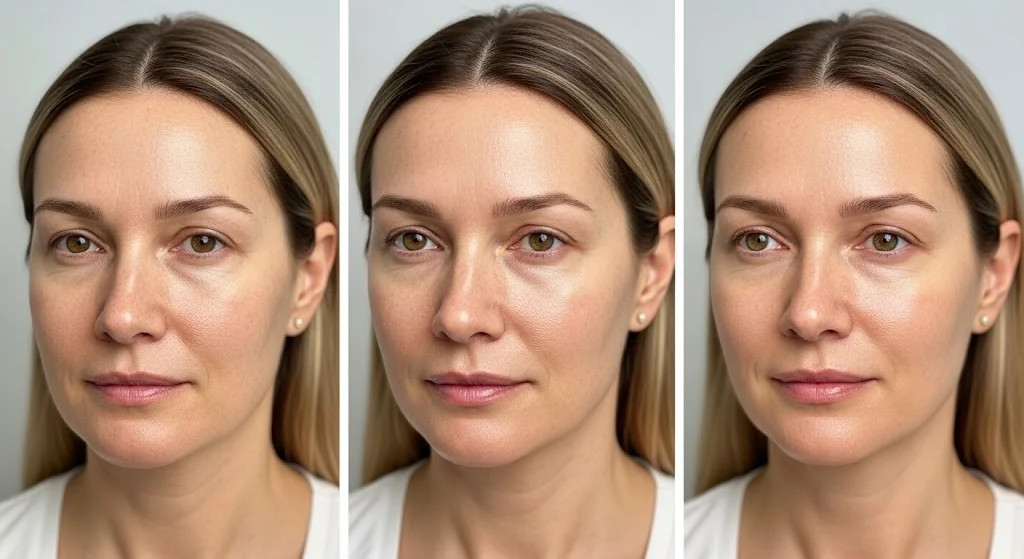
An early glow appears within a week as the initial inflammation settles. The structural improvement, firmer, brighter, better-quality skin, builds over four to eight weeks as new collagen develops. Most patients book the course of three for the strongest result, then maintenance every six to twelve months.
Available across selected CoLaz clinics
Prp face is delivered at our CoLaz Wembley, Slough, Reading, Southall and Hounslow clinics by qualified clinicians. Use the clinic finder to choose the location that suits your postcode and schedule, or send a WhatsApp message, most clinics reply within five minutes during opening hours.
Often considered alongside
Patients booking PRP face often consider microneedling on its own or combined with PRP for surface renewal, Sunekos for amino-acid skin boosting as a complement to PRP, salmon DNA polynucleotide for a regenerative alternative when blood draw is not preferred, and PRP hair loss for patients addressing both skin and scalp in the same protocol.
Common questions
What patients ask first
Something else? Message your nearest clinic and a clinician will answer.
What is PRP and how does it work?
PRP stands for Platelet-Rich Plasma. A small sample of your blood is drawn, then spun in a centrifuge to separate it into layers. The platelet-rich plasma layer, concentrated with growth factors that your body uses for healing, is drawn off and injected back into the skin. Once in the dermis, these growth factors signal fibroblasts to produce new collagen and elastin, accelerate tissue repair and improve overall skin quality. Because the product is your own biology, there is no risk of allergic reaction.
What can PRP face treat?
PRP is excellent for overall skin quality, the dull, tired, slightly aged look that no single concern explains. It also works on fine lines, loss of firmness, acne scarring, post-inflammatory pigmentation and uneven texture. The under-eye area, where the thin skin contributes to dark circles, often responds particularly well. PRP is not a volume treatment and will not replace filler where filler is needed; at consultation we are clear about which approach is right for your concern.
How is PRP combined with microneedling?
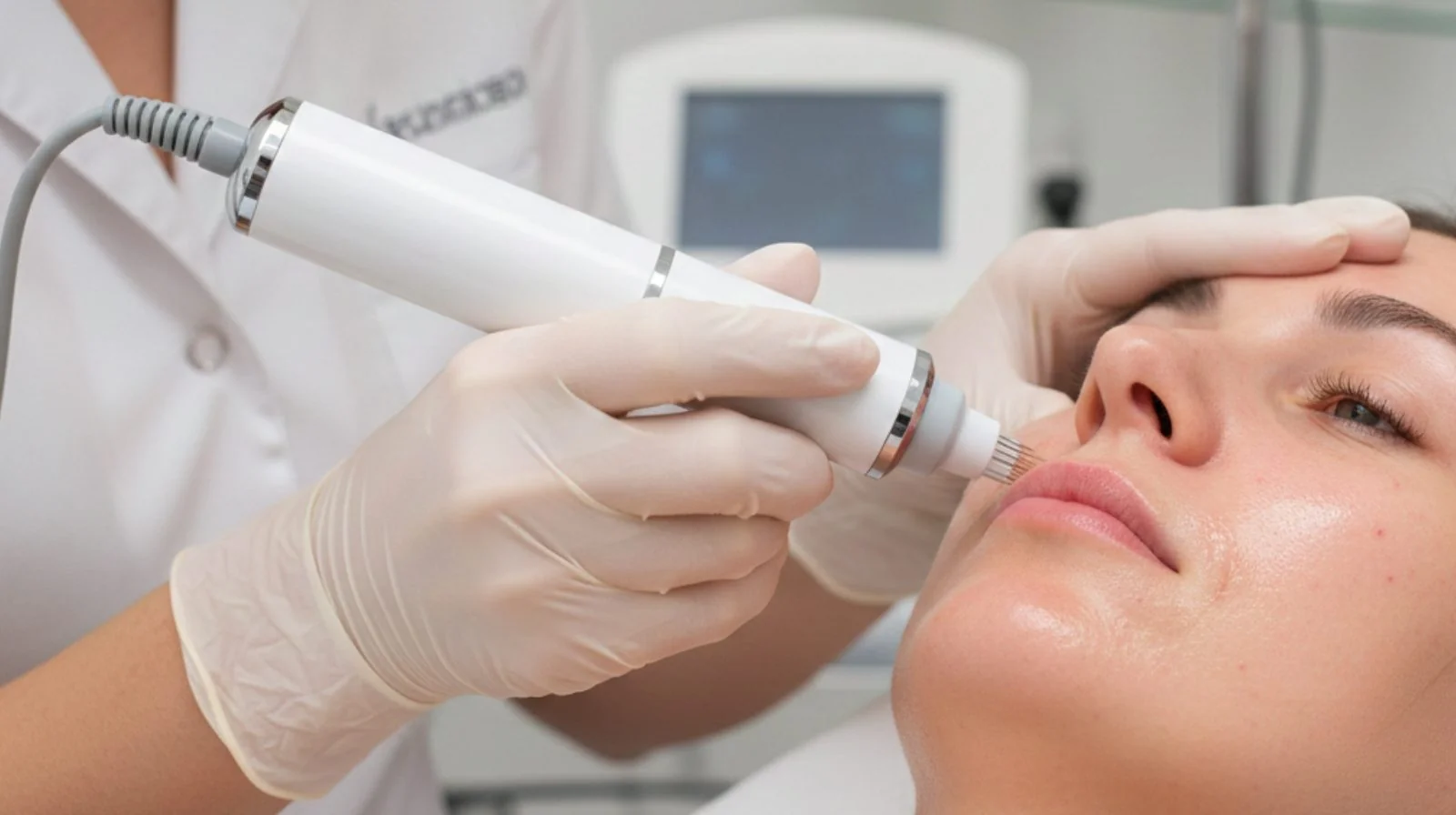
PRP can be delivered in two ways. Injected PRP places the plasma into the dermis directly through micro-injections in a grid pattern across the face, giving the strongest, deepest result. PRP plus microneedling rolls the plasma in through hundreds of tiny channels created by a microneedling device, giving a broader, gentler result with more surface renewal. The right protocol for your skin is agreed at consultation.
How many PRP sessions will I need?
A standard course is three sessions spaced four weeks apart. The first session begins the regeneration; the second and third sessions amplify and sustain the result. Maintenance sessions every six to twelve months are recommended once the initial course is complete. Single sessions give a noticeable glow but the structural improvement, the reason most patients book PRP, comes from completing the course.
Is there downtime after PRP?
Downtime is minimal. Expect mild swelling, redness and possible pinpoint bruising for one to two days. Most patients return to work the next day with light makeup once twelve hours have passed. Saunas, steam rooms, sunbeds and intense exercise are out for forty-eight hours. Sleeping on a clean pillowcase the first night reduces the small risk of infection at the injection points.
Who should not have PRP?
We do not treat patients who are pregnant or breastfeeding, who have blood disorders or are on blood-thinning medication without prior medical clearance, who have an active skin infection or cold sore in the treatment area, who have a history of keloid scarring, or who have certain auto-immune or chronic liver conditions. Medical history is reviewed in detail at the paid consultation before any treatment is booked.
How much does PRP face cost at CoLaz?
PRP face is offered on therapist and doctor or nurse tiers. Therapist face only is £375 single, £999 for a course of three. Therapist face and neck is £450 single, £1,100 for a course of three. Doctor or nurse face only is £450 single. Doctor or nurse face and neck is £550 single, £1,399 for a course of three. A consultation is required, £30 on the therapist tier and £50 on the doctor or nurse tier, before any session is booked.
Is a PRP facial the same as a vampire facial?
Yes, the vampire facial is simply a popular nickname for PRP applied to the face. PRP stands for platelet-rich plasma, which is prepared from a small sample of your own blood and then applied or injected into the skin, often alongside microneedling. The platelets release growth factors that stimulate collagen and help refresh tone and texture. The treatment, the science and the results are the same whichever name you have seen, and we are happy to explain the full process at your free consultation.
How long do PRP face results last?
PRP works gradually as your skin builds new collagen, so the freshest results tend to show a few weeks after a course and can last around twelve to eighteen months, depending on your skin, age and lifestyle. Because it uses your own platelets to stimulate natural renewal rather than adding a filler, the effect is a gradual improvement in skin quality rather than an instant change. Most people have an initial course of three sessions and then a maintenance treatment once or twice a year to keep the results topped up.
Is PRP better than Botox or dermal fillers?
They do different jobs, so it is less about better and more about the right tool. PRP improves overall skin quality, tone and texture by stimulating your own collagen, and it works well on areas such as the under-eyes and the general freshness of the skin. Anti-wrinkle injections relax the muscles that cause expression lines, while dermal fillers restore lost volume and structure. Many people combine them for a fuller result. We assess your skin and goals at consultation and recommend the approach, or combination, that suits you.
Where to book
Available at five of our UK clinics
-
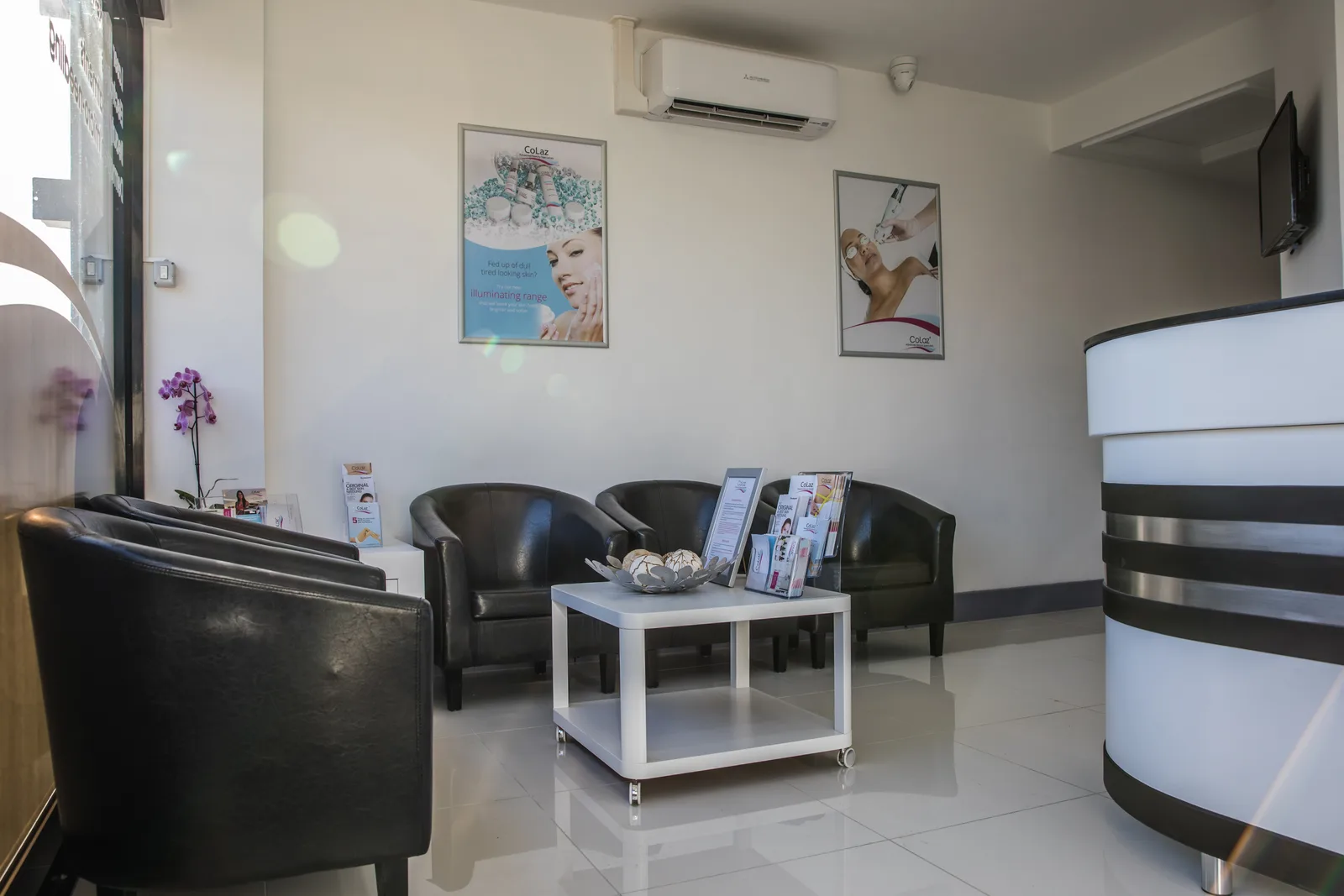 CoLaz Wembley 17 Wembley Hill Road, Wembley HA9 8AF PRP Face in this clinic (PRP Face in Wembley)
 -
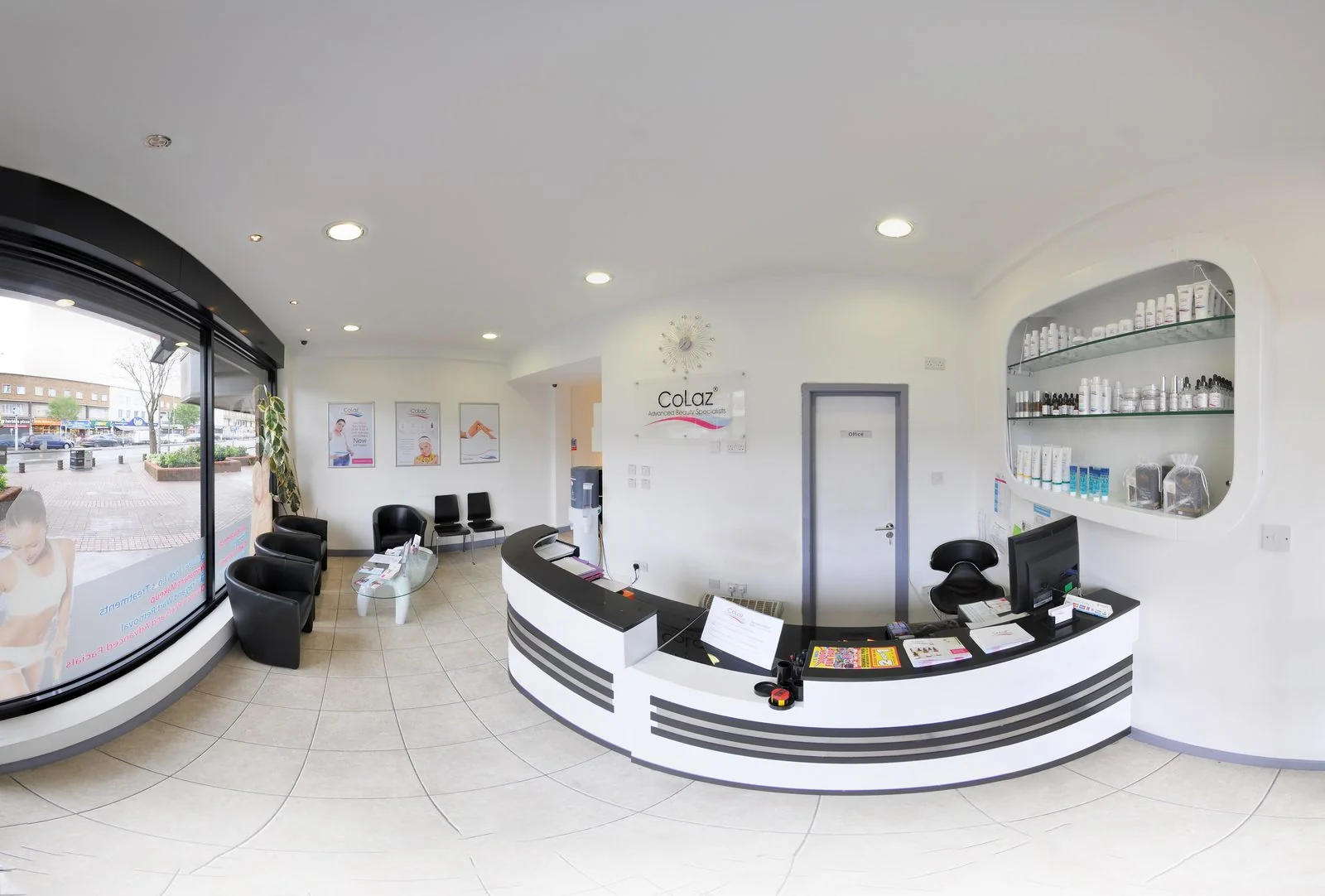 CoLaz Slough 183 Farnham Road, Slough SL1 4XP PRP Face in this clinic (PRP Face in Slough)
 -
 CoLaz Reading 292 Oxford Road, Reading RG30 1AD PRP Face in this clinic (PRP Face in Reading)
 -
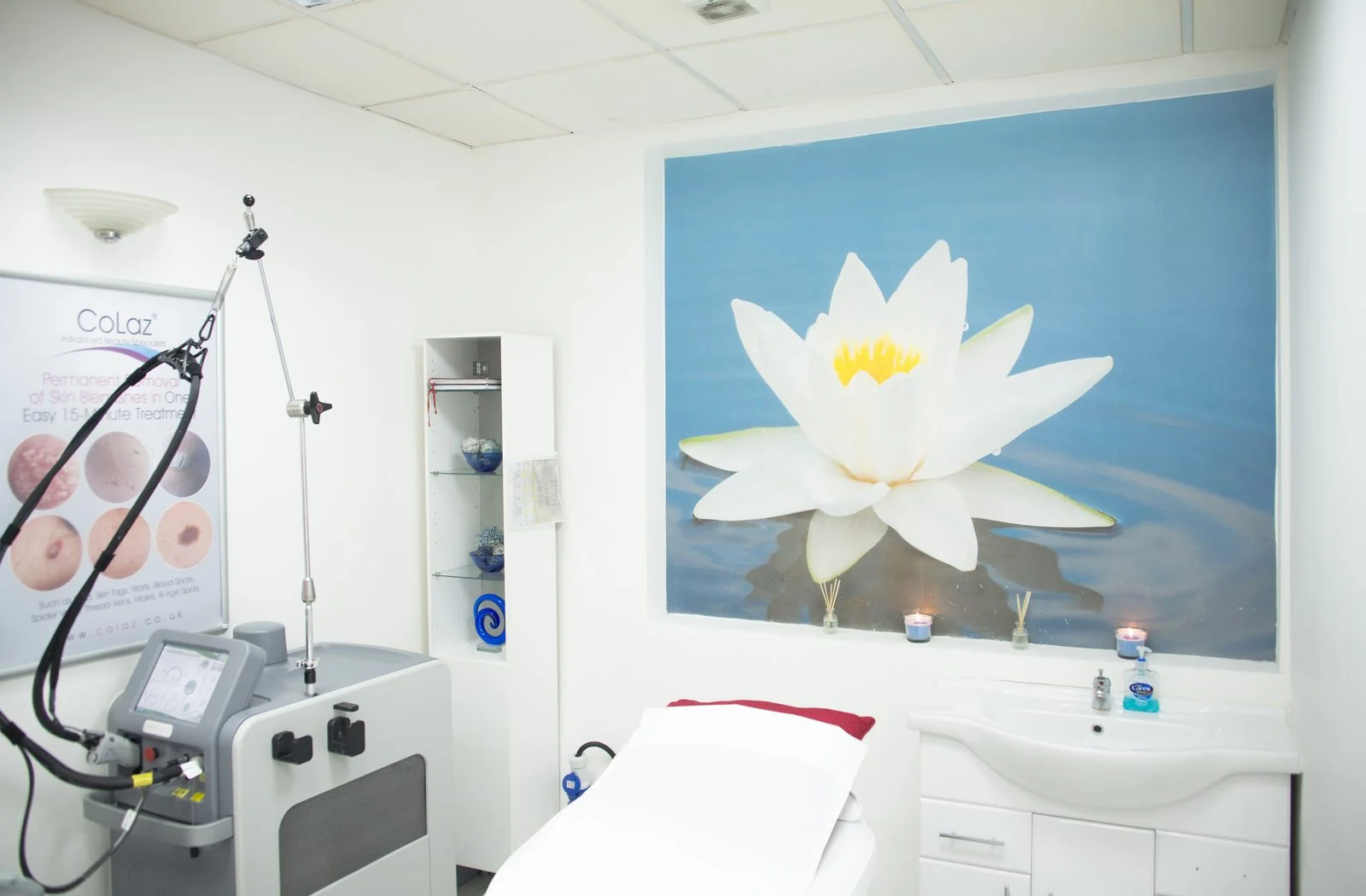 CoLaz Southall 247 The Broadway, Southall UB1 1NF PRP Face in this clinic (PRP Face in Southall)
 -
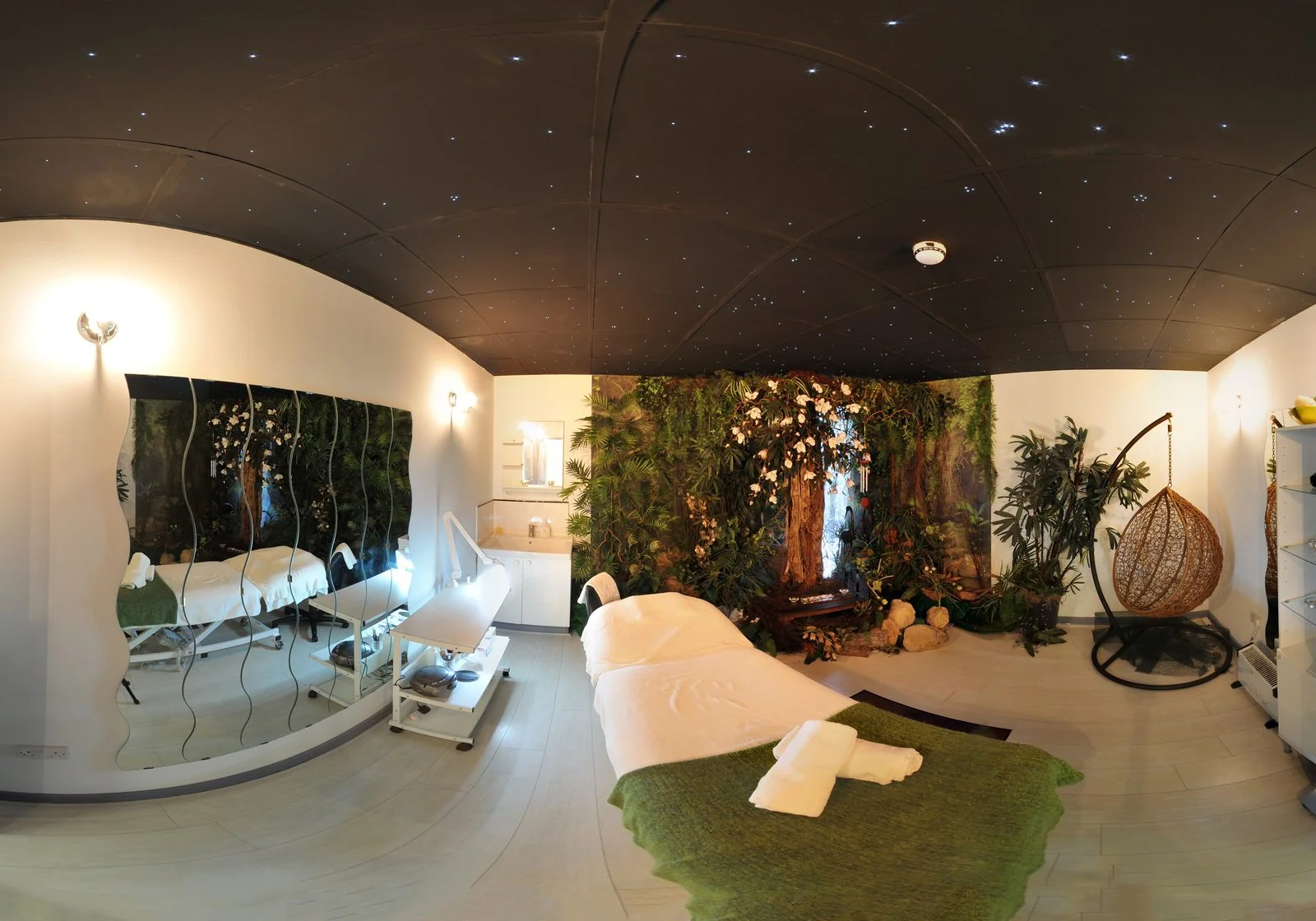 CoLaz Hounslow 435-437 Great West Road, Hounslow TW5 0BY PRP Face in this clinic (PRP Face in Hounslow)
Often considered alongside
Related treatments

From the CoLaz blog
Related reading
- 8 min read PRP face treatment (the vampire facial): what it actually does for your skin Read the article
- 8 min read Microneedling vs Dermapen: what is the difference? Read the article
- 6 min read Dermapen 0.5mm vs 1.0mm: which needle depth? Read the article
- 6 min read Is Dermapen safe with tretinoin, vitamin C and azelaic acid? Read the article
- 7 min read How often should you use a Dermapen? Safe timelines Read the article
- 8 min read PRP and autoimmune conditions: 3 inflammation risks to weigh first Read the article
Start with a free prp face consultation
Tell us what you would like to change. Your clinician will recommend a plan, confirm the price in writing and leave the booking to you.