

Skin concern
Acne
Active spots, oily skin, inflammation and congestion. We treat the cause, not the appearance, with a two-phase plan calibrated to your skin at a free consultation.
- 3Key causes
- 4Matched treatments
- 7UK clinics
The condition
What is actually happening with acne
Acne is a condition where pores become blocked by oil and dead skin cells, then colonised by Cutibacterium acnes bacteria. The result is inflammation, papules, pustules and, in more stubborn cases, cysts. It is not caused by what you eat or how often you wash your face.
It affects roughly one in five UK adults, not just teenagers, and is closely linked to hormones, stress and genetics. Untreated, it can leave behind pigmentation and scarring that lasts long after the active phase has cleared.
At CoLaz we treat acne in two phases. First, we calm the active phase using protocols suited to your skin type and the severity of the breakout. Then, where appropriate, we address scarring and pigmentation with a separate course once the skin has settled.
- 01
Excess oil
Overactive glands, often driven by hormones, produce more oil than the skin can clear, leaving it congested and prone to shine.
- 02
Blocked follicles
Oil mixes with dead skin cells and blocks the follicle, forming the blackheads and whiteheads that sit beneath the surface.
- 03
Inflammation
Bacteria thrive in blocked follicles and trigger the redness, papules and pustules of inflammatory acne, the breakouts most people want gone.
Matched to this concern
Treatments we would consider for acne
No single treatment suits everyone. Your clinician pairs the right one to your skin type, how severe it is and where it appears.
-
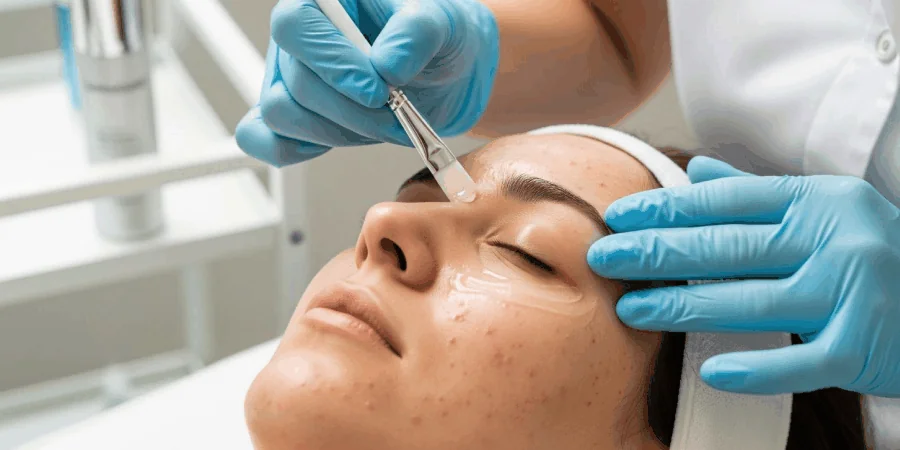 01 · First-line Acnelan (Acne Treatment) Multi-step in-clinic protocol blending a professional Mesoestetic peel with a structured home-care regime. Calms active inflammation and reduces oiliness within two to four weeks, with the full course running across four to six sessions. Best for: active acne, oily skin, congested pores Price on consultation View treatment
 -
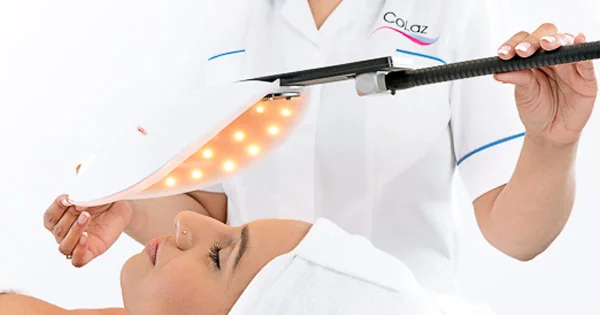 02 · Phototherapy LED Light Therapy Blue light targets the bacteria that drive inflammatory acne; red light supports healing and reduces redness between sessions. Painless, no downtime, ten to twenty minutes per session across a course of six to ten. Best for: mild to moderate inflammation, sensitive skin, patients who cannot tolerate peels From £55 View treatment
 -
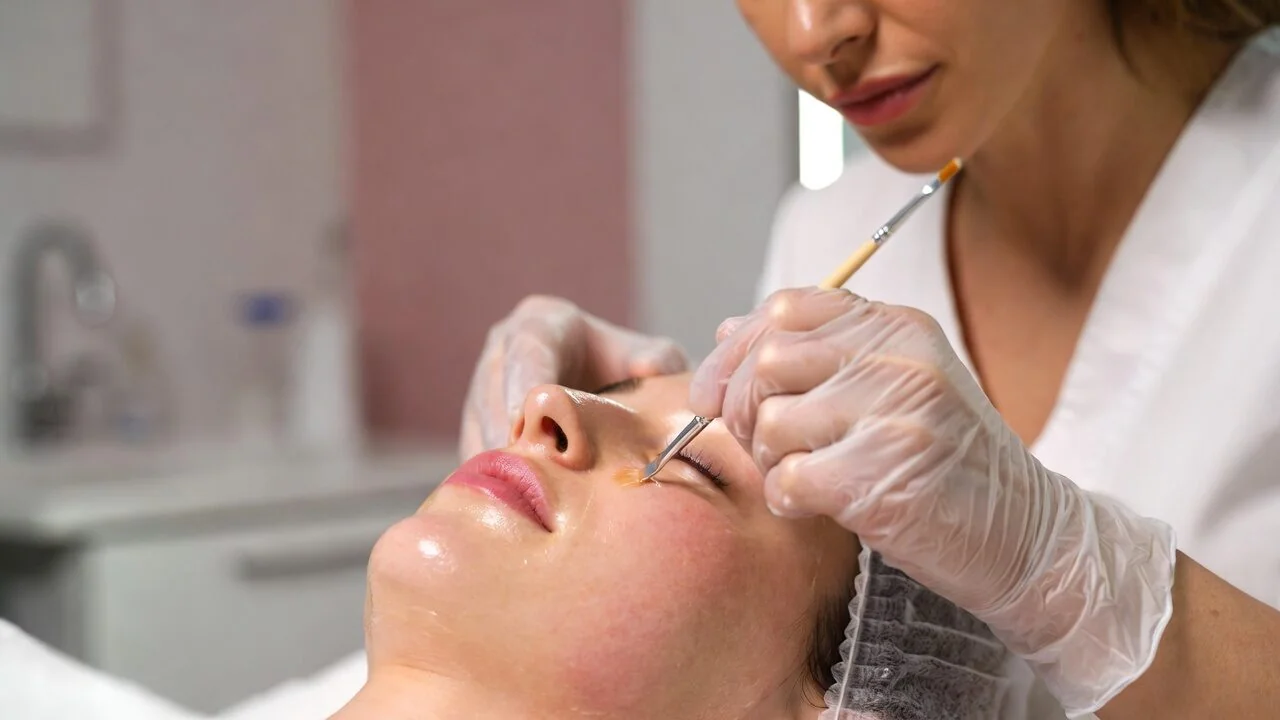 03 · Resurfacing Chemical Skin Peels Salicylic-acid peels clear stubborn congestion and the trapped sebum that fuels new spots; gentler lactic and enzymatic peels suit sensitised skin. Resurface without aggravating active inflammation. Best for: congestion, blackheads, mild scarring, uneven texture From £99 View treatment
 -
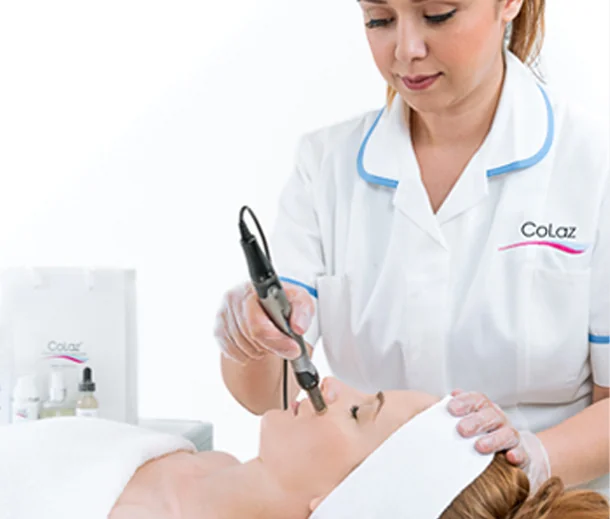 04 · Post-acne care Dermapen Microneedling Once active acne is controlled, Dermapen microneedling addresses the atrophic scarring, post-inflammatory pigmentation and uneven texture left behind. A course of three to six sessions delivers visible smoothing and tone. Best for: acne scarring, texture, post-inflammatory pigmentation From £149 View treatment
How we approach it
A two-phase plan, calibrated at the first consultation.
- Phase 1
Calm the active phase
First we assess severity, hormonal factors and skin type. We typically start with Acnelan plus LED light therapy alongside an evidence-based home regime. Six to eight weeks of in-clinic protocol normally clears or significantly reduces the active spots, oiliness and inflammation.
- Phase 2
Repair, refine, maintain
Once acne is controlled, attention shifts to scarring, pigmentation and texture. Dermapen microneedling, chemical peels and PICO laser do most of the work. Maintenance protocols and a barrier-supporting home routine keep the result stable long term.
At home
What you can do alongside your plan
- Avoid over-cleansing, twice a day with a gentle non-foaming cleanser is enough; harsh scrubs strip the barrier and trigger more oil
- Add a non-comedogenic SPF 50 every morning, sun exposure deepens post-inflammatory pigmentation more than active acne itself
- Change pillowcases twice weekly and clean phone screens daily, friction and bacterial transfer aggravate jawline and cheek breakouts
- Track hormonal patterns, flares around the menstrual cycle or after stopping the pill are common and shape the in-clinic plan
- Keep makeup minimal during the active phase and choose mineral-based, oil-free products where possible
The most damaging thing about acne is what it does to confidence. We treat the skin, but we also take the time to explain, because clarity about what is happening to your skin is half the battle.
Common questions
About acne treatment
Something else? Message your nearest clinic and a clinician will answer.
What causes acne?
Acne is driven by four factors working together: excess oil production in the sebaceous glands, abnormal shedding of skin cells inside the pore, colonisation by *Cutibacterium acnes* bacteria, and the inflammatory response your immune system mounts in reaction. Hormones, genetics and stress influence all four. Diet plays a role only at the margins, high-glycaemic foods and skimmed dairy can aggravate flares in some patients, but they are not the underlying cause.
Which acne treatment is right for me?
It depends on the type and severity of your acne, your skin type and your tolerance for downtime. Active inflammatory acne with papules and pustules usually responds best to Acnelan plus LED light therapy. Congested skin with blackheads and whiteheads suits salicylic-acid chemical peels. Scarring and post-inflammatory pigmentation left behind after active acne has cleared are addressed with Dermapen microneedling and chemical peels in a separate, later phase. We confirm the plan at your free consultation.
How long until I see results from acne treatment?
Most patients see a noticeable calming of inflammation within two to four weeks of starting the in-clinic phase, with the most meaningful change in active spots and oiliness over six to eight weeks. Scarring and texture work in phase two builds gradually across three to six months, because collagen remodelling is a slow process. Photographs are taken at the start of the course so progress can be tracked objectively rather than estimated.
Can I have acne treatment if I am on isotretinoin (Roaccutane)?
We do not deliver in-clinic acne protocols, peels or microneedling to patients currently on isotretinoin or within six months of finishing a course. Isotretinoin profoundly changes how the skin heals and reacts to active treatments. If you are on a course, finish it and wait six months before booking; we are happy to plan ahead from a consultation, and pigmentation and scarring work can be scheduled for once the wait has cleared.
Will acne treatment make my skin worse before it gets better?
Some patients experience a brief flare in the first one to two weeks as deep congestion is cleared to the surface, particularly after the first Acnelan peel. This is normal and usually settles by the second session. Mild redness, light flaking or temporary purging are expected and self-limiting. We walk you through what to expect at consultation so there are no surprises, and we adjust the protocol if your skin reacts more strongly than expected.
How much does acne treatment cost at CoLaz?
Pricing depends on which treatments are matched to your plan and how many sessions are agreed at consultation. Individual treatment prices are shown on each treatment page, for example, LED light therapy and chemical peels start from session prices, while Acnelan is sold as a structured course. The full course price is confirmed in writing at your free consultation before any session is booked. There are no upsells in the chair.
Will my acne come back after treatment?
Acne is a chronic condition, not a one-time problem. The in-clinic phase typically clears active spots and reduces oiliness substantially. Long-term control depends on maintenance, the home regime we agree with you, a barrier-supporting routine, daily SPF, and a quick top-up session every two to three months for patients with persistent oil production or hormonal patterns. We will be honest about whether your acne pattern needs ongoing maintenance or whether a single course is likely to hold.
Our locations
Find your nearest CoLaz
-
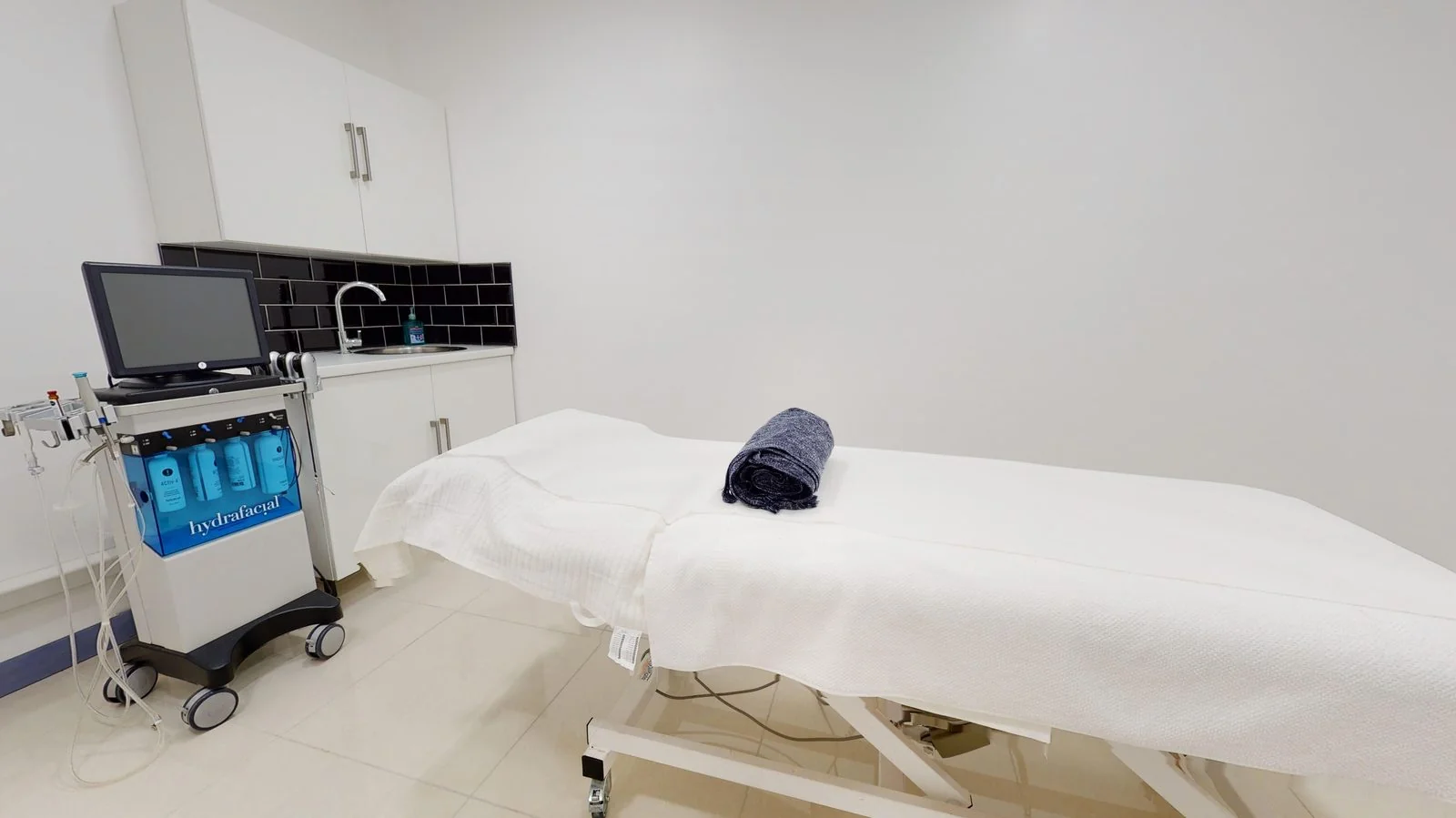 CoLaz Derby 21-23 Pear Tree Road, Derby DE23 6PZ View clinic
 -
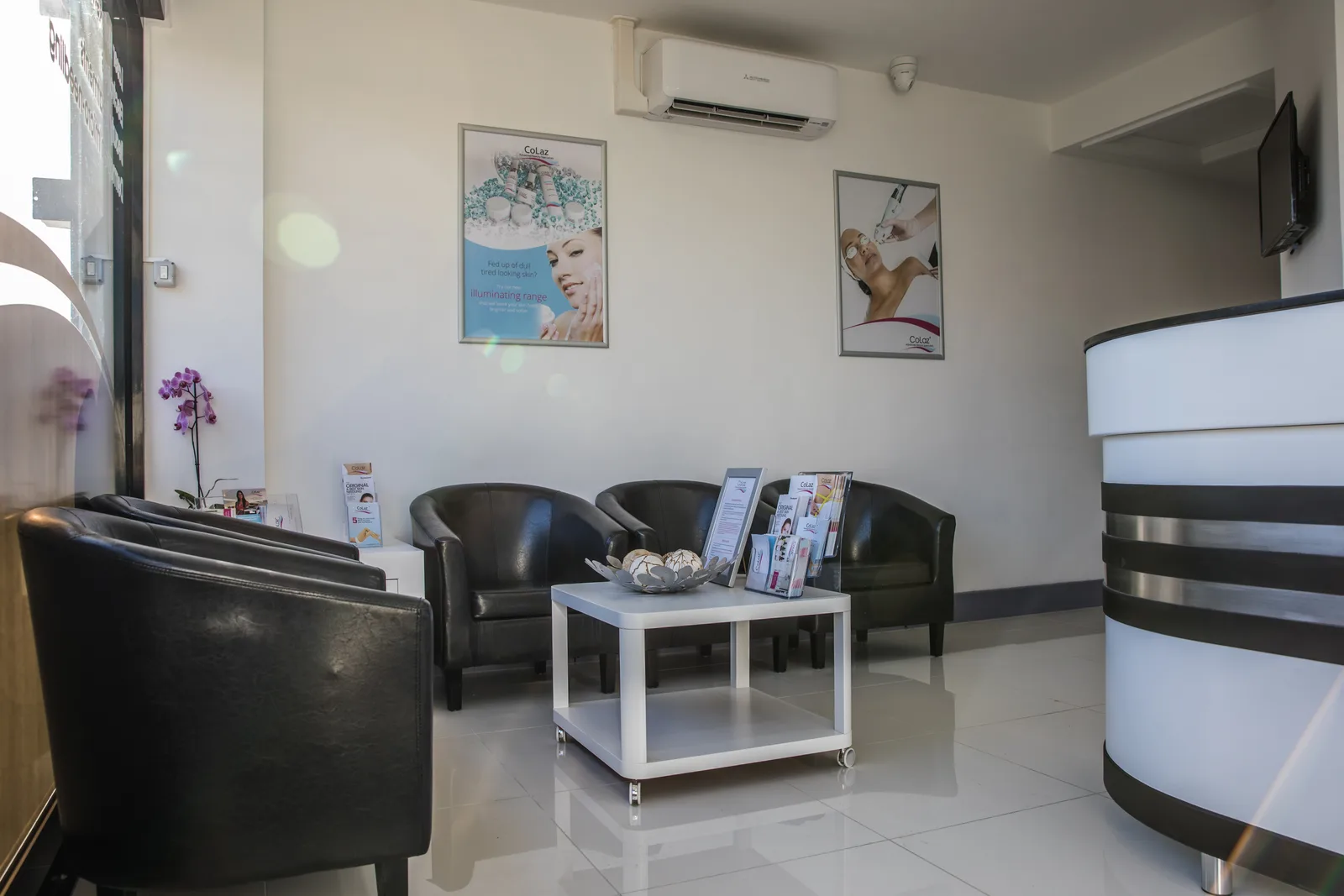 CoLaz Wembley 17 Wembley Hill Road, Wembley HA9 8AF View clinic
 -
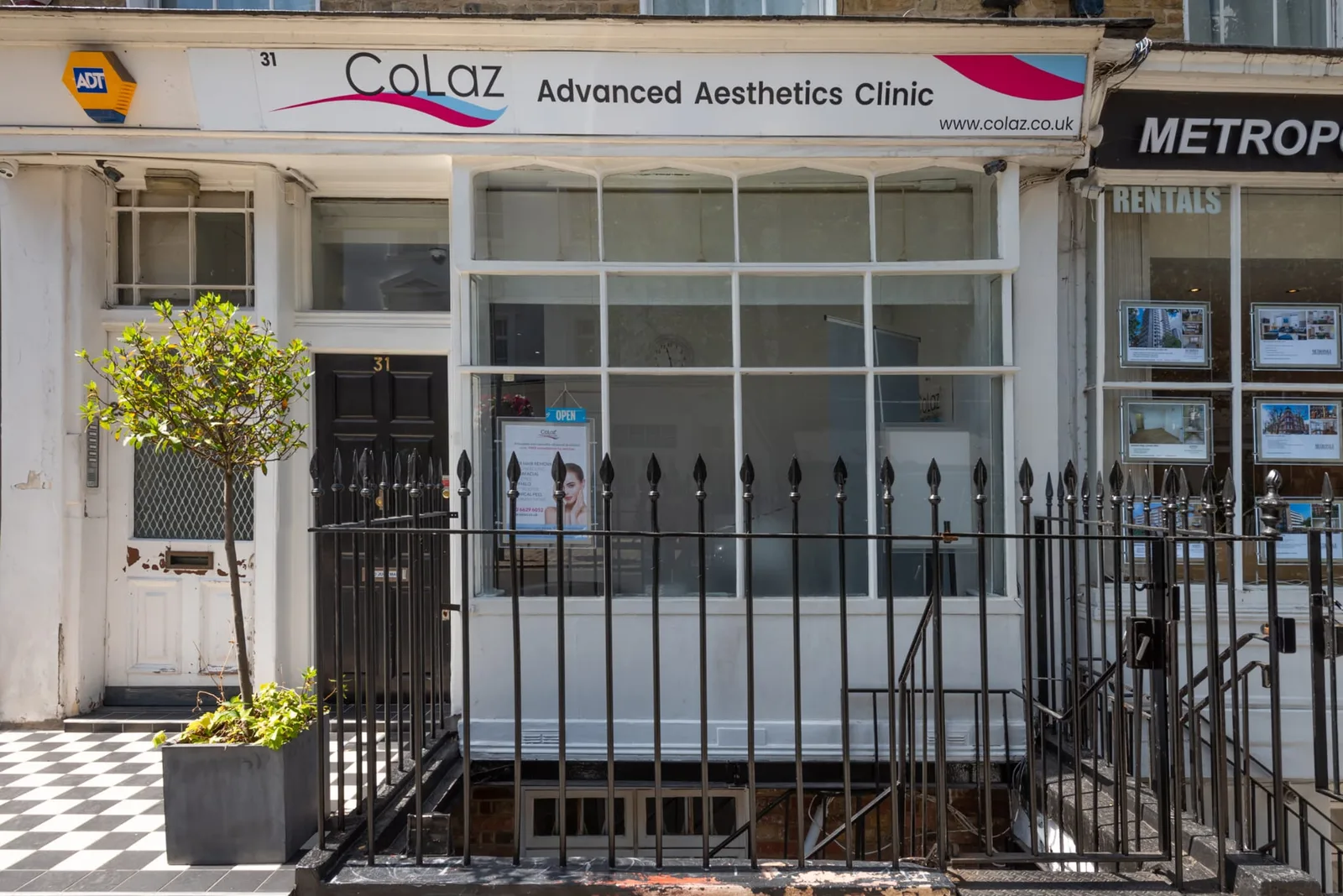 CoLaz London Paddington 31 Southwick Street, London W2 1JQ View clinic
 -
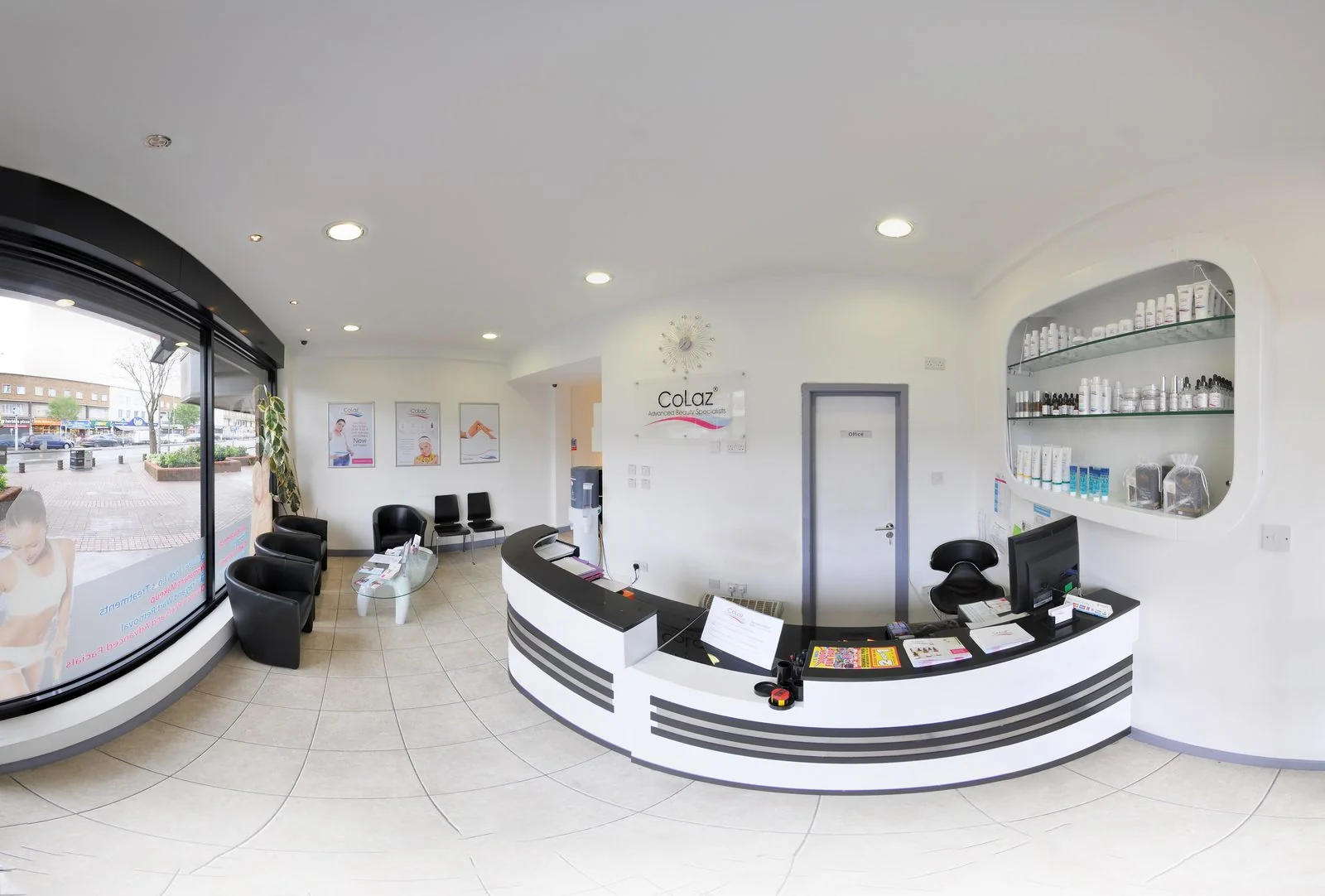 CoLaz Slough 183 Farnham Road, Slough SL1 4XP View clinic
 -
 CoLaz Reading 292 Oxford Road, Reading RG30 1AD View clinic
 -
 CoLaz Southall 247 The Broadway, Southall UB1 1NF View clinic
 -
 CoLaz Hounslow 435-437 Great West Road, Hounslow TW5 0BY View clinic
 - Not sure which is nearest? Maps, opening hours and directions for all seven clinics. All clinics
Bring your skin in, we will match the plan
The first consultation is free and there is no obligation to book. We look at your skin, your history and your home routine before recommending anything.