

Body concern
Stubborn Fat
Pinchable pockets of fat on the stomach, flanks, thighs or under the chin that hold on no matter how clean the diet or how consistent the training.
- 3Key causes
- 4Matched treatments
- 7UK clinics
The condition
What is actually happening with stubborn fat
Stubborn fat is the term for localised fat pockets that resist diet and exercise even when the rest of the body responds. Common sites are the lower stomach, the flanks or love handles, the inner and outer thighs, the bra-strap area and the soft pad under the chin. These deposits are largely genetic, which is why a lean, active person can still carry a pocket that will not shift.
The reason is biological rather than a matter of willpower. Fat cells in these areas hold more of the receptors that resist breakdown, so they are the last to release energy during weight loss and the first to refill afterwards. General weight loss shrinks fat across the whole body, but it cannot target a single pocket, and it does nothing to reduce the number of cells in a stubborn area.
At CoLaz we treat stubborn fat with non-surgical, no-downtime protocols that target a defined area rather than the whole body. The right approach depends on the size and location of the pocket, the quality of the overlying skin and your goals, so every plan starts with a free consultation, photographs and a written area-by-area quote before anything is booked.
- 01
Resistant fat cells
Some pockets, often on the flanks, tummy or thighs, hold on despite diet and exercise because of where the body prefers to store fat.
- 02
Genetics and hormones
Where you store stubborn fat is largely set by genetics and hormones, not effort, which is why targeted reduction helps.
- 03
A fixed cell count
Adults keep a fairly fixed number of fat cells, so non-surgical treatments work by shrinking or clearing cells in one area.
Matched to this concern
Treatments we would consider for stubborn fat
No single treatment suits everyone. Your clinician pairs the right one to your skin type, how severe it is and where it appears.
-
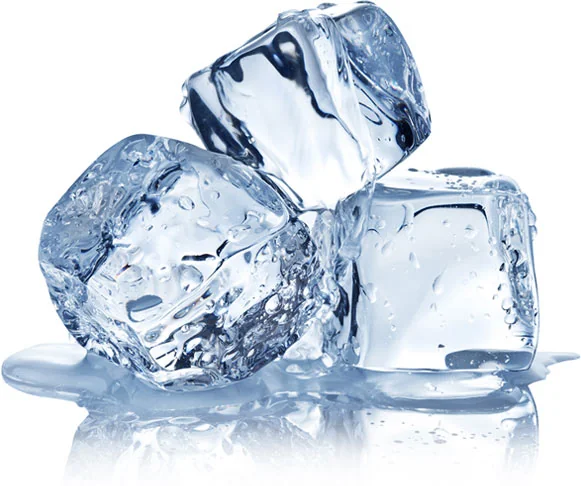 01 · Targeted fat reduction Fat Freeze Cryolipolysis cools a pinchable pocket to a temperature that crystallises the fat cells, which the body then clears naturally over the following weeks. A course of one to three cycles per area, spaced about eight weeks apart, suits defined pockets on the stomach, flanks, thighs and chin. Best for: defined pinchable pockets, stomach and flanks, double chin, no-downtime fat reduction From £159 View treatment
 -
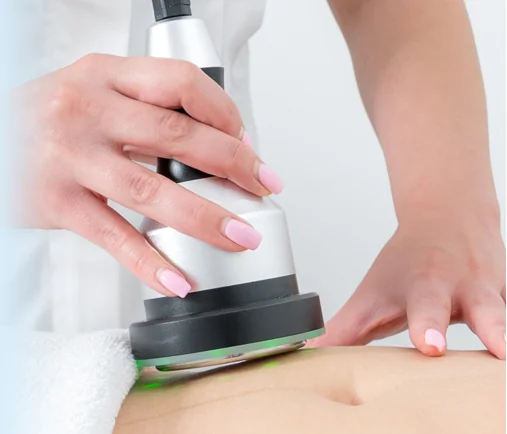 02 · Non-invasive inch loss Ultrasound Cavitation Low-frequency ultrasound breaks down fat cells in the treatment area, which are then cleared through the lymphatic system. A course of six to twelve weekly sessions delivers measurable inch loss across larger or softer areas such as the stomach, waist and thighs. Best for: larger or softer areas, waist and thigh inch loss, fat alongside fluid retention From £149 View treatment
 -
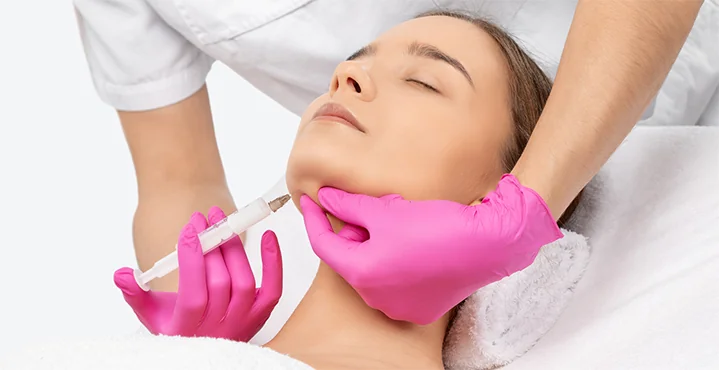 03 · Fat-dissolving injection Aqualyx Aqualyx is an injectable solution that breaks down the membrane of fat cells in a small, precise pocket so the contents are released and cleared. A course of two to four sessions, ideal for areas too small or too defined for an applicator, such as the chin, jowls or a localised bulge. Best for: small precise pockets, double chin, jowls, areas too small for fat freeze From £400 View treatment
 -
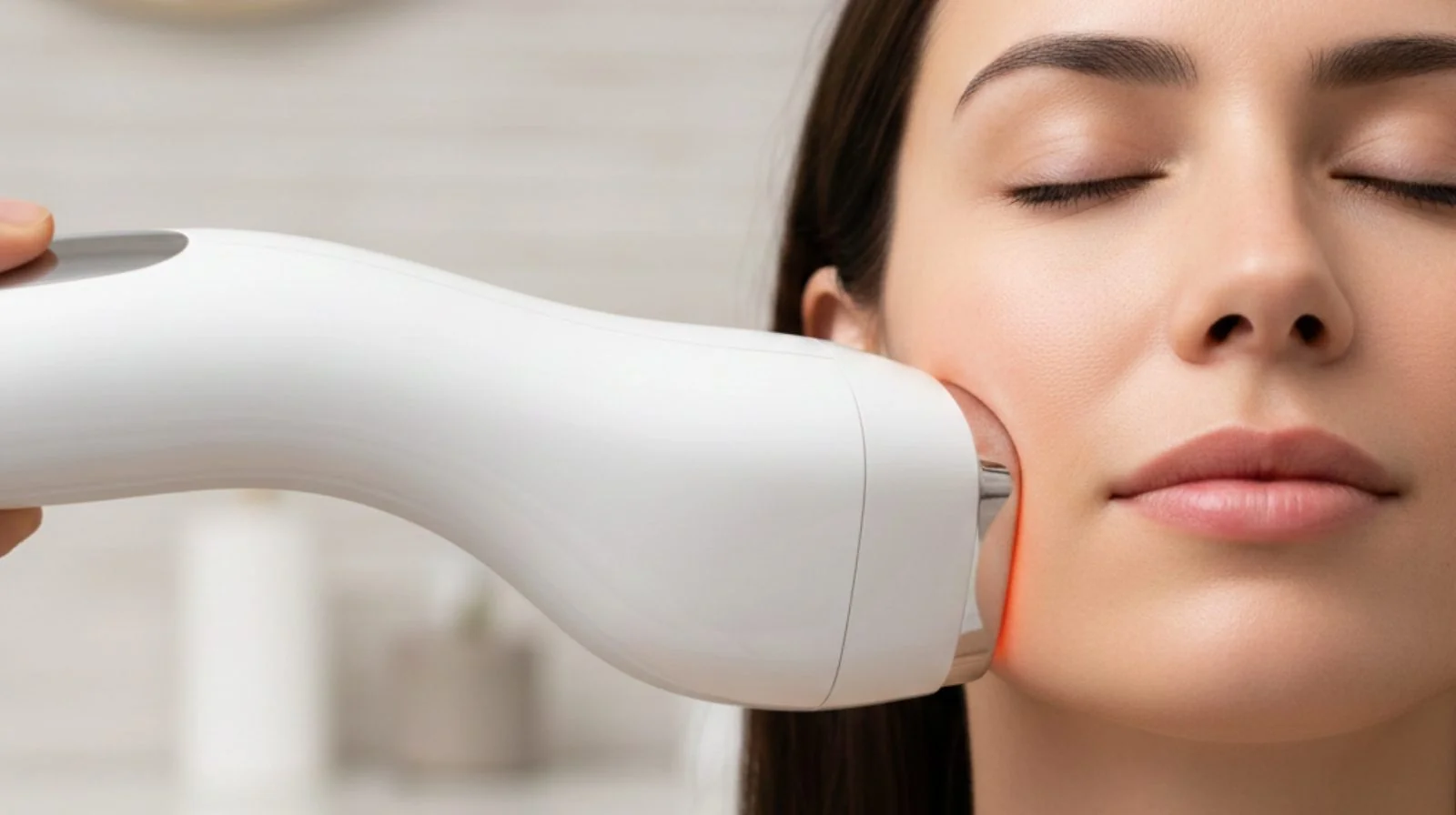 04 · Skin tightening Radio Frequency Treatment Radio-frequency delivers controlled heat into the dermis to stimulate collagen and elastin, tightening the skin that overlies a treated pocket so it retracts smoothly as the fat reduces. A course of six to eight sessions, often run alongside cavitation. Best for: loose or crepey skin over a treated area, mature skin, post-fat-loss tightening From £65 View treatment
How we approach it
Target the pocket first, then refine the skin around it.
- Phase 1
Reduce the fat pocket
The first phase targets the fat itself. Defined, pinchable pockets respond best to fat freeze; larger or softer areas respond best to a course of ultrasound cavitation; small precise pockets such as the chin respond best to fat-dissolving injections. The pocket is photographed and measured so progress is tracked objectively, and most patients see a visible change four to twelve weeks after treatment as the body clears the cells.
- Phase 2
Refine, tighten and maintain
Once the volume is reduced, radio-frequency tightens any skin that was stretched over the pocket so it retracts smoothly rather than looking loose. A stable weight then holds the result, because the treated cells do not return but the remaining cells can still enlarge with significant weight gain. We agree a maintenance and lifestyle plan at the final review.
At home
What you can do alongside your plan
- Keep your weight stable through the course, as fat reduction is measured against a steady baseline
- Drink at least two litres of water daily to support the lymphatic clearance of treated fat cells
- Add regular movement or walking, which speeds clearance and helps hold the result
- Treat this as area reduction, not weight loss, and reduce overall weight first if you have a larger amount to lose
- Expect a gradual change over weeks rather than an overnight result, with photographs to track progress
Stubborn fat is genetic, not a failure of effort. The honest conversation is which pockets will respond to in-clinic work and which are better managed with overall weight loss first. We would rather turn a treatment down than sell you a result we cannot deliver.
Common questions
About stubborn fat treatment
Something else? Message your nearest clinic and a clinician will answer.
What counts as stubborn fat?
Stubborn fat is a localised, pinchable pocket that resists diet and exercise even when the rest of the body slims down. The most common sites are the lower stomach, the flanks or love handles, the inner and outer thighs, the bra-strap area and under the chin. These areas are largely determined by genetics, which is why a lean, active person can still carry a pocket that will not shift with training alone.
Is this the same as weight loss?
No. These treatments reduce a defined fat pocket in a targeted area, they are not a weight-loss programme. If you have a larger amount to lose, you will get a better result by reducing your overall weight first and then addressing any remaining stubborn pockets in clinic. We will be honest at consultation about whether you are a good candidate now or whether weight loss first is the better path.
Which treatment is right for my stubborn fat?
It depends on the size and location of the pocket and the quality of the overlying skin. Defined pinchable pockets respond best to fat freeze. Larger or softer areas respond best to a course of ultrasound cavitation. Small precise pockets such as the chin or jowls respond best to fat-dissolving injections. Where the skin is loose, radio-frequency is added to tighten it. Most plans combine two of these, agreed at your free consultation with photographs and measurements.
How long until I see results?
Fat freeze and fat-dissolving injections work gradually as the body clears the treated cells, so the visible change appears between four and twelve weeks after treatment. Ultrasound cavitation delivers measurable inch loss across a six-to-twelve-session course, with the most meaningful change at the end. Photographs and circumference measurements are taken at the start and reviewed throughout so progress is tracked objectively rather than by impression.
Will the fat come back?
The fat cells reduced during treatment do not return, but the cells that remain in the area can still enlarge if you gain significant weight afterwards. Patients who hold a stable weight keep their result long term. This is why we treat stubborn fat as targeted area reduction rather than weight loss, and why a stable weight and regular movement are part of the plan.
Is there any downtime?
All stubborn-fat treatments at CoLaz are no-downtime, so you return to work or normal life straight after each session. Fat freeze can leave the area numb, red or tender for a few days. Fat-dissolving injections cause expected swelling and tenderness for several days as the area responds. Ultrasound cavitation and radio-frequency feel warm and settle within an hour. We confirm exactly what to expect for your chosen treatment at consultation.
Are these treatments safe?
Yes, all are non-invasive or minimally invasive and delivered by trained clinicians using CE-marked devices and regulated products. They are not suitable during pregnancy or breastfeeding, with certain liver or kidney conditions, with some metal implants in the treatment area, or for fat-dissolving injections where there is an allergy to the ingredients. Your medical history is reviewed in full at consultation and we decline to treat where a contraindication is present.
Our locations
Find your nearest CoLaz
-
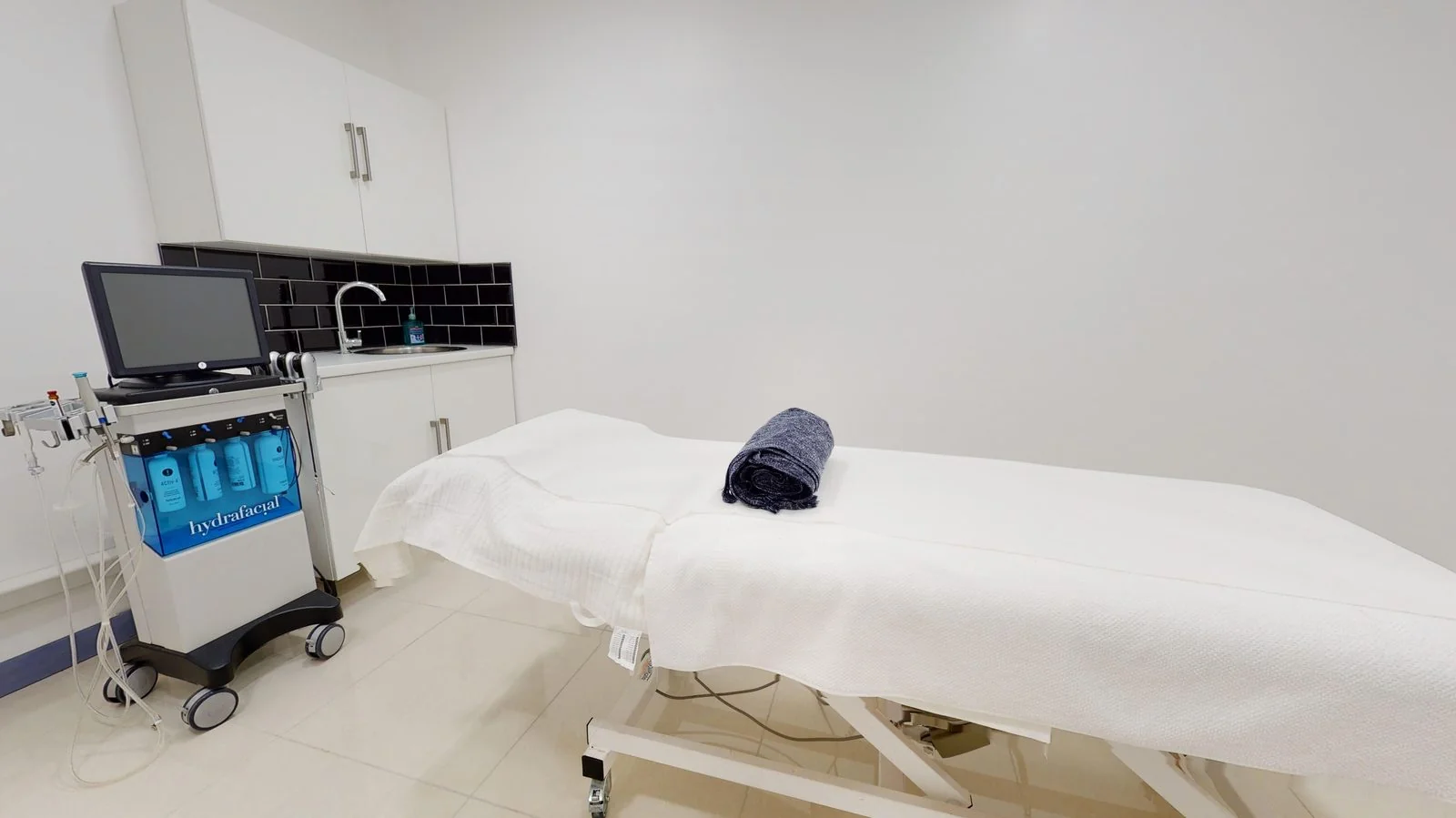 CoLaz Derby 21-23 Pear Tree Road, Derby DE23 6PZ View clinic
 -
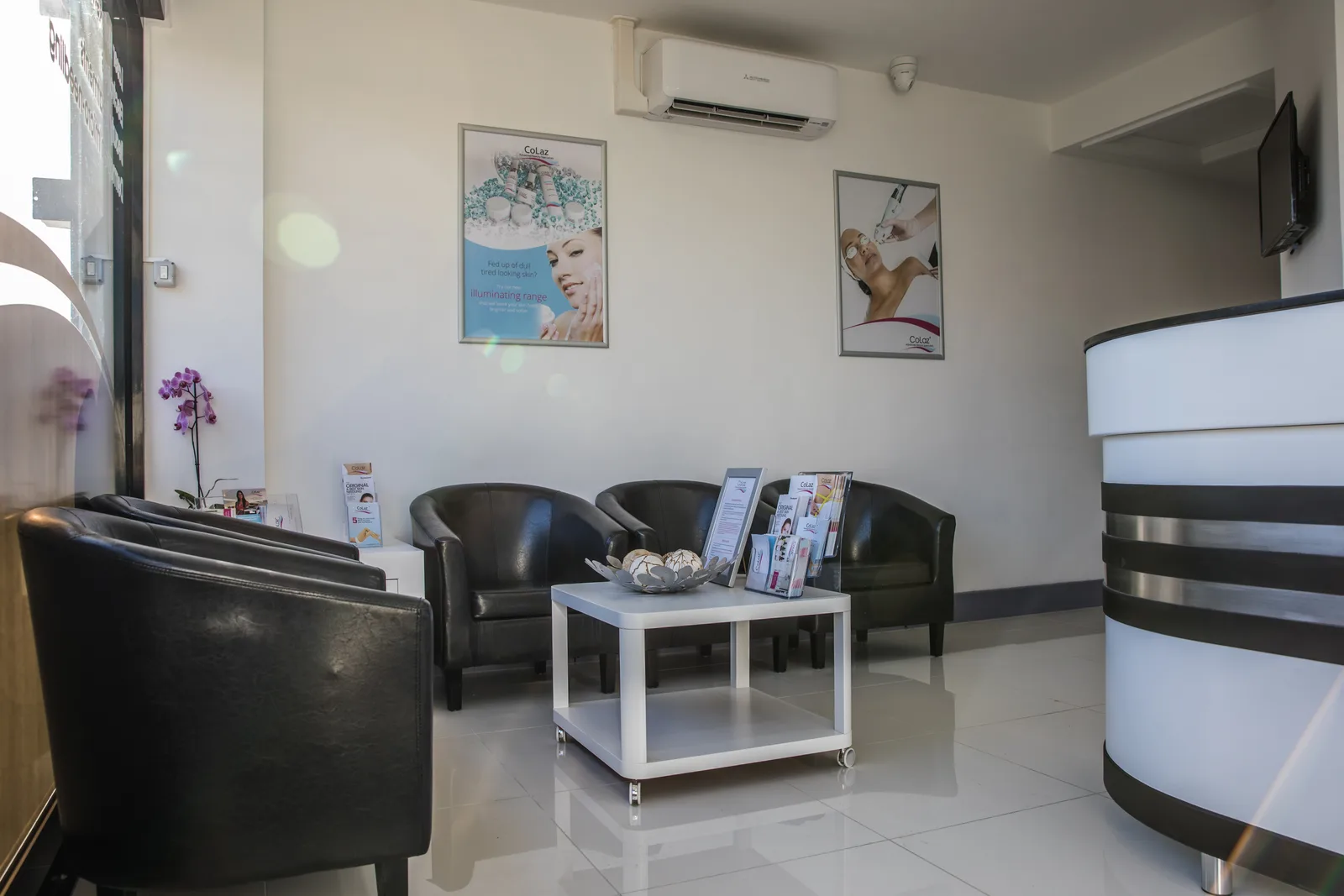 CoLaz Wembley 17 Wembley Hill Road, Wembley HA9 8AF View clinic
 -
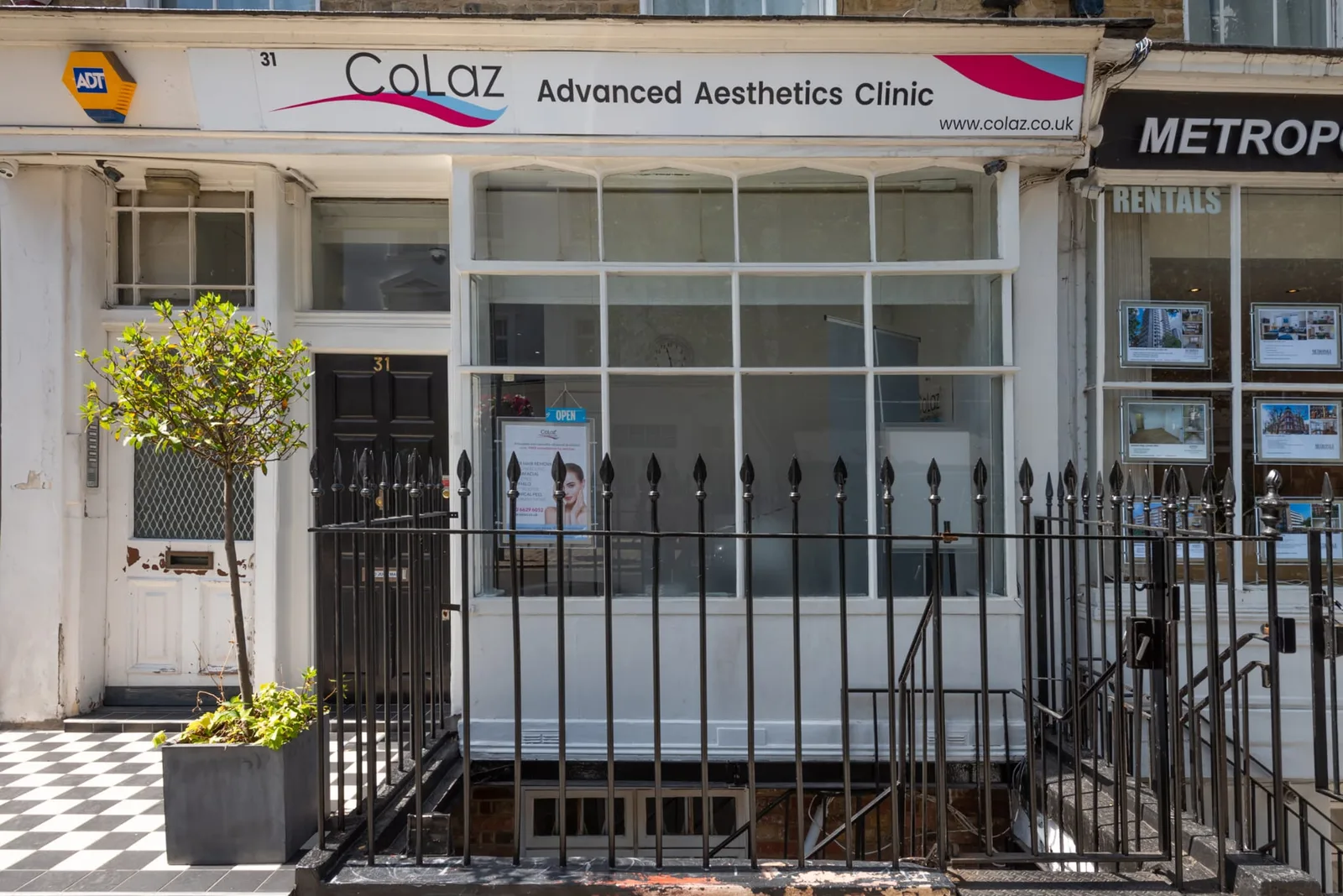 CoLaz London Paddington 31 Southwick Street, London W2 1JQ View clinic
 -
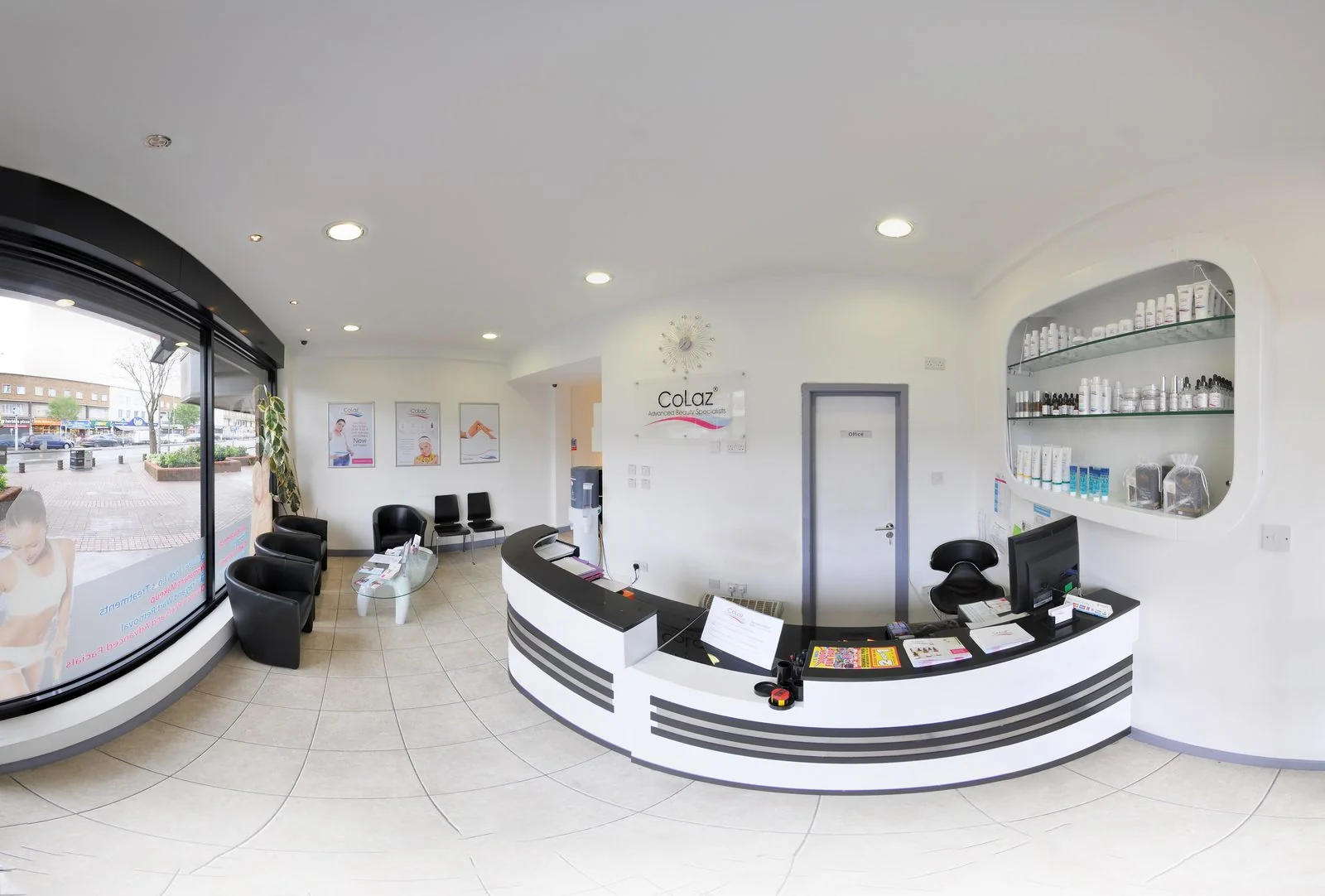 CoLaz Slough 183 Farnham Road, Slough SL1 4XP View clinic
 -
 CoLaz Reading 292 Oxford Road, Reading RG30 1AD View clinic
 -
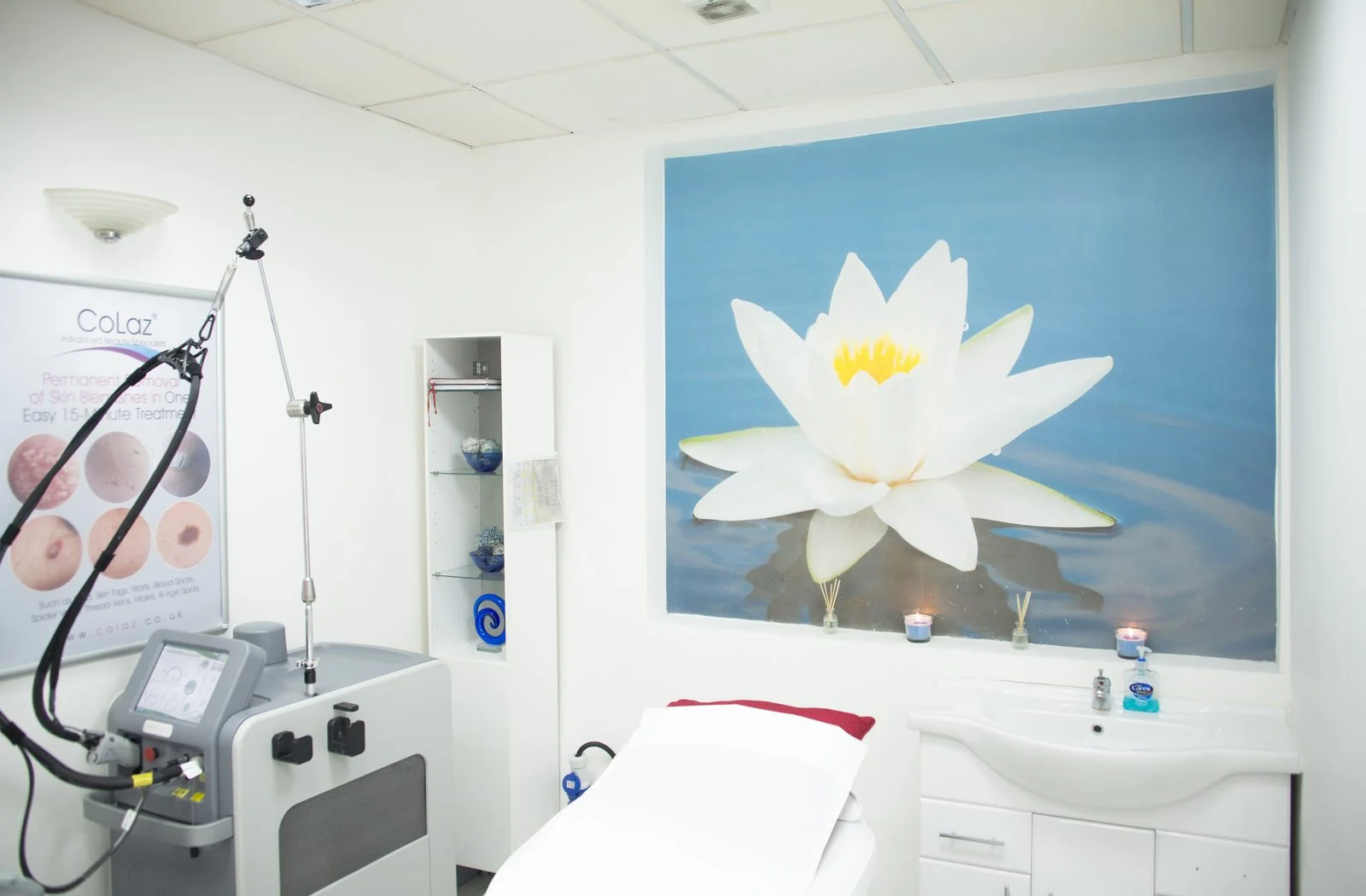 CoLaz Southall 247 The Broadway, Southall UB1 1NF View clinic
 -
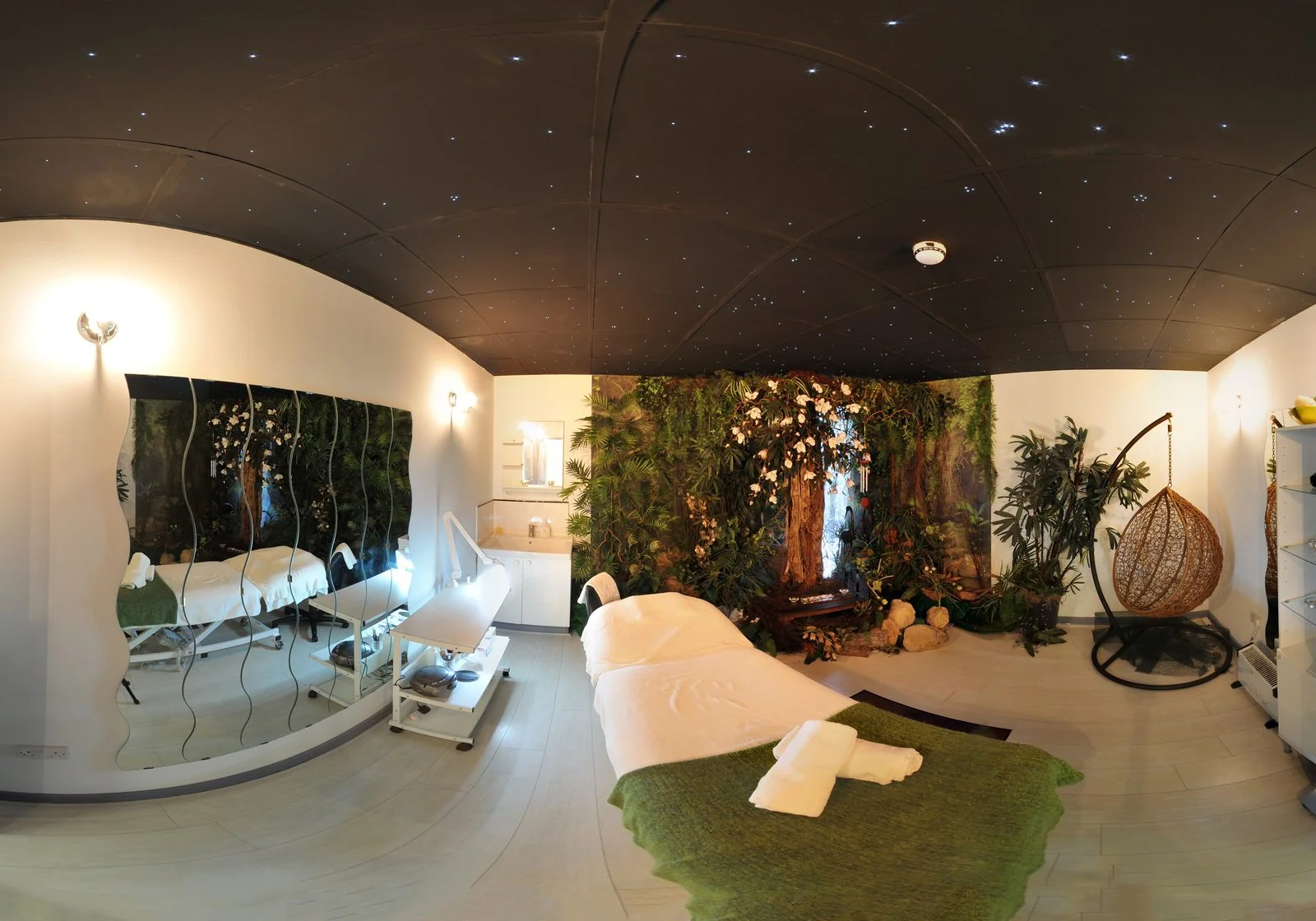 CoLaz Hounslow 435-437 Great West Road, Hounslow TW5 0BY View clinic
 - Not sure which is nearest? Maps, opening hours and directions for all seven clinics. All clinics
Bring your skin in, we will match the plan
The first consultation is free and there is no obligation to book. We look at your skin, your history and your home routine before recommending anything.