
Skin rejuvenation
IPL skin rejuvenation at CoLaz clinics
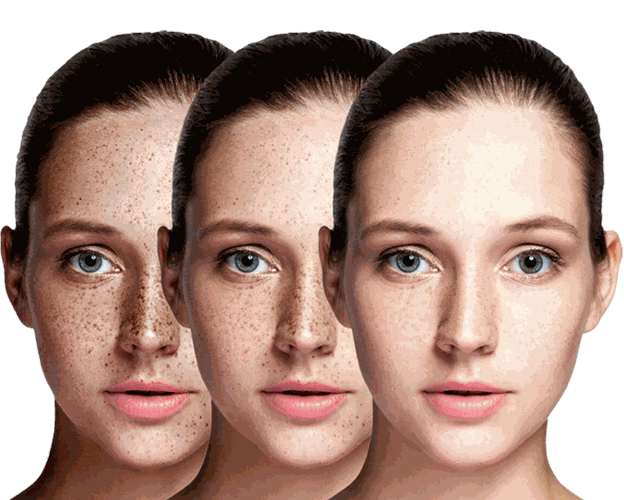
IPL at CoLaz is a broad-spectrum light treatment that targets sun damage, age spots, broken capillaries, rosacea and uneven tone in one device.
Good for
Who books IPL Skin Rejuvenation
- Sun damage and age spots across the face, chest and hands
- Diffuse redness, flushing and early rosacea
- Broken capillaries and visible small blood vessels
- Uneven skin tone with mixed pigment and vascular concerns
- Dull, photo-aged skin that creams have not improved
- Patients wanting one device to address both pigment and redness
What to expect
From your first consultation onwards
- 01
Free consultation, patch test and skin assessment to confirm IPL is suitable for your skin type
- 02
Skin cleansed, eye protection fitted, and a thin layer of cooling gel applied to the treatment area
- 03
IPL handpiece moved across the area in overlapping pulses, with cooling between passes
- 04
Cooling barrier cream and SPF 50 applied in clinic before you leave
- 05
Repeat session booked at the four-week interval to complete the course
IPL is one of the most versatile light treatments in aesthetics, capable of targeting sun damage, age spots, redness, broken capillaries and rosacea in a single device. Broad-spectrum light is filtered to reach pigment and small blood vessels, which the body then clears naturally over the following days. From £120 per face session, with a course of three at £599, at our Hounslow clinic.
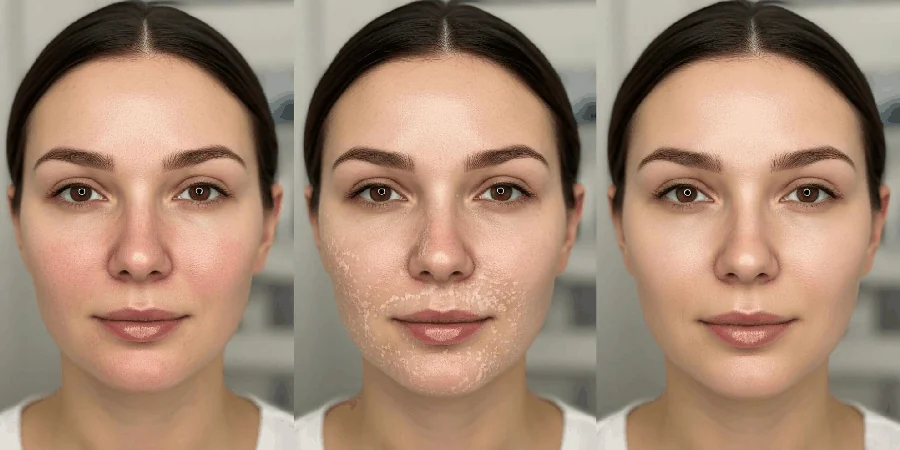
How IPL actually works
Intense Pulsed Light is not a laser. A laser uses a single, focused wavelength; IPL emits a broad spectrum of light wavelengths in controlled, filtered pulses. The clinician selects a filter that targets a specific structure in the skin: melanin in pigmented spots, or haemoglobin in small blood vessels.
Once the light is absorbed by its target, it converts to heat. Pigment clusters are fragmented; small vessels are coagulated. The surrounding skin, which absorbs much less of the energy, is left untouched. Over the following days, the body's lymphatic system clears the treated debris naturally.
Because the same device can be re-filtered for different targets within a single appointment, IPL is the most efficient way to address mixed concerns: a patient with both age spots and diffuse redness can have both treated in the same session, rather than booking two separate protocols.
What IPL is best for
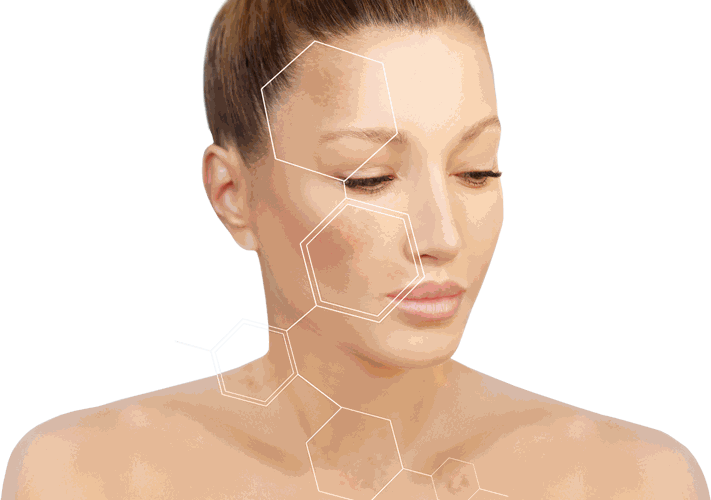
The classic IPL candidate has sun damage and age spots on the face, chest or hands, often combined with diffuse redness, broken capillaries or early rosacea. These are exactly the concerns IPL was built to address, and the results are reliable when the protocol is matched to the skin.
It also works well for overall photo-ageing, the dull, uneven, mixed-tone skin that develops over years of sun exposure. By targeting both the dark spots and the red patches together, the skin tone becomes meaningfully more even after a course.
IPL is not suitable for very dark skin tones (Fitzpatrick five and six) because the high melanin content in the skin itself absorbs too much of the light, raising the risk of pigment change. Tanned or recently sun-exposed skin is also off the table until the tan has fully faded. Skin type is assessed at consultation and confirmed by a patch test before any full session is booked.
After your IPL
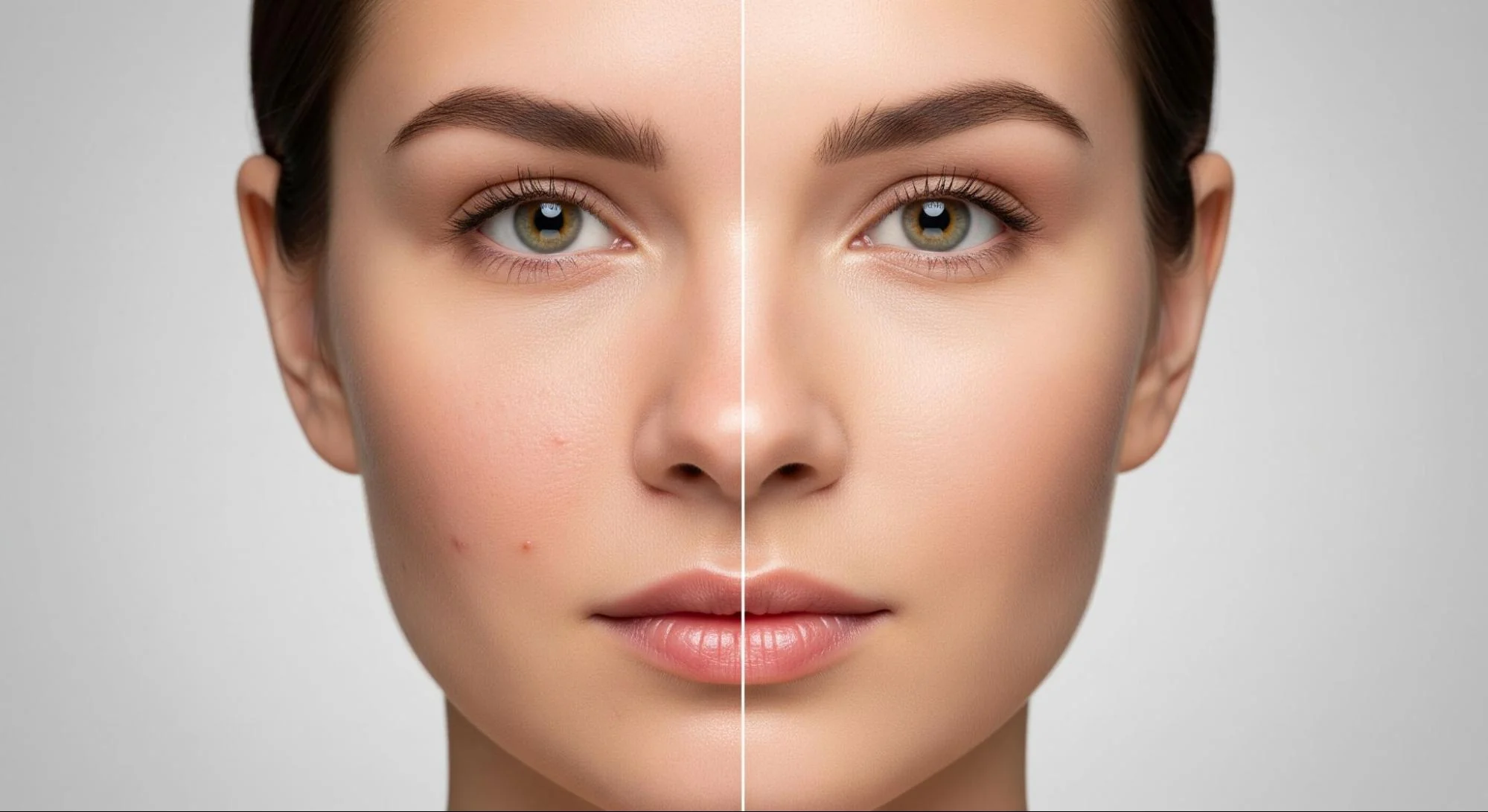
Expect the skin to be pink and warm, similar to mild sunburn, for a few hours to a day. Pigmented spots typically darken to a coffee-ground appearance over forty-eight hours before flaking off naturally over seven to ten days. This is normal and is the visible sign that the treatment is clearing the pigment.
No touching, rubbing or picking the flaking spots; let them shed naturally or you risk a pigment patch where the skin was disturbed. Skip makeup for twelve hours and switch to a gentle cleanser for five days. Saunas, steam rooms, sunbeds, swimming pools and intense exercise are out for forty-eight hours.
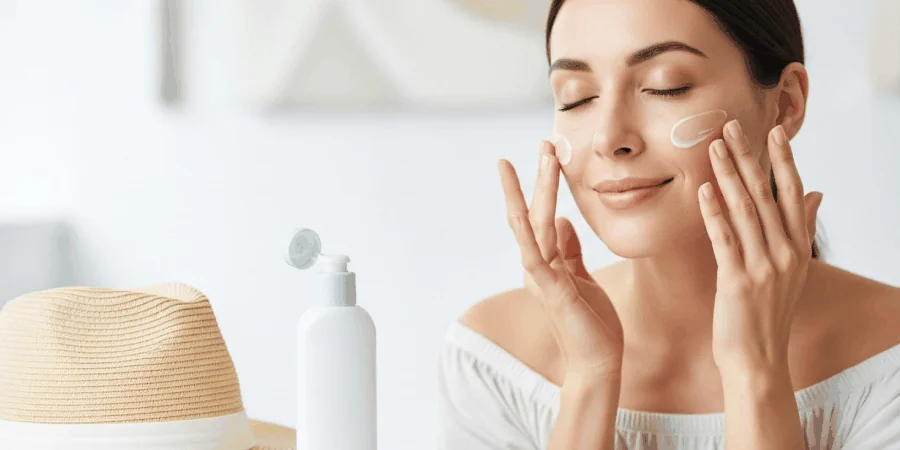
SPF 50 every morning for at least four weeks is non-negotiable, reapplied every two hours when outdoors. Sun exposure during the renewal window is the single fastest way to undo the result and risk fresh pigment landing on the treated area.
Available at our Hounslow clinic
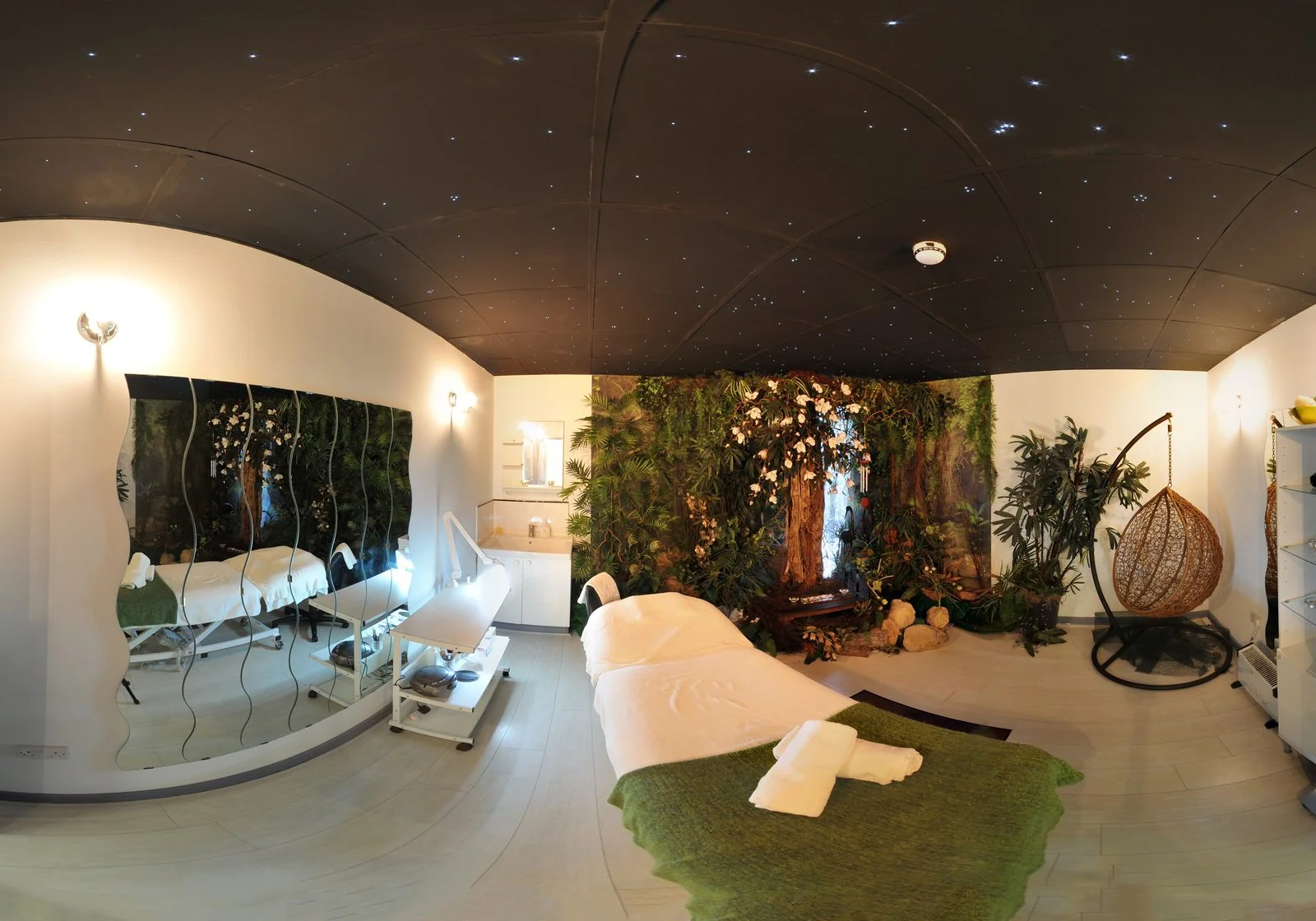
IPL skin rejuvenation is delivered at our CoLaz Hounslow clinic by qualified clinicians. Use the clinic finder to find us, or send a WhatsApp message, the clinic typically replies within five minutes during opening hours.
Often considered alongside
Patients booking IPL often consider PICO laser for stubborn, deeper pigment that IPL cannot reach, Hydrafacial as a gentler monthly maintenance between IPL courses, thread vein removal for larger individual vessels, and age spot removal when individual spots need direct, targeted treatment.
Common questions
What patients ask first
Something else? Message your nearest clinic and a clinician will answer.
What is IPL and how does it work?
IPL stands for Intense Pulsed Light. Unlike a laser, which uses a single wavelength, IPL emits a broad spectrum of light wavelengths in controlled pulses. Filters allow the clinician to target specific structures in the skin: melanin in pigmented spots, and haemoglobin in small blood vessels. The light energy is absorbed by these targets and converted to heat, which breaks down the pigment cluster or coagulates the small vessel without damaging the surrounding skin. Over the following days, the body clears the treated structures naturally.
What can IPL treat?
IPL is one of the most versatile light treatments in aesthetics. It is excellent for sun damage and age spots on the face, chest and hands; for diffuse redness, flushing and early rosacea; for broken capillaries and small visible blood vessels; and for overall photo-ageing where the skin has lost its evenness and glow. Because one session can target both pigment and vascular concerns at the same time, IPL is often the most efficient route for patients with mixed concerns.
How many IPL sessions will I need?
A standard course is three to six sessions spaced four weeks apart. Most patients see noticeable improvement after the first or second session, with the full result building over the course. Three sessions are often enough for mild sun damage and early redness; six sessions are recommended for more established rosacea, dense age spots or broader photo-ageing. The exact protocol is agreed at your free consultation after a patch test.
Is there downtime after IPL?
Downtime is minimal. The skin is pink and feels warm, like mild sunburn, for a few hours to a day. Pigmented spots typically darken to a coffee-ground appearance over forty-eight hours before flaking off over seven to ten days; this is normal and means the treatment is working. Most patients return to work the next day with light makeup. Saunas, sun exposure and heavy exercise are out for forty-eight hours.
Who should not have IPL?
IPL is not suitable for very dark skin tones (Fitzpatrick five and six) because of the higher risk of pigment change, for tanned or recently sun-exposed skin, for pregnant or breastfeeding patients, for anyone on photosensitising medication, or for skin with active infection, cold sores or recent isotretinoin use. Skin type, hair colour and medication are reviewed at consultation, and a small patch test is always performed before a full session is booked.
When will I see results from IPL?
Early changes show within a week as the treated pigment darkens and flakes away. Vascular concerns such as redness fade more gradually over two to four weeks. The full result builds over the course, with the strongest improvement visible four to six weeks after the final session. Annual maintenance sessions are recommended to keep sun damage from re-accumulating, especially on the face and chest.
How much does IPL cost at CoLaz?
IPL skin rejuvenation for the face is £120 for a single session, £599 for a course of three (working out at £200 per session) and £759 for a course of six (working out at £127 per session). The course of six is the most popular protocol because it gives the strongest and most lasting result and works out cheaper per session. Pricing for other areas, including chest, hands and back, is confirmed at your free consultation after a patch test.
Where to book
Available at our Hounslow clinic
From the CoLaz blog
Related reading
- 7 min read IPL vs laser hair removal: why the device you choose matters Read the article
- 8 min read IPL skin rejuvenation: what it treats and what it does not Read the article
- 5 min read Skin treatments to avoid during ringworm Read the article
- 7 min read Skin brightening that works: evening out tone safely Read the article
- 6 min read How to heal skin after a yeast infection Read the article
- 7 min read IPL Skin Rejuvenation Recovery Time: What to Expect Day by Day Read the article
Start with a free ipl skin rejuvenation consultation
Tell us what you would like to change. Your clinician will recommend a plan, confirm the price in writing and leave the booking to you.