
JCCP, Save Face and CQC: what each register actually checks
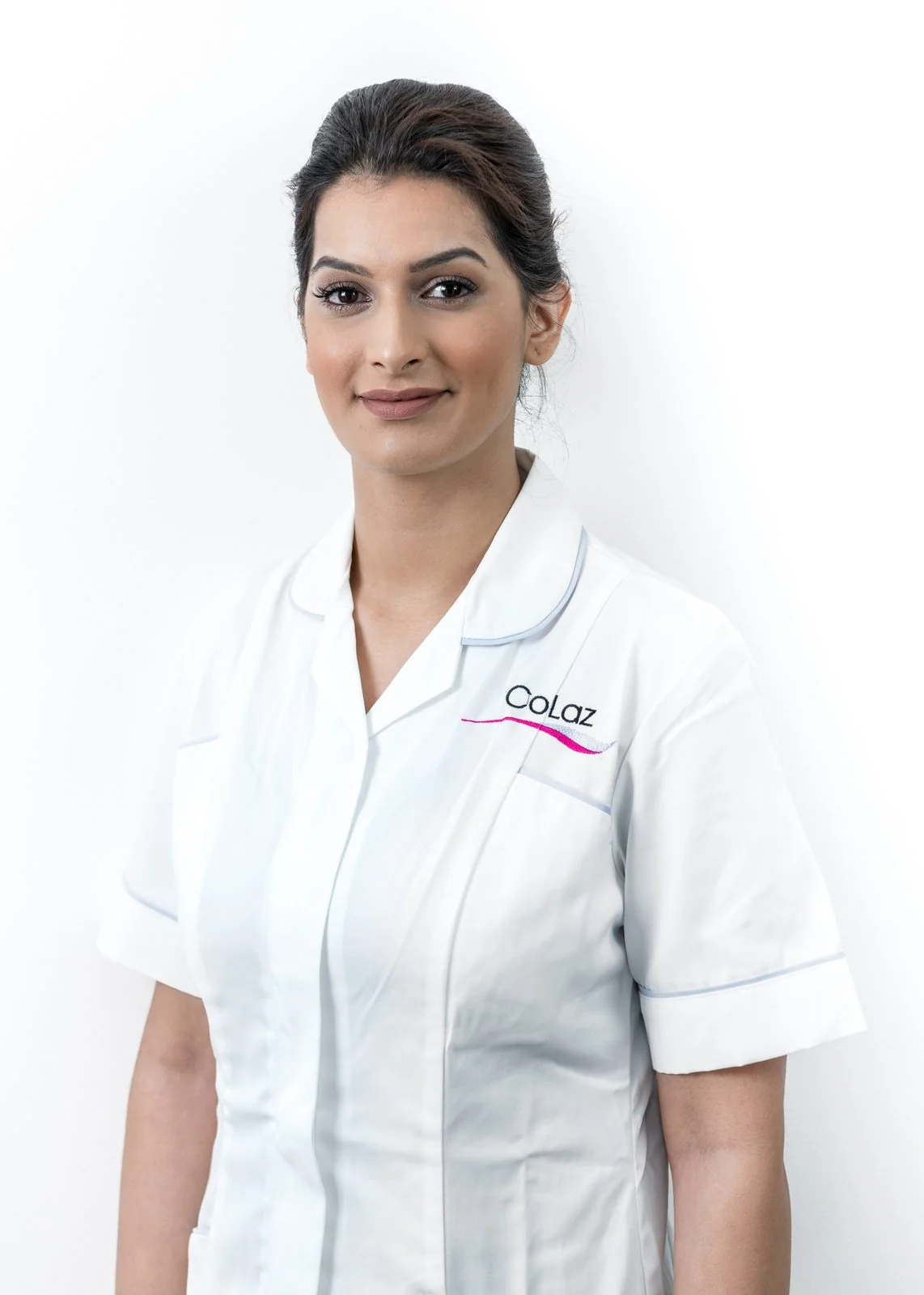 Owner, CoLaz Aesthetics Clinic
The short version
- JCCP is a voluntary register of individual practitioners, accredited by the Professional Standards Authority. It checks qualification level, experience and sign-up to a code of practice.
- Save Face is a voluntary register that assesses practitioners and clinics against 116 standards, including an assessment of the treatment setup, medicines management, consent and aftercare.
- CQC registration is a legal requirement only where a procedure counts as surgery. Most non-surgical work (injectables, peels, laser and IPL) sits outside CQC scope.
- None of the three covers everything, so check the practitioner, the qualification and the premises as three separate questions.
- A national licensing scheme for England is coming under the Health and Care Act 2022, but no scheme is in force yet.
TL;DR
- JCCP is a voluntary register of individual practitioners, accredited by the Professional Standards Authority. It checks qualification level, experience and sign-up to a code of practice.
- Save Face is a voluntary register that assesses practitioners and clinics against 116 standards, including the treatment setup, medicines management, consent and aftercare.
- CQC registration is a legal requirement only where a procedure counts as surgery. Most non-surgical work (injectables, peels, laser and IPL) sits outside CQC scope.
- None of the three covers everything, so check the practitioner, the qualification and the premises as three separate questions.
- A national licensing scheme for England is coming under the Health and Care Act 2022, but no scheme is in force yet.
If you have tried to work out whether an aesthetic clinic is properly checked, you have probably run into the same three names: JCCP, Save Face and CQC. They are not three versions of the same badge. They look at different things, they apply to different people, and two of the three are entirely voluntary. This guide sets out what each one actually checks, what it leaves out, and how to run the checks yourself before you book anything.
What do JCCP, Save Face and CQC actually cover?
They cover three different questions: who the practitioner is, how the clinic runs, and whether the procedure is legally classed as surgery.
| JCCP | Save Face | CQC | |
|---|---|---|---|
| Type | Voluntary register | Voluntary register | Statutory regulator |
| Registers | Individual practitioners | Practitioners and clinics | Providers of regulated activities |
| Main check | Qualification level, experience, code of practice | 116-point assessment plus ongoing audit | Legal compliance with the Health and Social Care Act 2008 |
| Covers most injectables and laser? | Yes, within its five modalities | Yes | No |
| Can you be prosecuted for not being on it? | No | No | Yes, if you carry out a regulated activity unregistered |
That last row is the one most people miss. Two of these are opt-in quality marks. One is the law, and it only bites on a narrow slice of the market.
Is the UK aesthetics industry regulated?
Only partly, and less than most patients assume. In England there is currently no national licence you must hold to inject a dermal filler, run a laser, or perform a chemical peel on a paying member of the public.
That gap is what the voluntary registers exist to fill, and it is why complaint numbers are as high as they are. Save Face logged 2,824 complaints about non-surgical treatments in a single year, 69% of them relating to dermal fillers. Across eight years of its complaints data, more than 80% of cases involved beauticians, hairdressers or laypeople who could not diagnose or manage the complication they had caused.
The government has now accepted that this needs to change. Its August 2025 consultation response, drawn from 11,848 replies, commits to a licensing scheme for England. More on the timing further down.
What does the JCCP register check?
The JCCP checks the individual practitioner: their qualification level, their experience in the specific treatment, and their formal agreement to a code of practice.
The Joint Council for Cosmetic Practitioners runs a voluntary register open to any practitioner who meets its standards. Its scope is five modalities: botulinum toxin, fillers, peels, lasers, and hair restoration surgery. Anything outside those five is outside the register.
To join, a practitioner must be working at or beyond Level 4 of the JCCP competency framework and hold at least two years experience in the modality they are registering for. They also sign the JCCP and CPSA code of practice and a self-declaration statement, and they must keep up continuing professional development.
The JCCP practitioner register is accredited by the Professional Standards Authority, the body that oversees the nine statutory health regulators and runs the Accredited Registers programme for occupations that are not regulated by law. That accreditation is a check on the register itself: its governance, its standards, how it manages complaints.
What the JCCP does not do is inspect your clinic. It registers people, not premises.
What does Save Face check?
Save Face checks the practitioner and the clinic together, against a documented list of 116 standards, and then keeps checking through periodic audit.

Practitioners and clinics must pass a 116-point assessment to be accredited, with an Expert Advisory Board running periodic audits so the scheme keeps pace with practice. The clinic assessment is carried out by experienced nurse assessors and reviews the treatment setup, medicines management, lighting, and the consent and aftercare process.
In practice, Save Face goes further into the operational detail than the JCCP does: qualifications and statutory registration, the products used and where they were bought, insurance and indemnity, the treatment environment, consent, aftercare and complaint handling. It is also on the Professional Standards Authority Accredited Registers list.
Two honest caveats. It is still voluntary, so a clinic not on it is not automatically unsafe. And its focus is injectables and related medical aesthetics, so it is not the natural home for every treatment on a wider clinic menu.
Does an aesthetic clinic need to be CQC registered?
Only if it carries out a procedure that meets the legal definition of surgery, or treats a medical condition. Most non-surgical aesthetic treatment does not.
The Care Quality Commission regulates surgical procedures where instruments or equipment are inserted into the body. That includes cosmetic surgery, liposuction, and thread lifting with PDO or PLLA threads. It does not include procedures with no cut and no instrument inserted, which is why botulinum toxin for lines, dermal fillers, chemical peels and laser hair removal sit outside its scope.
There is one distinction worth holding on to. The same injection can fall on either side of the line depending on why it is given. Botulinum toxin for cosmetic lines is not a regulated activity. The same drug given for excessive sweating or chronic migraine is treatment of disease, disorder or injury, and that does trigger registration.
So a clinic saying “we are not CQC registered” is usually stating a fact about the treatments it offers, not admitting a failure. Equally, “CQC registered” on a website tells you the clinic does something CQC covers. It does not tell you the laser room next door has been inspected, because CQC never looked at it.
Where the three registers leave a gap
Between them, JCCP, Save Face and CQC still leave a real hole, and patients fall into it.
The hole is this. If a treatment is not surgery, and the practitioner has chosen not to join a voluntary register, then in England nobody has checked their training, their insurance, their premises or their products before they treat you. Age is one of the very few hard legal lines: the 2021 Act made it an offence to give botulinum toxin or a filler to anyone under 18 in England for cosmetic reasons.
Government ministers pointed to exactly this gap when they announced the coming crackdown, citing the death of Alice Webb in September 2024 after a non-surgical Brazilian butt lift as the case that forced the pace.
There is a second, quieter gap. None of these three bodies assesses whether the treatment was the right choice for you in the first place. A properly registered, properly insured practitioner can still sell you a course you should never have started. That is a consultation problem, and no register solves it.
What is changing, and when
England is moving to a licensing scheme, but it is not live yet, and it will arrive in stages.
Section 180 of the Health and Care Act 2022 gives ministers the power to create a licensing scheme for non-surgical cosmetic procedures. The published consultation response sets out a red, amber and green model:
- Green covers the lowest-risk procedures, open to any licensed practitioner meeting agreed standards.
- Amber covers medium-risk procedures. A non-healthcare practitioner would need oversight from a named regulated healthcare professional; a qualified healthcare professional could work independently.
- Red covers the highest-risk procedures, including buttock, breast and genital augmentation with filler or fat, and injectables to intimate areas. These move into CQC scope and become restricted to regulated healthcare professionals.
Local authorities will run licensing for the green and amber tiers. All of it needs secondary legislation and further consultation, so treat any clinic advertising a licence today with caution. Nothing has commenced.
How do you check JCCP, Save Face and CQC before you book?
Run three separate searches, in this order, and take five minutes over it.

- Search the person, not the brand. Look up the individual practitioner’s name on the JCCP register and the Save Face register. A clinic can be listed while the person actually holding the handpiece is not.
- Check the register itself is accredited. The Professional Standards Authority find a register tool tells you which schemes have passed its standards. Plenty of impressive-sounding logos have passed nothing.
- Check CQC only if the treatment needs it. If you are booking threads, liposuction or anything surgical, the provider must be CQC registered and you can look them up directly. For laser, peels and standard injectables, its absence is expected.
- Ask for the qualification, in writing. For laser and IPL, the answer you want is a VTCT or Ofqual Level 4 Certificate in Laser and IPL Treatments held by the person treating you.
- Ask what happens if it goes wrong. Who reviews you, at what cost, and what indemnity insurance is in place. The NHS advice before a procedure is blunt about this: know the full cost including aftercare, and walk away if you are not completely comfortable.
If you want a longer version of this checklist, our guide to choosing a clinic covers the consultation itself, and our list of red flags covers the sales tactics that should stop you booking.
How we handle this at CoLaz
We treat the registers as a floor, not a finish line, and we put the detail in writing so you can check it yourself.
Every practitioner delivering laser, IPL or energy-device treatment across our seven UK clinics holds a VTCT or Ofqual Level 4 Certificate in Laser and IPL Treatments. Every new patient, and every new treatment for an existing patient, starts with a free consultation of 30 to 45 minutes covering medical history, medication, allergies, Fitzpatrick skin type, contraindications and realistic outcomes. Every laser, IPL and energy-device course begins with a patch test 48 hours before the first session, and we will not run a first session without one.
The recommended plan is written down at the end of that consultation, before anything is booked: number of sessions, spacing, the device or product used, price per session, and any maintenance. You take it away and decide. We confirm the full course in writing only after we have seen how your skin responded to the patch test.
When I took over the CoLaz franchise network in 2023, the first thing I rewrote was the consultation script every clinic uses, and every new clinician now shadows a senior clinician through twenty consultations before running one alone. I did that because most disappointed patients I have met over the years did not have a bad treatment. They had a good sale and no proper consultation. A register cannot catch that. A structured half hour across a desk can. You can read more about CoLaz and how the group has run since 2005.
Your next step
Pick the treatment you are considering, then run the three checks above on the specific person who would be treating you. It takes about five minutes and it is the single most useful thing you can do before handing over any money.
If you would like us to walk you through the qualifications, the plan and the honest limits of a treatment before you commit to anything, book a free consultation at your nearest CoLaz clinic. It costs nothing, and you leave with the plan in writing.
Ready to begin
Book a free Laser Hair Removal consultation at your nearest CoLaz clinic
Time with a qualified clinician: a skin assessment, an honest recommendation and no obligation. Read about Laser Hair Removal at CoLaz, from £30 (upper lip, single session).
More on Aesthetics
Keep reading
-

How to tell a qualified aesthetic clinician from a great one
Six checks you can run on a qualified aesthetic clinician in about 60 seconds, and six more that only show up once you are sitting in the consultation room. Read the article -

How much do dermal fillers cost in the UK? An honest 2026 price guide
Filler pricing in the UK swings from £150 to £600 per ml, and the gap is not random. Here is what you are actually paying for, which quotes should make you walk away, and how to price-check a clinic properly. Read the article -

10 aesthetic clinic red flags: when to walk out of the consultation
Non-surgical treatments are still largely unregulated in England. These are the ten warning signs worth knowing before you book, and the ones that should make you leave. Read the article
Book a free consultation at your nearest CoLaz clinic
Time with a qualified clinician: a skin assessment, an honest recommendation and a written plan. No obligation.