
How to choose an aesthetic clinic in the UK: 10 things to check
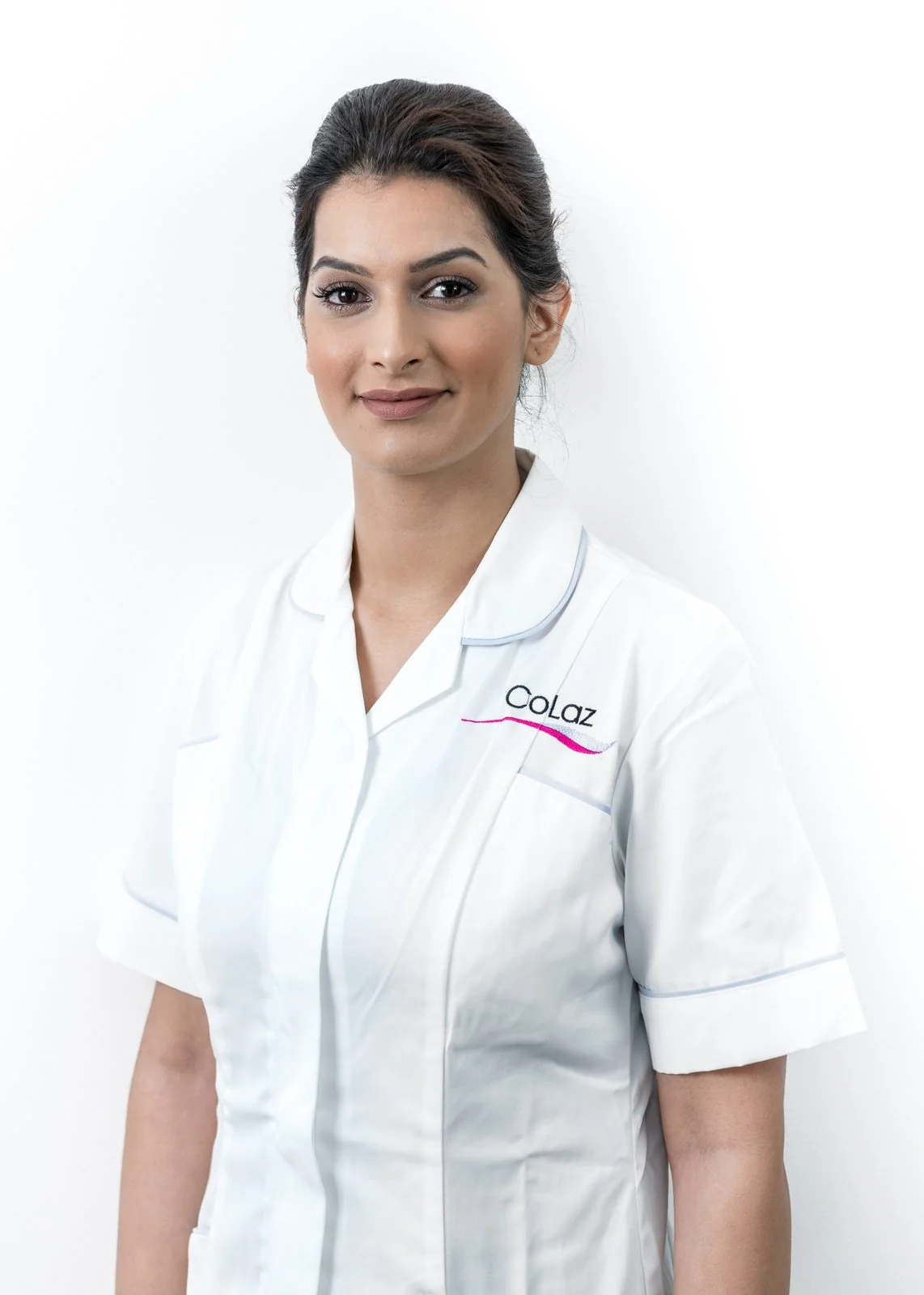 Owner, CoLaz Aesthetics Clinic
The short version
- Most non-surgical aesthetic treatment in the UK is not yet regulated by the CQC, which means the responsibility for checking a clinic falls on the patient before they book.
- Three voluntary registers are worth knowing: JCCP and Save Face for practitioner accreditation, and the CQC register for clinics that perform any regulated surgical or prescribing activity.
- Laser and IPL treatments should be delivered by someone holding a Level 4 qualification in laser and IPL, the Ofqual-regulated UK standard.
- A real clinic gives a written quote, a written consultation, a documented patch test policy, and a named clinician you can reach if there is a problem.
- If any one of these checks is missing, that is a signal to walk away, not negotiate.
The UK aesthetic industry is one of the largest in Europe and one of the least regulated. Anyone with a few weeks of training and a treatment room can call themselves an aesthetic practitioner, advertise on social media, and inject toxin or fire a laser at a paying customer the next day. The proposed licensing scheme for England has been promised since the 2013 Keogh Review and is still not in force as of 2026.
That means the homework falls on the patient. Below are the ten things I tell my closest friends to check before they walk into any aesthetic clinic in the UK, including ours. If a clinic cannot tick most of them, the right answer is to keep looking.
1. Is the practitioner on the JCCP register?
Check the practitioner’s name on the JCCP register before you book anything. The Joint Council for Cosmetic Practitioners is the Professional Standards Authority-recognised voluntary register for non-surgical aesthetic practitioners in the UK.
JCCP registration tells you the practitioner has met defined standards of training, holds current indemnity insurance, follows the published Code of Practice, and is accountable to a complaints process. It does not guarantee perfection. It does mean somebody has independently verified the basics.
The JCCP Code of Practice sets out what registered practitioners must offer: written consent, a cooling-off period for invasive treatments, documented aftercare, and an escalation route for complications. Without registration, you have no published standard to hold a practitioner to.
2. Is the clinic Save Face accredited?
Check the clinic on the Save Face register as a second independent verification. Save Face is the other government-approved register and applies a 116-point assessment to the whole clinic, not just the practitioner.
Save Face accreditation covers the premises, the cleanliness and safety of the treatment rooms, the storage of medicines and waste, the consultation process, the practitioner’s qualifications, the products in use, and the complaint-handling system. It is renewed annually rather than awarded once and forgotten.
Both registers are voluntary. A clinic listed on both is signalling that it is willing to be inspected and held to written standards. Most of the clinics we worry about for patient safety appear on neither.
3. Is the clinic CQC registered for any regulated activity?
If the clinic performs any treatment that involves a prescription medicine (Botox, lemon-bottle, IV vitamin therapy, mesotherapy) or any surgical implant (thread lifts, PDO threads), it should be registered with the Care Quality Commission for that activity, and you can search the register on cqc.org.uk by clinic name or postcode.
The CQC is the statutory regulator of health and social care in England. As of 2026, most non-surgical aesthetic treatments do not require CQC registration, but several do, including thread lifts and certain prescribing activities. From October 2025, providers of botulinum toxin and injectable filler treatments in England are being brought into CQC registration under the new licensing framework.
Check the published inspection reports for any CQC-registered clinic. Reports are public and they tell you what the inspector found and what the clinic was asked to fix.

4. Does the practitioner hold a Level 4 qualification for lasers?
If you are booking laser hair removal or any IPL skin treatment, the practitioner should hold a Level 4 qualification in laser and IPL treatments, the Ofqual-regulated UK standard.
The VTCT Level 4 Certificate in Laser and IPL Treatments is the most common pathway. It covers laser physics, skin and hair biology, safety, contraindications, patch testing, and clinical practice. Insurance providers, JCCP, and most local-authority special-treatment licences expect it.
Level 3 beauty therapy qualifications do not cover laser. If somebody is firing a Class 3B or Class 4 laser at your skin with only a Level 3, the indemnity insurance behind the treatment may not be valid, and the device may not be the one they trained on.
5. Who can lawfully prescribe injectables?
Botulinum toxin and most injectables are prescription-only medicines, and only a registered prescriber (a doctor, dentist, independent-prescribing nurse, or independent-prescribing pharmacist) can lawfully prescribe them after a face-to-face consultation with you.
The Journal of Prescribing Practice sets out the responsible-prescribing standard clearly: the prescriber must see the patient in person, take a relevant history, examine, and document the decision before the prescription is issued. Since 1 June 2025 the Nursing and Midwifery Council has made the face-to-face consultation a binding standard for nurse and midwife prescribers in cosmetic settings.
Practically, that means if you book anti-wrinkle injections or dermal fillers, you should see the prescriber, not just the person injecting on their behalf. Remote-prescribing models where a doctor signs scripts from elsewhere without ever meeting the patient are no longer compliant.
6. Is there a written consultation and a cooling-off period?
A real clinic gives you a written consultation before any treatment that is invasive, irreversible, or expensive. That includes injectables, threads, fat-dissolving injections, and laser hair-removal courses.
A proper consultation covers medical history, current medications, allergies, the specific treatment proposed, realistic results, expected sessions, side effects, alternatives, aftercare, and what to do if something goes wrong. The JCCP patient guidance is explicit that a verbal “yes” at the till is not consent.
Look for two markers in any well-run clinic. First, a written quote with the full course price (not the bait price for session one). Second, a 24 to 48 hour cooling-off period between consultation and first treatment for invasive procedures, so you can change your mind without losing your deposit.
7. Is there a documented patch-test policy?
For laser hair removal, certain peels, dye-containing products, and some prescription topicals, a patch test 48 hours before the first treatment is the minimum safety standard. If a clinic skips it, the insurance behind the treatment may not respond if you react.
The American Academy of Dermatology and the NHS Bristol Laser Centre both publish patch-test protocols as routine. The point is not to test for an allergy alone; it is to check how your skin will react to the specific energy settings used on the day. A patch test takes ten minutes, costs the clinic almost nothing, and shifts a significant amount of risk away from you.
If a clinic offers to skip the patch test to save you a visit, that is the moment to walk away. Same for any “Groupon special” that bundles the first laser session at a low price with no patch test built in.

8. Is the product real and traceable?
Botulinum toxin, dermal fillers, fat-dissolving injections and topical prescription products must be sourced through registered UK wholesale and prescribing channels, with batch numbers logged against your patient record. If a clinic cannot tell you the product name and batch number going into your face, that is a serious problem.
Counterfeit and unlicensed fillers have been an ongoing concern in the UK aesthetic market. Save Face has campaigned publicly against unregulated online sellers of prescription-only medicines, and the JCCP patient guidance tells patients to ask, in writing, what product is being used, who prescribed it, and to receive a copy of the batch label.
Ask the question. The answer is supposed to be the brand name and batch number on the spot, written into your record. If the answer is vague, do not let them inject you.
9. What is the complications and follow-up policy?
A real aesthetic clinic has a written complications protocol, a 24-hour contact route for the days after treatment, and a documented follow-up appointment built into the price. The JCCP Code of Practice requires registered practitioners to maintain both.
Practical things to verify before you book:
- Named clinician you will see, with a direct route to reach them after the treatment.
- Hyaluronidase on the shelf for any clinic offering hyaluronic-acid fillers. It reverses vascular occlusion, the most serious filler complication.
- Anaphylaxis kit for any clinic offering injectables, IV therapy or fat-dissolving injections.
- Written aftercare with day-by-day expectations and the red-flag signs to watch for.
A clinic that has thought this through will hand you the aftercare sheet before they treat you, not after.
10. Does the price feel honest?
Aesthetic treatments are not where to shop on price alone. If a quote is well below the local market, the clinic is making the margin back somewhere: cheaper product, less time, no proper consultation, less qualified staff, or pressure-selling longer packages than you need.
Transparent pricing is its own quality signal. A good clinic publishes prices, shows the per-session cost and any course discount, and writes the total into the consultation document. We publish ours at the pricing page, and we will not quote a different number at the desk.
Use the rule of three. If you have three comparable quotes from clinics that pass checks 1 to 9, you can compare honestly. If you only have one quote and it is well below the others, the question is what they are not doing.
How does CoLaz meet these checks?
Every CoLaz clinic is JCCP-registered, every practitioner is on the JCCP register or holds the equivalent prescribing registration with the GMC, NMC, GDC or GPhC, and every laser practitioner holds the Level 4 qualification in laser and IPL. Our prescribers see every injectable patient in person before any script is issued, our written consultation is built into the price of every course, and every laser patient gets a patch test 48 hours before the first session.
We publish all of this in writing on the about page and we are happy to walk you through any of the ten checks above at consultation. If you want to start with a no-obligation conversation rather than a treatment, the free consultation at any of our seven UK clinics is the right first step. We will use it to check whether what you are after is right for you, and to tell you if it is not.
Ready to begin
Book a free Laser Hair Removal consultation at your nearest CoLaz clinic
Time with a qualified clinician: a skin assessment, an honest recommendation and no obligation. Read about Laser Hair Removal at CoLaz, from £30 (upper lip, single session).
More on Aesthetics
Keep reading
-

How to tell a qualified aesthetic clinician from a great one
Six checks you can run on a qualified aesthetic clinician in about 60 seconds, and six more that only show up once you are sitting in the consultation room. Read the article -

JCCP, Save Face and CQC: what each register actually checks
Three names come up when you try to check an aesthetic clinic, and they do three different jobs. A plain-English guide to what JCCP, Save Face and CQC each look at, what they leave out, and how to run the checks yourself. Read the article -

How much do dermal fillers cost in the UK? An honest 2026 price guide
Filler pricing in the UK swings from £150 to £600 per ml, and the gap is not random. Here is what you are actually paying for, which quotes should make you walk away, and how to price-check a clinic properly. Read the article
Book a free consultation at your nearest CoLaz clinic
Time with a qualified clinician: a skin assessment, an honest recommendation and a written plan. No obligation.