Skin rejuvenation
Chemical skin peels at CoLaz clinics
Chemical peels at CoLaz are professional-grade acid-based treatments that lift the dull outer layer of skin to reveal brighter, smoother, more even-toned skin underneath. From £99 per session for a salicylic BHA peel, with AHA and DermaQuest options scaled up from there, across our seven UK clinics, with a free consultation and a peel matched to your skin in writing before any product is opened.
From
£99 per session
BHA salicylic peel, single session.
- Session time
- ~45 min
- Downtime
- Minimal
- Consultation
- Free
- Locations
- 7 UK clinics
Reply typically within 5 minutes
Or book by email form →Good for
Who books this treatment.
- Pigmentation, sun spots and uneven skin tone that creams have not lifted
- Dull, congested or tired-looking skin that needs a controlled reset
- Active or post-acne skin, oily T-zones and clogged pores
- Fine lines and early signs of ageing on the face, neck and decolletage
- Texture concerns, rough patches and a lacklustre surface despite a solid skincare routine
- Patients wanting visible change in one to three sessions without injectables or laser
Aftercare
For the first forty-eight hours.
- No makeup, no active skincare and no fragrance for the first twenty-four hours
- Switch to a gentle cleanser and a barrier-supporting moisturiser for the next five to seven days
- SPF 50 every morning, reapplied every two hours when outdoors, for the next four weeks
- Avoid saunas, steam rooms, sunbeds, swimming pools and intense exercise for forty-eight to seventy-two hours
- Do not peel, pick or exfoliate the flaking skin manually, let it shed naturally over five to seven days
What to expect
From your first consultation onwards.
-
01
Free consultation to assess skin type, Fitzpatrick scale and any active concerns, then agree the peel and the strength
-
02
Pre-peel skin prep using the right cleanser and a barrier check at the brow, ear, lip and corner of the nose
-
03
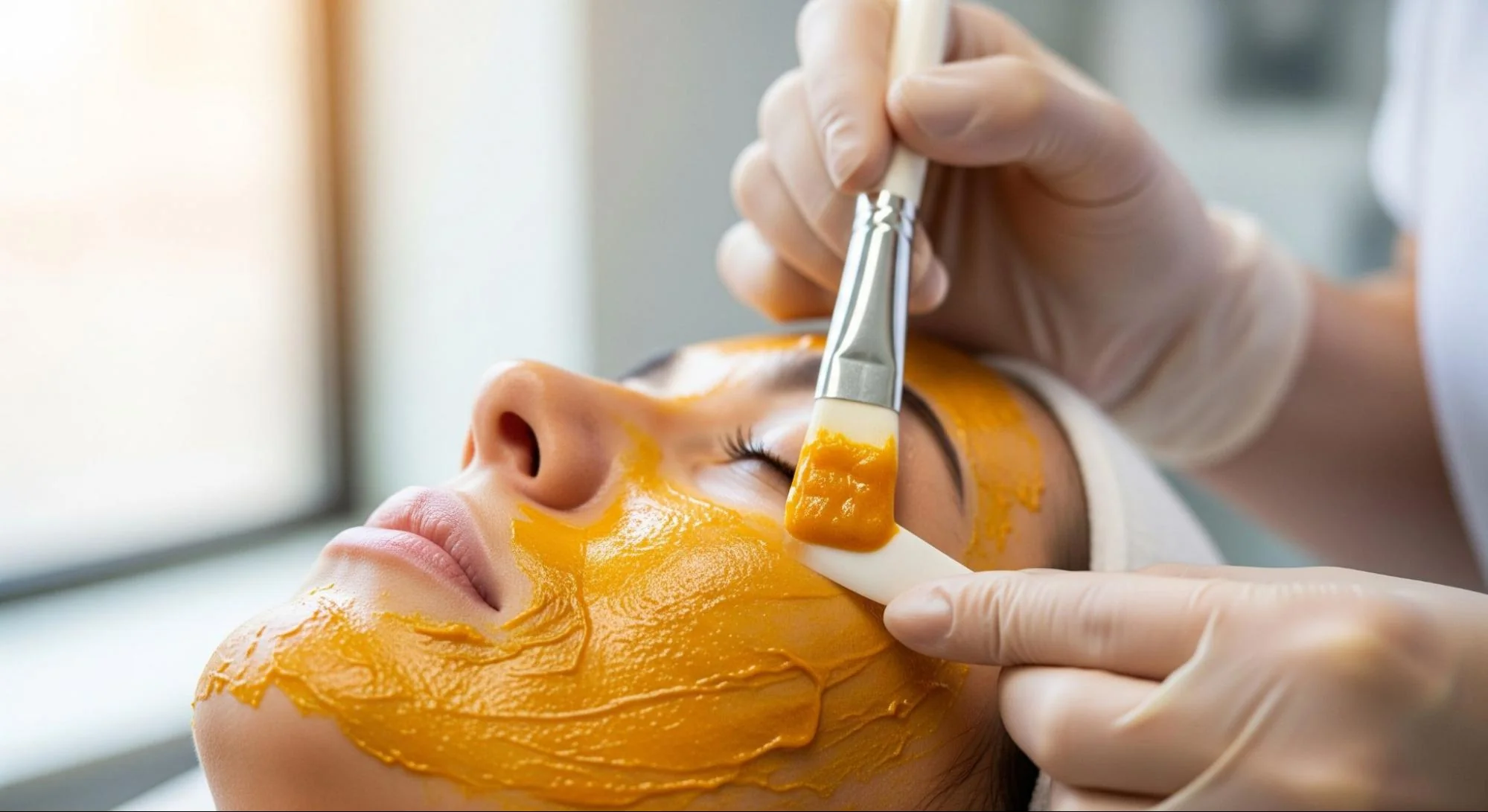
Acid solution applied with a soft brush, layer by layer, with the clinician checking the skin between layers
-
04
Neutraliser or cool compress applied at the agreed time, depending on which peel is used
-
05
Post-peel barrier cream and SPF 50 applied in clinic, with written aftercare confirmed before you leave
Chemical peels are the oldest still-widely-used aesthetic treatment in medicine and the most reliable way to lift dull, congested or pigmented skin in a single afternoon. At CoLaz they are matched to your skin and your goal rather than pre-selected from a menu, delivered only by trained clinicians, and priced from £99 per session for the entry-level BHA across our seven UK clinics.
How chemical peels actually work
A chemical peel is an acid solution applied to the skin under controlled conditions to break the bonds between dead, damaged or hyperpigmented cells in the outer layer. Once those bonds break, the cells shed in a controlled flake over the following days, revealing fresher, more even-toned skin underneath.
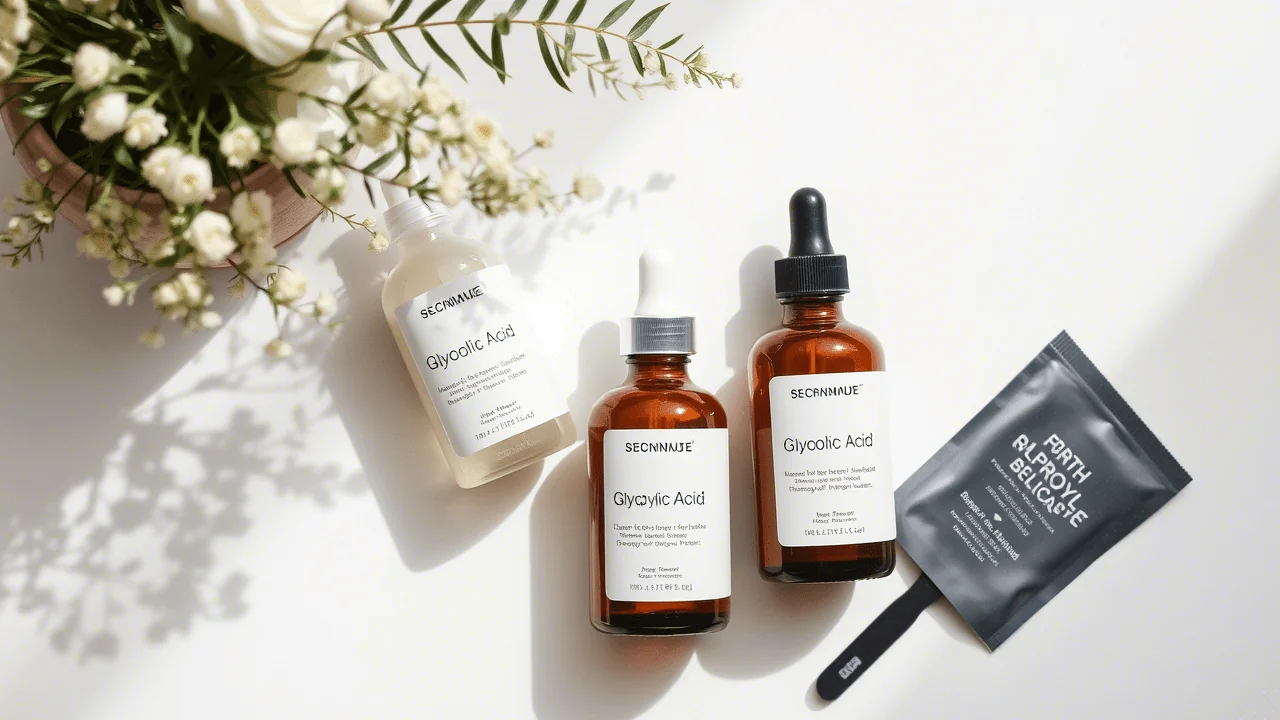
The acid family chosen decides what the peel does. Beta-hydroxy acids such as salicylic are oil-soluble and travel inside the pore, which is what makes them the classic peel for acne and congested skin. Alpha-hydroxy acids such as glycolic, lactic and mandelic work on the surface, which is what makes them the brightening peel for dullness, pigmentation and early signs of ageing.
Brand peels such as the DermaQuest line blend multiple acids with botanical extracts for a softer multi-action result that fewer skin types react to. The peel is selected at your consultation, not ordered from a menu, because the wrong peel on the wrong skin can either do nothing or do too much.
Which peel for which skin
BHA salicylic peel at £99 per session is our entry-level option, the classic for active acne, blackheads, congested T-zones and oily skin. It cuts through sebum and reaches into the pore where surface peels cannot.
AHA glycolic peel at £149 per session is the brightening peel for sun damage, post-inflammatory pigmentation, dullness and the surface signs of early ageing. It refines tone and texture over a course of three to six sessions.
DermaQuest brand peels at £299 for a course of three combine multiple acids with botanical extracts for a softer, multi-action result that suits more sensitive skin and Fitzpatrick types four to six. The range includes pumpkin, salicylic and mango-brite formulations matched at consultation.
For melasma and stubborn deep pigmentation, the Cosmelan depigmentation peel at £1,250 is a dedicated four-week protocol with an in-clinic mask, take-home cream and structured review. Jessner and TCA medium-depth peels are offered case by case after a clinician assessment.
After your peel
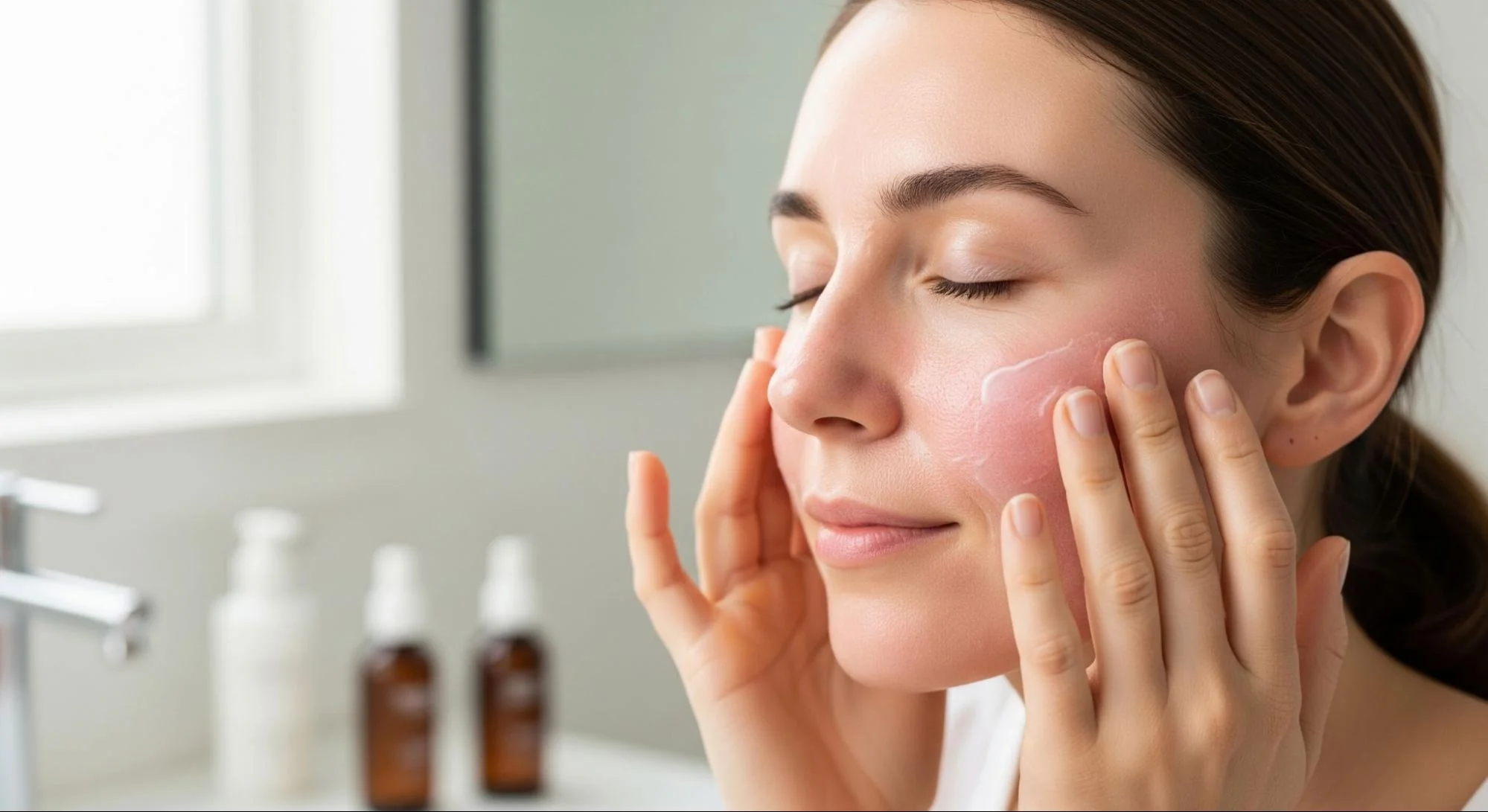
For the first twenty-four hours, no makeup, no active skincare and no fragrance, only the barrier cream and SPF 50 applied in clinic. The skin needs that window to settle the inflammation and start the renewal process.
For the next five to seven days, switch to a gentle cleanser and a barrier-supporting moisturiser. Skip retinol, vitamin C and any acid-based actives even if your routine normally tolerates them. Do not peel, pick or exfoliate the flaking skin manually; let it shed naturally or you risk a pigment patch where the skin was disturbed. Saunas, steam rooms, sunbeds, swimming pools and intense exercise are out for forty-eight to seventy-two hours.
SPF 50 every morning, reapplied every two hours when outdoors, is non-negotiable for at least four weeks. The skin is more photosensitive while it rebuilds, and unprotected sun exposure during the renewal window is the single fastest way to undo the result you came in for.
Available at all seven UK CoLaz clinics
Chemical peels are delivered at every CoLaz clinic in the UK. Use the clinic finder to choose the location that suits your postcode and schedule, or book a free consultation directly through the link below. Each clinic replies via WhatsApp within five minutes during opening hours.
Often considered alongside
Patients booking chemical peels often consider microneedling when the goal is collagen-induction rather than surface renewal, a Hydrafacial as a gentler monthly maintenance between peel courses, the DermaQuest peel range for a dedicated brand protocol, and Cosmelan for stubborn melasma that has not responded to standard peels.
Common questions
What patients ask first.
What are chemical peels and how do they work? +
A chemical peel is a controlled acid application that breaks the bonds between dead and damaged skin cells in the outer layer of the skin, lifting them away so fresher, more even-toned skin underneath is revealed. Different acids target different concerns: BHA peels such as salicylic are oil-soluble and reach inside the pore, ideal for acne and congestion. AHA peels such as glycolic, lactic and mandelic work on the surface, ideal for dullness and pigmentation. Brand peels like DermaQuest blend multiple acids with botanical extracts for a gentler, multi-action result. The peel is matched to your skin and your goal at consultation, not pre-selected from a menu.
Which chemical peels does CoLaz offer? +
Our menu covers superficial peels in three families. BHA salicylic peel, our entry-level option at £99 per session, is the classic acne and oily-skin peel. AHA glycolic peel at £149 per session is the brightening peel for pigmentation, dullness and early ageing. The DermaQuest line at £299 per course of three is a brand-formulated peel using pumpkin, salicylic or mango-brite chemistry for a softer, multi-active result. Medium-depth peels such as Jessner and TCA are offered case by case after a clinician assessment, and the Cosmelan depigmentation peel for melasma is a separate dedicated protocol at £1,250.
What does a chemical peel feel like and is there downtime? +
Most superficial peels feel like a mild stinging or tingling for thirty to ninety seconds per layer, with a slight heat sensation that settles as the acid is neutralised or self-neutralises. There is no need for anaesthetic. Immediately after, the skin looks pink and feels warm, similar to mild sunburn, for the rest of the day. Light flaking from day two or three is normal and means the peel is working; it usually finishes by day five to seven. Most patients return to work the same afternoon, with light cover-up makeup once the first twenty-four hours have passed.
How many chemical peel sessions do I need? +
A single peel gives a noticeable brightening result. A course of three to six peels spaced two to four weeks apart gives the strongest, longest-lasting outcome because the cumulative renewal builds layer by layer. Pigmentation, acne scarring and ageing concerns usually need the longer course because the skin remodelling takes weeks to settle. The exact protocol is agreed at your free consultation, with the course price confirmed in writing before any session is booked.
What side effects should I expect from a chemical peel? +
Mild redness, tightness and a sunburn-like warmth for the rest of the day are normal. Flaking from day two to seven is normal and is the visible sign of the peel working. Less common short-term effects include a small spot of irritation at a sensitive area such as the corner of the lip or nose, a temporary darker patch that fades over a few weeks, or a tight feeling that responds well to a barrier-supporting moisturiser. Significant complications are rare with superficial peels in trained hands; medium-depth peels carry slightly more risk and are reviewed in detail at consultation before they are agreed.
Who should not have a chemical peel? +
We do not treat patients who are pregnant or breastfeeding, who have an active skin infection, eczema flare or cold sore in the treatment area, who are on isotretinoin currently or in the last six months, who have a tan or recent strong sun exposure on the treatment area, or who have a history of keloid scarring. Active retinol and acid-based actives need to be paused for one week before a peel. We always review medical history and current skincare in detail at consultation and will adjust the peel strength or decline treatment if it is not safe for you.
How much do chemical peels cost at CoLaz? +
A single BHA salicylic peel starts at £99, with a course of six at £499 working out to £83 per session. A single AHA glycolic peel is £149, with a course of six at £599 working out to £100 per session. The DermaQuest brand peel range, including pumpkin, salicylic and mango-brite, is priced at £299 for a course of three or £449 for a course of six. The Cosmelan depigmentation peel for melasma is a separate single protocol at £1,250 because of the in-clinic mask, take-home cream and four-week review schedule it includes. Pricing is confirmed in writing at your free consultation.
Still deciding
WhatsApp your nearest clinic. Reply within five minutes.
Where to book
Available at all seven UK clinics.
Start here
Derby
DE23 6PZ · 07533 030599
Visit clinic page
Chemical Skin Peels in DerbyWembley
HA9 8AF
Chemical Skin Peels in WembleyPaddington
W2 1JQ
Chemical Skin Peels in PaddingtonSlough
SL1 4XP
Chemical Skin Peels in SloughReading
RG30 1AD
Chemical Skin Peels in ReadingSouthall
UB1 1NF
Chemical Skin Peels in SouthallHounslow
TW5 0BY
Chemical Skin Peels in HounslowFrom the CoLaz blog
Related reading.
10 min read
Types of chemical peels: glycolic, salicylic, TCA and Jessner explained
Glycolic for dull and sun-damaged skin, salicylic for oily and acne-prone, lactic for sensitive, mandelic for pigmentation in deeper skin tones, TCA for resurfacing with downtime. A clear decision guide to the main types of chemical peels.
7 min read
Dermaplaning aftercare: what to use and what to avoid
Dermaplaning removes the top layer of dead skin, so your face is briefly more sensitive to sun, heat and active ingredients. Here is the realistic aftercare guide we give every CoLaz patient.
8 min read
Do chemical peels work for acne scars?
Chemical peels can soften acne scars, but the scar type decides the peel. TCA, glycolic and salicylic peels each suit different scars, and a combination plan usually beats a single treatment.
8 min read
What does Hydrafacial actually do for your skin?
Hydrafacial is a three-step device facial using salicylic and glycolic acids, gentle suction and a hydrating serum. Here is what each step does, what the clinical evidence shows, and how it sits next to peels and microneedling.
5 min read
Skin treatments to avoid during ringworm
Ringworm is a fungal infection, and the wrong products or treatments can spread it or slow healing. Here is what to avoid, what helps, and when to wait.
5 min read
Hydrafacial side effects: what to expect
A Hydrafacial is gentle, but it can cause brief redness, dryness or a short breakout. Here is what is normal, who should take care, and how to look after your skin after.
Often considered alongside
Related treatments.
First to consider
Microneedling
Microneedling at CoLaz is a collagen-induction treatment that uses a Dermapen device to create thousands of microscopic channels in the skin, triggering the body to lay down new collagen and elastin in response.
Skin rejuvenation
Skin rejuvenation
Hydrafacial
Hydrafacial at CoLaz follows the official six-step protocol, detox, cleanse, peel, extract and hydrate, fuse and protect, and LED rejuvenation, adapted into six concern-based bundles, from the thirty-minute Express to the premium JLO Glow.
Skin rejuvenation
Dermaquest Peel
DermaQuest at CoLaz is a botanical brand peel range using pumpkin, salicylic and mango-brite formulations that suit sensitive skin and Fitzpatrick four to six.
Other
Cosmelan Depigmentation Peel
Cosmelan at CoLaz is the gold-standard professional protocol for melasma and stubborn pigmentation, combining an in-clinic mask with a structured six-month at-home regimen using the prescription-strength depigmenting cream.
Begin
Book a free consultation,
without obligation.
Tell us what you would like to change. Your clinician will recommend a plan, confirm the price in writing, and leave the booking to you.
Book a free consultation →