Skin rejuvenation
The Hydrafacial protocol, at CoLaz
Hydrafacial at CoLaz follows the official six-step protocol, detox, cleanse, peel, extract and hydrate, fuse and protect, and LED rejuvenation, adapted into six concern-based bundles, from the thirty-minute Express to the premium JLO Glow. Delivered by trained skin therapists at every UK clinic, with visible results from the first session and no downtime.
From
£99 per session
Express, 30 minutes.
- Session time
- 30 min (Express)
- Downtime
- Minimal
- Consultation
- Free
- Locations
- 7 UK clinics
Reply typically within 5 minutes
Or book by email form →Choose your tier
6 ways to book this treatment.
Your therapist agrees the right tier at the free consultation, based on your skin and your goal. Pricing for each tier is confirmed in writing before any session is booked.
Tier 01
Express
30 min
The core six-step protocol, a clean, hydrated finish for any skin
Tier 02
Skin Health for Life
Maintenance plan with added boosters for ongoing clarity
Tier 03
Anti-Ageing
Peptide and antioxidant boosters for fine lines and firmness
Tier 04
Pigmentation & Sun Damage
Brightening protocol for sun spots, melasma and uneven tone
Tier 05
Acne Treatment
Salicylic-rich extraction protocol for active acne and congestion
Tier 06
JLO Glow
Premium luminosity protocol for events and red-carpet skin
Good for
Who books this treatment.
- A pre-event glow when you have a wedding, holiday or photoshoot coming up
- Dull, tired skin that needs hydration and a brighter finish
- Congested pores, blackheads and uneven texture on the nose, chin and forehead
- Mild active acne and acne-prone skin that does not tolerate stronger peels
- Pigmentation, uneven tone and the first signs of fine lines
- Sensitive skin and first-time clinic visitors who want a no-downtime introduction
Aftercare
For the first forty-eight hours.
- Skip heavy makeup for the rest of the day so your skin can settle
- Apply SPF 30 or higher daily for the next seven days
- Avoid steam rooms, saunas, sunbeds and intense workouts for twenty-four hours
- Pause retinol and exfoliating acids for forty-eight hours, then resume as normal
- Stay hydrated, especially in the first day after extractions
What to expect
From your first consultation onwards.
-
01
Detox
gentle lymphatic drainage primes the skin after your consultation and tier confirmation
-
02
Cleanse
the vortex tip lifts surface dirt, oil and dead skin using a soft cleansing solution
-
03
Peel
glycolic and salicylic exfoliation that is gentler than a traditional chemical peel
-
04
Extract and hydrate
painless vacuum suction clears congested pores while infusing serums
-
05
Fuse and protect
antioxidants, hyaluronic acid and peptides drive into freshly cleaned skin
-
06
Rejuvenate
LED light therapy (red, infrared or blue) tailored to your concern, then SPF
A Hydrafacial is the treatment patients book when they want their skin to look its best for a moment in the diary, and the treatment they come back to when they realise how much clarity a clinical facial can hold week to week. CoLaz delivers the official six-step Hydrafacial protocol across six concern-based tiers, from the thirty-minute Express through to the premium JLO Glow, at every UK clinic.
Why CoLaz for your Hydrafacial
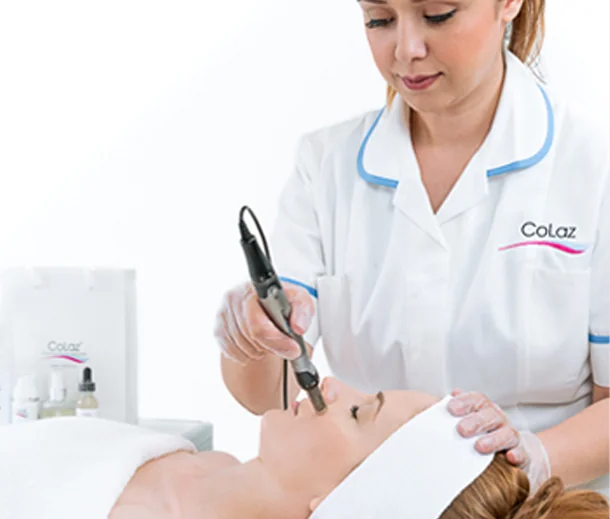
A Hydrafacial machine in the hands of an untrained therapist is a glorified vacuum cleaner. In the hands of a trained skin therapist it is a precise tool: the suction strength, the choice of serum, the time spent on each zone and the optional booster all get adjusted in real time based on what the skin is telling them.
Every Hydrafacial at CoLaz is delivered by a skin therapist who has reviewed your skin history at consultation, agreed the tier and any add-ons with you, and confirmed the price in writing before the first session. Six concern-based tiers sit on top of the core protocol so the same machine can deliver a quick maintenance facial, a targeted acne or pigmentation course, or the premium JLO Glow.
We do not apply the same protocol to every face that walks through the door. The booster, the suction depth and the LED choice are matched to your skin on the day.
The six-step Hydrafacial protocol
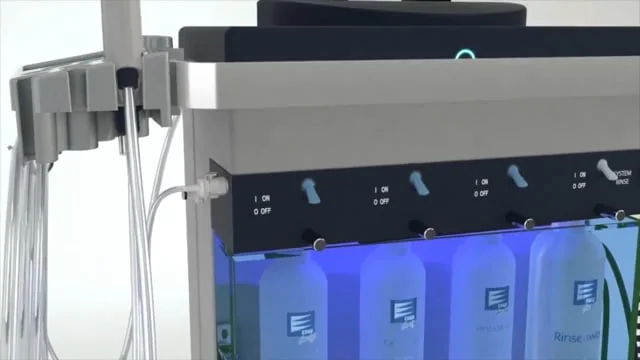
Step one, the detox, uses a lymphatic drainage tip to gently move stagnant fluid out of the face and prime the skin. Step two, the cleanse, uses the vortex tip to lift surface dirt and dead skin with a soft cleansing solution. Step three is the peel, a gentle glycolic and salicylic exfoliation, far softer than a traditional chemical peel and suitable for sensitive skin.
Step four does the heavy lifting. The extract-and-hydrate tip uses painless vacuum suction to clear congested pores while simultaneously infusing serums into the cleaned skin. Step five fuses antioxidants, hyaluronic acid and peptides into the freshly cleaned surface to plump, hydrate and protect. Step six, the rejuvenate, finishes with LED light therapy, red, infrared or blue depending on your concern, and an SPF before you leave.
The Express tier runs the six steps in thirty minutes. The five concern-based tiers above Express add boosters, an extended LED phase and a personalised serum stack, and they typically run forty-five to sixty minutes. There is no needling, no heat and no acid burn at any tier.

After your Hydrafacial
There is no downtime and no special aftercare beyond skipping heavy makeup, saunas and intense workouts for twenty-four hours. Continue your normal skincare from the next morning, pause retinol and exfoliating acids for forty-eight hours, and apply SPF 30 or higher daily for the first week to protect freshly exfoliated skin.
If you booked your Hydrafacial before a wedding, holiday or photoshoot, the sweet spot is four to seven days before the event. That gives any small extractions time to fully settle while the hydration and glow are still at their peak. Stay hydrated through the first day, especially if your therapist treated congestion or extraction-heavy zones.
For maintenance, book the next session four to six weeks out. That cadence matches the skin's natural turnover cycle and keeps the clarity you saw on day one. Patients on a concern-targeted tier, Anti-Ageing, Pigmentation or Acne, typically run a course of three to six sessions before stepping down to maintenance, with the schedule confirmed at the consultation.
Often paired with
Patients booking a Hydrafacial frequently consider dermaplaning as a complementary exfoliation step that removes peach fuzz before the vortex tip goes to work, chemical peels when the skin needs a deeper resurfacing than a Hydrafacial can offer, LED light therapy as an add-on to calm and brighten further, and microneedling when the goal is structural change in texture or scarring rather than surface glow.
Common questions
What patients ask first.
What is a Hydrafacial and how is it different from a normal facial? +
A Hydrafacial is the official six-step clinical facial protocol that uses a patented vortex tip to detox, cleanse, peel, extract, hydrate, fuse and protect, then LED rejuvenate the skin in a single appointment. A traditional facial relies on manual extraction and topical products applied by hand; a Hydrafacial combines that with a gentle vortex suction that lifts congestion out of pores while infusing serums in the same pass. The result is a deeper clean than a regular facial without the redness or downtime of a strong peel.
Which Hydrafacial tier should I book? +
Six concern-based tiers sit on top of the core protocol, and your therapist will agree the right one at the free consultation. Express, thirty minutes from £99, runs the core six steps for a clean, hydrated finish. Skin Health for Life adds boosters for ongoing maintenance. Anti-Ageing layers peptides for fine lines and firmness. Pigmentation and Sun Damage uses a brightening protocol for sun spots and uneven tone. Acne Treatment uses a salicylic-rich extraction for active congestion. JLO Glow is the premium luminosity protocol for major events. Tier pricing is confirmed in writing at the consultation.
How quickly will I see results from my Hydrafacial? +
Most patients see a noticeable difference in skin clarity, brightness and texture by the time they leave the treatment room. The hydration step plumps the skin so fine lines look softer immediately, and the extraction step clears congestion so the surface looks smoother on photographs. The peak result lands about twenty-four to forty-eight hours after the appointment, once any small extraction marks have settled. A single Hydrafacial gives a strong one-off result; a four to six week cadence builds longer-lasting clarity for congested, dull or first-signs-of-ageing skin.
Is a Hydrafacial suitable for sensitive skin or rosacea? +
It is one of the gentlest treatments on our menu and is suitable for most sensitive skin types, including mild rosacea, eczema in remission and reactive skin that does not tolerate stronger acid peels. The serums used in the vortex tips can be adjusted by your therapist to match your skin sensitivity, with calming and brightening blends available alongside the deeper-cleansing options. Active rosacea flares, broken skin and recent sunburn are reasons we would reschedule the appointment to a better moment.
How often should I have a Hydrafacial? +
For a one-off pre-event glow, a single Hydrafacial four to seven days before the event gives a great result. For ongoing skin clarity, congestion control and brightness, every four to six weeks works well for most skin types and aligns with the skin's natural turnover cycle. Patients with very oily or congested skin sometimes book fortnightly for the first two months, then drop to four to six weekly maintenance. Course pricing carries a discount for three, six and twelve-session blocks and is confirmed in writing at the consultation.
Are there any side effects after a Hydrafacial? +
Side effects are mild and short-lived. You may see slight redness on extraction areas for one to two hours, a small temporary breakout if congestion was lifted to the surface, and a softer skin barrier for the first night that benefits from gentle products. There is no peeling, no flaking and no need to take time off. You can wear light makeup the next day if you wish, although most patients enjoy the post-treatment glow enough to skip it for forty-eight hours.
How much does a Hydrafacial cost at CoLaz? +
A Hydrafacial at CoLaz starts from £99 for the thirty-minute Express, with six concern-based bundles rising to the premium JLO Glow. The right tier depends on your skin goals and the time you have, and the exact price is confirmed in writing at your free consultation before anything is booked. Courses and add-ons such as LED light therapy or boosters can be discussed at the same time. Prices can vary slightly by clinic, so your chosen location will confirm the final amount.
What are the benefits of a Hydrafacial? +
A Hydrafacial cleanses, gently exfoliates, extracts impurities and floods the skin with hydrating serums in one session, so most people leave with skin that looks brighter, smoother and plumper straight away. Over a course it can help with dullness, congestion and blocked pores, uneven texture, early fine lines and dehydration. Because it is gentle and needs no downtime, it suits most skin types and is popular both as a one-off glow before an event and as a regular monthly treatment to maintain skin health.
What skin concerns can a Hydrafacial treat? +
The concern-based bundles let us tailor the treatment to dull or tired skin, congestion and enlarged-looking pores, early fine lines, uneven tone and dehydration. It is a gentle resurfacing and hydrating facial rather than a treatment for deeper pigmentation, acne scarring or coarse texture, which may need a peel, microneedling or laser. We assess your skin at the free consultation and recommend the right bundle, or a combination with another treatment, for the concern you want to address.
Can I wear makeup after a Hydrafacial? +
There is no downtime, so you can wear makeup the same day if you wish, although many people enjoy the fresh, hydrated glow enough to leave the skin bare for the rest of the day. The serums absorb quickly and the skin is not left raw or peeling, so normal activities can resume straight away. We do suggest daily SPF afterwards, as freshly resurfaced skin benefits from sun protection, and your therapist will confirm any simple aftercare before you leave.
Still deciding
WhatsApp your nearest clinic. Reply within five minutes.
Where to book
Available at all seven UK clinics.
Start here
Derby
DE23 6PZ · 07533 030599
Visit clinic page
Hydrafacial in DerbyWembley
HA9 8AF
Hydrafacial in WembleyPaddington
W2 1JQ
Hydrafacial in PaddingtonSlough
SL1 4XP
Hydrafacial in SloughReading
RG30 1AD
Hydrafacial in ReadingSouthall
UB1 1NF
Hydrafacial in SouthallHounslow
TW5 0BY
Hydrafacial in HounslowFrom the CoLaz blog
Related reading.
8 min read
UK aesthetic treatment prices in 2026: an honest cost guide
Real UK price ranges for laser, skin and injectable treatments in 2026, the factors that move the cost, and why the lowest quote is rarely the safest.
8 min read
Hydrafacial vs facial: what is the actual difference?
A Hydrafacial and a traditional facial are two different categories of treatment. Here is how they differ on method, results, downtime and price, and which suits your skin.
7 min read
Dermaplaning aftercare: what to use and what to avoid
Dermaplaning removes the top layer of dead skin, so your face is briefly more sensitive to sun, heat and active ingredients. Here is the realistic aftercare guide we give every CoLaz patient.
8 min read
Do chemical peels work for acne scars?
Chemical peels can soften acne scars, but the scar type decides the peel. TCA, glycolic and salicylic peels each suit different scars, and a combination plan usually beats a single treatment.
9 min read
How to choose an aesthetic clinic in the UK: 10 things to check
The UK aesthetic industry is largely unregulated. Here are the 10 things any patient should check before they book a treatment, from JCCP and Save Face registers to written consultation policy.
8 min read
What does Hydrafacial actually do for your skin?
Hydrafacial is a three-step device facial using salicylic and glycolic acids, gentle suction and a hydrating serum. Here is what each step does, what the clinical evidence shows, and how it sits next to peels and microneedling.
Often considered alongside
Related treatments.
First to consider
Dermaplaning
Dermaplaning at CoLaz is a precise manual exfoliation using a single-use sterile surgical blade to remove dead skin cells and fine vellus hair (peach fuzz) from the face.
Hair removal
Skin rejuvenation
Chemical Skin Peels
Chemical peels at CoLaz are professional-grade acid-based treatments that lift the dull outer layer of skin to reveal brighter, smoother, more even-toned skin underneath.
Skin rejuvenation
LED Light Therapy
LED at CoLaz uses precise wavelengths of light, red for collagen and anti-ageing, blue for acne bacteria, near-infrared for deeper healing, to improve the skin without heat, UV, needles or downtime.
Skin rejuvenation
Microneedling
Microneedling at CoLaz is a collagen-induction treatment that uses a Dermapen device to create thousands of microscopic channels in the skin, triggering the body to lay down new collagen and elastin in response.
Begin
Book a free consultation,
without obligation.
Tell us what you would like to change. Your clinician will recommend a plan, confirm the price in writing, and leave the booking to you.
Book a free consultation →