
Skin · 14 August 2025 · 8 min read
What to Do If Microdermabrasion Ruined Your Skin: 9 Fixes
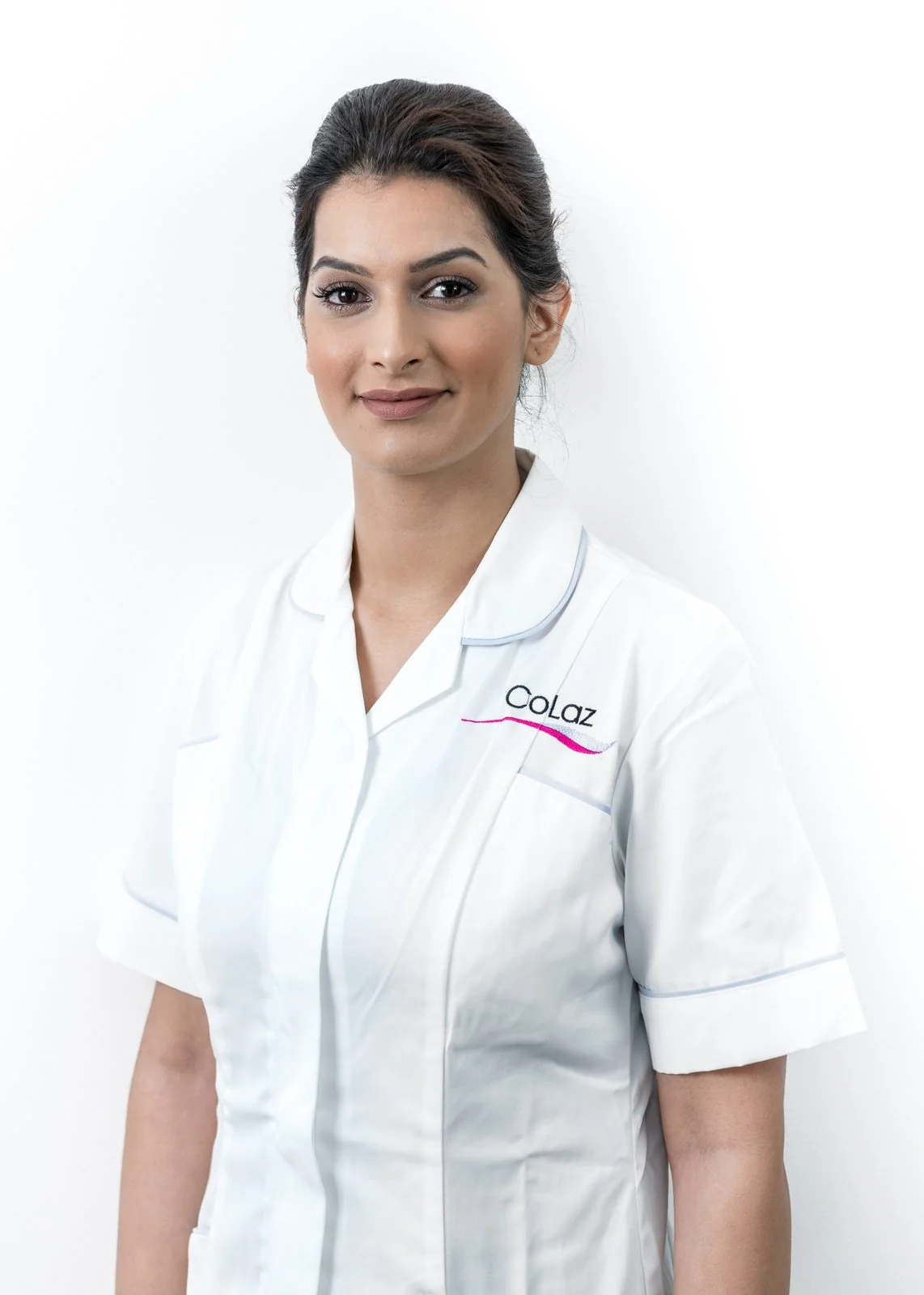
By Alaiyka Parvez
Owner, CoLaz Aesthetics Clinic
The short version
- • Most microdermabrasion reactions are short-term irritation, not permanent damage, and settle within a few days of gentle care.
- • Stop all active and abrasive products first: no retinoids, acids, scrubs or fragranced products while the skin recovers.
- • Soothe and rehydrate with a fragrance-free ceramide moisturiser, then protect the area every day with SPF 30 or higher to prevent dark marks.
- • See a GP or dermatologist if you have blistering, spreading redness, signs of infection, or irritation that does not improve within a week.
- • At CoLaz, we assess the skin first, plan any recovery support in writing, and only restart treatments once the barrier is healthy.
If microdermabrasion has left your skin red, raw, flaking or unusually sensitive, the honest first message is this: in most cases it is irritation, not lasting damage. Stop every active and abrasive product, switch to a gentle fragrance-free routine, rehydrate and protect the area with daily sun protection, and see a professional if it does not settle. Microdermabrasion only treats the surface layer of the skin, so it usually recovers quickly with the right care.
Below are nine practical steps to calm your skin, repair the barrier, and get you back to a healthy baseline, along with the clear signs that mean you should stop self-treating and get medical help. The aim is a realistic recovery plan, not panic.
Is your skin actually damaged, or is this normal healing?
Most redness, tightness and light flaking after microdermabrasion is a normal short-term reaction rather than a sign of lasting harm. After treatment, skin is commonly pink or slightly swollen, and the AAD guidance notes this usually fades within a day, with occasional bruising, stinging or heightened sun sensitivity that also resolves on its own.
The reason recovery is usually fast is mechanical. Microdermabrasion exfoliates the outer epidermis with fine crystals or a diamond tip, and because it works on the surface, the Cleveland Clinic describes the skin as recovering quickly, with most people able to return to normal activity the same day. Histology research backs this up: one clinical study found microdermabrasion is a safe technique that triggers a reparative process in the skin.
Genuine problems are the exception, not the rule. If you have deep raw patches, blistering, weeping, spreading redness, or pain that is getting worse rather than better, treat that as a warning sign and skip to the section on seeing a professional.
Fix 1: What should you stop using straight away?
Stop every active and abrasive product the moment your skin reacts, because piling actives onto already-irritated skin is the fastest way to make things worse. Freshly exfoliated skin has a thinner protective layer and much less tolerance than usual.
For at least one to two weeks, or until your skin feels normal again, pause the following:
- Retinoids (retinol, tretinoin, retinaldehyde), which thin and sensitise recovering skin.
- Exfoliating acids, including AHAs, BHAs and any at-home peel, plus all physical scrubs.
- Vitamin C and other strong actives that can sting compromised skin.
- Fragranced products and alcohol-based toners, which the AAD advises against on dry or irritated skin.
Strip your routine back to the basics: a gentle fragrance-free cleanser, a simple moisturiser, and sun protection. That is the whole plan for now. Adding more products is the opposite of what recovering skin needs.
Fix 2: How do you calm and rehydrate the skin?
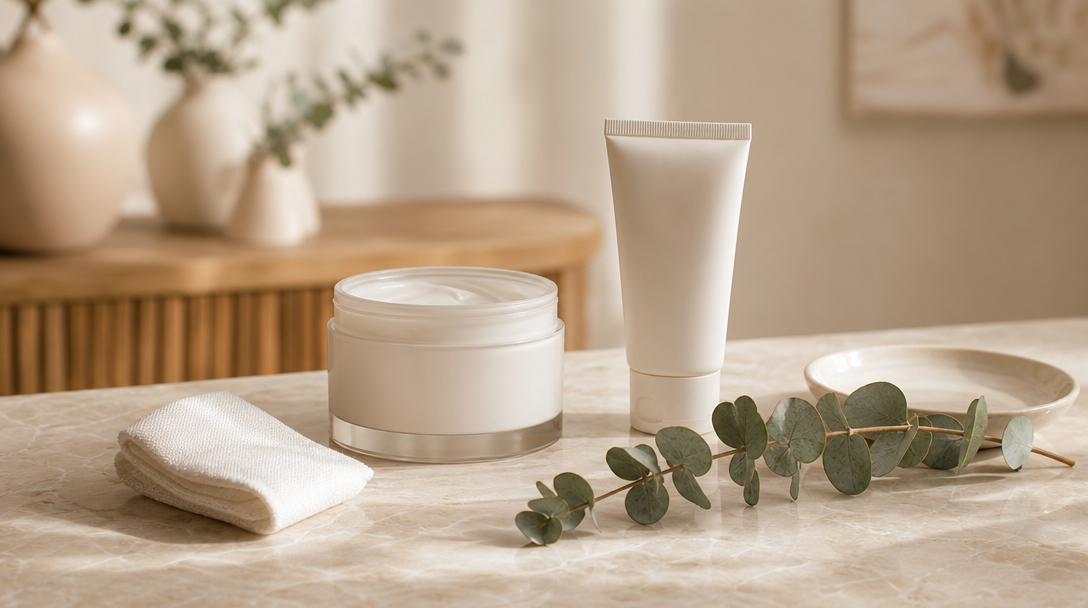
Soothe irritation and rebuild the barrier with gentle, fragrance-free hydration rather than anything active. The goal is to reduce water loss through the damaged surface and let your skin repair its own protective lipids.
A few steps that help most people:
- Use a ceramide or hyaluronic acid moisturiser. The AAD advises a cream or ointment over a light lotion, applied while skin is still slightly damp, to lock in moisture.
- Cleanse gently with lukewarm water. Hot water strips lipids and worsens tightness, so keep washing short and mild.
- Apply a cool compress for a few minutes if the skin feels hot or swollen, patting rather than rubbing.
- Keep it simple and consistent. Morning and evening is enough while the barrier recovers.
Pat products on with clean hands. Barrier recovery typically follows the skin’s natural renewal cycle, so allow a couple of weeks of steady care before judging the result.
Fix 3: Why is sun protection the most important single step?
Daily sun protection is the most important step because recovering skin is more vulnerable to UV, and unprotected exposure is the main trigger for dark marks after any exfoliating treatment. This is the step most people skip and later regret.
When skin is inflamed or freshly exfoliated, it can produce excess melanin in response to injury, a reaction the PIH review links directly to cosmetic procedures and stresses that daily broad-spectrum SPF is central to preventing. The NHS recommends at least SPF 30 with a 4-star UVA rating, applied generously and reapplied every two hours and after sweating.
Practical rules while you heal:
- Wear SPF 30 or higher every day, including cloudy days and indoors near windows.
- Reapply through the day if you are outside.
- Add a wide-brimmed hat and shade, and avoid the strongest midday sun.
- Choose a gentle, fragrance-free formula so it does not sting recovering skin.
Fix 4: When should you see a GP or dermatologist?
See a GP or dermatologist if your skin is not improving within about a week, or sooner if you notice any warning signs. Most irritation settles on its own, but some reactions need proper assessment.
Book medical advice if you have:
- Blistering, weeping, crusting or spreading redness, which can signal a burn or infection.
- Signs of infection, such as increasing pain, heat, pus or a fever.
- Persistent or worsening irritation beyond seven to ten days of gentle care.
- New dark or light patches that are not fading, which may be post-inflammatory pigment change.
A clinician can rule out infection, prescribe a short course of a soothing or anti-inflammatory treatment if needed, and advise on pigmentation. Take a note of when you had the treatment and what products you have used since, as it helps them work out the cause quickly.
Fix 5: Should you pause other treatments while you heal?
Yes, pause all other facial treatments until the skin has fully recovered, because stacking procedures onto a compromised barrier raises the risk of a bigger reaction. Recovering skin needs a rest, not more intervention.
While you heal, hold off on:
- Further exfoliating facials, microdermabrasion or at-home peels.
- Laser, IPL and other energy-device treatments on the area.
- Waxing or threading over irritated skin.
- Injectables in the affected area until the surface is calm.
There is no fixed universal timeline, so let your skin be the guide and confirm any restart with a qualified clinician. As a rule, wait until the redness, tightness and flaking have completely gone before booking anything new.
Fix 6: Can diet and hydration support your skin’s recovery?
A balanced diet and good hydration support your skin’s natural repair, though they work alongside gentle skincare rather than replacing it. Skin heals better when the body has the building blocks it needs.
Simple, sensible habits help:
- Drink water steadily through the day to support overall hydration.
- Eat antioxidant-rich foods, such as berries, leafy greens and colourful vegetables.
- Include healthy fats, such as oily fish, nuts, avocado and olive oil, which support the skin barrier.
- Go easy on very sugary, highly processed foods while you recover.
None of this is a quick fix, and no food repairs a barrier overnight. Think of it as giving your skin a steady, calm environment to do its own repair work.
Fix 7: How do you stop making it worse?
Leave the skin alone. The single biggest self-inflicted setback during recovery is picking, peeling or over-treating skin that is trying to heal.
- Do not pick or pull at flaking skin. Let flakes shed on their own so you do not create raw patches or scarring.
- Do not over-cleanse or scrub in an attempt to speed things up.
- Do not test the skin’s tolerance by reintroducing actives early.
- Do not layer on lots of new products hoping one will fix it, which usually adds irritation.
Patience is genuinely part of the treatment here. Steady, minimal care almost always beats aggressive intervention on recovering skin.
Fix 8: What professional treatments help once you have healed?
Once the barrier is fully healthy again, gentle professional treatments can help restore comfort, hydration and even tone, but only after the skin has settled. The order matters: repair first, treat second.

Depending on your skin and goals, options a clinic may suggest include:
- A hydrating, non-abrasive facial such as a Hydrafacial to cleanse and rehydrate gently.
- LED light therapy to calm inflammation and support healing.
- Careful, professionally matched chemical peels once the barrier is robust, if tone or texture is a concern.
- Where microdermabrasion is still right for you, a professionally delivered diamond peel at correct settings.
The evidence for microdermabrasion done properly is reassuring: research on skin rejuvenation shows measurable improvements in tone and texture, and histology research confirms it stimulates healthy skin remodelling when performed correctly. The problems tend to come from over-aggressive settings or poor aftercare, not the treatment itself.
Fix 9: How do you prevent this happening again?
Prevent a repeat by matching the treatment to your skin, using a trained provider, and following aftercare properly. Most bad microdermabrasion experiences trace back to one of those three being missed.
Sensible safeguards for next time:
- Choose an accredited provider. UK aesthetics is supported by voluntary registers such as the JCCP and Save Face, both recognised by the Professional Standards Authority.
- Start with a consultation. Very sensitive, reactive or rosacea-prone skin may not suit microdermabrasion, and a good clinician will say so.
- Space treatments sensibly. The AAD guidance notes some skin needs several weeks between sessions, not days.
- Follow the aftercare in writing, especially the sun protection.
The goal is a treatment plan that fits your skin, not the most aggressive setting on the day.
How CoLaz approaches skin recovery and microdermabrasion
At CoLaz, every skin treatment starts with a free consultation where we assess your skin type, history and goals before we recommend anything. If your barrier is irritated, our first job is to help it recover, not to sell you another treatment. We plan any recovery support in writing and only restart active treatments once your skin is healthy.
Across our seven UK clinics, our microdermabrasion is delivered as a professionally matched diamond peel at settings chosen for your skin, with clear aftercare so you know exactly how to look after the area at home. If a treatment is not right for you, we will tell you, because saying no when it protects the skin is part of how we work.
If your skin has reacted to a treatment elsewhere, or you want microdermabrasion done safely, book a free consultation at your nearest CoLaz clinic. Bring a note of what was done and what you have used since, and we will plan a calm recovery and a sensible way forward from there.
Ready to begin
Book a free Diamond Peel Treatment consultation at your nearest CoLaz clinic.
Thirty minutes with a qualified clinician. Skin assessment, candid recommendation, no obligation. Read about Diamond Peel Treatment at CoLaz, from £45 (Express, 30 minutes, single session).
WhatsApp replies in minutes during opening hours
About the author
Alaiyka Parvez
Owner, CoLaz Aesthetics Clinic
Alaiyka Parvez bought the CoLaz franchise network in 2023, having joined the company as a Slough clinic employee in 2013 and gone on to open the Hounslow and Wembley franchises. She writes here on the treatments CoLaz delivers across its seven UK clinics.
Read more about Alaiyka and CoLaz →More on Skin
Keep reading.

11 August 2026 · 10 min
HIFU treatment results: month by month, what is realistic
HIFU tightens skin gradually rather than instantly. Here is the honest month-by-month results timeline, how long the effect lasts, and who is a good candidate.
28 July 2026 · 10 min
Types of chemical peels: glycolic, salicylic, TCA and Jessner explained
Glycolic for dull and sun-damaged skin, salicylic for oily and acne-prone, lactic for sensitive, mandelic for pigmentation in deeper skin tones, TCA for resurfacing with downtime. A clear decision guide to the main types of chemical peels.

14 July 2026 · 7 min
Microneedling aftercare day by day: the realistic 7-day timeline
What to expect after microneedling, day by day, plus the simple aftercare that protects your skin and your results across the first week.
Begin
Book a free consultation
at your nearest CoLaz clinic.
Thirty minutes with a qualified clinician. Skin assessment, candid recommendation, written plan. No obligation.