
Skin brightening that works: evening out tone safely
 Owner, CoLaz Aesthetics Clinic
The short version
- The goal most people actually want is even tone and fewer dark spots, and that is achievable safely; aggressive skin bleaching is not the way to get it.
- The single most effective step is daily SPF, because UV is the main driver of uneven pigmentation.
- Proven topicals include vitamin C, niacinamide, azelaic acid, kojic acid, alpha arbutin and, where appropriate, prescription options.
- Professional treatments such as chemical peels, IPL, microneedling and targeted depigmentation programmes work on stubborn pigmentation.
- Avoid unregulated skin-whitening creams and injections; some contain banned ingredients such as high-dose hydroquinone, steroids or mercury.
When people search for skin whitening that works, what most of them really want is even skin tone, a brighter complexion and fewer dark spots, not bleached skin. That is an important distinction, because evening out pigmentation can be done safely and effectively, whereas aggressive skin-bleaching is both risky and, with some products, illegal. Here is what genuinely works, and what to avoid.
At CoLaz we treat pigmentation and uneven tone, not skin colour. The aim is your skin, more even and healthier, which is exactly what the methods below deliver.
Start with the one thing that matters most: SPF
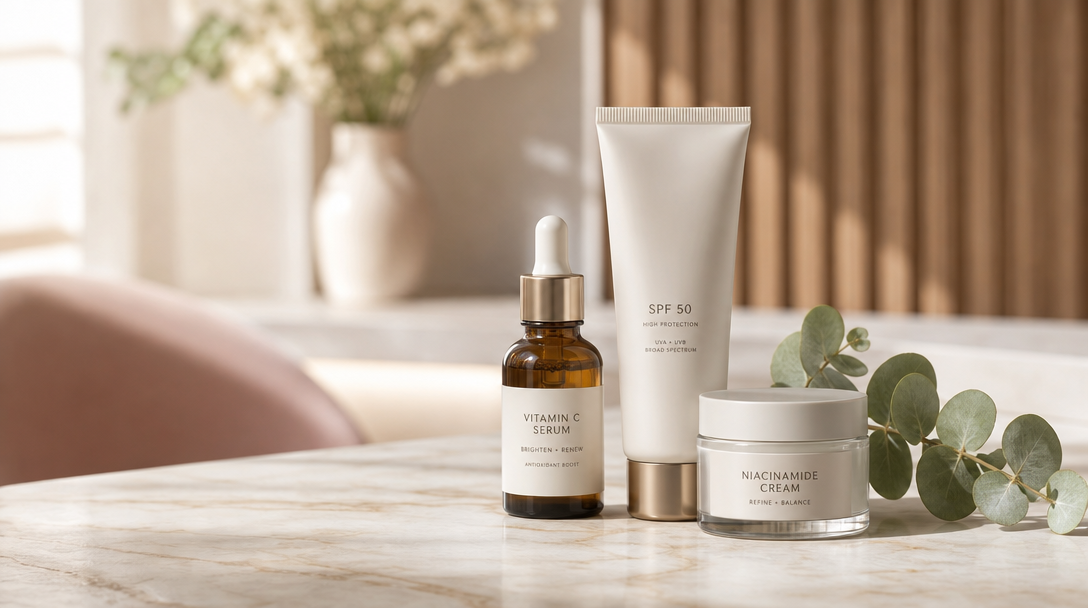
Most uneven pigmentation, from sun spots to melasma, is driven or worsened by UV exposure. Without daily sun protection, every other treatment is working against the tide. The NHS sun safety guidance and dermatology advice are unanimous: broad-spectrum SPF 30 or higher, every day, is the foundation of any brightening routine. For conditions like melasma, sun protection is the single most important step.
Topical ingredients with real evidence
Several over-the-counter and prescription ingredients genuinely fade pigmentation when used consistently:
- Vitamin C brightens and protects against UV-driven pigment.
- Niacinamide (vitamin B3) helps fade dark spots and evens tone, as summarised by DermNet.
- Azelaic acid is effective for post-inflammatory marks and is safe in pregnancy.
- Kojic acid and alpha arbutin gently reduce excess pigment.
- Prescription options (such as carefully supervised hydroquinone or retinoids) are used for stubborn cases under professional guidance.
These work gradually over weeks to months, not overnight.
Professional treatments for stubborn pigmentation
When topicals and SPF are not enough, in-clinic treatments step up the results:
- Chemical peels (glycolic, lactic, salicylic) lift pigmented surface cells and accelerate renewal.
- IPL skin rejuvenation targets sun-related brown spots and uneven tone.
- Microneedling improves overall tone and texture and helps topicals penetrate.
- Targeted depigmentation programmes such as Cosmelan are designed specifically for melasma and persistent pigmentation.
The right choice depends on your skin type and the cause of the pigmentation, which is what a consultation determines. Pigmentation in deeper skin tones in particular needs careful, experienced treatment to avoid making marks worse, as the AAD notes.
What to avoid
This is the important safety part. Steer well clear of unregulated skin-whitening creams and injections bought online or abroad. The NHS warns that some illegal skin-lightening products contain banned ingredients such as high-strength hydroquinone, potent steroids, or even mercury, which can permanently damage your skin and your health. Home remedies like lemon juice can also irritate and sensitise skin. There is no safe shortcut.
The realistic bottom line
Safe, lasting brightening is about reducing excess pigment and protecting the skin, with daily SPF, proven topicals and, where needed, professional treatments. It takes consistency, but it works, and it does so without the risks of skin-bleaching. If uneven tone or dark spots bother you, a consultation is the place to build a plan for your skin.
Ready to begin
Book a free Cosmelan Depigmentation Peel consultation at your nearest CoLaz clinic
Time with a qualified clinician: a skin assessment, an honest recommendation and no obligation. Read about Cosmelan Depigmentation Peel at CoLaz, from £1,250 (full protocol, mask + at-home cream).
More on Skin
Keep reading
-

Acnelan treatment: the in-clinic peel for active, inflammatory acne
Acnelan is a professional acne peel system with a daily home routine. Here is what is in it, how the course runs, what results look like and when another route suits you better. Read the article -

Sunekos vs Profhilo: which skin booster is right for your skin?
Sunekos and Profhilo are both injectable skin boosters, but one is pure stabilised hyaluronic acid and the other adds amino acids. Here is how they differ and how to choose. Read the article -

PRP face treatment (the vampire facial): what it actually does for your skin
PRP uses a small sample of your own blood to support collagen and skin repair. Here is what the research really shows, how many sessions most people need and what to expect on the day. Read the article
Book a free consultation at your nearest CoLaz clinic
Time with a qualified clinician: a skin assessment, an honest recommendation and a written plan. No obligation.