
Skin · 3 May 2026 · 6 min read
How to heal skin after a yeast infection
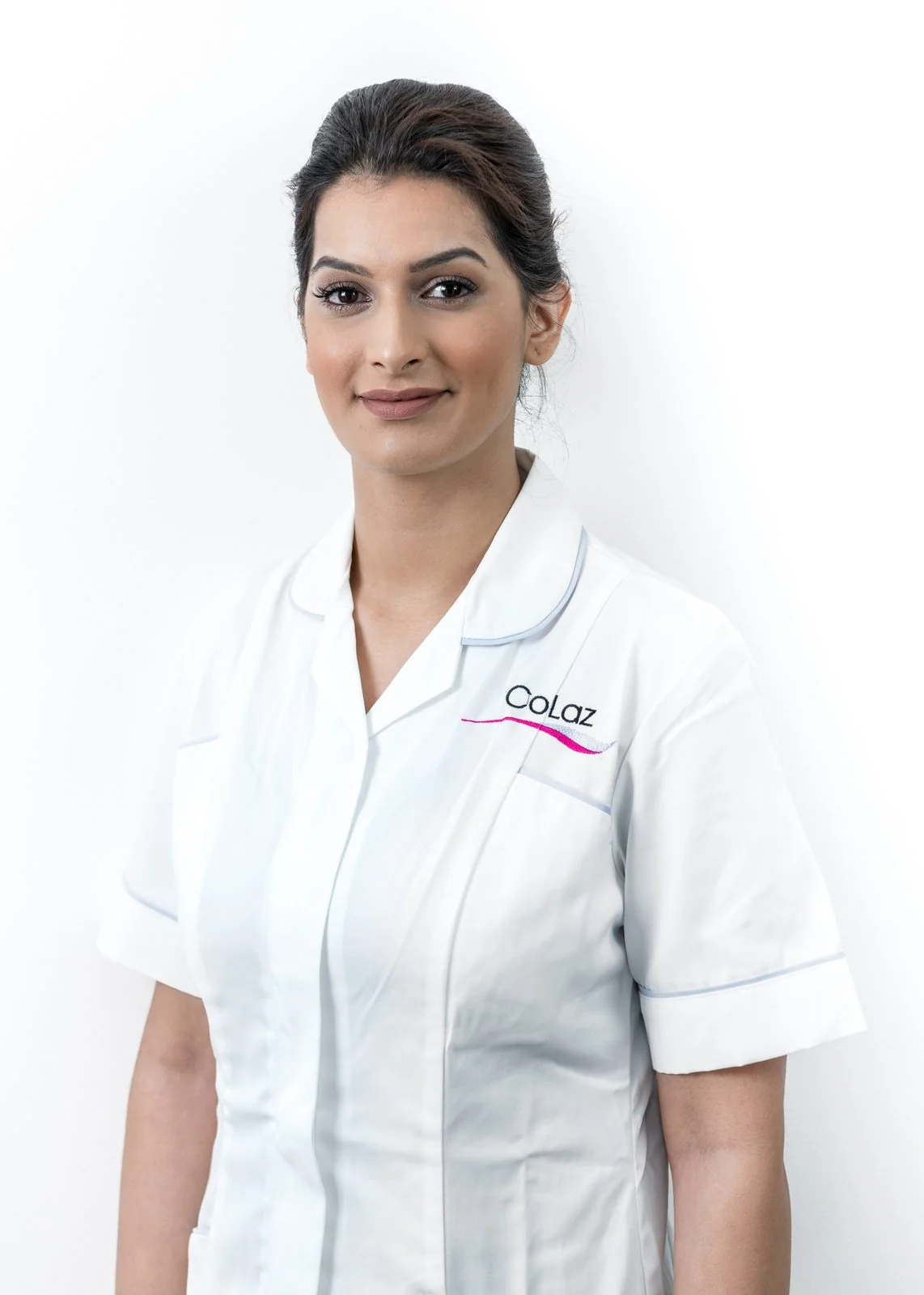
By Alaiyka Parvez
Owner, CoLaz Aesthetics Clinic
The short version
- • Treat the fungal infection itself first with an antifungal; skin healing comes after the infection is controlled.
- • Cleanse gently with lukewarm water and a fragrance-free wash, and pat dry rather than rub.
- • Rebuild the skin barrier with a fragrance-free ceramide moisturiser, and use a barrier cream in friction-prone folds.
- • Keep the area dry and airy, wear loose cotton clothing, and avoid scented products until fully healed.
- • See a doctor if it is not improving after a week, keeps coming back, or is spreading.
A skin yeast infection, caused by an overgrowth of candida in warm, moist areas such as skin folds, the groin or under the arms, can leave the skin red, itchy, sore and tender even after the infection is under control. Healing it well is a two-step job: clear the infection first, then support the skin’s recovery. Here is how to do both safely.
A quick but important note: this is general guidance, not a diagnosis. If you are not sure what the rash is, or it is not settling, see a pharmacist or GP.
Step one: treat the infection first
Skin will not heal properly while the fungus is still active, so the infection has to be treated first. Mild cases usually respond to an over-the-counter antifungal cream such as clotrimazole or miconazole; more stubborn or widespread cases may need a stronger or oral antifungal from your GP. Follow the full course as directed, as the NHS antifungal guidance and DermNet’s candida overview explain, even once it looks better.
Step two: cleanse gently
Once you are treating the infection, keep the area clean without being harsh:
- Use lukewarm water and a fragrance-free, gentle wash.
- Pat the skin dry rather than rubbing, since friction irritates and delays healing.
- Drying thoroughly matters, because candida thrives in moisture.
Step three: rebuild the barrier
Healing skin needs hydration and a restored barrier:
- Apply a fragrance-free moisturiser containing ceramides, ideally twice a day and just after washing while skin is slightly damp, as the NHS advises for dry skin.
- In areas prone to rubbing, a barrier cream such as zinc oxide protects against moisture and friction while the skin recovers.
Step four: calm irritation
To ease redness and itching:
- A cool compress for around 10 minutes soothes burning.
- Aloe vera gel can be cooling and calming.
- A short course of low-strength hydrocortisone can reduce inflammation, but check with a pharmacist or doctor first, since steroids on an active fungal infection can make it worse (NHS hydrocortisone guidance).
- Avoid scratching, which risks a secondary infection.
Step five: avoid the triggers
Help the skin stay dry and undisturbed:
- Wear loose, breathable cotton clothing.
- Change out of damp or sweaty clothes promptly.
- Avoid scented soaps, lotions and, in the affected area, makeup and deodorant until fully healed.
- Limit sugar and stay hydrated, which supports overall skin recovery.
What about the marks left behind?
Mild redness or darker patches often linger after the infection clears. This is post-inflammatory hyperpigmentation and usually fades gradually with gentle care and sun protection. If discolouration or texture changes are stubborn once the skin has fully healed, gentle professional treatments such as a Hydrafacial, LED light therapy or IPL can help even things out, but only on healthy, fully recovered skin.
When to see a doctor
Seek medical advice if the infection is not improving after a week, keeps recurring, is spreading, or home care is not helping. Recurrent yeast infections can sometimes point to an underlying issue worth checking.
Ready to begin
Book a free Hydrafacial consultation at your nearest CoLaz clinic.
Thirty minutes with a qualified clinician. Skin assessment, candid recommendation, no obligation. Read about Hydrafacial at CoLaz, from £99 (Express, 30 minutes).
WhatsApp replies in minutes during opening hours
About the author
Alaiyka Parvez
Owner, CoLaz Aesthetics Clinic
Alaiyka Parvez bought the CoLaz franchise network in 2023, having joined the company as a Slough clinic employee in 2013 and gone on to open the Hounslow and Wembley franchises. She writes here on the treatments CoLaz delivers across its seven UK clinics.
Read more about Alaiyka and CoLaz →More on Skin
Keep reading.

11 August 2026 · 10 min
HIFU treatment results: month by month, what is realistic
HIFU tightens skin gradually rather than instantly. Here is the honest month-by-month results timeline, how long the effect lasts, and who is a good candidate.
28 July 2026 · 10 min
Types of chemical peels: glycolic, salicylic, TCA and Jessner explained
Glycolic for dull and sun-damaged skin, salicylic for oily and acne-prone, lactic for sensitive, mandelic for pigmentation in deeper skin tones, TCA for resurfacing with downtime. A clear decision guide to the main types of chemical peels.

14 July 2026 · 7 min
Microneedling aftercare day by day: the realistic 7-day timeline
What to expect after microneedling, day by day, plus the simple aftercare that protects your skin and your results across the first week.
Begin
Book a free consultation
at your nearest CoLaz clinic.
Thirty minutes with a qualified clinician. Skin assessment, candid recommendation, written plan. No obligation.