
Body · 18 March 2026 · 8 min read
Foods to Avoid After Lemon Bottle Injections: A Simple Guide
By Alaiyka Parvez
Owner, CoLaz Aesthetics Clinic
The short version
- • There is no strict banned-food list after Lemon Bottle injections, but easing off a few things helps you recover more comfortably.
- • Alcohol is the main one to pause, since it can thin the blood, widen blood vessels and add to swelling and bruising.
- • High-salt foods encourage the body to hold water, which can add short-term puffiness while your body settles.
- • Sugary, heavily processed and very greasy foods are linked with more inflammation, so keep them light for a few days.
- • Focus on water, protein and vitamin-rich foods, and always follow the personal aftercare advice from your CoLaz clinician.
If you have booked a Lemon Bottle fat dissolving treatment, one of the most common questions is what you can and cannot eat afterwards. The honest answer is that there is no strict banned-food list, but a few sensible choices in the first few days can help your body settle more comfortably and keep swelling to a minimum.
Lemon Bottle is injected into small pockets of fat, and your body needs to clear the treated area through its own natural processes over the following weeks. What you eat and drink will not make or break your result, but it can affect how puffy, bruised or bloated you feel while you recover. This guide walks through the foods worth easing off, the reasons behind each one, and what to reach for instead.
TL;DR
- There is no official banned-food list after Lemon Bottle injections, but a few small changes help you recover more comfortably.
- Pause alcohol first: it can thin the blood, widen blood vessels and add to swelling and bruising.
- Go easy on salty foods, which encourage the body to hold water and can add short-term puffiness.
- Keep sugary, heavily processed and very greasy foods light for a few days, since they are linked with more inflammation.
- Lean into water, protein and vitamin-rich foods, and always follow the personal aftercare advice your CoLaz clinician gives you.
What should you avoid eating after Lemon Bottle injections?
There is no medically enforced list, but most clinicians suggest easing off alcohol, very salty foods, sugary foods, heavily processed foods, greasy fried foods and excess caffeine for the first few days. None of these are dangerous in normal amounts. The point is that each one can add to swelling, water retention or inflammation at exactly the time your body is trying to calm down and clear the treated area.
Think of it as giving your body the easiest possible conditions to recover, rather than a punishing detox. A few mindful swaps for two or three days is usually all that is needed.
Why does what you eat matter after a fat dissolving injection?
Diet matters because your recovery depends on hydration, steady circulation and low inflammation, and food influences all three. After any injectable treatment there is a short healing phase where the body manages minor swelling and clears the treated area.
Research on skin and tissue recovery consistently points to the same basics: good hydration, enough protein, and key vitamins all support the repair process, while dehydration and inflammation work against it. You do not need supplements or a special plan. You just want to avoid the handful of foods and drinks that tend to make swelling and puffiness worse, and lean towards the ones that help.
It is also worth remembering that Lemon Bottle is intended for small, stubborn pockets of fat in people already close to their target weight. It is not a weight-loss treatment, so the goal of good aftercare is comfort and a smooth recovery, not rapid change on the scales.
Should you avoid alcohol after Lemon Bottle injections?
Yes, pausing alcohol for at least 24 to 72 hours is the single most useful change you can make. Alcohol works against recovery in a few specific ways.
NHS surgical guidance notes that drinking alcohol affects the body’s ability to fight infection, stop bleeding and heal. It also widens blood vessels, which can increase swelling and bruising in a treated area. On top of that, alcohol is dehydrating, and steady hydration is one of the things that helps your body do its job in the days after treatment.
There is a deeper reason too. Studies on alcohol and healing show it can disrupt the immune and repair signals your body relies on to recover tissue. For a comfortable recovery, it is sensible to skip alcohol for the first two to three days, and longer if you bruise easily.
Do salty foods affect your results?
Salty foods will not undo your treatment, but they can make you look and feel puffier while your body settles. Salt encourages the body to hold on to water, so a very salty few days can add to short-term swelling around the treated area.
The NHS advises adults to eat no more than 6g of salt a day, which is about one level teaspoon, and most of that already comes from everyday packaged foods. When you eat a lot of salt, the body retains fluid to keep its sodium balance steady, which is what shows up as bloating and puffiness.
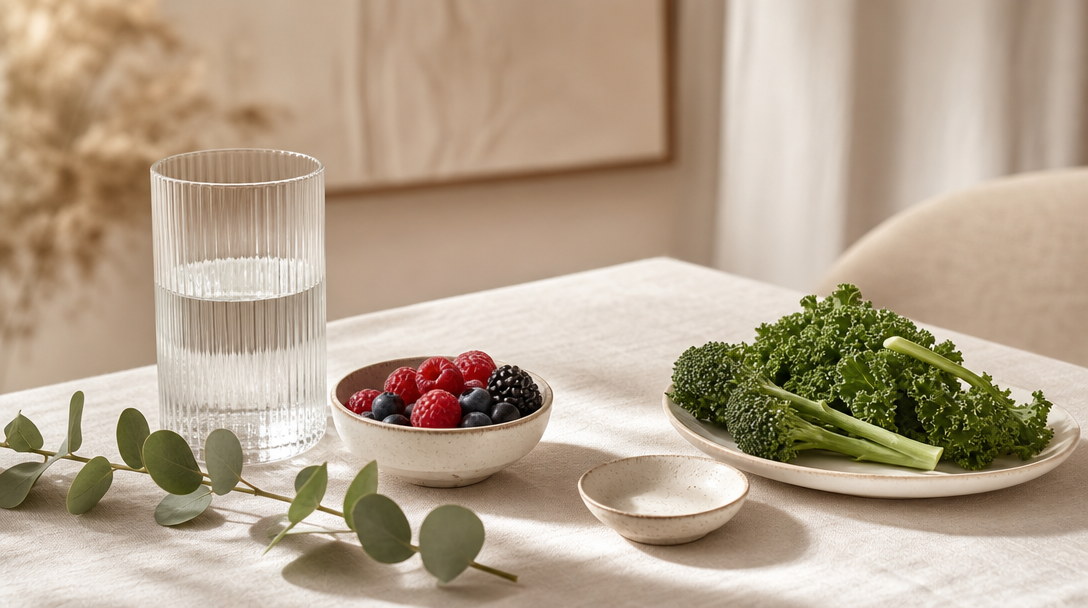
The usual culprits are easy to spot: crisps and salted snacks, instant noodles, tinned soups, ready meals and most fast food. Easing off these for a few days, and drinking plenty of water, helps your body clear excess fluid so any early puffiness settles sooner.
Is sugar a problem after fat dissolving injections?
Sugar is worth keeping light because it is linked with more inflammation, and inflammation is what you want to keep low while you recover. A single treat will not cause a problem, but a run of very sugary days can leave you feeling more swollen and sluggish.
A large body of research connects high sugar intake with low-grade chronic inflammation. For a few days after treatment, it makes sense to go easy on fizzy drinks, sweetened juices, cakes, pastries and desserts, and to choose whole fruit if you want something sweet. This is a short-term nudge, not a lasting change to your diet.
What about processed, greasy and refined foods?
These sit in the same bracket as sugar and salt: fine in moderation, but best kept light for a few days because they tend to add to inflammation and fluid retention. Heavily processed foods often combine high salt, refined carbohydrates and less helpful fats in one package, which is why they are worth easing off together.
A few practical swaps for the first few days:
- Instead of ready meals and takeaways, choose simple home-cooked meals with lean protein and vegetables.
- Instead of white bread and refined pasta, choose wholegrain versions or add a portion of vegetables.
- Instead of fried, greasy foods, choose grilled, baked or steamed options.
None of this needs to be strict. The aim is simply to give your body clean, nutrient-rich fuel while it does the work of clearing the treated area.
Does caffeine really dehydrate you after treatment?
The dehydration worry around caffeine is often overstated, but very high intakes can still tip your fluid balance, so moderation is the sensible approach. A normal cup or two of coffee is unlikely to be a problem.
Research is reassuring here. A meta-analysis found caffeine has only a minor diuretic effect, and a controlled study found no evidence of dehydration with moderate daily coffee in regular drinkers. The practical takeaway is not to cut caffeine out completely, but to avoid large amounts of strong coffee and energy drinks, and to make sure water is your main drink for the first few days.
Should you avoid spicy foods?
Very spicy foods are worth easing off for the first day or two, mainly for comfort. Spice can leave some people feeling flushed or a little inflamed, and if you are already managing minor swelling, a very hot meal can be less comfortable than usual.
This one is individual. If spicy food never bothers you, you may notice nothing at all. If you tend to feel warm or puffy after a hot curry, give it a couple of days before returning to your usual heat level.
What should you eat and drink instead?
Focus on water, protein and vitamin-rich whole foods, which are the building blocks your body uses to recover. This is where good aftercare really pays off, and it is far more useful than fixating on a list of foods to avoid.
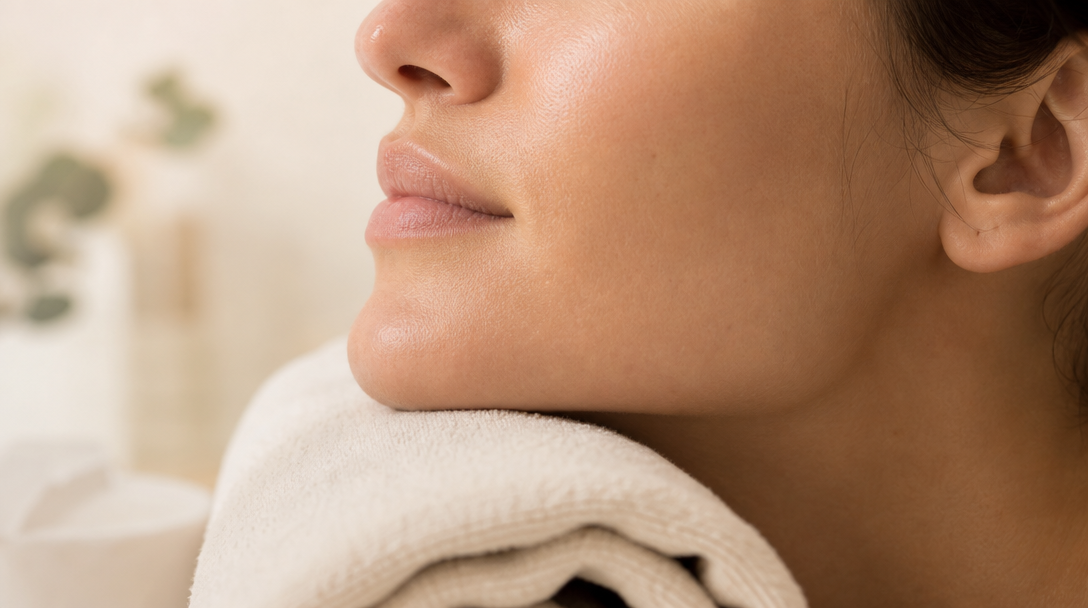
A simple recovery plate looks like this:
- Water first. Steady hydration supports circulation and helps your body clear the treated area. Keep a bottle with you and sip through the day.
- Enough protein. Protein is central to tissue repair, and NHS dietitian guidance highlights sources such as eggs, fish, lean meat, beans and lentils.
- Vitamin C and colourful vegetables. Vitamin C supports collagen and skin repair, so berries, citrus, peppers, broccoli and leafy greens are all good choices.
- Whole, minimally processed meals. Simple food that is low in added salt and sugar keeps inflammation and fluid retention down.
If you want to understand the treatment itself in more detail, our guide to Lemon Bottle explains what it is and how it is used, and the treatment page covers what to expect at CoLaz.
How long should you follow these food rules?
For most people, two to three days of mindful eating covers the period when it matters most. That is when early swelling and puffiness tend to be at their peak, so it is the window where easing off alcohol, salt and sugar makes the biggest difference to how you feel.
After that, you can return to your normal way of eating, keeping water and balanced meals as the everyday baseline. If your clinician gives you specific timings in your personal aftercare advice, always follow those, since they take your treated area and medical history into account.
Choosing a safe clinic matters more than any food list
The most important part of a good outcome is having your treatment done properly, by a qualified clinician, in a regulated clinic. Lemon Bottle is sold widely and is not a licensed medicine in the UK, and the General Pharmaceutical Council has publicly warned about products in this category being sold and used without proper safeguards.
At CoLaz, every fat dissolving enquiry starts with a full consultation about your goals, your suitability and the regulatory facts, and our clinicians talk you through both Lemon Bottle and the regulated alternative, Aqualyx. For some people, a non-injectable option such as ultrasound cavitation suits them better, and we will tell you that openly.
If you are planning a treatment or want honest advice on your options, book a free consultation at your nearest CoLaz clinic. Good aftercare starts with the right treatment, in the right hands, and a clear plan you feel comfortable with.
Ready to begin
Book a free Lemon Bottle Fat Dissolving Injection consultation at your nearest CoLaz clinic.
Thirty minutes with a qualified clinician. Skin assessment, candid recommendation, no obligation. Read about Lemon Bottle Fat Dissolving Injection at CoLaz, from £175 (chin, single session).
WhatsApp replies in minutes during opening hours
About the author
Alaiyka Parvez
Owner, CoLaz Aesthetics Clinic
Alaiyka Parvez bought the CoLaz franchise network in 2023, having joined the company as a Slough clinic employee in 2013 and gone on to open the Hounslow and Wembley franchises. She writes here on the treatments CoLaz delivers across its seven UK clinics.
Read more about Alaiyka and CoLaz →More on Body
Keep reading.

30 July 2026 · 9 min
Fat freezing for the stomach: what 8 weeks of results actually look like
Stomach fat freezing needs 8 to 12 weeks before the result is visible, because that is how long the body takes to clear the treated fat cells. The honest timeline, the published numbers and the candidacy rules we use at CoLaz.

11 June 2026 · 7 min
Aqualyx vs Lemon Bottle: the safe and unsafe ends of fat dissolving
Aqualyx and Lemon Bottle are both sold as fat dissolving injections, but only one is regulated. A clinical, honest comparison of safety, evidence and who each suits.
27 May 2026 · 8 min
Does fat freezing actually work?
Cryolipolysis reduces a treated fat pocket by about 15 to 28% per cycle in published trials. It is contouring, not weight loss. Here is the honest evidence at CoLaz.
Begin
Book a free consultation
at your nearest CoLaz clinic.
Thirty minutes with a qualified clinician. Skin assessment, candid recommendation, written plan. No obligation.