
Skin · 26 July 2025 · 8 min read
Crepey Skin on Breasts or Thighs: Causes and What Actually Helps
By Alayika Parvez
Owner, CoLaz Aesthetics Clinic
The short version
- • Crepey skin looks thin and finely wrinkled, like crepe paper, and shows up easily on softer areas such as the breasts and thighs.
- • The main causes are ageing, sun damage, dryness and weight changes, all of which reduce collagen and elastin in the skin.
- • Daily sun protection, consistent moisturising and a retinoid are the home habits with the most evidence behind them.
- • In-clinic options such as microneedling, radiofrequency, HIFU and skin-boosting injectables can improve the appearance of crepey skin, but none make it permanent.
- • Any new lump, changing mole or non-healing patch should be checked by your GP first, not treated as a cosmetic concern.
TL;DR
- Crepey skin looks thin and finely wrinkled, like crepe paper, and it shows up easily on softer areas such as the breasts and thighs.
- The main causes are ageing, sun damage, dryness and weight changes, all of which reduce the collagen and elastin that keep skin firm.
- Daily sun protection, consistent moisturising and a retinoid are the home habits with the most evidence behind them.
- In-clinic options such as microneedling, radiofrequency, HIFU and skin-boosting injectables can improve the appearance of crepey skin, though none of them make it permanent.
- Any new lump, changing mole or non-healing patch should be checked by your GP first, not treated as a cosmetic concern.
Crepey skin on the breasts or thighs is thin, softly wrinkled skin caused mainly by ageing, sun exposure and dryness, and while you cannot fully reverse it at home, sun protection, regular moisturising and a retinoid can noticeably improve how it looks. This guide explains what crepey skin is, why it settles on the body first, the home care that genuinely helps, and when a clinic treatment is worth considering.
What is crepey skin?
Crepey skin is skin that has become thin, loose and finely lined, so it looks and feels like crepe paper. It is different from a single deep wrinkle or from sagging. The surface is covered in fine, shallow creases, and the skin feels fragile and less springy when you press it.
The breasts and thighs show it early because the skin there is naturally softer and thinner, and it stretches and moves a lot. According to Cleveland Clinic, crepey skin happens when the deeper layers lose the collagen and elastin that give skin its structure and stretch, so it no longer bounces back the way it once did.
Most people first notice it from their 40s onward, but it can appear earlier after significant sun exposure or weight change. That is normal, and it does not mean anything is wrong with your health.
What causes crepey skin on the breasts and thighs?
The main causes are ageing, sun damage, dryness and weight changes, which all reduce the collagen and elastin in your skin. Understanding which factors apply to you makes it easier to slow the process down.
Here is what sits behind that thin, crinkled look:
- Ageing. Collagen production falls gradually over time, and elastin, the protein that lets skin snap back, is barely replaced once you reach adulthood. The skin thins and loosens as a result.
- Sun exposure. Ultraviolet light breaks down collagen and elastin in the dermis. The AAD notes that sun exposure is the most preventable cause of early skin ageing, which is why sun-exposed areas often look older than covered ones.
- Dryness. Skin that lacks moisture looks more lined and papery. Oil production drops with age, so the skin holds less water.
- Weight changes. Rapid loss or gain stretches the skin and can leave it looser, especially on the thighs, tummy and upper arms.
- Hormonal shifts. Falling oestrogen around menopause reduces skin thickness and elasticity.
- Lifestyle. Smoking and heavy alcohol use both speed up collagen loss, which we look at further down.
These factors usually stack up together rather than acting alone, and that is why crepey skin tends to build slowly over years.
Can you prevent crepey skin?
You cannot stop ageing, but you can slow crepey skin down by protecting your skin from the sun and keeping it well hydrated. Prevention is far easier than trying to reverse the texture later, so it is worth starting early.
The single most useful habit is daily sun protection. The NHS advises using a sunscreen with an SPF of at least 30, applied generously and reapplied through the day, alongside shade and clothing. It also warns that sunbeds cause premature ageing, leaving skin coarse and wrinkled at a younger age.
Beyond sun care, keep the skin barrier strong. Moisturise the body daily, avoid long hot showers that strip natural oils, and drink enough water through the day. None of this rebuilds lost collagen on its own, but it keeps the skin plumper, more comfortable and less obviously crepey.
Which skincare ingredients help crepey skin?
A retinoid plus a good moisturiser is the most evidence-backed home combination for crepey skin. A few well-chosen ingredients do far more than a cabinet full of products.
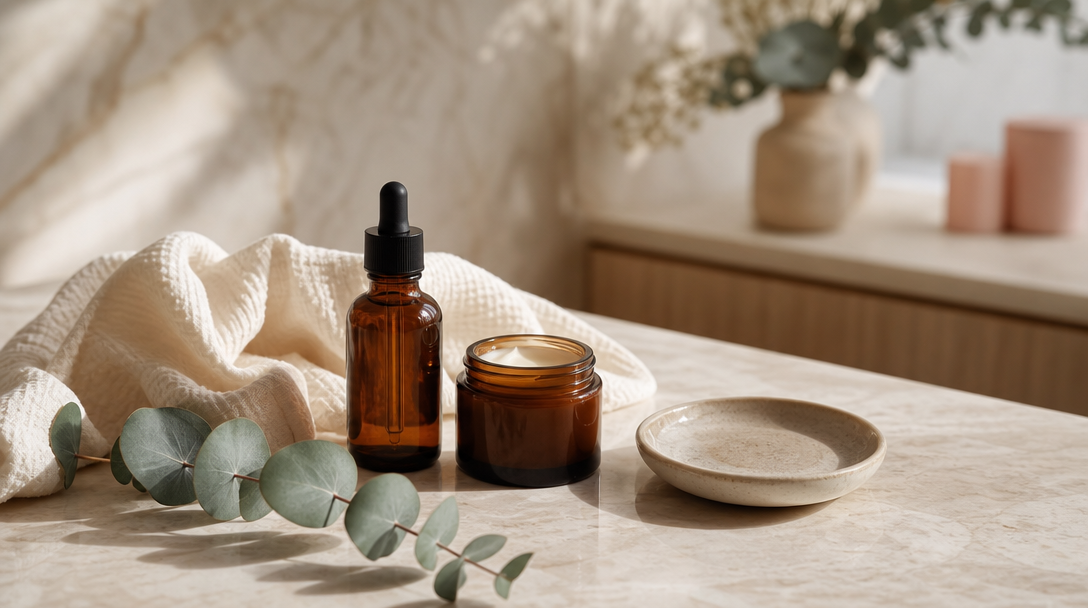
These are the ingredients worth looking for:
- Retinoids (retinol and prescription tretinoin). A systematic review of tretinoin trials found it significantly improves the signs of sun-damaged skin by prompting new collagen and slowing collagen breakdown. Over-the-counter retinol is milder but works on the same pathway. Build up slowly to avoid irritation.
- Hyaluronic acid. A clinical study of a topical hyaluronic acid preparation showed steady gains in skin hydration and elasticity over eight weeks. It plumps the surface and makes fine crinkling less visible.
- Alpha hydroxy acids (glycolic, lactic). These gently exfoliate and can improve skin texture over time.
- Ceramides. They rebuild the skin barrier and help the skin hold moisture, so it looks smoother.
- A richer body cream. Thicker creams tend to work better than thin lotions on crepey body skin.
Apply products consistently after cleansing, and patch test anything new on a small area first. Results build over weeks and months, not days.
What can you do at home for crepey skin on the body?
At home, the most reliable approach is a simple daily routine that protects, hydrates and gently renews the skin. You do not need twelve separate products, but there are around twelve habits that genuinely help.
Here is a practical checklist for crepey skin on the breasts and thighs:
- Wear SPF 30 or higher on any skin that sees daylight.
- Moisturise the body twice a day, morning and night.
- Use a retinoid product a few nights a week, building up slowly.
- Layer a hyaluronic acid serum under your moisturiser on damp skin.
- Exfoliate gently once or twice a week with an AHA, not a harsh scrub.
- Choose ceramide-rich body creams to support the skin barrier.
- Seal in moisture with a body oil straight after showering.
- Keep showers short and lukewarm rather than long and hot.
- Run a humidifier in dry, heated rooms during winter.
- Drink water steadily through the day.
- Eat enough protein and healthy fats to support skin repair.
- Add strength training a few times a week to firm the muscle underneath.
Consistency matters more than any single product. A routine you actually keep up for six months will do more than an expensive cream used twice.
Do exercises tighten crepey skin on the breasts and thighs?
Exercise firms the muscle underneath the skin, but it does not tighten the skin itself. That is an honest distinction worth understanding before you rely on it alone.
Strength work such as push-ups, chest presses, squats and lunges builds the muscle under the breasts and thighs, which can make the whole area look firmer and more supported. That is a real, worthwhile benefit. What exercise cannot do is rebuild the collagen and elastin inside skin that has already thinned, so crepey texture on the surface will still need skincare or a clinic treatment. Aim for two to three strength sessions a week, start gently, and treat it as one part of the plan rather than the whole answer.
Do smoking and alcohol make crepey skin worse?
Yes, both accelerate the collagen loss that drives crepey skin. This is one of the clearest links in the research.
A study measuring collagen in human skin found that smokers made noticeably less type I and type III collagen than non-smokers, and that smoking shifts the skin toward breaking collagen down faster than it is built. Heavy alcohol use adds to the problem by dehydrating the skin and disturbing sleep. Cutting down on both is one of the more powerful, and cheapest, things you can do for skin quality over time.
When should you see a professional for crepey skin?
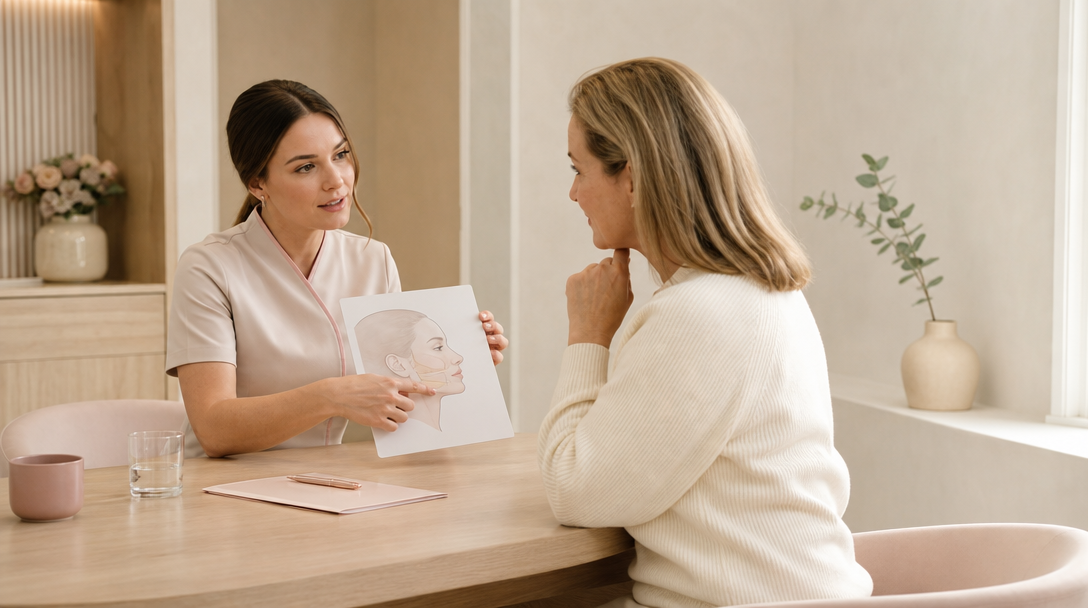
See a professional when home care has plateaued, or when you want a faster, more noticeable change than skincare alone can give. A consultation is also the right step if you are unsure what is realistic for your skin.
There is one important safety point first. Crepey skin is a texture change, not a lump or a lesion. If you notice a new lump in the breast, a changing mole, a patch that will not heal or any skin change that worries you, see your GP before booking any cosmetic treatment. Aesthetic clinics treat the appearance of skin, not medical conditions, and we would always refer you back to your GP where that is the right call.
If the concern is purely cosmetic crepey texture, a consultation can map out which treatments suit your skin, your budget and your timeline. On the body, crepey skin often overlaps with early ageing skin concerns, so it helps to look at the whole picture rather than one patch.
Which professional treatments help crepey skin?
Several in-clinic treatments improve crepey skin by prompting the skin to rebuild collagen, though results build gradually and are not permanent. No single treatment suits everyone, which is why the choice is made at consultation.
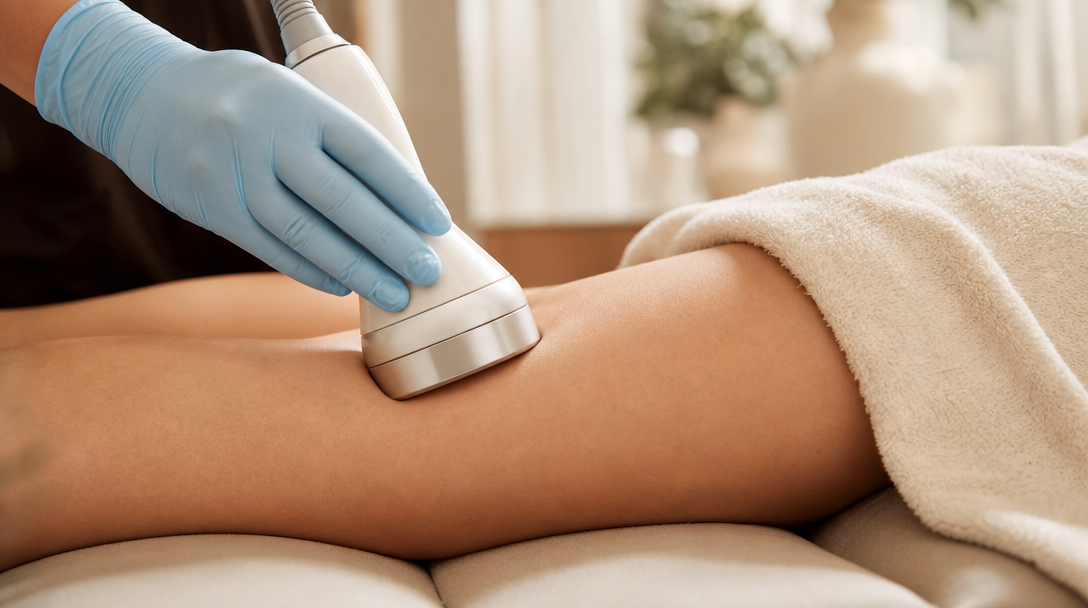
These are the main options for crepey skin on the body:
- Microneedling. Fine needles create controlled micro-channels that trigger collagen repair. A review of microneedling describes increased collagen and elastin production as one of its core mechanisms, which suits thin, crepey skin.
- Radiofrequency. Radiofrequency heats the deeper skin to stimulate new collagen. A radiofrequency review reported improvements in skin texture and firmness across most patients, with minor and short-lived side effects. Our radiofrequency treatment is a comfortable, no-downtime option often used in a course.
- HIFU. High-intensity focused ultrasound delivers heat deeper still. HIFU studies show increased collagen and elastin synthesis in ageing skin, with tightening that develops over months.
- Skin-boosting injectables. Treatments like Profhilo use hybrid hyaluronic acid to remodel and hydrate the skin. Research on these injectables links them to improved skin elasticity and reduced laxity. Polynucleotide options such as salmon DNA polynucleotide work on similar skin-quality goals.
We would not promise a complete change, because that is not realistic for non-surgical treatment. What most patients see is skin that looks firmer, smoother and better hydrated over a course, with results that need occasional maintenance.
How CoLaz approaches crepey skin
At CoLaz, every plan for crepey skin starts with a free consultation, not a sale. We assess your skin type, your history and your goals, and we tell you honestly what home care and what treatments are likely to help.
For any energy-device treatment, we patch test 48 hours before the first session, and we write your plan down before you commit to anything. That plan covers the treatments, the number of sessions, the spacing and the price in plain terms, so you can decide in your own time. If a treatment is not right for you, or if something needs your GP first, we will say so.
If crepey skin on your breasts or thighs is bothering you, the simplest next step is to book a free consultation at your nearest CoLaz clinic. We will look at your skin, set realistic expectations, and build a plan that fits you.
Ready to begin
Book a free Profhilo consultation at your nearest CoLaz clinic.
Thirty minutes with a qualified clinician. Skin assessment, candid recommendation, no obligation. Read about Profhilo at CoLaz, from £225 (per session, course of two, face, neck or hands).
WhatsApp replies in minutes during opening hours
About the author
Alayika Parvez
Owner, CoLaz Aesthetics Clinic
Alaiyka Parvez bought the CoLaz franchise network in 2023, having joined the company as a Slough clinic employee in 2013 and gone on to open the Hounslow and Wembley franchises. She writes here on the treatments CoLaz delivers across its seven UK clinics.
Read more about Alaiyka and CoLaz →More on Skin
Keep reading.
11 August 2026 · 10 min
HIFU treatment results: month by month, what is realistic
HIFU tightens skin gradually rather than instantly. Here is the honest month-by-month results timeline, how long the effect lasts, and who is a good candidate.
28 July 2026 · 10 min
Types of chemical peels: glycolic, salicylic, TCA and Jessner explained
Glycolic for dull and sun-damaged skin, salicylic for oily and acne-prone, lactic for sensitive, mandelic for pigmentation in deeper skin tones, TCA for resurfacing with downtime. A clear decision guide to the main types of chemical peels.

14 July 2026 · 7 min
Microneedling aftercare day by day: the realistic 7-day timeline
What to expect after microneedling, day by day, plus the simple aftercare that protects your skin and your results across the first week.
Begin
Book a free consultation
at your nearest CoLaz clinic.
Thirty minutes with a qualified clinician. Skin assessment, candid recommendation, written plan. No obligation.