
Skin · 19 December 2025 · 7 min read
Skin Tags on the Neck: Causes, Facts and Safe Removal
By Alayika Parvez
Owner, CoLaz Aesthetics Clinic
The short version
- • Skin tags on the neck are soft, non-cancerous growths that form where skin rubs against skin, collars or jewellery.
- • They are very common, affecting around half of adults at some point, and become more frequent with age, weight gain, pregnancy and type 2 diabetes.
- • A skin tag that grows quickly, changes colour, bleeds or hurts should be checked by a clinician before anything is done to it.
- • Home removal by cutting, tying or burning risks infection, scarring and missing a more serious diagnosis, so it is not recommended.
- • In clinic, skin tags are removed safely with cryotherapy, radio-frequency or advanced electrolysis after a check confirms the growth is benign.
TL;DR
- Skin tags on the neck are soft, non-cancerous growths that form where skin rubs against skin, collars or jewellery.
- They are very common, affecting around half of adults at some point, and become more frequent with age, weight gain, pregnancy and type 2 diabetes.
- A skin tag that grows quickly, changes colour, bleeds or hurts should be checked by a clinician before anything is done to it.
- Home removal by cutting, tying or burning risks infection, scarring and missing a more serious diagnosis, so it is not recommended.
- In clinic, skin tags are removed safely with cryotherapy, radio-frequency or advanced electrolysis after a check confirms the growth is benign.
Finding a small growth on your neck can be both annoying and unsettling. It might catch on a chain, rub against your collar, or simply stand out every time you look in the mirror. Skin tags on the neck are one of the most common skin concerns we see, and in the vast majority of cases they are harmless. This guide explains what causes them, how to recognise them, when to seek advice, and the safest ways to have them removed.
What are skin tags on the neck?
Skin tags on the neck are small, soft, non-cancerous growths that hang from the skin, usually the same colour as your skin or slightly darker. The medical name is an acrochordon, and the NHS describes them as soft, skin-coloured growths that are harmless and often form where skin rubs together.
They are extremely common. According to a StatPearls review, roughly 50% to 60% of adults develop at least one skin tag at some point, and they become more frequent after the age of 40. Most are only a few millimetres across, sit on a thin stalk, feel soft and flexible, and cause no pain unless they are caught or irritated.
Why do skin tags form on the neck?
The neck is a common site because it is a high-friction area where skin folds and rubs against collars, necklaces and seatbelts. This repeated rubbing is thought to be one of the main triggers. DermNet notes that skin tags develop in both men and women as they grow older and are more numerous in people who carry extra weight or have type 2 diabetes.
Friction is not the whole story. Skin tags are also linked to internal factors:
- Weight and metabolic health. A case-control study found the risk of metabolic syndrome was significantly higher in people with skin tags than in those without, and clinicians are encouraged to check blood sugar, lipids and blood pressure.
- Insulin resistance and type 2 diabetes. High insulin levels can drive skin cell growth. Research on the skin signs of insulin resistance and a clinical evaluation of skin tags both connect multiple tags with raised blood sugar and body weight, and a separate study links skin tags directly with insulin resistance.
- Pregnancy and hormones. Hormonal shifts and higher growth-factor levels during pregnancy can bring on new skin tags, which often settle afterwards.
- Age and family history. They become more common with age, and a tendency to develop them can run in families.
If several tags appear suddenly, it is sensible to mention it to your GP, since a recent clinico-morphological study reinforces the association between multiple acrochordons and diabetes.
What do neck skin tags look like?
A neck skin tag is typically a small, soft flap of skin on a narrow stalk, ranging from a pinhead up to around a centimetre or more. Some people have a single tag, while others develop small clusters along the sides or back of the neck.
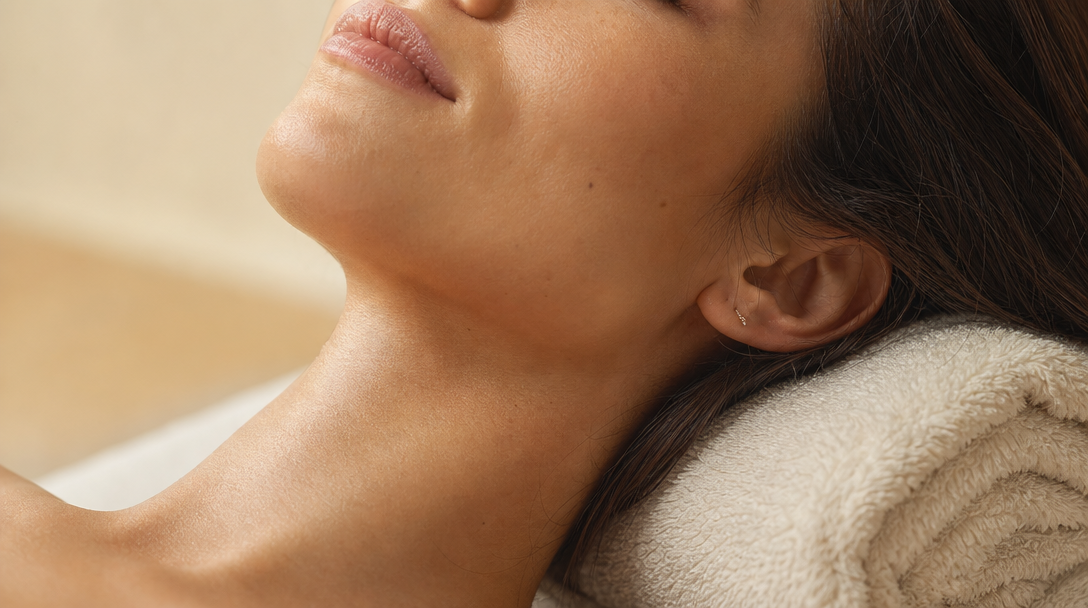
Typical features include a smooth or slightly wrinkled surface, a colour that matches or is a shade darker than the surrounding skin, and a soft, movable feel. Because several other growths can look similar at a glance, appearance alone is not always enough to be sure of what you are dealing with, which is where a proper check matters.
Are skin tags on the neck dangerous?
No, skin tags on the neck are almost always harmless and non-cancerous. The main problems they cause are cosmetic or practical: catching on jewellery and clothing, snagging when you brush your hair, or occasional irritation and minor bleeding if one is pulled.
That said, a growth that looks like a skin tag is not always a skin tag. Warts, moles and other lesions can resemble one, and colour or shape changes can be misleading. This is why a trained clinician assesses the growth by sight and touch before anything is done, and why we never treat a lesion we are unsure about without the right checks. If a growth has any features of concern, it is referred on rather than removed cosmetically.
When should you get a neck skin tag checked?
You should get a neck skin tag checked if it changes in any noticeable way, rather than staying stable as most do. Book a review, and see your GP first if you are worried, when a growth:
- Grows quickly or changes in colour, shape or texture
- Becomes painful, itchy, crusty or bleeds without being caught
- Appears alongside many other new tags in a short time
- Looks different from your other skin tags
These are not signs that something is definitely wrong, but they are reasons to have a lesion assessed properly before any removal. A dermatology check confirms a growth really is a skin tag and not something that needs different care. At CoLaz, our free consultation always starts with this assessment, and anything suspicious is referred back to your GP or a dermatologist.
Can you remove skin tags on the neck at home?
Removing a skin tag on your neck at home is not recommended, because cutting, tying or burning it yourself carries real risks. The NHS advises against removing a skin tag yourself unless a GP recommends it, listing infection, bleeding and scarring as the main dangers.

Over-the-counter removal creams, bands and freezing kits are also best avoided. The American Academy of Dermatology warns that at-home removal products can cause harmful side effects and that using them is essentially performing surgery on yourself, which can go wrong quickly. The neck is a delicate area with visible skin, so a mark left by a botched home attempt is exactly where you would least want a scar. There is also the risk of removing something that should have been assessed first.
How are skin tags on the neck removed professionally?
In clinic, skin tags on the neck are removed with safe, controlled techniques chosen to suit the size and position of each tag. The most common methods are:
- Cryotherapy, which freezes the tag so it drops away over the following days.
- Radio-frequency or cautery, which seals and removes the tag in the same step.
- Advanced electrolysis, which treats the base of smaller tags precisely with a fine probe.
The area is numbed where needed, and healing usually involves a small scab that settles over one to two weeks. Removal is generally a quick, low-risk procedure, and the AAD notes that a clinician can often remove one or more tags in a single visit without a follow-up. Our skin tag removal service follows this approach, and because the cost varies with the number and size of tags, we quote it after seeing the area.
What about the cost, and is removal available on the NHS?
Skin tag removal is almost always classed as cosmetic, so it is not usually available on the NHS. The NHS states plainly that you cannot have a skin tag removed on the NHS because it is considered cosmetic surgery, which is why many people choose private care for comfort or appearance.
A few points worth knowing:
- The NHS may still assess a lesion if there is diagnostic uncertainty or a functional problem, such as a tag that repeatedly catches or affects an eyelid.
- Darker skin tones can have a higher risk of temporary or lasting colour change after any skin procedure, so an experienced clinician and correct settings matter. If you have concerns about a pigmented growth rather than a plain tag, our mole removal assessment covers that separately.
- Pricing at CoLaz depends on how many tags you have and where they sit, and we confirm it in writing at the consultation before anything is booked.
How CoLaz approaches skin tags on the neck
Every skin tag enquiry at CoLaz starts with a free consultation. A qualified clinician looks at the growth, confirms it is a benign skin tag rather than a mole, wart or another lesion, and talks through the most suitable removal method for its size and position. Anything that looks unusual is referred back to your GP rather than treated.
If removal is right for you, we explain what to expect, numb the area where needed, and give you clear aftercare: keep the area clean as advised, change any dressing if asked, and let the small scab fall away on its own rather than picking it. Healing time varies, but most necks look settled within a couple of weeks. You can start with a consultation at any of our seven UK clinics.
The takeaway
Skin tags on the neck are a normal, common skin concern, and in most cases they are nothing to worry about. Understanding why they form, knowing which changes are worth checking, and choosing professional assessment over home removal are the steps that keep your skin healthy and comfortable. Whether you decide to leave a skin tag alone or have it safely removed, informed care is what makes the difference.
Ready to begin
Book a free Skin Tag Removal consultation at your nearest CoLaz clinic.
Thirty minutes with a qualified clinician. Skin assessment, candid recommendation, no obligation. Read about Skin Tag Removal at CoLaz, .
WhatsApp replies in minutes during opening hours
About the author
Alayika Parvez
Owner, CoLaz Aesthetics Clinic
Alaiyka Parvez bought the CoLaz franchise network in 2023, having joined the company as a Slough clinic employee in 2013 and gone on to open the Hounslow and Wembley franchises. She writes here on the treatments CoLaz delivers across its seven UK clinics.
Read more about Alaiyka and CoLaz →More on Skin
Keep reading.

11 August 2026 · 10 min
HIFU treatment results: month by month, what is realistic
HIFU tightens skin gradually rather than instantly. Here is the honest month-by-month results timeline, how long the effect lasts, and who is a good candidate.

28 July 2026 · 10 min
Types of chemical peels: glycolic, salicylic, TCA and Jessner explained
Glycolic for dull and sun-damaged skin, salicylic for oily and acne-prone, lactic for sensitive, mandelic for pigmentation in deeper skin tones, TCA for resurfacing with downtime. A clear decision guide to the main types of chemical peels.

14 July 2026 · 7 min
Microneedling aftercare day by day: the realistic 7-day timeline
What to expect after microneedling, day by day, plus the simple aftercare that protects your skin and your results across the first week.
Begin
Book a free consultation
at your nearest CoLaz clinic.
Thirty minutes with a qualified clinician. Skin assessment, candid recommendation, written plan. No obligation.