
PRP face treatment (the vampire facial): what it actually does for your skin
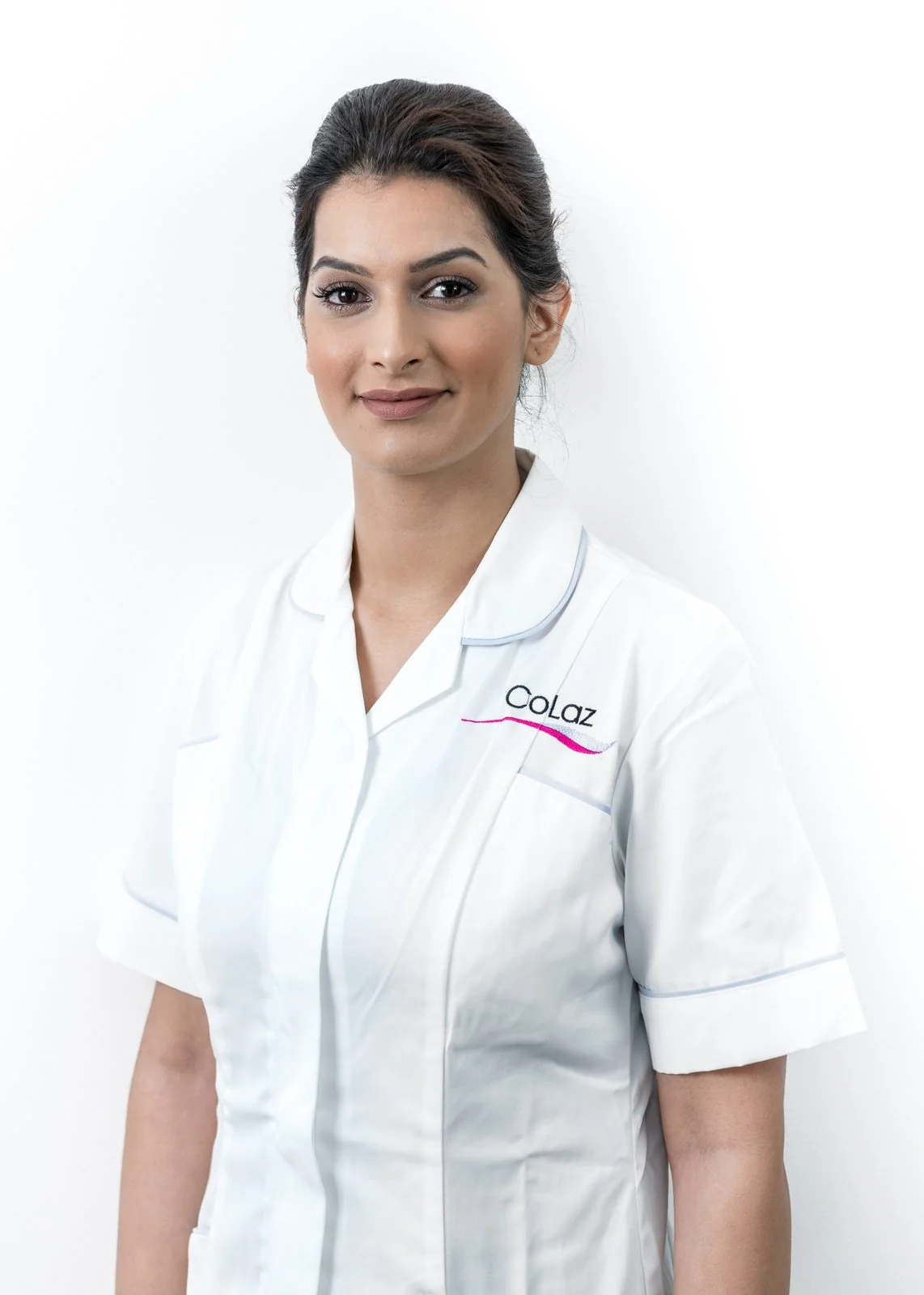 Owner, CoLaz Aesthetics Clinic
The short version
- A PRP face treatment takes a small sample of your own blood, spins it to concentrate the platelets, then injects or microneedles that plasma back into the skin.
- Platelets release growth factors that signal the skin's fibroblasts to make new collagen, which is why results build gradually over weeks rather than overnight.
- The strongest evidence is for acne scarring when PRP is combined with microneedling; evidence for general anti-ageing is promising but still limited.
- At CoLaz a typical course is 3 sessions, 4 weeks apart, with maintenance every 6 to 12 months, from £375 per single face session.
- Because it involves drawing and re-injecting blood, strict single-use, sterile technique matters more than the name on the menu.
TL;DR
- A PRP face treatment takes a small sample of your own blood, spins it to concentrate the platelets, then injects or microneedles that plasma back into the skin.
- Platelets release growth factors that signal the skin to make new collagen, so results build over weeks, not overnight.
- The strongest evidence is for acne scarring when PRP is combined with microneedling. Evidence for general anti-ageing is promising but still limited.
- At CoLaz a typical course is 3 sessions, 4 weeks apart, with maintenance every 6 to 12 months, from £375 per single face session.
- Because blood is drawn and re-injected, sterile single-use technique matters more than the name on the menu.
A PRP face treatment has had more nicknames and more social media attention than almost any other skin treatment. Underneath the headlines, the idea is simple: your own platelets are concentrated and placed back into your skin to encourage it to repair itself.
This guide sets out what PRP is, what the research does and does not show, how many sessions most people need, and what the treatment looks like at a CoLaz clinic. The aim is realistic expectations, not a sales pitch.
What is a PRP face treatment?
A PRP face treatment is a skin rejuvenation procedure that uses platelet-rich plasma prepared from a small sample of your own blood. PRP stands for platelet-rich plasma: the straw-coloured part of your blood, with the platelets concentrated well above their normal level.
The blood is drawn from your arm, much like a routine blood test. It is then spun in a centrifuge, which separates it into layers. The platelet-rich layer is drawn off and delivered into the skin of the face, either by fine injections or through a microneedling device.
Because the plasma comes from your own body, there is no foreign product involved. That does not make it risk-free, and we cover side effects below, but it does mean allergic reactions to the plasma itself are not a concern.
How does PRP work on the skin?
PRP works by delivering a concentrated dose of growth factors that signal the skin’s repair cells to produce new collagen. Platelets are best known for clotting, but they also carry small packages of signalling proteins that your body uses to heal wounds.
A mechanisms review lists the main growth factors involved, including PDGF, TGF-beta, VEGF and EGF. In plain terms, these proteins tell fibroblasts (the cells that make collagen and elastin) to multiply and work harder. TGF-beta in particular increases type I collagen, the main structural protein in the dermis, and slows its breakdown.
The same review notes that most growth factors are released within about an hour of treatment. The visible change comes much later, because building new collagen is slow work. That is why PRP results appear gradually over weeks and continue to improve across a course.
What does the research actually show?
The research shows real, measurable collagen changes and good results for acne scarring, but the evidence for general anti-ageing is still limited and inconsistent. It is fair to say both things at once.
Collagen changes under the microscope
One of the clearest studies is a controlled trial in 20 women aged 40 to 49. Skin samples were taken before and after treatment. Collagen density in the PRP-treated areas rose by about 89%, compared with about 46% in areas injected with saline. The saline result is a reminder that the needle itself stimulates some repair, and that PRP adds to it.
Acne scarring
Acne scarring is where PRP has its most consistent evidence, particularly alongside microneedling. A meta-analysis of 14 studies and 472 patients found that combining microneedling with PRP roughly tripled the odds of a greater than 50% improvement compared with microneedling alone, without extra side effects.
A more recent split-face study in skin types 3 to 6 used three sessions, 4 weeks apart. The side that received PRP improved significantly more than the side that received microneedling alone. If scarring is your main concern, our acne scarring page sets out the full range of options.
Fine lines, tone and general ageing
This is where honest caution is needed. An umbrella review of 13 systematic reviews found that PRP was safe, with only mild short-lived side effects, but concluded the evidence was too weak to draw firm conclusions about anti-ageing results. Protocols varied from one to six sessions, and most studies were small.
A broader dermatology review reached a similar view: promising results and high patient satisfaction, but short follow-up periods and little standardisation between clinics and studies.
Patient feeling and expert measurement do not always agree either. In a small periorbital study, most patients reported smoother under-eye skin after one session, but blinded dermatologists found no significant visible change. One session is rarely enough, which is one reason a course matters.
Injected PRP or PRP with microneedling: what is the difference?
Injected PRP places the plasma directly into the dermis, while PRP with microneedling spreads it across the surface through hundreds of tiny channels. Both use the same plasma; the difference is depth and coverage.
- Injected PRP: fine injections in a grid across the face. It gives the most direct delivery into the layer where collagen is made.
- PRP with microneedling: a microneedling device creates controlled micro-channels and the plasma is applied over them. It gives broader surface renewal and is the approach with the strongest acne scarring data.
Which protocol suits you depends on your skin and what you want to change. At CoLaz, this is agreed at your consultation and written into your treatment plan before anything is booked.
How many PRP face treatment sessions do you need?
Most people need 3 sessions, 4 weeks apart, followed by a maintenance session every 6 to 12 months. That is the typical course at CoLaz, and it matches the three-session, four-week protocols used in several of the studies above.
A single session often gives a fresher look for a few weeks. The structural change, the reason most people book PRP, comes from completing the course. New collagen continues to form for several weeks after each session, so the full effect is usually judged a couple of months after the final treatment.
Maintenance is part of the result, not an optional extra. Collagen production continues to slow with age, so a top-up every 6 to 12 months helps hold the improvement. We explain this at the consultation so there are no surprises later.
The PRP session, step by step
A PRP face session at CoLaz takes around 60 minutes. The steps are the same across the clinics that offer it:
- Medical assessment. Your history and medication are reviewed before any treatment is booked.
- Blood draw. A small sample is taken from your arm, similar to a routine blood test.
- Centrifuge. The sample is spun for about ten minutes to separate the platelet-rich plasma.
- Numbing. Your skin is cleansed and a topical numbing cream is applied for 15 to 20 minutes.
- Treatment. The plasma is injected in a grid pattern or applied with microneedling, depending on your plan.
- Aftercare. A cooling barrier cream is applied and written aftercare is confirmed before you leave.
Most patients find the treatment manageable with numbing cream. A warm or burning sensation for a short time afterwards is common and usually settles within the hour.
What are the side effects, and who should not have PRP?
The usual side effects are mild redness, swelling and pinpoint bruising for 24 to 48 hours. In the collagen trial above, redness affected 75% of patients and a burning sensation 70%, both settling within two days, with bruising in 15%. No serious side effects were reported.
For the first 24 to 48 hours, avoid touching or massaging the area, skip make-up for 12 hours, and stay away from saunas, sunbeds, swimming pools and intense exercise. Apply SPF 50 daily for two weeks.
PRP is not suitable for everyone. We do not treat patients who are:
- pregnant or breastfeeding
- on blood-thinning medication, or living with a blood disorder, without prior medical clearance
- dealing with an active skin infection or cold sore in the treatment area
- prone to keloid scarring
- living with certain autoimmune or chronic liver conditions
If any of these apply, speak to your GP first. The NHS guidance on cosmetic procedures also recommends taking time to research the treatment, ask questions and walk away if you are not comfortable.
Why the clinic matters more than the name on the menu
PRP involves drawing blood and putting it back into the body, so infection control is not a detail. In 2024 the US public health agency published an HIV investigation linking five infections to PRP microneedling facials at an unlicensed spa. Investigators found blood tubes stored next to food and disposable equipment being reused.
That case is rare and extreme, but the lesson is straightforward. Ask how the blood is handled, whether every needle, tube and cartridge is single-use, and who is carrying out the treatment.
UK rules are tightening. The government’s licensing response, published in August 2025, confirmed a risk-based licensing scheme for non-surgical cosmetic procedures in England. Until it is fully in place, the JCCP register is a useful way to check a practitioner’s standing.
What does a PRP face treatment cost at CoLaz?
PRP face at CoLaz starts from £375 for a single face-only session on the therapist tier. A course of three on the same tier is £999. Face and neck, and sessions with a doctor or nurse, are priced higher, and the full breakdown is on our PRP face page.
PRP face is currently offered at our Wembley, Slough, Reading, Southall and Hounslow clinics. Every course starts with a consultation and medical assessment, and the plan is confirmed in writing before any course is booked.
If you are also considering PRP for thinning hair, our guide to PRP hair sessions covers how the scalp protocol differs.
Deciding whether PRP suits your skin
PRP suits people who want a gradual, natural-looking improvement in skin quality, texture or scarring using their own biology. It is not a volume treatment and will not replace dermal filler where lost volume is the issue. For under-eye texture or overall skin quality, polynucleotides or Sunekos are sometimes the better fit, and we will tell you if that is the case.
The best next step is a conversation with a qualified clinician who can look at your skin and your history. Book a consultation at your nearest CoLaz clinic and we will talk you through whether PRP, or something else, is the right choice.
Ready to begin
Book a free PRP Face consultation at your nearest CoLaz clinic
Time with a qualified clinician: a skin assessment, an honest recommendation and no obligation. Read about PRP Face at CoLaz, from £375 (face only, therapist single session).
More on Skin
Keep reading
-
Sunekos vs Profhilo: which skin booster is right for your skin?
Sunekos and Profhilo are both injectable skin boosters, but one is pure stabilised hyaluronic acid and the other adds amino acids. Here is how they differ and how to choose. Read the article -

Salmon DNA polynucleotides: what they are and why aesthetics is hooked
Purified fragments of salmon DNA, known as polynucleotides or PDRN, are one of the fastest-growing skin boosters in UK clinics. Here is what the research says about how they work and what to realistically expect. Read the article -

HIFU treatment results: month by month, what is realistic
HIFU tightens skin gradually rather than instantly. Here is the honest month-by-month results timeline, how long the effect lasts, and who is a good candidate. Read the article
Book a free consultation at your nearest CoLaz clinic
Time with a qualified clinician: a skin assessment, an honest recommendation and a written plan. No obligation.