
Skin · 2 July 2026 · 7 min read
Polynucleotides vs Profhilo: the real difference between two skin boosters
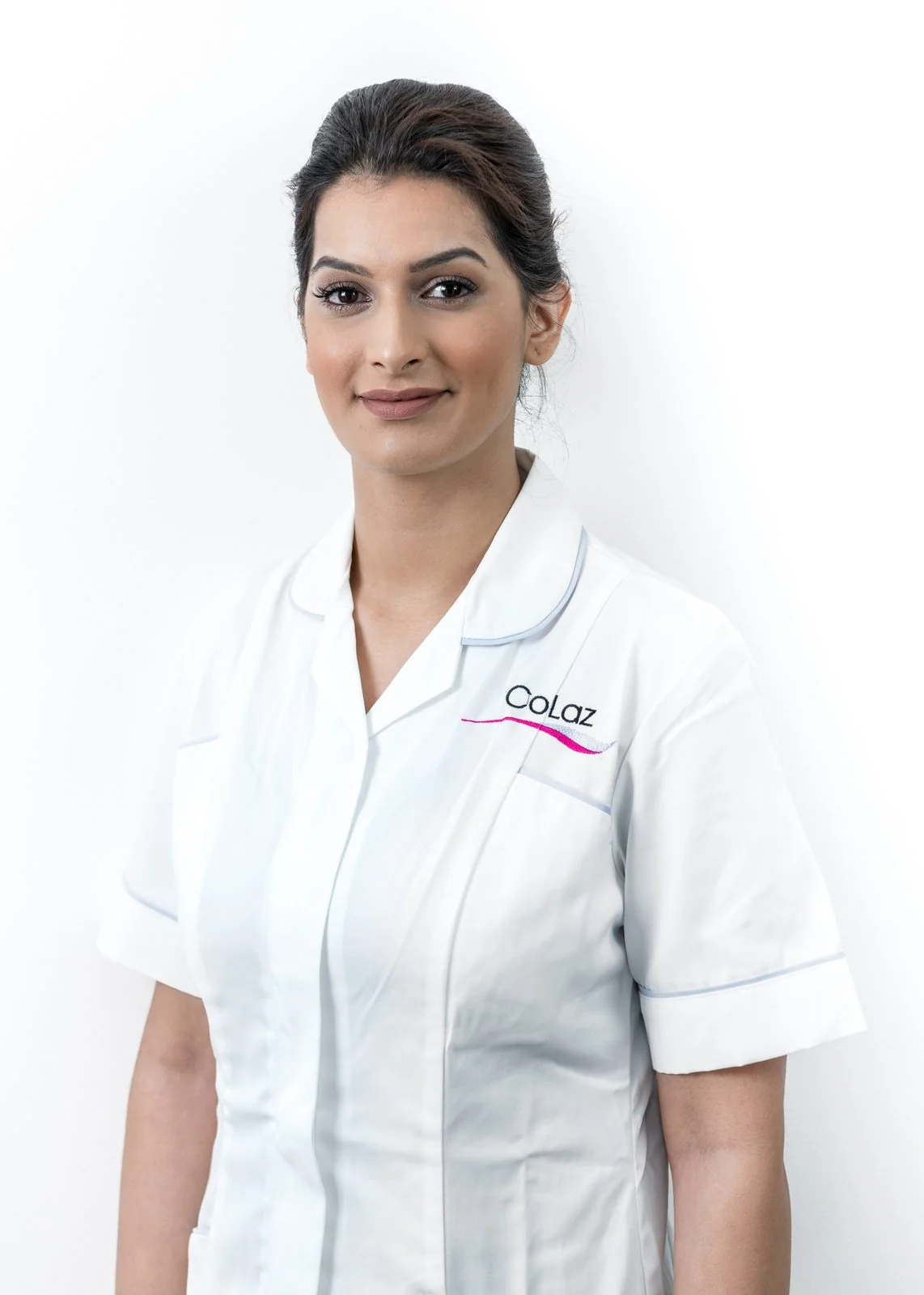
By Alayika Parvez
Owner, CoLaz Aesthetics Clinic
The short version
- • Profhilo is stabilised hyaluronic acid. It hydrates the skin and remodels it for firmer, glowing tone, and often shows a result faster.
- • Polynucleotides are purified salmon DNA fragments. They repair and regenerate skin from within, calm inflammation and build collagen more gradually.
- • Profhilo tends to suit hydration, crepey texture and early laxity. Polynucleotides tend to suit fragile, thin, sun-damaged or under-eye skin.
- • They are not rivals. Many patients do best with both, sequenced in a plan rather than picked on the day.
- • Both are injectable treatments that need a qualified clinician, a consultation and realistic expectations, not a same-day sales pitch.
TL;DR
- Profhilo is stabilised hyaluronic acid. It hydrates the skin and remodels it for firmer, more even tone, and often shows a result faster.
- Polynucleotides are purified salmon DNA fragments. They repair and regenerate skin from within, calm inflammation and build collagen more gradually.
- Profhilo tends to suit hydration, crepey texture and early laxity. Polynucleotides tend to suit fragile, thin, sun-damaged or under-eye skin.
- They are not rivals. Many patients do best with both, sequenced in a plan rather than picked on the day.
- Both are injectable treatments that need a qualified clinician, a consultation and realistic expectations, not a same-day sales pitch.
Skin boosters are one of the most confusing corners of aesthetics right now, and the polynucleotide vs Profhilo question is the one we hear most at CoLaz. Both are injected. Both improve skin quality rather than adding obvious volume. But they are made of different things and they work in different ways, so the honest answer to “which is better” is that it depends on your skin and your goal. This guide sets out the real difference in plain language, so you can walk into a consultation knowing the right questions to ask.
What is the difference between polynucleotides and Profhilo?
The core difference is what each one is made of: Profhilo is hyaluronic acid, and polynucleotides are fragments of purified DNA. That single fact drives everything else about how they behave in your skin.
Profhilo hydrates and remodels the skin using a stabilised form of hyaluronic acid, the sugar your skin already uses to hold water. Polynucleotides are short chains of DNA (usually from purified salmon or trout sperm) that act as a repair signal, prompting your own cells to regenerate. One is a hydrating scaffold. The other is a regenerative message. Neither is a filler, so neither is designed to change the shape of your face.
What is Profhilo and how does it work?
Profhilo is a stabilised hyaluronic acid injectable that spreads through the skin to hydrate it and stimulate collagen and elastin, a process the manufacturer calls bio-remodelling. It is made from high and low molecular weight hyaluronic acid combined without chemical cross-linking, which is why it flows and hydrates rather than sitting in one spot like a shaping filler.
In a published 16-week study, two Profhilo sessions four weeks apart, injected at five set points on each side of the face, produced measurable gains in skin elasticity and hydration that held through the final assessment. In practice, many patients notice a glow within one to two weeks and the fuller result over about eight weeks. It is a strong option for skin that looks dull, dehydrated or a little lax, but is not yet deeply lined.
What are polynucleotides, and are they really salmon DNA?
Yes, polynucleotides really are made from purified salmon DNA, and that is exactly why they work as a repair signal in human skin. The DNA is highly purified into short fragments, so what you receive is a biological messenger, not fish tissue.
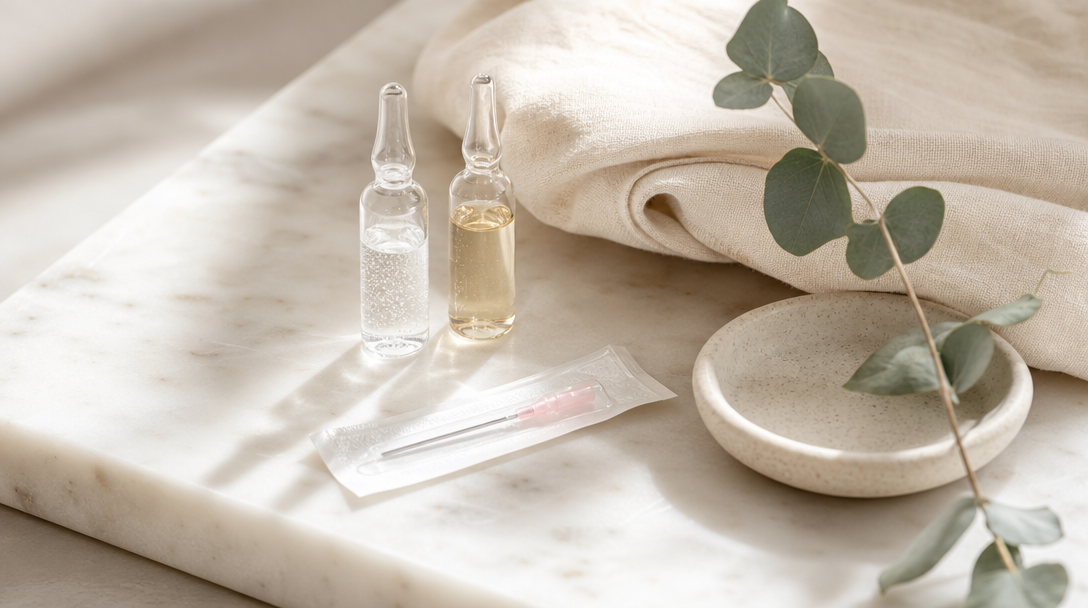
Once in the skin, polynucleotides work in two ways. They provide raw building blocks that cells reuse, and they switch on the adenosine A2A receptor, a pathway that calms inflammation and encourages new blood vessels and healthy tissue. This regenerative behaviour is why the same molecule family is studied for skin repair and wound healing, backed by a clinical systematic review. For the face, that translates into better skin quality, more resilience in thin or fragile skin, and a gradual improvement in fine texture. Laboratory work also shows polynucleotides can support collagen synthesis in ageing cells.
Polynucleotides vs Profhilo, side by side
The clearest way to see the difference is to line the two up. Both improve skin quality, but they get there by different routes and often on different timelines.
| Profhilo | Polynucleotides | |
|---|---|---|
| Made from | Stabilised hyaluronic acid | Purified salmon DNA fragments |
| Main action | Hydrates and remodels the skin | Repairs and regenerates, calms inflammation |
| Best at | Hydration, glow, early laxity, crepey texture | Thin, fragile, sun-damaged or under-eye skin |
| Typical result timing | Glow in 1 to 2 weeks, fuller result by 8 weeks | Gradual over weeks as skin regenerates |
| CoLaz course | 2 sessions, 4 weeks apart, top-up 6 to 9 months | 2 to 4 sessions, 2 to 3 weeks apart, top-up 6 months |
A useful shorthand: Profhilo tops up water and firmness, while polynucleotides upgrade the underlying skin. One published review of the science notes that the two are often confused even by practitioners, and that consistent large trials are still limited, so honest expectations matter more than marketing claims. You can read the full comparison review if you want the detail.
Which skin booster is right for you?
Choose Profhilo if your main concern is dull, dehydrated or slightly lax skin, and choose polynucleotides if your skin is thin, fragile, sun-damaged or you are focused on the delicate under-eye area. That is the starting point, not the whole answer, because real skin rarely fits one box.

If you are in your 30s or 40s and want an overall lift in radiance and firmness, Profhilo is often the simpler first step. If you have crepey under-eye skin, very fine skin, or a history of poor healing, polynucleotides may serve you better because they are studied for their regenerative and repair effects. If loss of facial volume is your actual concern, neither is the right tool, and a dermal filler discussion belongs in an in-person consultation instead. Our ageing skin treatments cover the full range so the plan can match the goal.
Can you have polynucleotides and Profhilo together?
Yes, and combining them is common, because they do different jobs and can complement each other well. Many patients repair the skin with a polynucleotide course first, then use Profhilo to hydrate and firm, with the two staggered across a plan rather than stacked on one day.
The sequence matters, and so does the spacing. This is decided at the consultation, based on your skin, your history and your budget, not on whichever treatment you happened to read about first. If you want to see how a booster result builds week by week, our Profhilo timeline walks through a realistic schedule you can expect from a course.
Safety, side effects and choosing a clinic
Both treatments have a reassuring safety record, but they are still injections, and who holds the needle matters as much as what is in it. The most common side effects are small injection bumps for a few hours, mild bruising and short-lived redness.
For Profhilo, worldwide post-marketing data covering more than 42,000 patients recorded only a small number of adverse events, most of them mild injection-site reactions that settled on their own. Polynucleotides carry a similar profile, with the added point that their anti-inflammatory action tends to keep the skin calm. We do not treat patients who are pregnant or breastfeeding, or who have had filler in the same area very recently, and we screen for this at the consultation.
The bigger safety issue in the UK is who is treating you. Non-surgical injectables are not fully regulated in England, so anyone can set up a clinic. Before you book anywhere, check the practitioner on the JCCP register or through Save Face, and make sure you get a proper face-to-face consultation first.
How we plan skin boosters at CoLaz
At CoLaz, we start every skin-booster plan with a free consultation and a written plan, and we will tell you honestly if neither Profhilo nor polynucleotides is the right treatment for what you want to change. We would rather send you away with the correct plan than sell you the wrong injection.
A patient came to our Reading clinic in her early fifties asking for filler in her cheeks, because a colleague had had it. When we looked at what she was actually unhappy with, it was loose skin along the jawline and a tired look across the whole face. Filler would not have given her that. We planned a skin-booster approach instead, matched to her skin, and by week eight her tone had improved and her jawline looked tighter without changing the shape of her face.
The lesson we teach every clinician we train is simple: the right product is whichever one matches the goal, not whichever one the patient walked in asking for. Maintenance is part of the result too, so we build the top-ups into the plan from the start rather than surprising you later.
If you are weighing up polynucleotides or Profhilo, the honest next step is to have your skin assessed in person. Book a free consultation at your nearest CoLaz clinic, and we will map out which booster, or which combination, actually fits your skin.
Ready to begin
Book a free Profhilo consultation at your nearest CoLaz clinic.
Thirty minutes with a qualified clinician. Skin assessment, candid recommendation, no obligation. Read about Profhilo at CoLaz, from £225 (per session, course of two, face, neck or hands).
WhatsApp replies in minutes during opening hours
About the author
Alayika Parvez
Owner, CoLaz Aesthetics Clinic
Alaiyka Parvez bought the CoLaz franchise network in 2023, having joined the company as a Slough clinic employee in 2013 and gone on to open the Hounslow and Wembley franchises. She writes here on the treatments CoLaz delivers across its seven UK clinics.
Read more about Alaiyka and CoLaz →More on Skin
Keep reading.

11 August 2026 · 10 min
HIFU treatment results: month by month, what is realistic
HIFU tightens skin gradually rather than instantly. Here is the honest month-by-month results timeline, how long the effect lasts, and who is a good candidate.
28 July 2026 · 10 min
Types of chemical peels: glycolic, salicylic, TCA and Jessner explained
Glycolic for dull and sun-damaged skin, salicylic for oily and acne-prone, lactic for sensitive, mandelic for pigmentation in deeper skin tones, TCA for resurfacing with downtime. A clear decision guide to the main types of chemical peels.

14 July 2026 · 7 min
Microneedling aftercare day by day: the realistic 7-day timeline
What to expect after microneedling, day by day, plus the simple aftercare that protects your skin and your results across the first week.
Begin
Book a free consultation
at your nearest CoLaz clinic.
Thirty minutes with a qualified clinician. Skin assessment, candid recommendation, written plan. No obligation.