
Hair removal · 15 November 2025 · 7 min read
Does laser hair removal cause nerve damage?
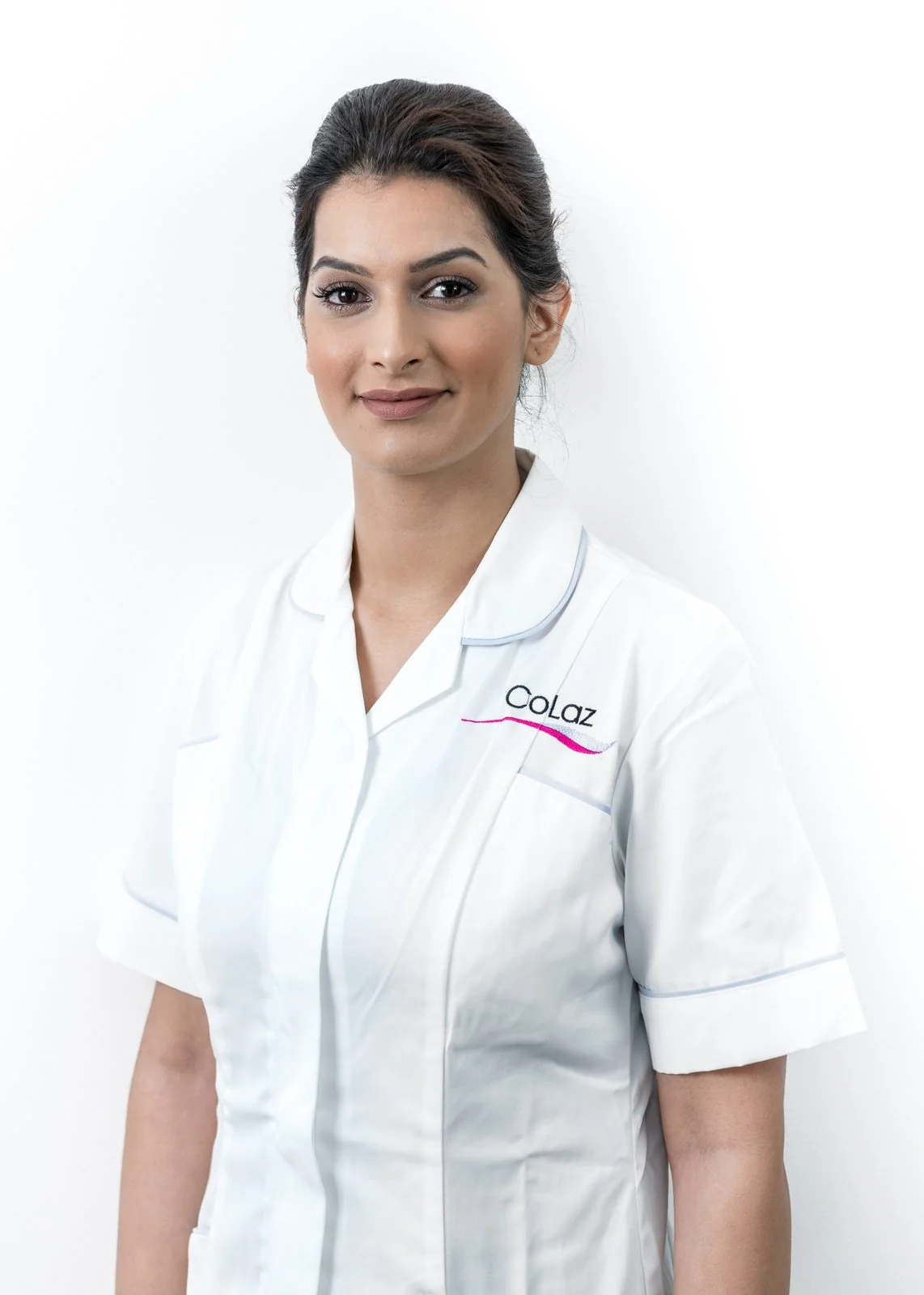
By Alayika Parvez
Owner, CoLaz Aesthetics Clinic
The short version
- • There is no good evidence that properly performed laser hair removal causes lasting nerve damage.
- • The laser is tuned to heat melanin inside the hair follicle, not the nerve endings around it, through a process called selective photothermolysis.
- • Warmth, tingling and a quick sting during treatment are normal and settle within hours to a few days.
- • The rare reports of nerve-related problems are almost always linked to the wrong settings or an untrained operator, not to laser hair removal itself.
- • At CoLaz, every laser is run by a clinician with a Level 4 laser and IPL qualification, after a free consultation and a patch test.
TL;DR
- There is no good evidence that properly performed laser hair removal causes lasting nerve damage.
- The laser is tuned to heat melanin inside the hair follicle, not the nerve endings around it, through a process called selective photothermolysis.
- Warmth, tingling and a quick sting during treatment are normal and settle within hours to a few days.
- The rare reports of nerve-related problems are almost always linked to the wrong settings or an untrained operator, not to the treatment itself.
- At CoLaz, every laser is run by a clinician with a Level 4 laser and IPL qualification, after a free consultation and a patch test.
There is no good evidence that laser hair removal causes lasting nerve damage when it is carried out by a trained clinician on a medical-grade device. It is a fair thing to wonder about, because heat and nerves in the same sentence sounds alarming, and the internet is full of worst-case stories. This article walks through how the laser actually interacts with your skin, what the science says about nerve safety, which sensations are normal, and the steps a reputable clinic takes to keep every session comfortable and safe.
Does laser hair removal cause nerve damage?
In short, no: properly performed laser hair removal is not known to cause lasting nerve damage, and the rare reports of nerve problems are tied to incorrect settings or an untrained operator, not to the treatment itself.
The reason comes down to what the laser is aiming at. Hair follicles sit in the dermis, the same layer that holds many of the nerve endings that sense heat, touch and pressure, so the follicle and the nerves are neighbours. But being close together is not the same as being damaged together. The laser light is absorbed by the dark pigment (melanin) in the follicle, which is exactly how Cleveland Clinic describes the mechanism: the beam passes through the skin surface and is taken up by the melanin in the follicle, where it converts to heat and disables the structures that grow new hair.
UK health bodies treat the treatment as safe overall. The NHS states plainly that laser hair removal is safe, while noting it can sometimes cause temporary side effects such as discomfort and red skin. Nerve damage is not listed among the recognised risks.
How does the laser reach the follicle without harming nerves?
The laser spares surrounding tissue through a principle called selective photothermolysis, which times and tunes the light so the heat stays inside the pigmented follicle rather than spreading to the skin and nerves around it.
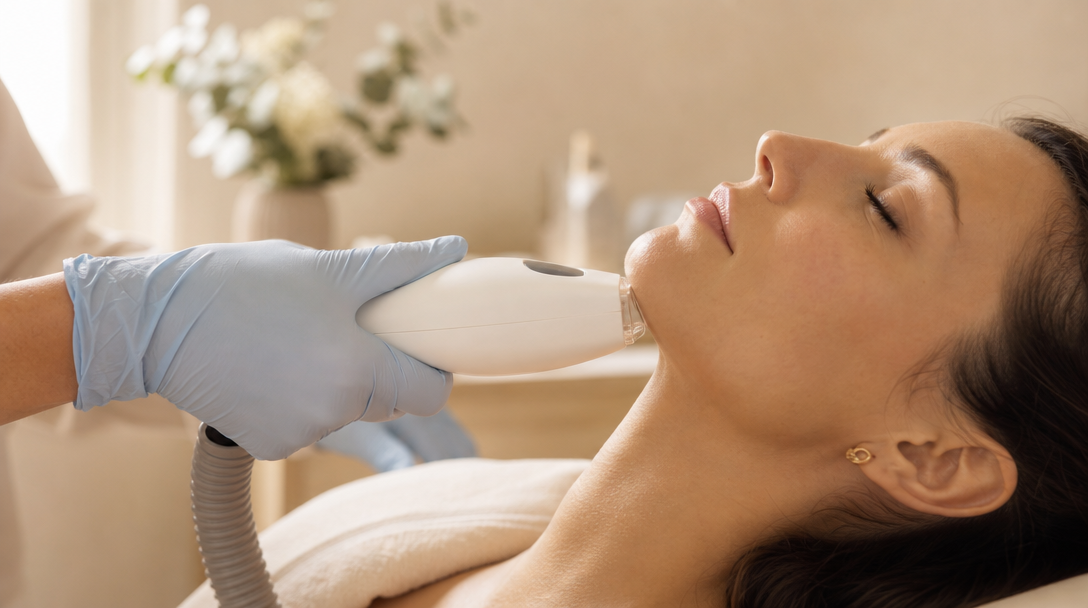
The idea, first applied to hair removal in the foundational Dermatol Surg work on the method, is that a specific wavelength of light is preferentially absorbed by one target (melanin) and the pulse is kept short enough that the heat is confined to that target before it can conduct outward. In practice that means:
- The wavelength is chosen so melanin soaks up far more energy than the surrounding water-rich tissue and nerves.
- The pulse length is matched to the size of the follicle, so the heat builds where it is wanted and fades before it damages neighbours.
- Built-in cooling protects the skin surface, which further reduces the heat load on everything except the follicle itself.
Modern systems are also calibrated to deliver only as much energy as needed to disable the follicle. A 2024 clinical study of the 755-nm Alexandrite laser for underarm hair reported no serious adverse effects across six and twelve months of follow-up, which is the kind of safety record you would expect if the energy were staying where it is designed to stay.
What sensations are normal, and what is not?
Warmth, tingling and a quick sting are normal during and just after laser hair removal, and they settle within hours to a few days rather than lingering as a nerve problem.
Most people describe the feeling as a warm pinprick or a light elastic-band snap against the skin, followed by some redness. The dermatology guidance from the American Academy of Dermatology notes that mild swelling and redness around the follicles are common right after a session and usually fade quickly. These are signs the treatment is working, not signs of injury.
It helps to know the difference between normal recovery and something worth checking. Sensations that are expected and short-lived include:
- Warmth or a mild stinging during the pulse.
- Temporary redness or slight swelling around the hair follicles.
- A brief tingling feeling for a few hours afterwards.
Sensations that are not typical, and that deserve a medical assessment if they appear, include:
- Numbness that lasts more than a week or two.
- Persistent shooting, burning or electric-shock pain that starts days later.
- A lasting loss of feeling in the treated area.
If your symptoms sit in the second group, contact your clinic and, if needed, your GP. The point is not that these outcomes are common, because they are very rare, but that knowing what is normal takes a lot of the worry away.
Have any nerve complications actually been reported?
A small number of nerve-related cases exist in the medical literature, but they are exceptionally rare and are usually linked to intense pulsed light devices or to poor technique rather than to standard laser hair removal.
The most cited example is a single case report in which a patient developed chronic neuropathic facial pain after intense pulsed light hair removal on the upper lip. It is important to keep this in proportion: it is one documented case, it involved intense pulsed light rather than a true laser, and the authors describe most side effects from the method as transient and minimal.
The wider pattern is that complications track back to who is holding the device. A literature review of nonphysician-supervised laser hair removal found that burns, pigment changes and scarring were more common when treatments were carried out by untrained operators who misjudged the settings. When the energy, wavelength and cooling are chosen correctly, the risk of any lasting complication is low. That is the whole argument for choosing your clinic carefully rather than a discount deal.
Which areas feel more sensitive during treatment?
Some areas simply have more nerve endings, so they feel more during a session even though the safety of the treatment does not change.
The Leeds NHS Trust patient information explains that sensitivity varies by body area and by the individual. In our experience across the CoLaz clinics, the areas patients tend to feel most are:
- The face, particularly the upper lip and chin, where the skin is thin and nerve-dense.
- The bikini line and intimate areas.
- The underarms.
- The inner thighs.
Feeling more in these zones is about comfort, not danger. A skilled clinician adjusts the energy and uses cooling to keep sensitive areas tolerable, and a good clinic will always check in with you during the session rather than pushing through discomfort.
What raises the risk of irritation or a complication?
Almost every avoidable problem comes down to how the treatment is delivered and the condition of the skin on the day, not to the laser as a technology.
Factors that can increase irritation or the small risk of a complication include:
- Energy settings that are too high for your skin type or tone.
- An inexperienced or unqualified operator.
- Treating inflamed, broken or recently tanned skin.
- An existing nerve condition or a skin condition that affects healing.
- Treating the same area too often or too close together.
- Poor aftercare, such as heat, scratching or sun exposure straight after a session.
A proper consultation catches most of these before the first pulse. This is also why a patch test matters: it lets the clinician see how your skin responds before committing to full settings. If laser is not the right fit for your hair or skin, for example very fine, white or grey hair that holds little pigment, a clinician may suggest electrolysis instead, which works on a different principle.
How does laser compare with other hair removal methods on safety?
In trained hands, laser hair removal is one of the gentler long-term options, because it does not repeatedly pull, cut or pierce the skin the way some other methods do.

A quick comparison of how each method interacts with the skin:
- Laser: targets the follicle with light and does not physically break the skin surface, spacing sessions weeks apart.
- Shaving: causes constant friction, razor burn and ingrown hairs, though it is superficial.
- Waxing: pulls hair from the root, which irritates the surface and can cause folliculitis over time.
- Electrolysis: inserts a fine probe into each follicle, which is effective and works on all hair colours, but is slower for large areas.
None of these is inherently unsafe when done well. The reason laser has such a strong record is that a correctly set device does a very specific job and leaves the rest of the skin alone.
How does CoLaz keep laser hair removal safe?
Every laser hair removal course at CoLaz starts with a free consultation and a patch test, and every laser is operated by a clinician holding the recognised UK qualification for this work.
Part of that is regulation. The UK is tightening its oversight of non-surgical treatments, and a House of Commons Library briefing sets out how a new licensing scheme is being introduced for procedures like laser hair removal. Alongside that, voluntary registers such as the JCCP and the Professional Standards Authority-accredited Save Face scheme help patients identify practitioners who meet a proper standard.
Part of it is simply how we work. Each CoLaz clinician holds a Level 4 laser and IPL qualification, matches the device and settings to your skin type and hair type, and offers a patch test before your first full session. We use both Alexandrite and Nd:YAG systems so the wavelength can be chosen for your skin tone, and we build cooling and check-ins into every session so sensitive areas stay comfortable.
If nerve safety is on your mind, the best thing you can do is ask questions and see how a clinic answers them. A free consultation at your nearest CoLaz clinic is the place to do exactly that: we will look at your skin, explain the settings we would use, and plan a course that fits you rather than selling a package before we have met you.
Ready to begin
Book a free Laser Hair Removal consultation at your nearest CoLaz clinic.
Thirty minutes with a qualified clinician. Skin assessment, candid recommendation, no obligation. Read about Laser Hair Removal at CoLaz, from £30 (upper lip, single session).
WhatsApp replies in minutes during opening hours
About the author
Alayika Parvez
Owner, CoLaz Aesthetics Clinic
Alaiyka Parvez bought the CoLaz franchise network in 2023, having joined the company as a Slough clinic employee in 2013 and gone on to open the Hounslow and Wembley franchises. She writes here on the treatments CoLaz delivers across its seven UK clinics.
Read more about Alaiyka and CoLaz →More on Hair removal
Keep reading.

2 September 2026 · 12 min
Is laser hair removal safe on dark skin? What the evidence says
Laser hair removal on dark skin works, but only when the wavelength matches your skin type. Here is the science behind why melanin matters, which lasers suit Fitzpatrick V and VI, and the questions to ask before you book.
1 July 2026 · 7 min
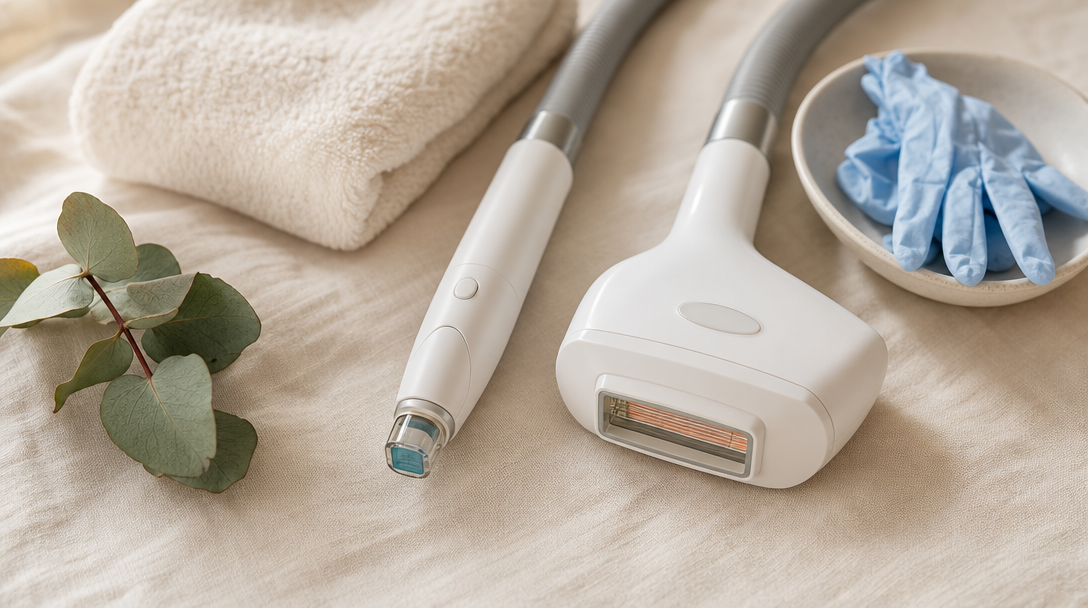
IPL vs laser hair removal: why the device you choose matters
The real difference between IPL and laser hair removal, why it changes your results and safety, and how CoLaz matches the right device to your skin and hair.

25 June 2026 · 8 min
Laser hair removal on the face: what women should know before booking
What women should know before booking facial laser hair removal: realistic session counts, the hormone link, matching the laser to your skin tone, and sun protection.
Begin
Book a free consultation
at your nearest CoLaz clinic.
Thirty minutes with a qualified clinician. Skin assessment, candid recommendation, written plan. No obligation.