
Skin treatments to avoid during ringworm
 Owner, CoLaz Aesthetics Clinic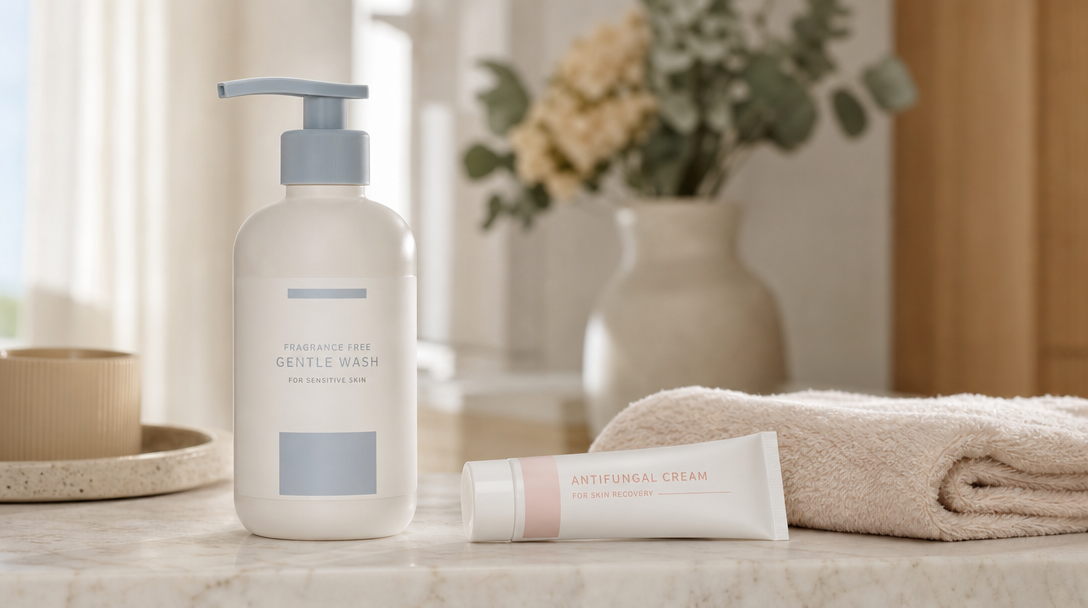
The short version
- Ringworm is a fungal infection, so steroid creams are the main thing to avoid: they calm the itch but let the fungus spread.
- Hold off on chemical peels, scrubs, microdermabrasion and other clinic skin treatments until the infection has fully cleared.
- Avoid heavy oils, fragranced lotions, tanning and unproven home remedies, which trap moisture or irritate the skin.
- Treat it with an antifungal cream such as clotrimazole or terbinafine, keep the area clean and dry, and see a pharmacist or GP if it is not improving.
- Once healed, skin treatments to fade any marks are perfectly safe again.
Ringworm has nothing to do with worms. It is a common fungal skin infection that causes a red or discoloured, itchy, scaly patch, often with a clearer centre that gives it the classic ring shape. Because it is fungal, several skincare habits and clinic treatments that feel like they should help will actually make it worse or help it spread. Here is what to skip until it clears.
If you have a facial, peel or any skin treatment booked, the short version is: reschedule until the infection has fully healed.

The big one: steroid creams
The single most common mistake is reaching for a steroid cream such as hydrocortisone. It reduces the redness and itch, so it feels like it is working, but steroids dampen the local immune response and let the fungus grow unchecked underneath. This can produce a spreading, less typical rash that is harder to treat. The NHS guidance on ringworm is to use an antifungal, not a steroid.
Clinic treatments to postpone
Compromised, infected skin is the wrong canvas for any resurfacing or active treatment. Until the ringworm has cleared, avoid:
- Chemical peels. Acids on broken or infected skin sting, can damage the barrier and can spread the infection.
- Scrubs, exfoliants and microdermabrasion. Mechanical abrasion can open the rash and move fungal spores to new areas.
- Waxing, dermaplaning and laser over the affected area. Anything that traumatises or contacts the patch risks spreading it.
- Tanning or sunbeds. UV damages already-sensitive skin and adds a burn risk.
A reputable clinic will not treat over an active infection anyway. We will always ask you to reschedule rather than work around it.
Products to leave alone for now
- Heavy oils and occlusive balms. Fungi like warm, damp conditions, so trapping moisture is counterproductive. The NICE summary and dermatology guidance both stress keeping the area dry.
- Fragranced or alcohol-based lotions. These irritate without treating the cause.
- Unproven home remedies such as garlic, vinegar or turmeric paste. There is no good evidence they work, and they can burn or delay proper treatment.
- Makeup over the patch, which traps moisture and can contaminate your products.
What actually helps
The fix is an antifungal, used properly:
- An over-the-counter antifungal cream such as clotrimazole or terbinafine, applied as directed, usually for two to four weeks, and continued for a short period after it looks clear. See the NHS antifungal medicines guidance.
- Keep the area clean and thoroughly dry, especially in skin folds.
- Do not share towels, bedding or clothing, and wash them hot, since ringworm is contagious (CDC guidance).
- See a pharmacist or GP if it is on the scalp, is widespread, or has not improved after two weeks, as you may need an antifungal tablet.
After it clears
Once the infection has fully healed, any lingering marks or uneven tone can be addressed safely. Treatments such as a Hydrafacial, a gentle chemical peel or IPL skin rejuvenation are all fine on healthy, intact skin. The key word is healed: give it time first.
Ready to begin
Book a free Hydrafacial consultation at your nearest CoLaz clinic
Time with a qualified clinician: a skin assessment, an honest recommendation and no obligation. Read about Hydrafacial at CoLaz, from £99 (Express, 30 minutes).
More on Skin
Keep reading
-

Acnelan treatment: the in-clinic peel for active, inflammatory acne
Acnelan is a professional acne peel system with a daily home routine. Here is what is in it, how the course runs, what results look like and when another route suits you better. Read the article -

Sunekos vs Profhilo: which skin booster is right for your skin?
Sunekos and Profhilo are both injectable skin boosters, but one is pure stabilised hyaluronic acid and the other adds amino acids. Here is how they differ and how to choose. Read the article -

PRP face treatment: what it actually does for your skin
PRP uses a small sample of your own blood to support collagen and skin repair. Here is what the research really shows, how many sessions most people need and what to expect on the day. Read the article
Book a free consultation at your nearest CoLaz clinic
Time with a qualified clinician: a skin assessment, an honest recommendation and a written plan. No obligation.