
Skin · 30 April 2026 · 6 min read
Why do I have wrinkles on my face at a young age?

By Alaiyka Parvez
Owner, CoLaz Aesthetics Clinic
The short version
- • Wrinkles in your late teens to early thirties are common and usually reflect lifestyle and sun, not just age.
- • UV exposure is the single biggest external cause, followed by smoking or vaping, pollution and diet.
- • Repeated expressions, side-sleeping, harsh over-exfoliation and skipping SPF all etch lines in faster.
- • Daily SPF and proven topicals (retinoids, vitamin C, peptides, hyaluronic acid) are the foundation of prevention and improvement.
- • Professional options like anti-wrinkle injections, microneedling and skin boosters can soften established lines.
Noticing fine lines in your twenties can feel premature and a little unfair, but it is more common than you might think, and it usually has more to do with sun and lifestyle than with age itself. Early wrinkles tend to appear when the skin’s support structures, mainly collagen and elastin, break down faster than they are replaced. Here is what drives that, and what genuinely helps.
The encouraging part is that a lot of it is within your control. And where lines are already set, treatments such as anti-wrinkle injections and microneedling can soften them.
What counts as early wrinkles
Early wrinkles typically show up from the late teens through the early thirties as fine lines that stay visible when your face is at rest, subtle texture changes around the eyes and mouth, and skin that feels less springy. Collagen naturally begins a slow decline from the mid-twenties, so some change is normal; the question is what is speeding it up.
The biggest causes
Sun exposure
UV light is the single largest external driver of premature ageing. It breaks down collagen and is responsible for most of what we think of as “ageing”, a process dermatologists call photoageing. Daily, year-round sun protection is the most effective single thing you can do.
Smoking and vaping
Smoking reduces blood flow and oxygen to the skin and accelerates collagen breakdown, which is why smokers often develop lines earlier. Quitting helps the skin as well as everything else.
Genetics
If thin or dry skin runs in your family, you may simply show lines earlier. You cannot change your genes, but you can change how hard the other factors push.
Lifestyle
Pollution, a diet high in sugar, heavy alcohol use, poor sleep and chronic stress all contribute to how quickly skin ages, as the Mayo Clinic notes.
Daily habits that etch lines in
Some everyday things physically work lines into the skin over time: repeated squinting and frowning, sleeping pressed into a pillow on one side, rough pillowcases, over-exfoliating until the barrier is damaged, and skipping sunscreen. Small adjustments here add up.
When to get it checked
Occasionally, sudden skin changes before 30 alongside symptoms such as hair loss, fatigue or unexplained weight change can point to a hormonal or nutritional issue worth a GP visit. That is the exception, not the rule, but worth knowing.
What actually helps
At home
- Daily broad-spectrum SPF 30 or higher, every day.
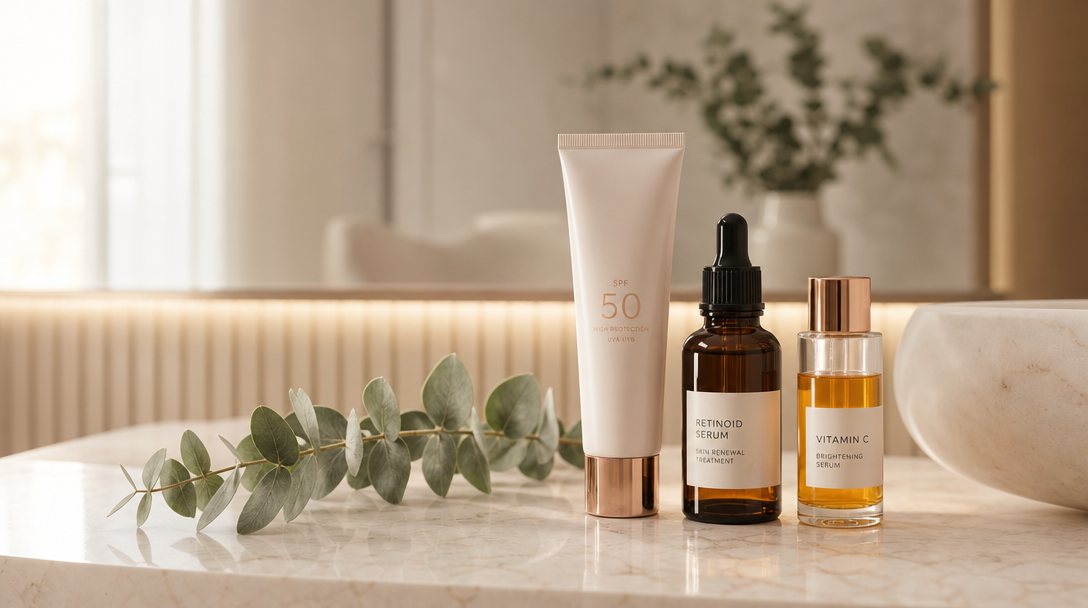
- Proven actives: a retinoid, vitamin C, peptides and hyaluronic acid, introduced gradually.
- Good sleep, hydration and stress management, plus not smoking.
The AAD’s anti-ageing skincare advice is a sensible, evidence-based starting point.
In clinic
For lines that are already set, professional options include anti-wrinkle injections for expression lines, microneedling and chemical peels to stimulate collagen and improve texture, and skin boosters such as Profhilo for hydration and quality. A consultation matches the approach to your skin rather than reaching for one fix.
The takeaway: early wrinkles are common, largely driven by sun and lifestyle, and very responsive to good habits started now. Prevention is always easier than reversal.
Ready to begin
Book a free Anti-Wrinkle Injections consultation at your nearest CoLaz clinic.
Thirty minutes with a qualified clinician. Skin assessment, candid recommendation, no obligation. Read about Anti-Wrinkle Injections at CoLaz, from £199 (one area, qualified therapist tier).
WhatsApp replies in minutes during opening hours
About the author
Alaiyka Parvez
Owner, CoLaz Aesthetics Clinic
Alaiyka Parvez bought the CoLaz franchise network in 2023, having joined the company as a Slough clinic employee in 2013 and gone on to open the Hounslow and Wembley franchises. She writes here on the treatments CoLaz delivers across its seven UK clinics.
Read more about Alaiyka and CoLaz →More on Skin
Keep reading.

11 August 2026 · 10 min
HIFU treatment results: month by month, what is realistic
HIFU tightens skin gradually rather than instantly. Here is the honest month-by-month results timeline, how long the effect lasts, and who is a good candidate.

28 July 2026 · 10 min
Types of chemical peels: glycolic, salicylic, TCA and Jessner explained
Glycolic for dull and sun-damaged skin, salicylic for oily and acne-prone, lactic for sensitive, mandelic for pigmentation in deeper skin tones, TCA for resurfacing with downtime. A clear decision guide to the main types of chemical peels.

14 July 2026 · 7 min
Microneedling aftercare day by day: the realistic 7-day timeline
What to expect after microneedling, day by day, plus the simple aftercare that protects your skin and your results across the first week.
Begin
Book a free consultation
at your nearest CoLaz clinic.
Thirty minutes with a qualified clinician. Skin assessment, candid recommendation, written plan. No obligation.