Hair removal · 20 March 2025 · 8 min read
Upper Lip Hair Electrolysis: Preparation, Process and Aftercare
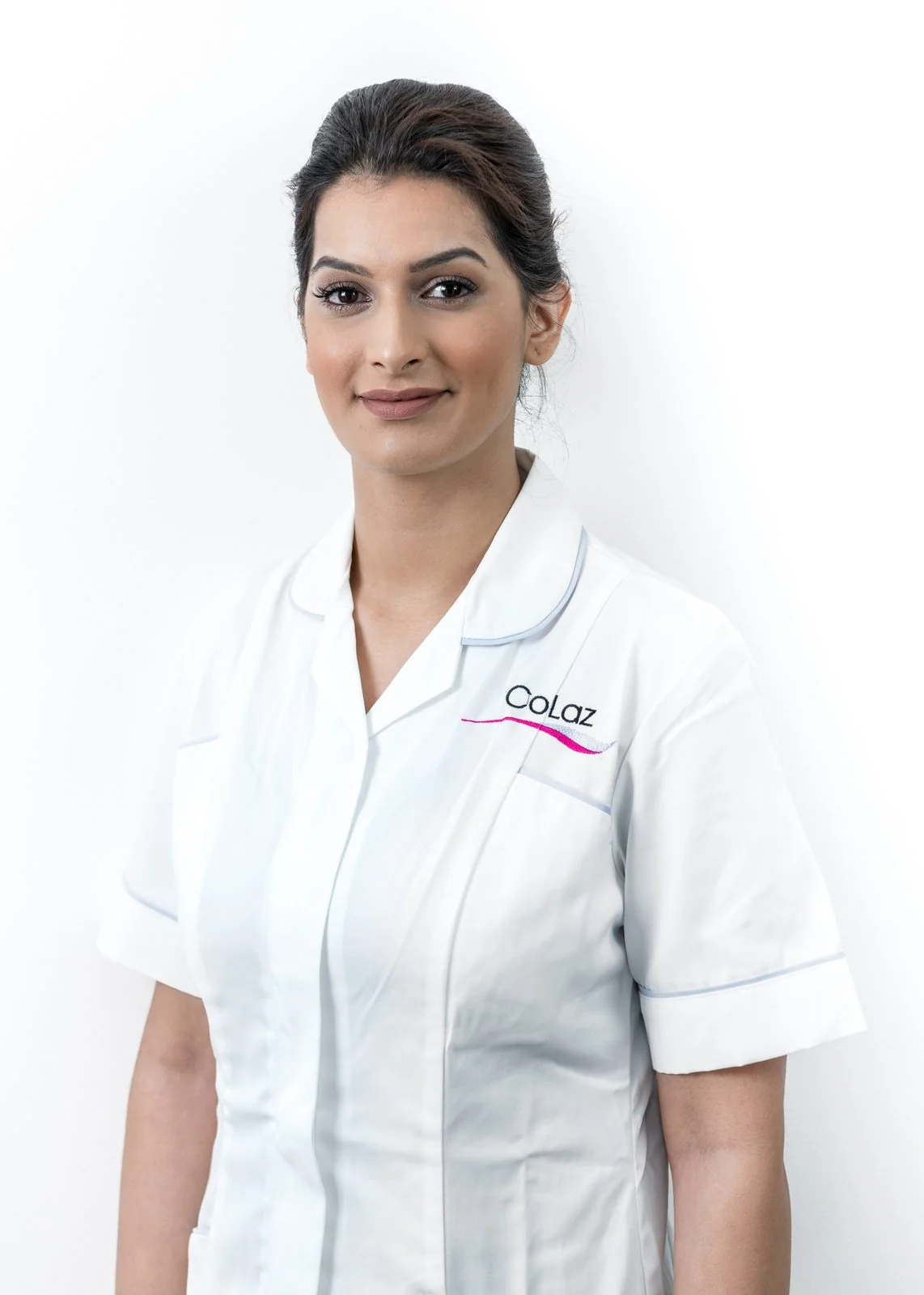
By Alaiyka Parvez
Owner, CoLaz Aesthetics Clinic
The short version
- • Electrolysis is the one hair removal method recognised by dermatology bodies as permanent, and it works on any hair colour, including the fine, fair or grey upper lip hairs that laser cannot target.
- • A fine sterile probe slides alongside each hair into the follicle, a brief low-energy current disables the growth cells, and the hair is lifted out. The skin is not pierced.
- • A small upper lip area usually needs eight to twelve short sessions spread over four to six months, because hair grows in cycles and only active follicles respond.
- • Do not pluck, wax or thread for at least two weeks before a session, since the probe needs the hair rooted in the follicle. Shaving is fine.
- • Aftercare is simple: keep the area cool and clean, wear SPF 50 daily for two weeks, and avoid heat, makeup and sun for the first 24 to 48 hours.
Upper lip hair electrolysis works by sliding a very fine probe alongside each hair into the follicle and passing a brief, low-energy current that disables the cells responsible for regrowth. It is the one hair removal method recognised by dermatology and electrology bodies as permanent, and unlike laser it works on any hair colour, including the fine, fair, grey or red upper lip hairs that a laser simply cannot see.
If you are tired of waxing, threading or plucking the upper lip every few weeks, this guide walks through how electrolysis actually works, how to prepare, what a session feels like, how many you are likely to need, and how to look after the skin afterwards.
What is upper lip electrolysis and how does it work?
Electrolysis removes upper lip hair by inserting a fine probe into each follicle and delivering a small electrical current that damages the cells that grow the hair. The treated hair is then lifted out with tweezers, and the follicle is far less likely to produce a new hair.
There are three ways the current can be delivered, and a good electrologist chooses between them. In galvanic electrolysis, a direct current triggers a chemical reaction inside the follicle that breaks down the growth cells. In thermolysis, a high-frequency current produces gentle heat that does the same job faster. The blend method combines both, which is why it is the modality many clinicians reach for on stubborn facial hair.
The key point for the upper lip is that electrolysis does not rely on pigment. Laser needs dark hair to work, so it struggles on light, downy or grey hairs. Electrolysis targets the follicle directly, which is why the American Academy of Dermatology lists it among the ways to remove unwanted hair that suit the widest range of hair and skin types.
Is upper lip electrolysis permanent?
Electrolysis is widely recognised as a permanent method of hair removal, meaning a treated follicle does not usually grow a new hair. It is the only method that dermatology and electrology bodies describe this way, which is a genuine point of difference from waxing, threading and laser.
The honest detail is that permanence builds up over a course, not in one visit. DermNet notes a common clinical estimate that around three-quarters of treated hairs do not regrow, so several passes are needed to work through every follicle in the area. Older but well-established research on permanent hair removal reached similar conclusions decades ago, and the technique has been refined since.
It is also worth being clear about what “permanent” does and does not mean on the upper lip. Electrolysis disables the follicles it treats, but if your upper lip hair is driven by hormones, new follicles can still become active over time. That is not the treatment failing, it is simply new hair from follicles that were dormant before. We plan for this at consultation so there are no surprises.
What happens during an upper lip electrolysis session?
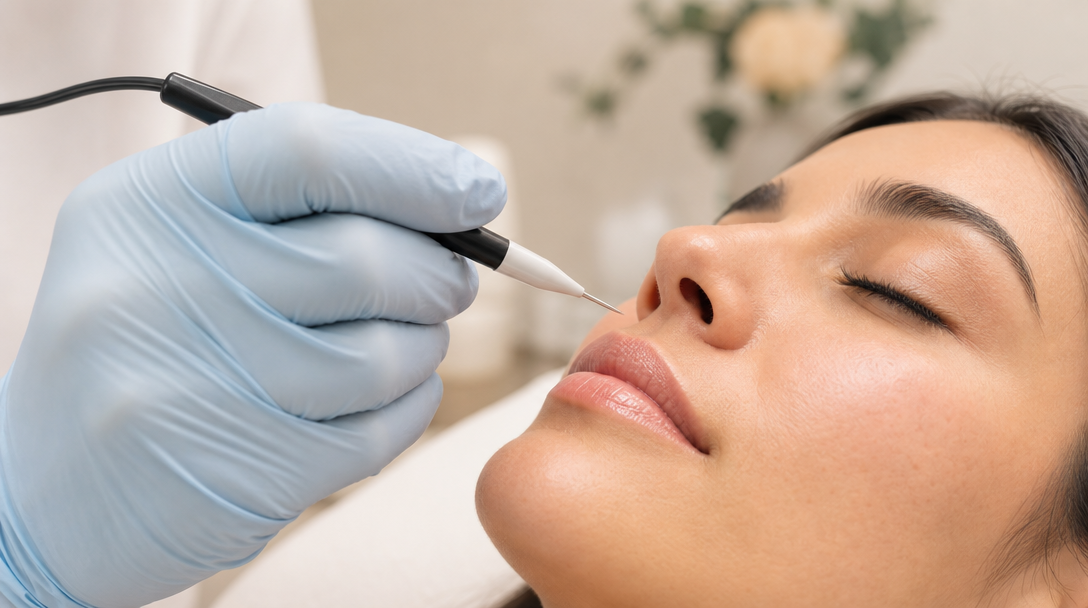
A session starts with cleansing, then the clinician places a fine sterile probe alongside each hair, delivers the current for a fraction of a second, and lifts the hair out. The skin is not pierced and there is no cutting.
Here is the sequence you can expect at a CoLaz clinic:
- Consultation and skin check. Your therapist reviews your medical history, assesses the hair and skin, and agrees the session length. At CoLaz the consultation is free.
- Cleansing. The upper lip is gently cleaned to remove makeup, oil and any product.
- Probing. A single-use sterile probe slides alongside each hair into the follicle. It follows the natural opening, so nothing is punctured.
- Current. A brief low-energy current is applied to disable the growth cells at the base of the follicle.
- Removal. The loosened hair is lifted out with sterile tweezers, often without resistance.
- Soothing. A cooling gel and a barrier cream are applied, and your written aftercare is confirmed before you leave.
Sessions for the upper lip are short because the area is small. Following Cleveland Clinic guidance, an electrolysis appointment can run anywhere from 15 minutes to an hour, though a small upper lip patch usually sits at the shorter end.
How should you prepare for upper lip electrolysis?
The single most important rule is do not pluck, wax, thread or epilate the upper lip for at least two weeks before your appointment, because the probe needs the hair rooted in the follicle to work. Shaving or trimming is fine, since these leave the root in place.
A few more steps help the session go smoothly:
- Skip harsh actives for a few days. Pause retinoids and strong exfoliating acids on the area for two to three days beforehand, so the skin is calm rather than sensitised.
- Avoid a fresh tan or sunburn. Treat sunburnt or recently tanned skin only once it has fully settled, and mention any recent sun exposure at consultation.
- Arrive clean and bare. Come with a clean, makeup-free upper lip on the day.
- Stay hydrated and eat beforehand. Comfortable, well-hydrated skin tends to tolerate the current better.
If you have had a recent peel, laser or other treatment on the area, tell your therapist so the timing can be agreed. Booking a proper consultation first also means you get a clear plan and price before you commit, rather than being sold a fixed package on day one.
Does upper lip electrolysis hurt?
Most people describe upper lip electrolysis as a brief warm pinch or a small sting on each hair, lasting only a fraction of a second. The upper lip is more sensitive than areas like the arms or legs, so it can feel sharper here than elsewhere, but it is usually very manageable in short sessions.
Comfort is easy to improve. A topical numbing cream can be applied before the session on request, and modern equipment is far gentler than the older galvanic-only machines. Your therapist also adjusts the current for each follicle based on what your skin comfortably tolerates, rather than using one fixed setting across the whole area.
Any discomfort settles quickly once the session ends. A little warmth or tingling in the treated skin for an hour or two afterwards is normal and eases on its own.
How many electrolysis sessions does the upper lip need?
A small upper lip area typically needs eight to twelve short sessions spread over four to six months. The reason is the hair growth cycle: only follicles in their active growth phase respond fully, so repeat visits are needed to catch each follicle at the right moment.
The exact number depends on how dense the hair is, how coarse it is, and whether hormones are driving the growth. Upper lip hair linked to hormonal changes, including PCOS-related growth, tends to cycle new follicles in more readily, so it can need a longer course and occasional top-ups. The NHS lists laser hair removal among the options for PCOS-related hair, used alongside medical treatment where a hormonal cause is involved, and electrolysis works the same way on the fine hairs laser leaves behind.
Two practical notes on scheduling:
- Sessions are spaced, not stacked. Appointments are usually spread a few weeks apart so a fresh batch of follicles reaches the treatable phase between visits. Research on electrolysis for hirsutism confirms that consistent, repeated treatment is what produces lasting reduction.
- Most people see change early. A noticeable drop in regrowth is common within the first three sessions, even though the full course runs longer.
If your upper lip hair is dark and coarse and your skin suits it, laser hair removal can clear larger volumes faster, and some patients combine the two: laser for the bulk, electrolysis for the fine or fair hairs laser leaves behind.
What is the aftercare for upper lip electrolysis?
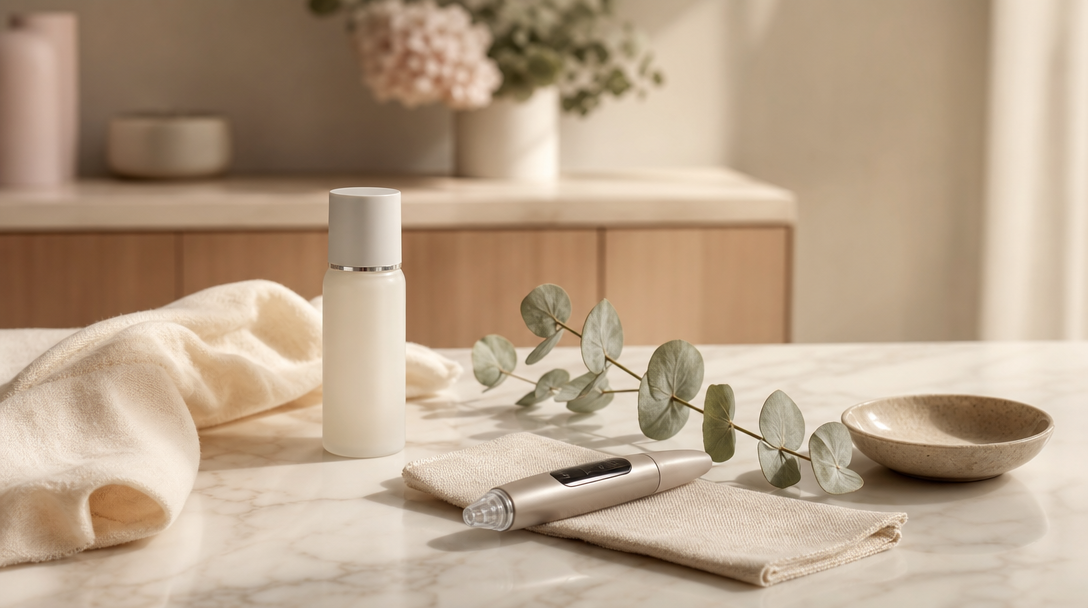
Aftercare for the upper lip is straightforward: keep the area cool and clean, protect it from the sun, and leave it alone for a day or two while the follicles settle. Mild redness for a few hours is normal.
The rules we give every CoLaz patient are:
- Do not touch, rub or pick the treated area for 48 hours, and keep hands and phones away from the upper lip.
- Skip makeup over the area for 24 hours so nothing clogs the settling follicles.
- Wear SPF 50 every morning on the upper lip for the next two weeks, since freshly treated skin is more prone to pigment changes in the sun.
- Avoid heat and friction: no saunas, steam rooms, sunbeds, swimming or intense exercise for 48 hours.
- Cool it if needed. A cool compress or a soothing gel eases any warmth or tingling.
- Do not pluck or wax any remaining hairs between sessions, as that removes the target the probe needs next time. Trim or shave if you must.
Following the Cleveland Clinic advice, avoiding sweating, sun and makeup in the first 24 hours is the core of good aftercare. If any redness or a small spot persists beyond 48 hours, contact your clinic.
What are the side effects and risks of upper lip electrolysis?
The common side effects of upper lip electrolysis are mild and short-lived: temporary redness, slight swelling and small bumps around treated follicles that usually settle within a few hours to a day. Serious problems are uncommon when a qualified professional performs the treatment.
The rarer risks are worth understanding so you can reduce them:
- Pigment changes. Some people, particularly those with deeper skin tones, may see temporary dark or light spots that fade over time. Diligent SPF and gentle aftercare lower the risk.
- Scarring. This is uncommon with modern technique but can follow poor probing or picking at the skin, which is why skill and aftercare matter.
- Infection. Keeping the area clean and hands-off in the first 48 hours makes this unlikely.
The biggest single factor in a safe result is who holds the probe. The NHS points out that electrolysis is generally not funded on the NHS for cosmetic reasons and is usually sought privately, so choosing a properly qualified, insured practitioner is on you. Look for a clinic whose practitioners meet recognised UK standards, such as those on the JCCP register or the Save Face accreditation scheme, both recognised by the Professional Standards Authority.
How CoLaz approaches upper lip electrolysis
Every upper lip electrolysis patient at CoLaz starts with a free consultation, where we review your medical history, look at the hair and skin, agree the right session length and set realistic expectations before anything is booked. We would rather plan a proper course than sell a fixed package on day one.
Electrolysis is delivered at all seven CoLaz clinics by qualified therapists, using single-use sterile probes and modern equipment, from £10 for a short session scaled by time. Sessions are kept comfortable, with a numbing option on request, and your aftercare is confirmed in writing before you leave.
If you are ready to see what a course for your upper lip would look like, book a free consultation at your nearest CoLaz clinic through the clinic finder, and we will write your plan together. Each clinic replies on WhatsApp within five minutes during opening hours.
Ready to begin
Book a free Electrolysis Hair Removal consultation at your nearest CoLaz clinic.
Thirty minutes with a qualified clinician. Skin assessment, candid recommendation, no obligation. Read about Electrolysis Hair Removal at CoLaz, from £10 (up to 5 minutes, single session).
WhatsApp replies in minutes during opening hours
About the author
Alaiyka Parvez
Owner, CoLaz Aesthetics Clinic
Alaiyka Parvez bought the CoLaz franchise network in 2023, having joined the company as a Slough clinic employee in 2013 and gone on to open the Hounslow and Wembley franchises. She writes here on the treatments CoLaz delivers across its seven UK clinics.
Read more about Alaiyka and CoLaz →More on Hair removal
Keep reading.

2 September 2026 · 12 min
Is laser hair removal safe on dark skin? What the evidence says
Laser hair removal on dark skin works, but only when the wavelength matches your skin type. Here is the science behind why melanin matters, which lasers suit Fitzpatrick V and VI, and the questions to ask before you book.
1 July 2026 · 7 min
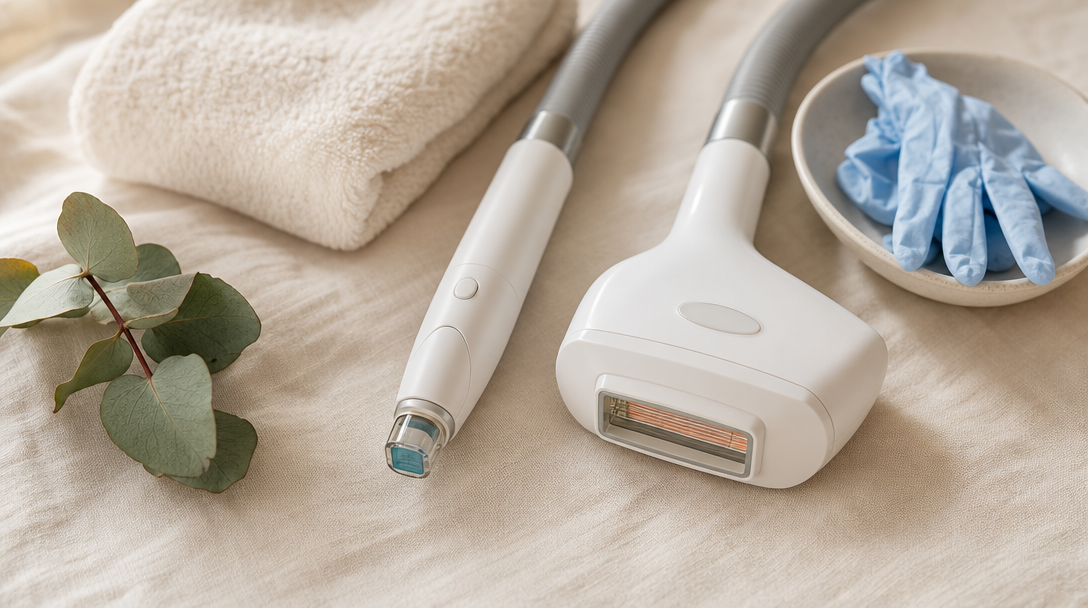
IPL vs laser hair removal: why the device you choose matters
The real difference between IPL and laser hair removal, why it changes your results and safety, and how CoLaz matches the right device to your skin and hair.

25 June 2026 · 8 min
Laser hair removal on the face: what women should know before booking
What women should know before booking facial laser hair removal: realistic session counts, the hormone link, matching the laser to your skin tone, and sun protection.
Begin
Book a free consultation
at your nearest CoLaz clinic.
Thirty minutes with a qualified clinician. Skin assessment, candid recommendation, written plan. No obligation.