
Does your face itch after dermaplaning?
 Owner, CoLaz Aesthetics Clinic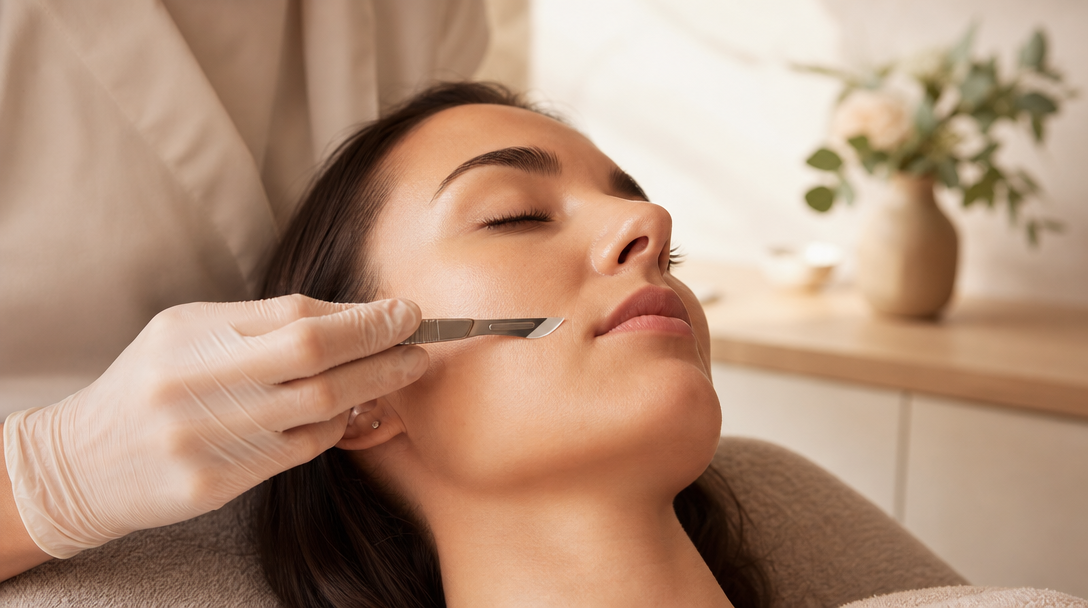
The short version
- Mild itching after dermaplaning is common and usually settles within one to two days.
- It happens because the treatment removes the top layer of dead skin and fine hair, exposing fresher, drier skin to the air.
- Soothe it with a gentle fragrance-free moisturiser, cool compresses and aloe, and avoid scratching or strong actives.
- Skip exfoliants, retinols, makeup and sun for the first 24 to 48 hours.
- Intense burning, a rash, swelling, pus, or itching lasting beyond three days is not normal and should be checked.
A little itching after dermaplaning is one of the most common things people notice, and it is usually nothing to worry about. Dermaplaning works by gently scraping away the top layer of dead skin and fine facial hair, which leaves the skin smoother but also fresher and more exposed for a day or two. Here is why it itches, how to settle it, and when itching is a sign of something more.
If you have just had, or are planning, dermaplaning, this is what to expect.
Why your face itches afterwards
There are three everyday reasons:
- Freshly exposed skin. Removing the top layer of dead cells exposes newer skin to the air, which can feel sensitive and itchy as it adjusts.
- Mild irritation. The scraping action causes a little temporary irritation, much like any gentle exfoliation.
- Dryness. That dead-cell layer also holds moisture, so without it the skin loses water more quickly and can feel tight and itchy. The NHS notes that dry skin is itchy skin.
What is normal
In the first day or two you might notice:
- Mild redness that fades within hours.
- A slight tingling sensation.
- Light itching as the skin renews.
- A dry, tight feeling.
- A little soft flaking, settling within 48 to 72 hours.
All of this is part of normal recovery.
How to soothe it
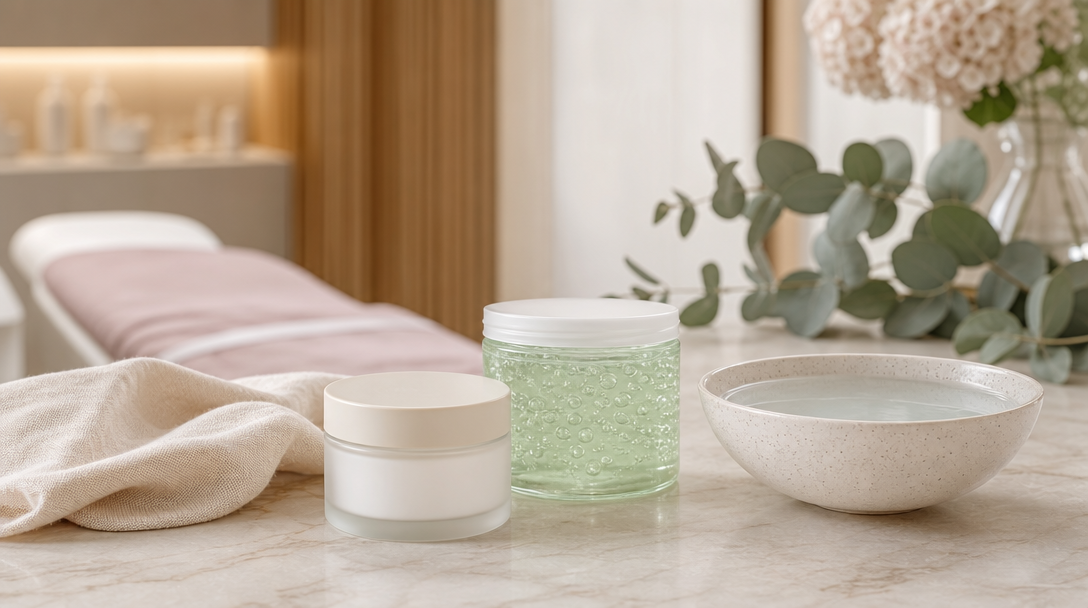
- Apply a gentle, fragrance-free moisturiser, ideally one with ceramides.
- Avoid touching or scratching, which can introduce bacteria and worsen irritation.
- Skip exfoliants and retinols for a few days.
- Use a cool compress for quick relief.
- Apply a soothing aloe or calming gel.
- Keep the rest of your routine simple and gentle while skin recovers.
- Avoid sun exposure for 24 to 48 hours, and use SPF once settled.
What can make it worse
Common triggers to avoid afterwards are harsh or fragranced products, strong actives, frequent face-touching, and sun exposure on the new skin. If you tend towards contact dermatitis, be especially careful with any new product in the days after.
When itching is not normal
Most itching settles within a day or two. See a professional if you have intense burning, red bumps or a rash, swelling, pain or pus, or itching that lasts beyond three to four days. These point to irritation or a reaction that needs proper assessment rather than home care.
Preventing it next time
Before your next session, pause exfoliation and strong actives for a couple of days and keep your skin well hydrated. Afterwards, moisturise consistently, skip makeup for 24 hours and protect from the sun. Having dermaplaning done by a trained professional, who can tailor it to sensitive skin, also makes a real difference, in line with the AAD’s facial aftercare advice.
Ready to begin
Book a free Dermaplaning consultation at your nearest CoLaz clinic
Time with a qualified clinician: a skin assessment, an honest recommendation and no obligation. Read about Dermaplaning at CoLaz, from £65 (full face, single session).
More on Skin
Keep reading
-

Acnelan treatment: the in-clinic peel for active, inflammatory acne
Acnelan is a professional acne peel system with a daily home routine. Here is what is in it, how the course runs, what results look like and when another route suits you better. Read the article -
Sunekos vs Profhilo: which skin booster is right for your skin?
Sunekos and Profhilo are both injectable skin boosters, but one is pure stabilised hyaluronic acid and the other adds amino acids. Here is how they differ and how to choose. Read the article -

PRP face treatment: what it actually does for your skin
PRP uses a small sample of your own blood to support collagen and skin repair. Here is what the research really shows, how many sessions most people need and what to expect on the day. Read the article
Book a free consultation at your nearest CoLaz clinic
Time with a qualified clinician: a skin assessment, an honest recommendation and a written plan. No obligation.