The UK's leading skin clinic
Happy Christmass Happy Christmas
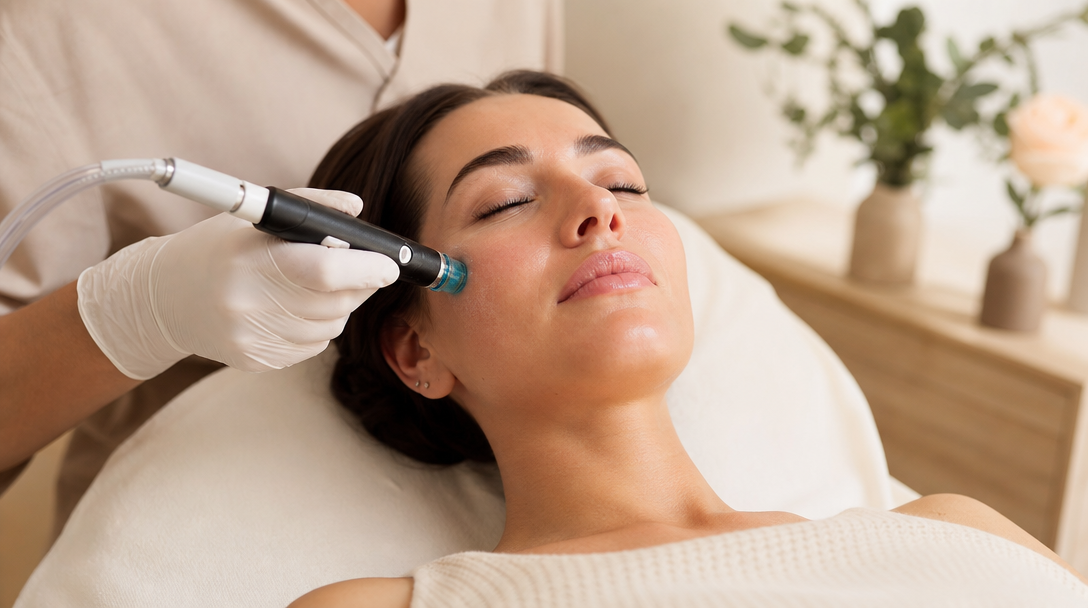
HydraFacial machine in spa for acne treatment and facial benefits
HydraFacial machine in spa for acne treatment & facial benefits

Hydrafacial Side Effects

  • 9 Risks & 8 Fixes for Your Face
  • Expert Team of
    professionals
  • Over 1 million
    Treatments delivered
  • Award winning
    Clinics Across the UK
  • Rated 92%
    on Trustpilot
  • 9 Clinics
    Across the UK

Hydrafacial is one of the most popular skin treatments out there. It’s known for giving glowing, clean, and smooth skin. But while it’s safe for most people, there can still be some mild side effects, especially if you’re new to it or have sensitive skin.

HydraFacial side effects are usually mild, like redness, irritation, or dryness, and often resolve within a day or two.

Serious side effects, such as infections or scarring, are rare but can be managed with professional help.

To minimize side effects, choose a qualified provider, share your skin history, and follow proper aftercare.

This blog covers common Hydrafacial side effects, what causes them, and how to deal with each one the right way.

Hydrafacial Side Effects: 9 Risks & 8 Fixes for Your Face

HydraFacial is a popular skin treatment. It cleanses, exfoliates, and hydrates your skin. Many love it for its glowing results. But, like any beauty treatment. HydraFacial can have side effects. Knowing these side effects helps you prepare.

Common Hydrafacial Side Effects: 9 Risks

Although HydraFacial is gentle for most people. Still, some experience side effects. These are usually mild and short-lived. Understanding them helps you stay calm if they happen. Below are the most common HydraFacial side effects.

Facial treatment with HydraFacial machine for acne and dark spots

1. Mild Redness After Hydrafacial Side Effects

After a Hydrafacial, your skin goes through deep exfoliation and suction. This can lead to short-term redness or a flushed appearance.

  • Redness that lasts for a few hours: The suction tool used in the treatment boosts blood flow to the skin, which causes temporary redness. It’s similar to how your face may look after a good workout.
  • Warm feeling on the skin: Since the skin is stimulated and the pores are cleansed, you may feel a bit of warmth or tingling.
  • Slight puffiness: The extra fluid movement can sometimes lead to minor swelling, especially in sensitive areas like under the eyes.

Solutions:

  • Avoid touching your face: Your skin is freshly exfoliated and more sensitive to bacteria. Touching can cause irritation or breakouts.
  • Don’t apply makeup for at least 24 hours: Let your skin breathe and heal before using any cosmetic products.
  • Use a gentle moisturizer to calm your skin: Look for calming ingredients like aloe vera, ceramides, or hyaluronic acid to soothe your skin.

Redness is normal and often disappears the same day or by the next morning.

2. Skin Purging as a Hydrafacial Side Effect

Hydrafacial brings all the dirt, oil, and dead skin cells to the surface. This can trigger breakouts in some people, especially if their pores are deeply clogged.

  • Small pimples or whiteheads: These often appear in the T-zone, where oil builds up the most.
  • Breakouts around oily areas: The oilier your skin, the more you may notice purging after the treatment.
  • Pimples that come and go quickly: These breakouts usually heal faster than regular acne since they are part of the skin-cleansing process.

Solutions:

  • Keep your skin clean: Wash your face with a gentle, non-stripping cleanser to avoid more buildup.
  • Use non-comedogenic products: These won’t clog your pores and will support clearer skin as it purges.
  • Stay hydrated: Drinking enough water helps your body flush out toxins and supports healing.

Skin purging usually lasts just a few days and is a sign that your skin is adjusting to the treatment.

3. Dryness or Peeling as Hydrafacial Side Effects

Since Hydrafacial exfoliates dead skin cells, some people experience peeling or flaking as new skin cells come to the surface.

  • Flaky skin around the nose and chin: These areas tend to collect dead skin and oil, so they may peel more.
  • Tight skin feeling: Your skin may feel tighter than usual as it adjusts to being cleaner and more exposed.
  • Slight itchiness: The drying effect can also cause itching or discomfort.

Solutions:

  • Apply a gentle, fragrance-free moisturizer: This helps restore the skin barrier without adding harsh ingredients.
  • Avoid exfoliators for a few days: Let your skin rest and heal naturally before using scrubs or acids again.
  • Don’t scratch or pick at the peeling skin: This can cause irritation, redness, or even scarring.

Moisture is your skin’s best friend after a Hydrafacial; don’t skip it.

4. Sensitivity and Irritation: A Possible Hydrafacial Side Effect

Hydrafacial can sometimes make your skin more sensitive, especially if you already have conditions like eczema or rosacea.

  • Itchy or tingly skin: This may occur when applying products or from dry indoor air.
  • Burning sensation when applying skincare: Some products, especially those with active ingredients, may sting after the treatment.
  • More sensitivity to sunlight: Your skin may burn more easily after being exfoliated.

Solutions:

  • Avoid direct sun for at least 48 hours: Your skin needs time to recover and shouldn’t be exposed to UV rays.
  • Use sunscreen with SPF 30 or higher: Choose one that’s labeled for sensitive skin or mineral-based.
  • Use only gentle, soothing products: Avoid acids, retinoids, and anything with alcohol or fragrance.

If the sensitivity lasts longer than 2 to 3 days, talk to your skincare provider.

5. Temporary Discoloration as a Hydrafacial Side Effect

Discoloration can occur due to suction pressure, skin type, or how your skin reacts to serums.

  • Uneven skin tone: Some areas may look darker than others right after treatment.
  • Slightly darker patches: These are often temporary and fade within a few days.
  • Temporary bruising from suction: Delicate areas like under the eyes are most at risk.

Solutions:

  • Ice the area if there’s swelling: Cold compresses help reduce inflammation and discoloration.
  • Avoid harsh products or treatments after your facial: Let your skin calm down naturally.
  • Let your skin rest and heal: Time is the best remedy for mild bruising or color changes.

Discoloration is rare and usually goes unnoticed once the skin settles.

6. Allergic Reactions from Hydrafacial Serums

Hydrafacial serums contain ingredients like antioxidants, peptides, and acids. If you have allergies, your skin may react.

  • Red, itchy rash: This is the most common allergic response.
  • Swelling: You may see puffiness around the eyes, lips, or cheeks.
  • Tiny bumps or hives: These can appear quickly and may be uncomfortable.

Solutions:

  • Let your provider know if you have allergies before your treatment: They can switch serums to safer options for your skin.
  • Stop using all new products until the reaction goes away: This prevents worsening the reaction.
  • Use an anti-itch cream or see a doctor if it gets worse: Over-the-counter hydrocortisone or antihistamines may help.

Patch testing is a good idea if you’re prone to allergies.

7. Bruising or Swelling as Hydrafacial Side Effects

The strong suction used in Hydrafacial can sometimes lead to minor bruising, especially on thinner skin.

  • Purple or blue spots: These can appear like small bruises in areas where the tool was applied.
  • Tender skin: You may feel soreness in those spots.
  • Puffiness under the eyes or around the cheeks: This is from fluid movement during the treatment.

Solutions:

  • Use a cold compress: Apply for 10–15 minutes to reduce swelling.
  • Avoid rubbing or pressing on your skin: This can make bruising worse.
  • Rest your skin from treatments for a few days: Give your face time to fully recover.

These side effects are not dangerous and heal naturally.

8. Delayed Skin Reaction After a Hydrafacial

Sometimes, irritation or reaction doesn’t show up until a few days after your session.

  • Redness that returns after 2 to 3 days: This may mean your skin is overworked.
  • Dry patches: Often from not moisturizing enough after the facial.
  • Tiny bumps or breakouts: A mild reaction to product residue or buildup.

Solutions:

  • Use calming products like aloe vera or chamomile gel: These help cool and heal the skin.
  • Avoid retinol and strong acids: Your skin barrier needs to repair first.
  • Let your skin fully recover before your next session: Avoid back-to-back facials.

Always monitor your skin after a new treatment and note how it reacts.

9. Over-Exfoliation as a Hydrafacial Side Effect

Getting Hydrafacials too often can lead to over-exfoliation, where the skin barrier becomes damaged.

  • Very dry or flaky skin: Your face may look dull or feel rough.
  • More breakouts: Damaged skin is more prone to bacteria and inflammation.
  • Skin that feels raw or sore: Especially when exposed to the sun or products.

Solutions:

  • Only get Hydrafacials once a month or as advised: More isn’t always better.
  • Use hydrating serums and gentle cleansers: These help your skin repair naturally.
  • Avoid other strong exfoliating treatments between sessions: No scrubs, peels, or harsh masks.

Always follow your skincare provider’s timeline for best results.

Prevent HydraFacial Side Effects: 4 Ways

Preventing HydraFacial side effects is easier than you think. A few steps can make your experience smoother. Let’s look at ways to avoid HydraFacial side effects before and during treatment.

  • Choose a Qualified Provider: A trained esthetician knows how to adjust HydraFacial for your skin type. This reduces side effects.
  • Share Your Skin History: Tell your provider about allergies or skin conditions. This helps them customize your HydraFacial.
  • Patch Test: If you have sensitive skin, ask for a patch test. This prevents allergic reactions during HydraFacial.
  • Follow Pre-Treatment Rules: Avoid retinols or exfoliants for a few days before your HydraFacial. This lowers irritation risk.

At CoLaz, we offer professional HydraFacial treatments tailored to your skin type, using medical-grade serums and techniques to minimise risks and maximise glow. Our licensed experts ensure a safe and effective session with personalized aftercare guidance for a smoother recovery and long-lasting results.

Aftercare For HydraFacial

Face with acne scars improved by HydraFacial for clear skin benefits

Good aftercare is key to avoiding HydraFacial side effects. Follow these tips:

  • Use Gentle Products: Stick to mild cleansers and moisturizers for 48 hours after HydraFacial.
  • Stay Out of the Sun: UV rays can worsen redness or irritation. Wear SPF 30 or higher.
  • Avoid Makeup: Skip makeup for 24 hours. This lets your skin breathe and recover from HydraFacial.
  • Hydrate: Drink water and use a hydrating serum. This helps your skin heal and reduces dryness.

How Much Does Treatment Cost?

Conclusion

Hydrafacial is a gentle but powerful skin treatment. For most people, it brings clear and glowing skin with minimal downtime. But like all treatments, it can cause side effects.

Knowing what’s normal and how to care for your skin afterward makes a big difference. From redness and purging to dryness and mild sensitivity, most Hydrafacial side effects are temporary and easy to treat.

Listen to your skin, follow post-care instructions, and consult your provider if anything feels off. That way, you’ll get the glowing, healthy skin you’re after without any unwanted surprises.

Frequently Asked Questions

Can HydraFacial side effects vary depending on skin type or tone?

Yes, different skin types and tones may respond uniquely to HydraFacial. For example, oily skin might tolerate the treatment well but could experience temporary oiliness due to stimulated sebum production, while dry skin types might feel more hydration but could need extra moisturizing post-treatment. Always discuss your specific skin type with your esthetician to customize the HydraFacial and reduce potential discomfort.

How soon can I expect to see results from a HydraFacial despite possible side effects?

You may notice smoother, brighter skin immediately after a HydraFacial, even if mild side effects like redness occur. Optimal results, such as improved texture or glow, typically appear within a few days as your skin adjusts. Regular sessions, spaced about a month apart, can enhance results while your skin adapts to the treatment.

ARRANGE A CONSULTATION

ONE OF OUR ADVISERS WILL CALL YOU BACK SHORTLY TO ARRANGE YOUR CONSULTATION.

    Which service would you like?

    Hair Removal

    Skin Rejuvenation

    Inch Loss Treatments

    Non Surgical

    Skin Imperfections

    Health

    Other Treatments

    Hair Removal

    Skin Rejuvenation

    Inch Loss Treatments

    Non Surgical

    Skin Imperfections

    Health

    Other Treatments

    Existing Client?

    Gender*

    Request Consultation