
Why Do I Have Wrinkles on My Face at a Young Age
- 8 Signs
- Expert Team of
professionals - Over 1 million
Treatments delivered - Award winning
Clinics Across the UK - Rated 92%
on Trustpilot - 9 Clinics
Across the UK
[slide-anything id=”9705″]
Noticing wrinkles when you’re still young can feel confusing and even a little alarming. You expect smooth, firm skin in your teens, 20s, or early 30s, so seeing fine lines appear ahead of schedule can make you wonder what’s really going on. Many people feel this way, and early wrinkles are far more common than most imagine.
Wrinkles at a young age usually happen when your skin’s support systems break down faster than they should. Collagen and elastin start to weaken, the moisture barrier becomes stressed, and daily habits or environmental exposure push the skin beyond what it can repair.
Genetics can make you more prone to early lines, and lifestyle factors like sun, smoking, screen strain, or poor sleep deepen the problem. While early wrinkles may look alarming, they often reflect a mix of internal and external influences that can be understood and improved with the right care.
In this article, you’ll learn the primary causes of early wrinkles, how to spot warning signs, and the steps and treatments that help soften and prevent them.
Why Do I Have Wrinkles on My Face at a Young Age: 8 Signs
Early wrinkles often appear in the late teens, 20s, or early 30s. They form when your skin ages faster than expected. This usually involves a quicker loss of collagen, elastin, and hydration.
You may notice:
- Fine lines that stay visible even when your face is resting
- Texture changes around the eyes, forehead, or mouth
- Skin that feels thinner or less elastic than before
These early signs simply show that your skin needs more support and protection.
Intrinsic Factors
Everyone starts with a genetic baseline. Some people naturally have thinner or drier skin, which means wrinkles show sooner.
Intrinsic factors include:
- Family traits such as fair, delicate, or dry skin
- Inherited patterns of where wrinkles first show
- Natural collagen decline starting in the mid-20s
- Hormonal shifts after stress, illness, or major life changes
These factors shape how fast your skin ages even before lifestyle enters the picture.
Extrinsic Factors
Environmental stress plays a major role in early wrinkles. Even small daily exposures can add up over time.
Common drivers include:
- UV light from the sun or tanning beds that breaks down collagen
- Pollution that increases oxidative stress
- Smoking or vaping that reduces oxygen flow and causes repeated mouth movements
- Low-antioxidant diets, high sugar intake, and frequent alcohol that slow repair
These factors speed up visible aging and weaken your skin’s foundation.
Daily Habits That Etch Lines Early
Some everyday habits create the same movement or pressure on your face over and over.
These include:
Repeated facial movements and everyday habits can physically crease the skin over time, turning temporary lines into permanent wrinkles.
- Squinting at screens or in bright light: Constant squinting strains the muscles around your eyes, leading to fine lines that gradually become permanent. This habit is especially common with excessive screen time or lack of proper eyewear, and it significantly contributes to early crow’s feet.
- Frowning or raising your brows repeatedly: Frequent facial expressions like frowning or lifting your eyebrows create repetitive folds in the skin. Over time, these movements cause lines to set deeper, especially in the forehead and between the brows, eventually becoming visible even when your face is relaxed.
- Sleeping on your side or stomach, which folds the skin: Sleeping positions that press your face into the pillow can create compression lines. Repeated nightly pressure in the same areas can lead to sleep wrinkles, which may eventually become permanent, particularly if your skin is already losing elasticity.
- Using rough pillowcases or rubbing your face: Friction from rough fabrics or frequent face rubbing can irritate the skin and weaken its barrier. Over time, this mechanical stress contributes to fine lines and loss of smoothness, especially in delicate areas like the cheeks and under the eyes.
- Over-exfoliating or skipping moisturizer: Excessive exfoliation can strip the skin of its natural oils, leading to dryness and irritation. Without proper hydration from moisturizers, the skin becomes more prone to fine lines, as it lacks the moisture needed to maintain a plump, smooth appearance.
- Forgetting daily sunscreen: Skipping sunscreen leaves your skin vulnerable to UV damage every day. Even on cloudy days or indoors, UV rays can penetrate and degrade collagen. Consistent lack of protection accelerates aging, making wrinkles appear earlier and deepen more quickly.
Small habits like these make early lines deepen more quickly.
When Early Wrinkles Signal a Bigger Issue
Most early wrinkles are normal, but some changes can point to underlying health concerns.
Red flags include:
Sudden, noticeable wrinkles before age 30
- If wrinkles appear rapidly or seem disproportionate to your age, it could signal an underlying issue affecting collagen production or skin health. This may warrant a closer look at lifestyle factors, stress levels, or possible medical conditions.
Hair loss or changes in nails
- Changes in hair thickness, increased shedding, or brittle nails can indicate nutritional deficiencies or hormonal imbalances. These conditions often affect skin health as well, contributing to premature aging and reduced ability to repair and regenerate.
Fatigue, low energy, or mood shifts
- Persistent fatigue or mood changes may be linked to hormonal or thyroid imbalances. These conditions can slow down metabolism and skin renewal processes, making your skin appear older, duller, and more prone to wrinkles.
Unexpected weight changes
- Rapid weight loss or gain can affect skin elasticity and volume. Loss of fat beneath the skin may make wrinkles more visible, while fluctuations can strain the skin’s structure, contributing to sagging and early line formation.
A professional assessment helps rule out endocrine or autoimmune conditions and checks whether your skin aging matches your age and history.
At Home Changes to Slow and Soften Early Wrinkles
Simple changes can slow early aging and support healthier skin.
Helpful steps include:
- Daily SPF and protective clothing to slow collagen loss
- Retinoids to encourage cell turnover
- Vitamin C to brighten and protect
- Peptides and niacinamide to support firmness
- Hyaluronic acid for hydration
- Healthy routines like steady sleep, hydration, balanced nutrition, and stress reduction
Consistency is the key to seeing improvement.
In Clinic and Medical Treatment Options
Professional treatments address early wrinkles more directly and can create faster, longer-lasting changes.
Common options include:
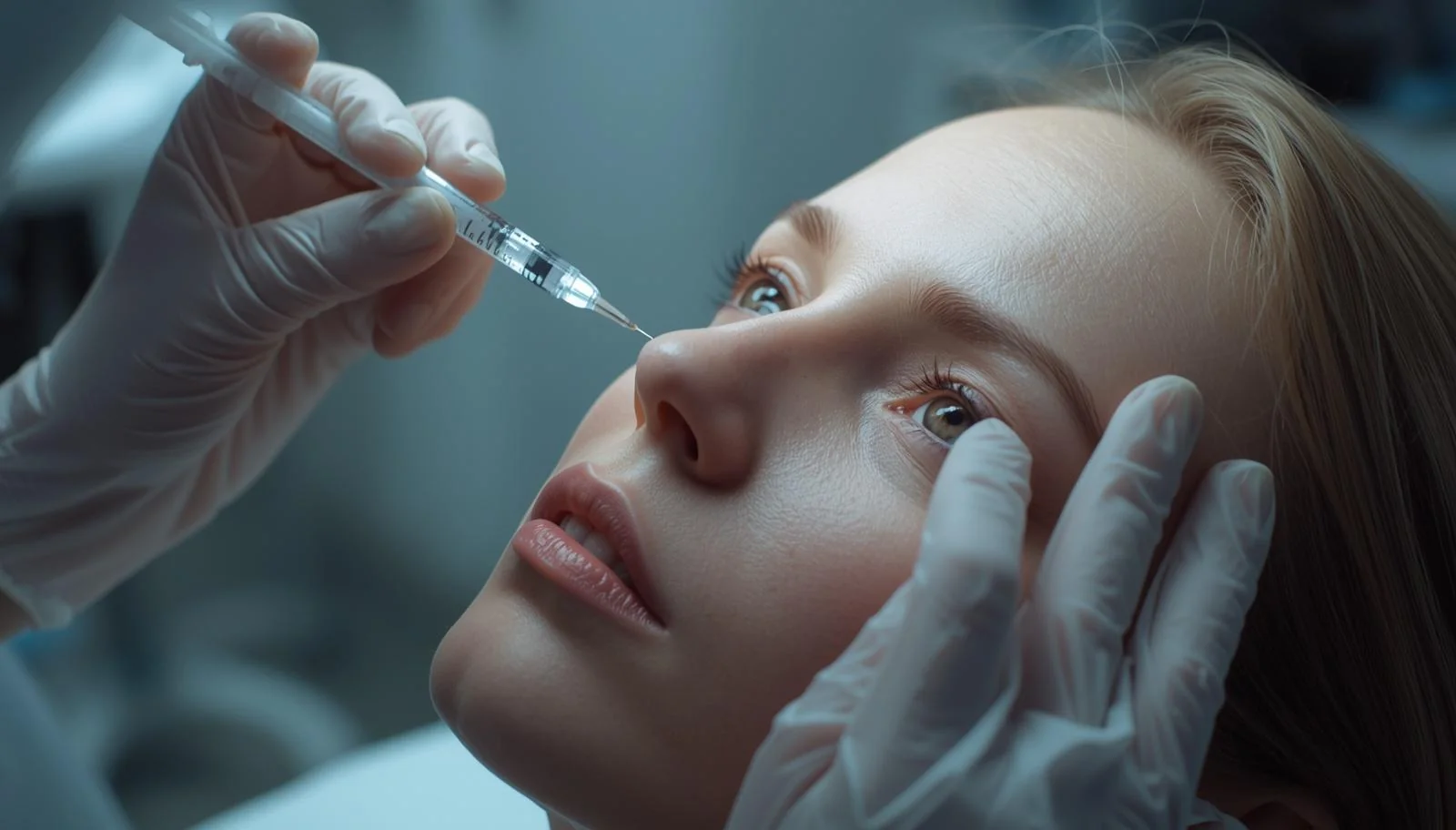
Neuromodulators for expression lines in the forehead, frown lines, and crow’s feet
- Neuromodulators temporarily relax the muscles responsible for repeated facial expressions that cause wrinkles. By reducing movement in targeted areas, they help smooth existing lines and prevent them from deepening over time. Results appear natural when properly administered and are especially effective for dynamic wrinkles caused by habitual facial movements.
Dermal fillers for early volume loss
- Dermal fillers restore lost volume beneath the skin, which helps soften lines and improve facial contours. As early volume depletion can make wrinkles more visible, fillers provide subtle support and structure. They are commonly used in areas like cheeks and around the mouth for a refreshed, youthful appearance.
Microneedling to stimulate collagen
- Microneedling uses fine needles to create controlled micro-injuries in the skin, triggering the body’s natural healing response. This process boosts collagen and elastin production, improving skin texture and firmness. Over time, it helps reduce fine lines, minimize pores, and create smoother, more resilient skin.
Chemical peels to improve texture
- Chemical peels exfoliate the top layers of the skin using specialized solutions, encouraging new cell turnover. This process helps reduce fine lines, uneven texture, and dullness. Depending on the strength, peels can range from mild refresh treatments to deeper resurfacing procedures with more noticeable results.
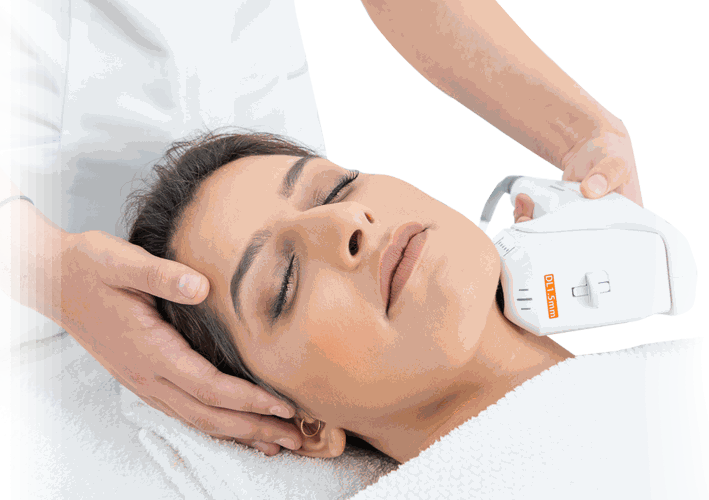
Laser or radiofrequency treatments for deeper collagen remodeling
- These advanced treatments deliver energy into deeper layers of the skin to stimulate collagen production and tighten tissue. They are effective for improving firmness, reducing wrinkles, and enhancing overall skin quality. Results develop gradually as collagen rebuilds, offering longer-term improvement with minimal surface damage.
PRP and regenerative therapies to improve thinning skin
- Platelet-rich plasma (PRP) and similar therapies use your body’s natural growth factors to promote healing and regeneration. These treatments enhance collagen production, improve skin thickness, and boost overall skin vitality. They are particularly helpful for early thinning skin and can complement other aesthetic procedures for better results.
These treatments work well when paired with good home care.
Choosing the Right Service for Your Situation
A proper consultation looks at your age, wrinkle pattern, lifestyle, skin type, and long-term goals before designing a plan.
Most treatment paths fall into these groups:
Mild early lines
- SPF education: Understanding how to properly use sunscreen is essential in preventing early wrinkle progression. This includes choosing a broad-spectrum SPF, applying the correct amount, and reapplying throughout the day. Consistent sun protection helps preserve collagen, prevent UV damage, and maintain smoother, healthier-looking skin over time.
- Medical-grade skincare: Medical-grade skincare products contain higher concentrations of active ingredients that penetrate deeper into the skin. These formulations are designed to improve collagen production, enhance cell turnover, and strengthen the skin barrier. Regular use helps soften fine lines, improve texture, and maintain long-term skin health.
- Light peels or microneedling: Gentle in-clinic treatments like light chemical peels or microneedling help stimulate collagen without significant downtime. These procedures improve skin texture, refine pores, and reduce early fine lines. When done consistently, they support smoother, firmer skin and enhance the effectiveness of your at-home skincare routine.
Expression-driven lines
- Neuromodulators: Neuromodulators work by relaxing specific facial muscles that cause repetitive movements, such as frowning or squinting. By reducing this muscle activity, they prevent lines from becoming deeper over time. These treatments are commonly used for forehead lines, frown lines, and crow’s feet while maintaining natural facial expressions.
- Prevention-focused home routine: A targeted home routine helps extend and maintain the results of professional treatments. This includes using ingredients like retinoids, peptides, and antioxidants to support collagen and skin repair. Combined with daily sunscreen and hydration, it helps minimize expression lines and keeps the skin looking smooth and refreshed.
Deeper or rapidly changing wrinkles
- Combination plans with injectables, resurfacing, and regenerative options: More noticeable wrinkles often require a multi-treatment approach. Injectables restore volume and relax muscles, while resurfacing treatments improve skin texture. Regenerative therapies like PRP enhance healing and collagen production. Combining these methods creates more comprehensive and longer-lasting improvements in skin quality and appearance.
- Possible medical evaluation if needed: If wrinkles appear suddenly or progress quickly, a medical evaluation may be recommended. This helps identify underlying issues such as hormonal imbalances, nutritional deficiencies, or other health conditions. Addressing these root causes ensures that both your skin and overall health are properly supported for better long-term results.
This approach ensures you get the most suitable and effective care.
How Much Does Treatment Cost?
Conclusion
Early wrinkles don’t mean you’ve done anything wrong. They simply show how your skin responds to your genes, habits, and environment. Once you understand what’s driving those lines, you can take clear steps to protect your skin and support healthier aging. With consistent care and the right treatment plan, most young clients see noticeable improvement in both texture and firmness. Your skin can still age smoothly, and the changes you make now can set you up for healthier, more resilient skin in the years ahead.
- You may experience slight redness and swelling, which should resolve within 24 hours.
- Mineral make-up can be worn post 24 hours
- Avoid heat, saunas, hot tubs and sweaty activity for 24 hours; this includes the exercise of any kind.
- Avoid products containing exfoliating agents (retinoic acid, retinol, tretinoin, retinol, benzoyl
- peroxide, glycolic acid, salicylic acid, astringents, etc.)
- Avoid any exfoliation treatments for 2 weeks
- The skin may peel slightly- this is normal and will resolve within 48-72 hours
- Avoid direct sunlight or sunbeds for 72 hours
- You may resume your regular skincare routine 48-72hours after treatment.
Frequently Asked Questions
Yes. Many early lines improve with consistent sun protection, targeted skincare, and healthy habits. Some may need professional treatment for stronger results.
They are common, especially around the eyes and forehead. They often reflect expressive habits, sun exposure, or dryness.
Good hydration supports the skin barrier and can make lines look softer, but deeper wrinkles need more targeted care.
If lines stay visible even when your face is relaxed or keep getting deeper, a consultation can help you find the right approach.
ARRANGE A CONSULTATION
ONE OF OUR ADVISERS WILL CALL YOU BACK SHORTLY TO ARRANGE YOUR CONSULTATION.