
Skin concern
Ageing skin.
Fine lines, loss of firmness, volume loss and a tired, deflated look that no cream is going to lift. We treat the three drivers of facial ageing in a layered plan.
3
Key drivers
4
Matched treatments
7
UK clinics
The condition
What is actually happening in ageing skin-prone skin.
Skin ageing is the gradual result of three separate processes working together: collagen and elastin production drop by roughly one per cent a year from your mid-twenties, fat pads and bone structure shift and shrink, and the muscles of facial expression carve lines deeper into the skin above. Each driver needs a different fix.
Topical retinoids and serums help maintain the surface, but they cannot restore the volume that has gone or lift tissue that has descended. In-clinic work is what addresses the underlying structure: targeted muscle relaxation, replaced volume, bio-stimulation to rebuild the collagen scaffold, and energy-based tightening for laxity.
At CoLaz we plan ageing-skin protocols in layers rather than all at once. The first consultation is a frank conversation about the face you see in the mirror, what is realistic, and which combination will deliver the most natural result for your stage and your features.
01
Collagen decline
From the mid-twenties the skin makes less collagen and elastin each year, so it gradually loses firmness and bounce.
02
Volume loss
Fat pads and bone change with age, flattening the cheeks and softening the jawline so the face looks less supported.
03
Lines and laxity
Repeated expression and slower cell turnover etch fine lines and let the skin crease and sag where it once sprang back.
Matched to this concern
The treatments we would consider for ageing skin.
No single treatment works for every patient, we pair the right protocol to your skin type, the severity and where it is appearing. The combinations below are the most commonly indicated at CoLaz.
01 · Lines and movement
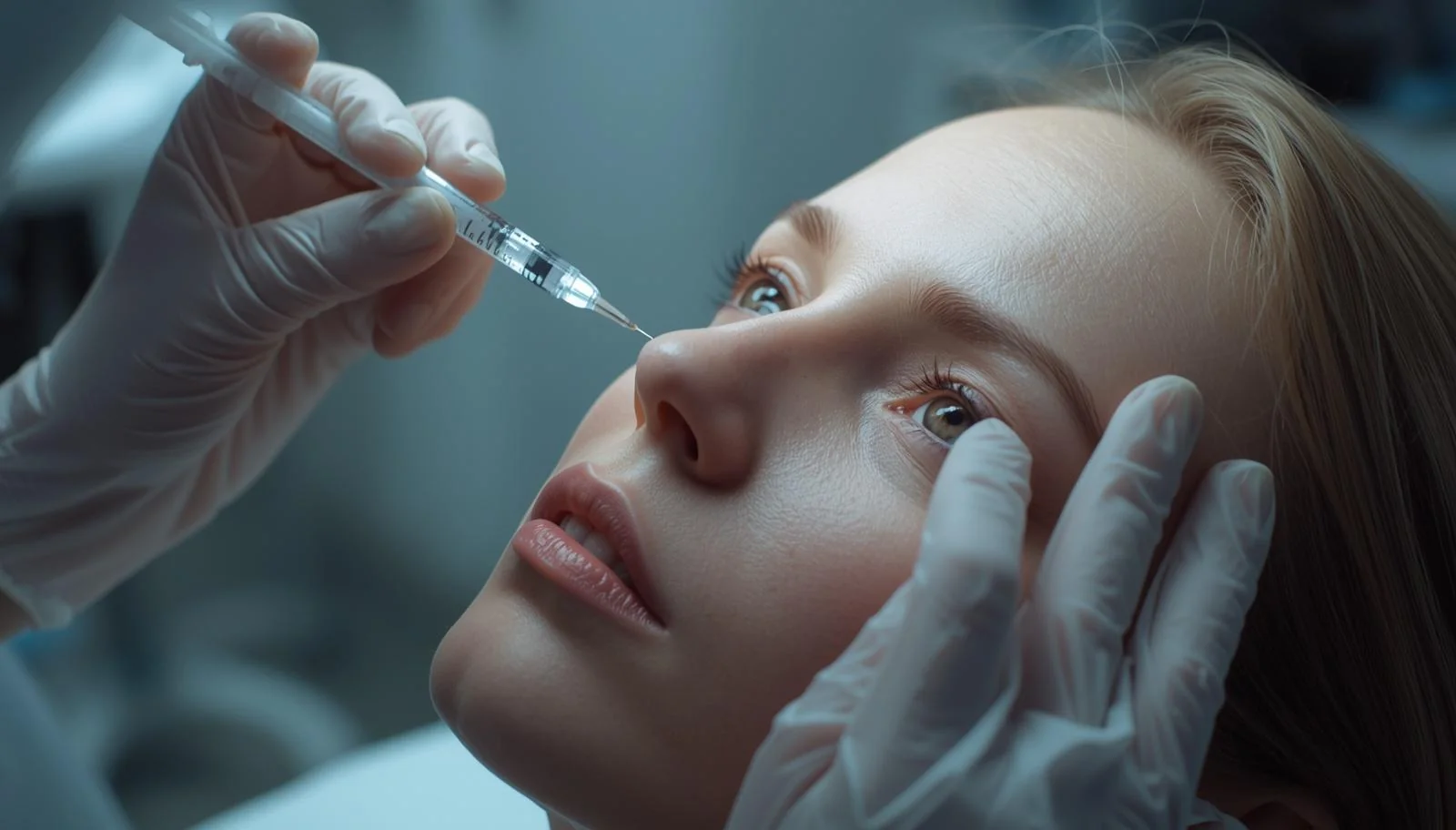
Anti-Wrinkle Injections
Targeted muscle relaxation softens the dynamic lines on the forehead, between the brows and around the eyes that deepen with every expression. Conservative dosing keeps movement natural, friends notice you look rested, not frozen.
Best for: forehead lines, frown lines, crow's feet, preventative work in your thirties
02 · Volume restoration
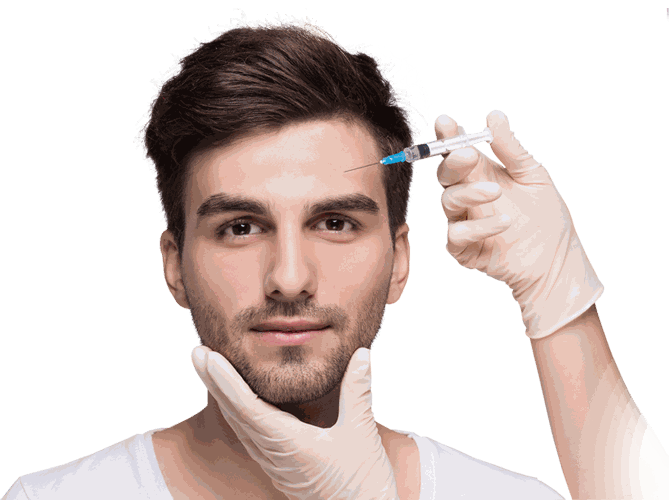
Dermal Fillers
Hyaluronic acid filler restores the cheek, tear-trough, temple and jawline volume that drops with age. Built up in conservative layers across two to three sessions for a natural lift, rather than overfilling in one visit.
Best for: cheek deflation, tear troughs, jawline definition, nasolabial folds

03 · Skin quality
Profhilo
Profhilo is a bio-remodelling injectable that stimulates collagen, elastin and hyaluronic acid production across a wide area. Two sessions four weeks apart deliver a quality and firmness change that filler alone cannot, particularly on the cheeks, neck and lower face.
Best for: skin laxity, crepey texture, overall radiance, neck quality
04 · Non-surgical lift
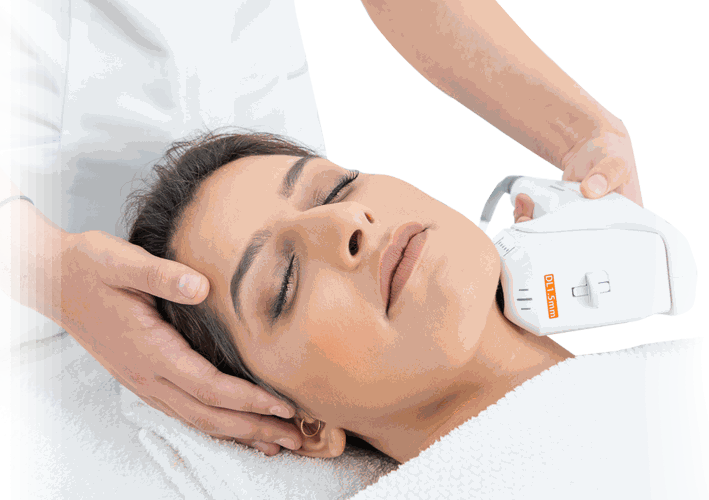
HIFU Facelift
HIFU (high-intensity focused ultrasound) delivers energy to the deep SMAS layer that a surgeon would address in a face lift. A single treatment triggers a tightening response that builds across three to six months. Best for mild to moderate laxity in patients not ready for surgery.
Best for: mild to moderate jowls, jawline laxity, brow lift, neck tightening
How we approach it
A layered plan, built across months not minutes.
I.
Address the structure first
The first sessions usually focus on the foundation, Profhilo to support the collagen scaffold, fillers to restore the volume that has shifted, and HIFU where genuine laxity is the driver. Working from the structure outward delivers a more natural result than chasing surface lines.
II.
Refine and maintain
Once the structure is addressed, anti-wrinkle injections soften the remaining dynamic lines, and a maintenance rhythm keeps the result stable. Most patients settle into Profhilo twice a year, fillers every twelve to eighteen months, anti-wrinkle every three to four months, with HIFU every twelve to eighteen months for those who use it.
At home
What you can do alongside the in-clinic plan.
- • Wear SPF 50 every morning year-round, UV exposure is the single biggest external driver of premature ageing
- • Add a topical retinoid (start at the lowest strength) into your evening routine, proven to maintain collagen between in-clinic sessions
- • Stay properly hydrated and protect sleep, dehydration and poor sleep show in the skin faster than most patients realise
- • Avoid smoking and limit alcohol, both visibly accelerate collagen breakdown and dull skin tone
- • Add vitamin C serum in the morning under SPF, supports collagen synthesis and helps brighten overall tone
A note from the clinic
“Ageing well is not about chasing perfection or trying to look twenty years younger. It is about looking rested, balanced and like the best version of yourself for the age you actually are.”
Alaiyka Parvez · Owner and lead clinician
Common questions
About ageing skin treatment.
When should I start in-clinic anti-ageing treatment?
Which treatment is right for my stage of ageing?
Will I end up looking overdone or unnatural?
How long do anti-ageing treatments last?
Can I have several treatments in one visit?
How much do anti-ageing treatments cost at CoLaz?
Are these treatments safe?
Begin
Bring your skin in.
We will match the plan.
The first consultation is free and there is no obligation to book. We review your skin, your history and your home routine before recommending anything.
Book a free consultation →