
Skin imperfections
Milia removal at CoLaz clinics
Send a photo of your milia to your nearest CoLaz clinic on WhatsApp. A qualified clinician reviews the image, confirms whether removal is suitable, and replies with a fixed price within one working day.
How the photo quote works
Three steps, no surprises
- 01
Send a photo
Tap the WhatsApp button and choose your nearest clinic. Attach a clear, well-lit photo of the area you would like assessed.
- 02
Get a quote
A qualified clinician checks the photo, confirms whether the treatment suits you and replies with a price within one working day. If it is not suitable, we tell you why and what to do next.
- 03
Book if happy
If the price works for you, book a short appointment. Most are done in one session, and there is no pressure to book on the day.
Good for
Who books Milia Removal
- Tiny white keratin cysts around the eyes, on the cheeks, temples and forehead
- Stubborn milia that have not resolved with retinol or exfoliation at home
- Clusters of milia in delicate areas where home extraction would risk scarring
- Adult milia that have appeared after sun damage or rich occlusive skincare
- Patients who have been told their milia are 'too small to extract' by a regular facialist
- Adults wanting a same-day in-clinic clearance with no home picking
What to expect
From your first consultation onwards
- 01
Send a photo of the area on WhatsApp to your nearest CoLaz clinic (or attach the image during a free in-clinic assessment)
- 02
Photo reviewed by a qualified clinician within one working day, who confirms the lesions look like benign milia rather than whiteheads, sebaceous hyperplasia or another cyst
- 03
We reply with a fixed price for the session length needed and outline how many sessions are likely
- 04
If you would like to proceed, book in for your treatment session at the chosen clinic
- 05
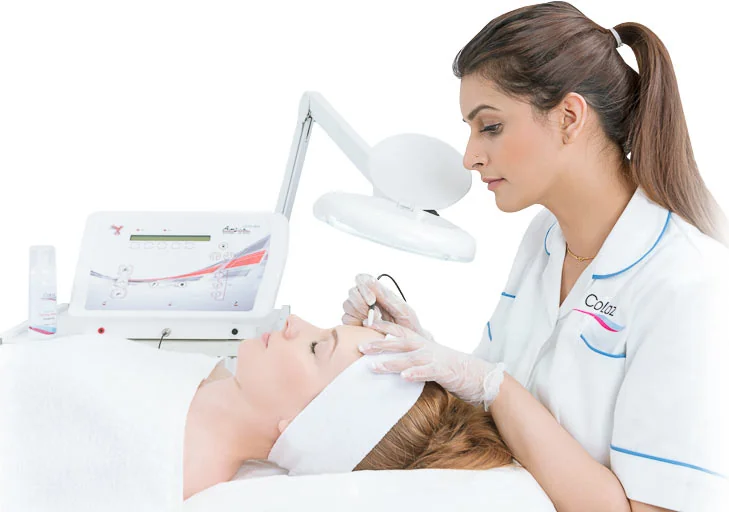
Treatment is performed using advanced electrolysis: a very fine probe is placed at each milium and a brief low-energy current breaks down the keratin so it is reabsorbed by the skin or can be expressed cleanly under magnification
- 06
Cool compress applied between passes to keep the surrounding delicate skin calm
- 07
Soothing barrier balm applied in clinic, with written aftercare confirmed before you leave
Milia are tiny, benign and persistent, and home exfoliation rarely lifts them once they have settled in the delicate eye area. At CoLaz a qualified clinician reviews a photo of the area you’d like treated on WhatsApp, confirms removal is suitable, and replies with a fixed price within one working day. Treatment is performed using advanced electrolysis under magnification at our UK clinics.
What milia are
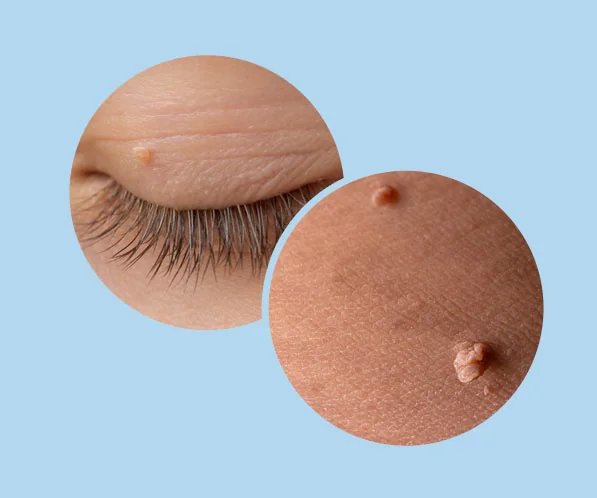
Milia are tiny white or yellow keratin-filled cysts that sit just under the surface of the skin, most often around the eyes, on the cheeks, temples and forehead. They form when keratin and dead skin cells get trapped under the surface rather than shedding normally.
They are completely benign, not contagious, and not the same as whiteheads. Whiteheads are linked to blocked oil glands and respond to acne care; milia are sealed in by a layer of skin and need to be opened or broken down mechanically to clear.
In adults, milia often follow sun damage, very rich occlusive eye creams, mineral oil-based makeup or skin trauma. They can sit unchanged for years, which is why home exfoliation alone rarely lifts them once they have settled in.
How removal works in clinic
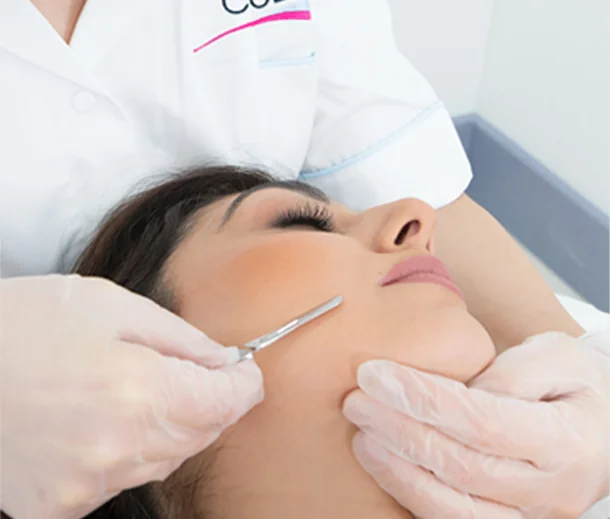
We use advanced electrolysis as the permanent removal method for milia. A very fine probe is placed at the surface of each milium under magnification, and a brief low-energy current is delivered for a fraction of a second. The current breaks down the keratin or fatty tissue inside the cyst so it can be reabsorbed by the skin over the following days.
Where a milium is mature and ready, your clinician will also lift the contents out cleanly under gentle pressure at the same visit. Otherwise the treated area dries into a tiny pinpoint mark and clears naturally over several days to two weeks.
The eye area is sensitive, so cool compresses are applied between passes to keep the skin calm. Most patients describe the sensation as brief light pinpricks. We do not pick milia with bare hands, ever.
After your appointment
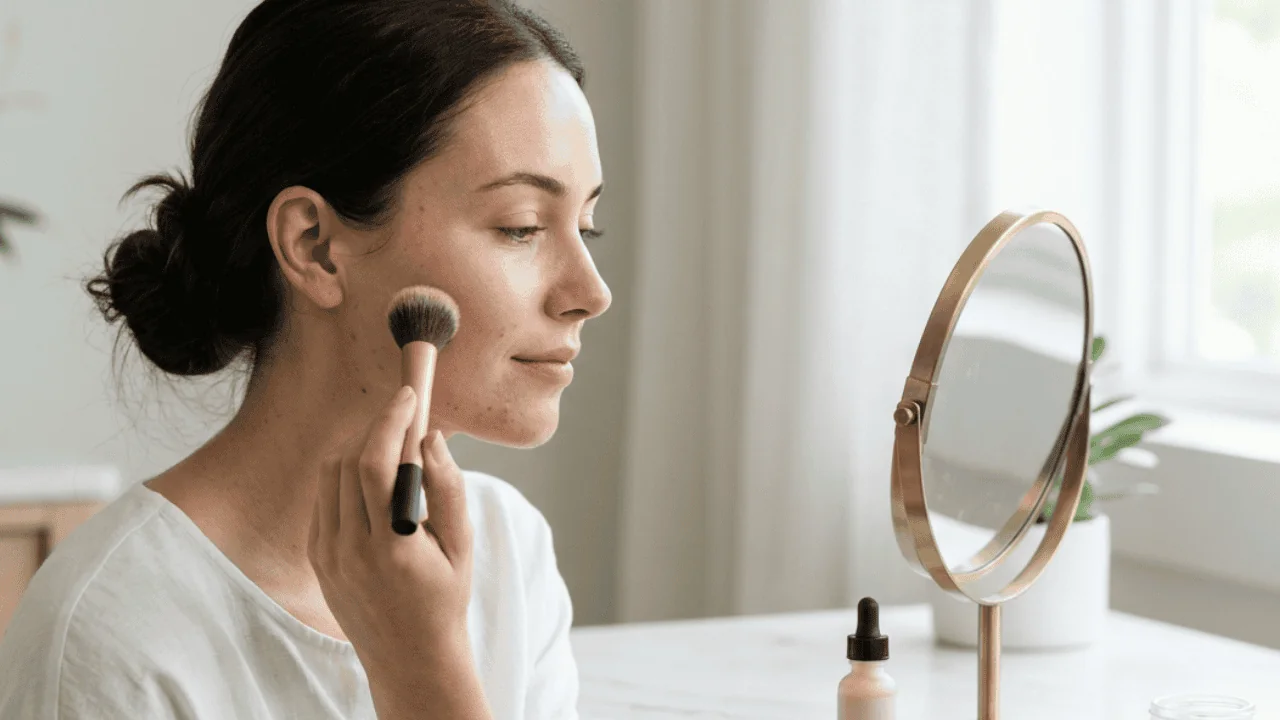
Tiny pinpoint marks at the treated sites are normal for one to three days and settle quickly. Mild redness around the eye area is normal for a few hours after the session. There is no significant downtime, and most patients return to work and normal activities the same day.
For forty-eight hours, avoid touching, rubbing or picking the area, skip makeup over the treated area for the first twenty-four hours, and avoid saunas, steam rooms, sunbeds, swimming pools and intense exercise. A gentle hydrating routine works best while the skin settles.
Pause heavy occlusive eye creams for one week. Those can trap keratin under the skin again and trigger new milia in the same area. A lighter, water-based eye gel is a better fit long term if recurrent milia have been a pattern. Apply SPF 50 around the eyes daily for the next two weeks while the skin settles.
Available across selected CoLaz clinics
Milia removal is delivered at our CoLaz Derby, Wembley, Slough, Reading, Southall and Hounslow clinics by qualified clinicians. Use the clinic finder to choose the location that suits your postcode and schedule, or send a WhatsApp message, most clinics reply within five minutes during opening hours.
Often considered alongside
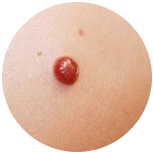
Patients booking milia removal often consider skin tag removal for small benign growths around the eyes and neck, blood spot removal for the tiny red cherry angioma papules that often appear in the same patients, dermaplaning for fine vellus hair and surface buildup that can contribute to recurrent milia, and a Hydrafacial for ongoing gentle deep-cleansing maintenance.
Common questions
What patients ask first
Something else? Message your nearest clinic and a clinician will answer.
What are milia?
Milia are tiny white or yellow keratin-filled cysts that sit just under the surface of the skin, most often around the eyes, on the cheeks, temples and forehead. They form when keratin and dead skin cells get trapped under the surface rather than shedding normally. They are completely benign, not contagious and not the same as whiteheads, which are linked to blocked oil glands. Milia in adults often follow sun damage, very rich occlusive skincare or skin trauma.
How does milia removal work at CoLaz?
We use advanced electrolysis as the permanent removal method. A very fine probe is placed at the surface of each milium and a brief low-energy current is delivered for a fraction of a second. The current breaks down the keratin or fatty tissue inside the cyst so it is reabsorbed into the skin over the following days; where the milium is ready, the contents can be expressed cleanly under magnification at the same visit. Most patients describe the sensation as brief pinpricks. We do not pick milia with bare hands.
How do I send a photo for a quote?
Tap the Send a photo on WhatsApp button at the top of this page. Choose your nearest CoLaz clinic. WhatsApp opens with a pre-filled message; attach a clear, well-lit close-up of the milia and send. We may ask one or two follow-up questions (how long they have been there, whether you use heavy eye creams, whether anything has changed) so we can quote you accurately.
What if my photo shows something that isn't milia?
If the photo shows lesions that have changed in colour, size or shape, have become red, painful or infected, or look like sebaceous cysts, syringoma, xanthelasma or another lesion type, the clinician will decline to quote and recommend you see your GP first. New widespread clusters in adulthood are sometimes linked to medication or an underlying skin condition and should be reviewed by a doctor before any cosmetic removal.
How many sessions will I need?
One session is usually enough for an isolated patch or a small cluster. Larger clusters or stubborn deep milia sometimes need a second session four to six weeks later, once the first treatment has fully settled. Some patients with persistent milia benefit from a maintenance session every six to twelve months. We confirm the likely number of sessions in your photo quote reply.
Will it leave a scar?
Scarring is rare with advanced electrolysis in trained hands because the method is very precise and stays at the lesion rather than spreading. A tiny pinpoint mark at the treated site is normal for a few days and settles quickly. A small pink mark can stay for a few weeks while the skin remodels. Patients with a personal or family history of keloid scarring should mention this at consultation so the plan can be adjusted.
How long will it take to heal?
Treated milia either lift away on the day under magnification, or dry into a tiny pinpoint mark and disappear naturally over several days to two weeks as the keratin is reabsorbed. Mild redness around the eye area for a few hours after the session is normal. Most patients return to work and normal activities the same day, and most marks have fully settled by two weeks.
What is the aftercare?
Avoid touching, rubbing or picking the treated area for forty-eight hours, skip makeup for the first twenty-four hours, and apply the soothing balm we provide as needed. Avoid saunas, steam rooms, sunbeds, swimming pools and intense exercise for forty-eight hours. Apply SPF 50 around the eyes daily for the next two weeks and pause heavy occlusive eye creams for one week, as those can trigger new milia in the same area. A gentle hydrating routine works best while the skin settles.
How much does milia removal cost at CoLaz?
Milia removal is priced by the time needed and the cluster size. A small cluster in one area is at the lower end of the range; a wider pattern across both eye areas or both cheeks scales up. Pricing is confirmed per photo quote, in writing, before any session is booked. Send a photo on WhatsApp and we reply with a firm price for your specific case within one working day.
Where to book
Available at all seven UK clinics
-
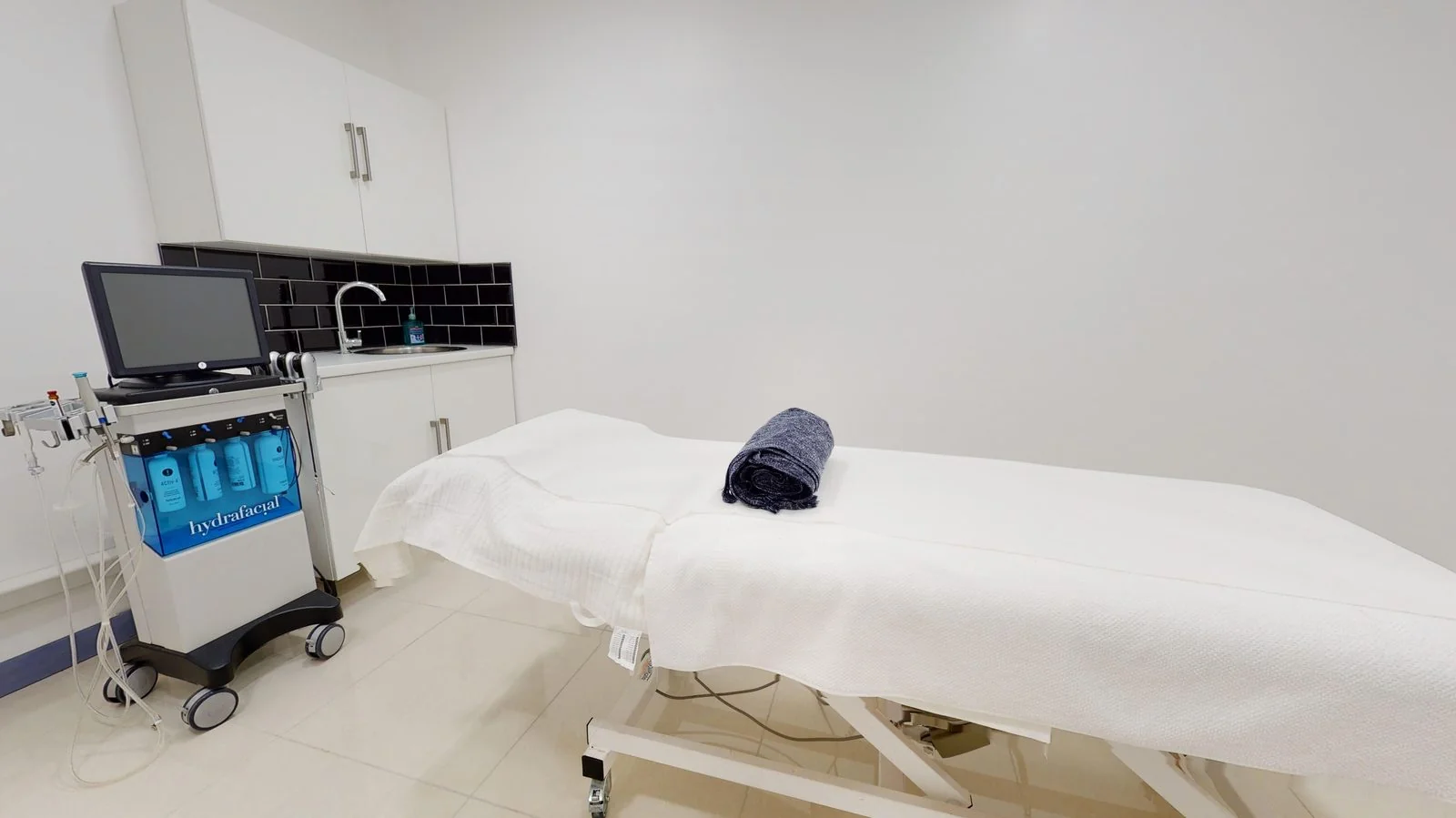 CoLaz Derby 21-23 Pear Tree Road, Derby DE23 6PZ Milia Removal in this clinic (Milia Removal in Derby)
 -
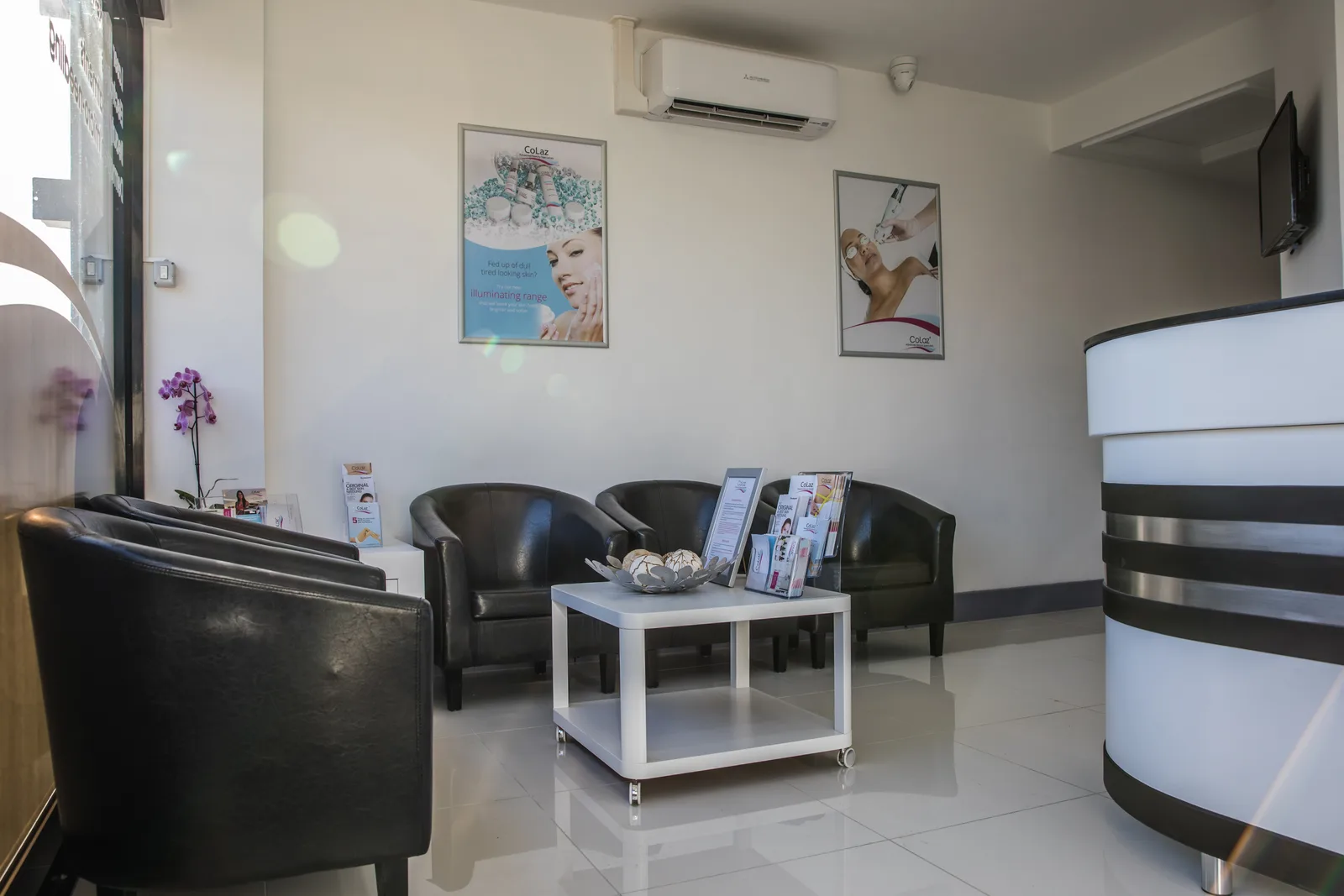 CoLaz Wembley 17 Wembley Hill Road, Wembley HA9 8AF Milia Removal in this clinic (Milia Removal in Wembley)
 -
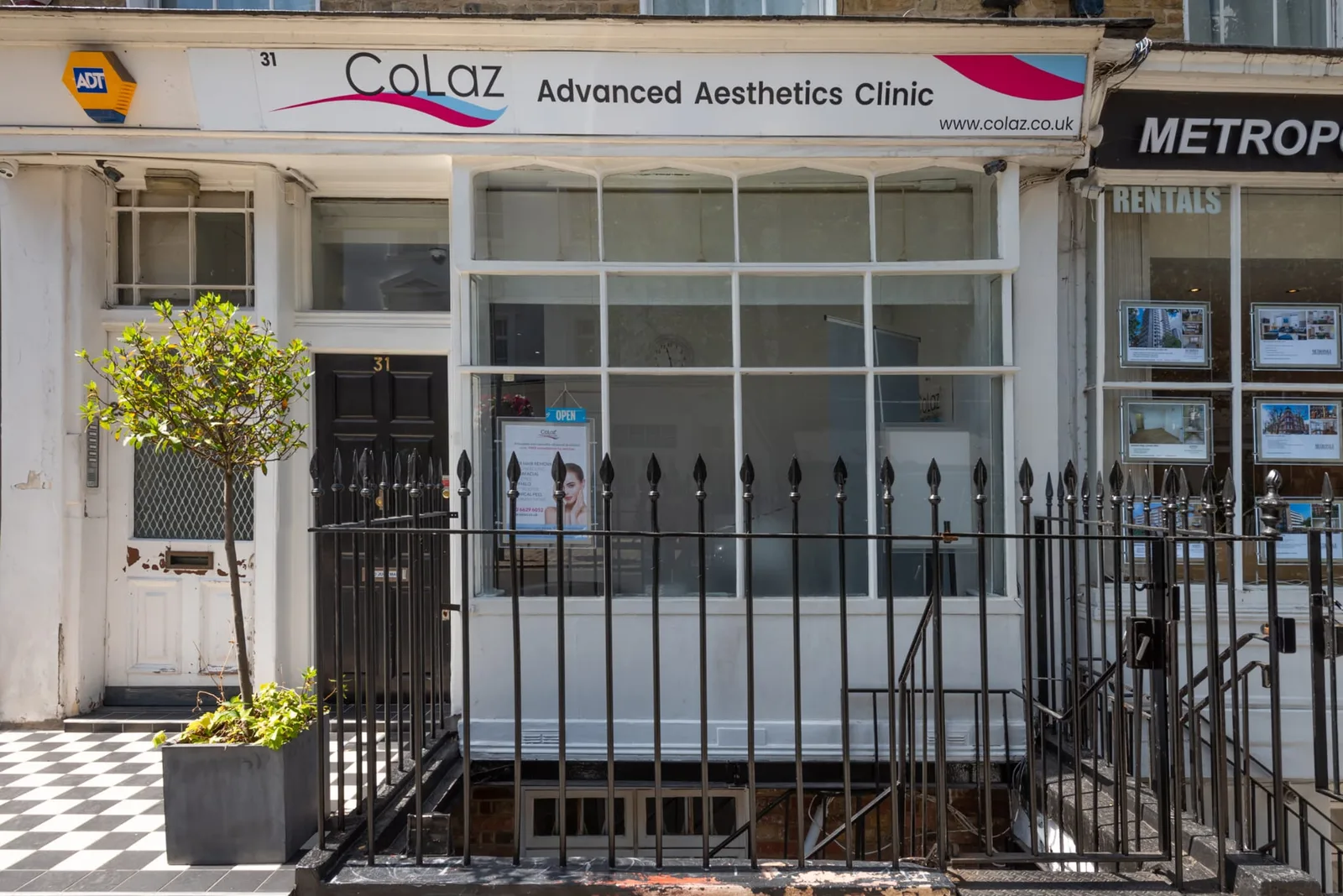 CoLaz London Paddington 31 Southwick Street, London W2 1JQ Milia Removal in this clinic (Milia Removal in Paddington)
 -
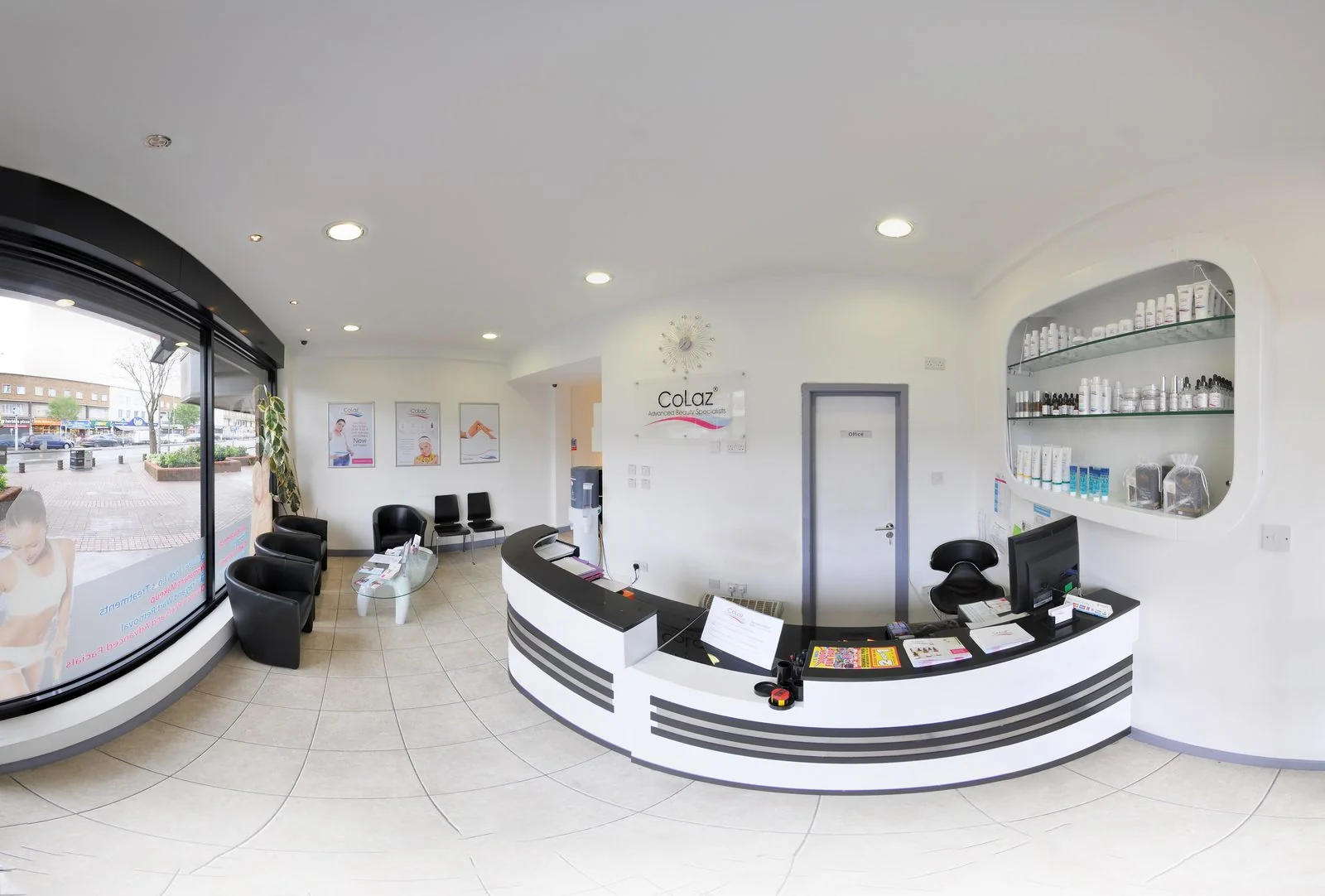 CoLaz Slough 183 Farnham Road, Slough SL1 4XP Milia Removal in this clinic (Milia Removal in Slough)
 -
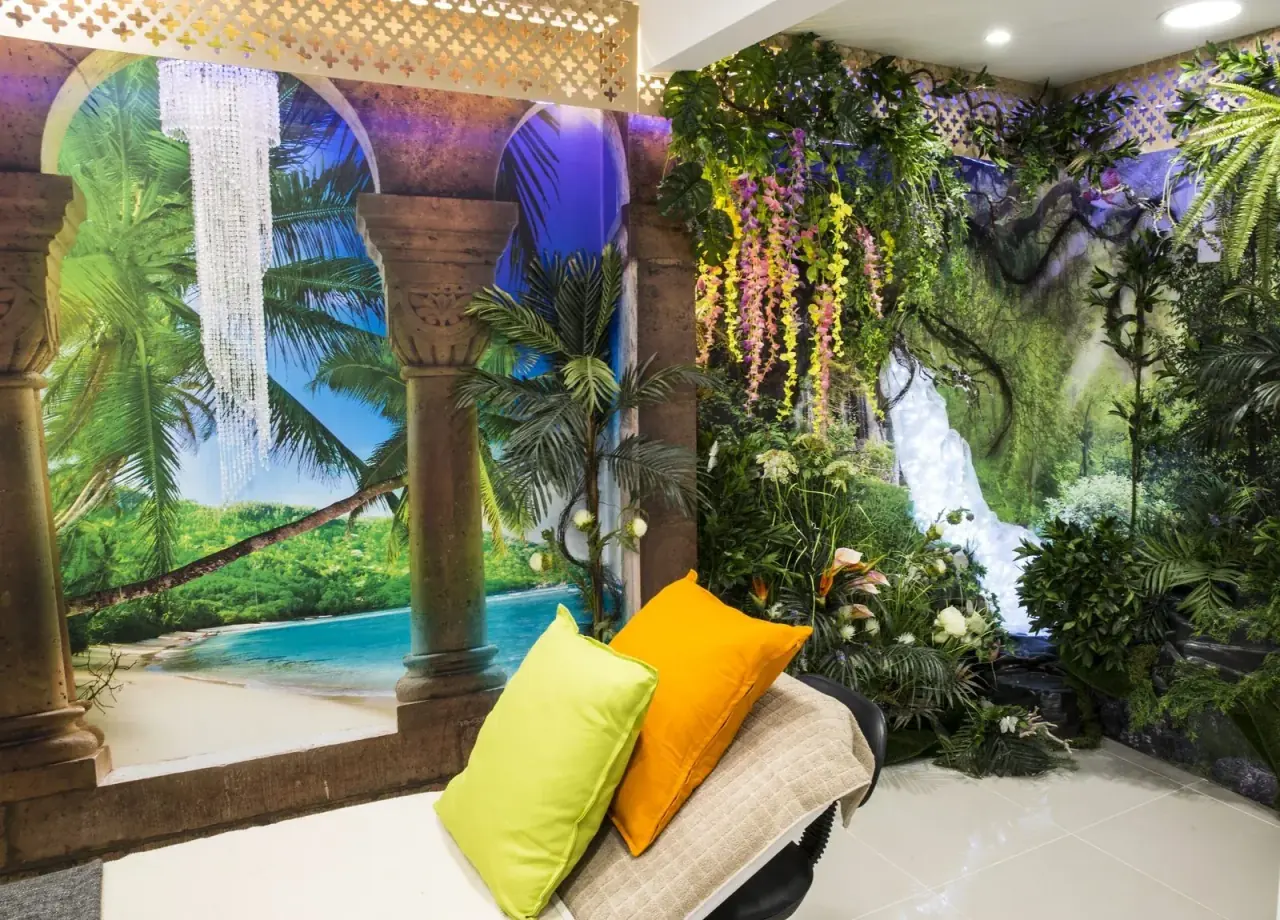 CoLaz Reading 292 Oxford Road, Reading RG30 1AD Milia Removal in this clinic (Milia Removal in Reading)
 -
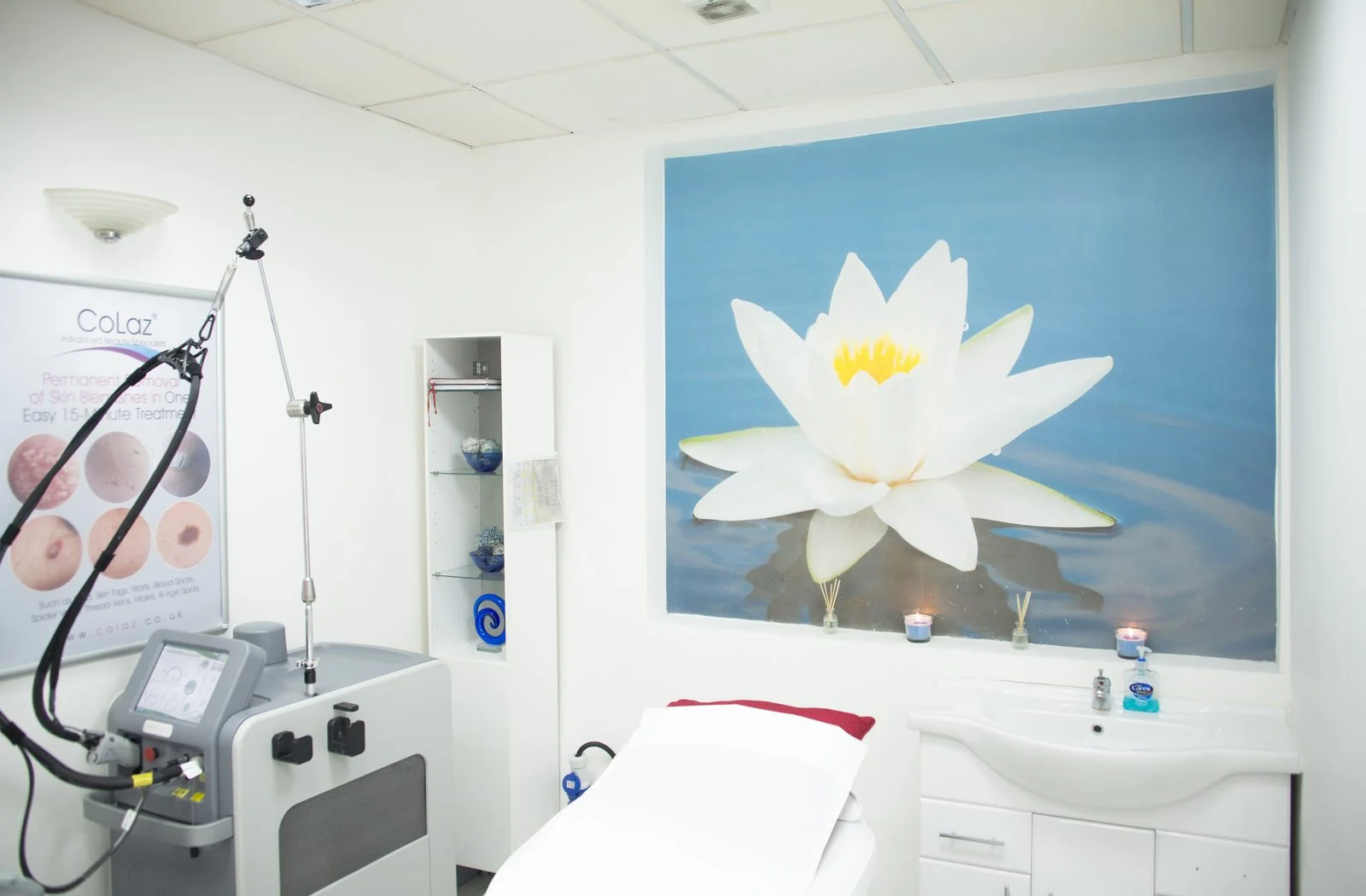 CoLaz Southall 247 The Broadway, Southall UB1 1NF Milia Removal in this clinic (Milia Removal in Southall)
 -
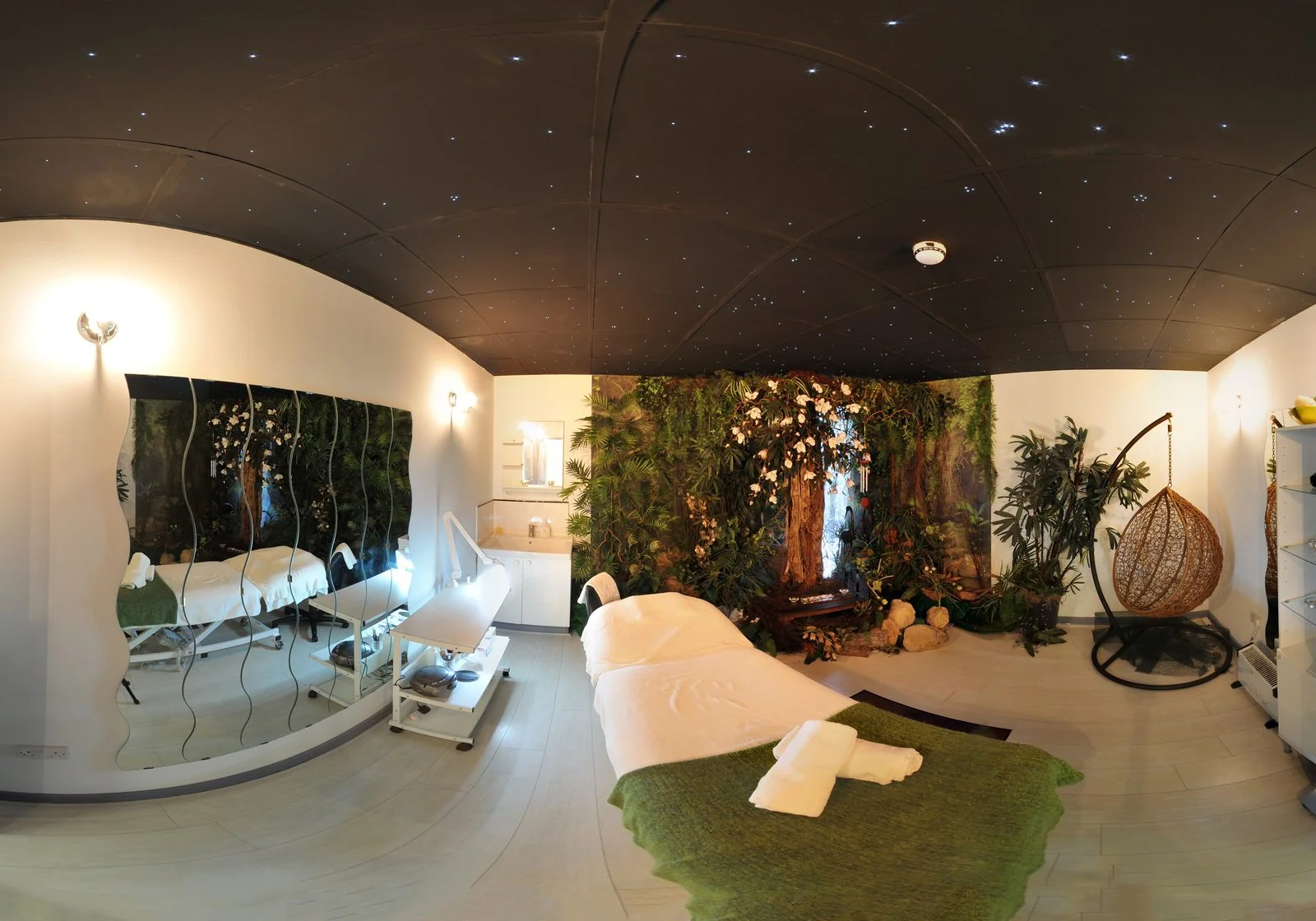 CoLaz Hounslow 435-437 Great West Road, Hounslow TW5 0BY Milia Removal in this clinic (Milia Removal in Hounslow)
From the CoLaz blog
Related reading
Start with a free milia removal consultation
Tell us what you would like to change. Your clinician will recommend a plan, confirm the price in writing and leave the booking to you.