
Laser, RF, and Light-Based Face Wrinkle Treatments
- 9 Factors
- Expert Team of
professionals - Over 1 million
Treatments delivered - Award winning
Clinics Across the UK - Rated 92%
on Trustpilot - 9 Clinics
Across the UK
[slide-anything id=”9705″]
Facial wrinkles are one of the first signs of ageing that many people notice in the mirror. Lines around the eyes, forehead, and mouth can make the face look tired even when you feel great. Modern aesthetic clinics now use energy-based devices like lasers, radiofrequency, and light to soften these lines without surgery.
Laser, RF, and light-based treatments for face wrinkles work by gently heating or resurfacing the skin to trigger collagen, smooth texture, and improve firmness over time.
These methods go deeper than creams, can target specific concerns like fine lines or sun damage, and are often combined for better, longer-lasting results.
When delivered by skilled practitioners, they can offer noticeable rejuvenation with controlled downtime and a strong safety record.
This guide walks through 9 key factors you should know about laser, RF, and light-based wrinkle treatments, how they differ, what to expect, and how Colaz can support your skin rejuvenation journey.
Laser, RF, and Light-Based Face Wrinkle Treatments: 9 Factors
Energy-based wrinkle treatments use focused light or heat to refresh the skin from the inside out. Instead of sitting on the surface like a cream, they send energy into specific layers of the skin to trigger repair.
These treatments are used for wrinkle reduction because they can stimulate new collagen and elastin, the fibres that keep skin firm and springy. Over time, this helps soften fine lines, improve texture, and support a smoother, more even tone. Compared with traditional skincare alone, lasers, RF, and light devices can reach deeper structures and create more visible change, especially for established lines and sun damage.
How laser treatments reduce facial wrinkles
Laser devices use focused light to create controlled micro-damage in the skin, which then heals in a smoother, tighter way. Different lasers reach different depths and are chosen based on your skin type, wrinkle severity, and downtime tolerance.
Types of laser treatments for wrinkles
- Ablative lasers such as CO₂ and Er :YAG remove precise layers of skin, which can deliver strong wrinkle reduction and texture improvement but usually involve more downtime and careful aftercare.
- Non-ablative lasers heat the deeper layers without removing the surface, so they focus on collagen remodeling with gentler recovery but often need a series of sessions.
How laser technology works on wrinkles
- Collagen remodeling: Laser heat or vaporisation tells the body to build new collagen, which gradually firms and thickens the skin.
- Skin resurfacing: Ablative lasers polish the outer layer, helping soften etched lines, enlarged pores, and rough patches.
- Controlled injury: Tiny, precise columns of damage trigger a healing response while leaving surrounding tissue intact so skin can recover more quickly.
Benefits of laser treatments
- Results timeline: Many people see smoother, brighter skin within a few weeks, with continued improvement for several months as collagen builds.
- Ideal candidates: Lasers suit people with moderate wrinkles, sun damage, or acne scarring who can commit to sun care and aftercare instructions.
- Expected improvements: You can often expect finer lines, more even tone, and better texture, especially around the eyes, mouth, and cheeks.
Risks and considerations
- Redness and downtime: Ablative treatments can involve noticeable redness, swelling, and peeling for days to weeks, while non-ablative options usually have milder, shorter downtime.
- Skin type suitability: Certain lasers are better for lighter skin tones, while darker skin may need specific settings or alternative devices to lower the risk of pigment changes.
Safety checks: A full consultation, medical history review, and test patch help reduce risks such as burns, scarring or unwanted colour changes.
Radiofrequency treatments for facial wrinkles
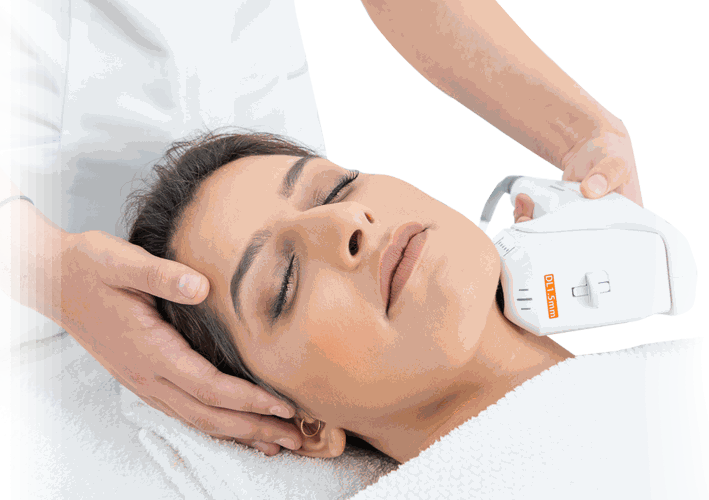
RF is a non-invasive tightening method where a handpiece delivers controlled heat to the dermis while keeping the surface comfortable. This gentle heating typically reaches around the mid-forties Celsius, enough to stimulate collagen without damaging the outer skin when performed properly.
How RF reduces wrinkles
- Heating deeper layers: RF warms the collagen-rich layer under the surface, causing immediate tightening and longer term remodeling.
- Stimulating collagen and elastin: Over the following months, new collagen and elastin help improve firmness and reduce the depth of facial lines.
- Lifting and firming effects: This can give a mild lifting effect to areas like the jawline, cheeks and brow, with a softer, more youthful contour.
Types of RF devices
- Monopolar RF sends energy between a single electrode and a grounding pad, allowing deeper heating that can be useful for more significant laxity.
- Bipolar RF passes current between two nearby electrodes, focusing energy more superficially for controlled tightening at shallower depths.
- Fractional RF delivers energy through a grid of tiny pins or needles, combining precise thermal zones with surrounding healthy tissue to speed recovery.
Benefits of RF treatments
- Minimal downtime: Most people have only mild redness or swelling that settles within hours to a few days, so normal activities can usually resume quickly.
- Suitable for most skin types: Because RF targets tissue through heat rather than light, it is widely used across different skin tones with appropriate settings.
- Gradual, natural-looking results: Skin often looks subtly firmer over 3 to 6 months, which can appear very natural rather than “done.”
Potential side effects and limitations
- Temporary swelling and tenderness: Short-lived redness, swelling or tingling can occur after treatment but usually fade in a day or two.
- Multiple sessions needed: RF tightening usually works best as a course of treatments, and maintenance sessions are often recommended once results start to fade.
- Rare complications: Burns or more serious side effects are uncommon but possible if devices are misused, which is why treatment should always be done by trained professionals.
Light-based treatments for wrinkles
Light-based wrinkle treatments include intense pulsed light (IPL) and low-level LED therapy. These options are typically gentler and best suited to mild lines and early signs of ageing.
Intense pulsed light (IPL)
IPL uses broad-spectrum light, filtered to target pigment and blood vessels in the skin. This helps improve sun spots, redness and fine lines that are part of photoaging. By evening out skin tone and supporting collagen, IPL can give the face a fresher, more youthful look, especially when wrinkles are still shallow.
- Red light: Low-level red light is often used to encourage collagen activity and reduce mild inflammation, with no heat or damage to the skin.
- Safe, low-intensity option: LED therapy is gentle, painless and usually requires no downtime, which makes it a good add-on to other treatments or home-care plans when recommended by a practitioner.
Benefits of light-based wrinkle treatments
- Non-invasive: These treatments do not remove skin or create open wounds, which keeps sessions comfortable and low-risk for many people.
- No downtime: Most clients can return to normal life straight after treatment, aside from basic sun protection and skincare advice.
- Suitable for mild wrinkles: Light-based methods work best when lines are just starting to appear, and skin quality is still fairly good.
Limitations and expectations
- Best for early ageing signs: Deeper creases and significant sagging usually need stronger options like ablative lasers, RF, or injectables for noticeable change.
- Requires consistent sessions: A series of treatments is often needed, and maintenance may be recommended to keep results going.
Comparing laser, RF, and light-based treatments
Choosing between laser, RF, and light-based treatments depends on how deep your wrinkles are, your skin type, and how much downtime you can accept. Many clinics also combine them for a more complete result.
|
Aspect |
Laser |
RF |
IPL / LED |
|
Depth of treatment |
Can reach from surface to the deeper dermis, depending on the device |
Primarily deeper dermis and supporting tissues |
Mostly upper dermis and surface tone |
|
Wrinkle severity |
Good for moderate to deep lines and texture issues |
Good for mild to moderate laxity and wrinkles |
Best for fine lines and early ageing |
|
Downtime |
Ranges from minimal to significant, depending on ablative vs non-ablative |
Usually minimal, short-lived redness or swelling |
Little to none |
|
Skin type considerations |
Some lasers less suitable for darker tones |
Generally suitable across tones with care |
IPL must be used cautiously on darker skin; LED widely suitable |
Studies show that fractional lasers, bipolar RF and IPL can all improve skin elasticity and reduce wrinkles, and that combining modalities can enhance outcomes when tailored to the individual. This is why a personalised plan from a qualified practitioner matters more than choosing a single “best” device.
Treatment safety and aftercare
Safety starts with a full consultation to review your medical history, medications, skin type and treatment goals. This helps your practitioner choose devices and settings that balance results with risk.
Good aftercare is essential for smooth healing and long-lasting results:
- Sun protection: Daily broad-spectrum SPF and avoiding direct sun help prevent pigment changes and protect your new collagen.
- Gentle skincare: Using mild cleansers and soothing moisturisers while avoiding strong acids or scrubs lets the skin barrier repair.
- Follow-up visits: Check-ins allow your practitioner to monitor healing, adjust your plan and schedule maintenance sessions if needed.
Visit Colaz and explore our advanced skincare treatments
Colaz clinics across the UK offer a wide range of non-surgical options for skin rejuvenation, including PICO laser, IPL skin rejuvenation, LED light therapy and RF-based facials. Treatments are delivered by trained clinicians who follow set protocols to help keep procedures safe, comfortable and tailored to each client’s needs.
At Colaz you can:
- Book your consultation: Discuss your wrinkles, skin history and goals with an experienced practitioner who can advise on laser, RF, light-based or combined approaches.
- Discover clinics near you: With multiple locations, you can choose the branch that is most convenient for your schedule and travel.
- Try professional aesthetic services: From skin resurfacing and tightening to injectable wrinkle treatments, Colaz can build a plan that fits your comfort level, downtime and budget.
- Start your rejuvenation journey: Your practitioner will guide you through preparation, treatment and aftercare so you feel informed at every step.
How Much Does Treatment Cost?
Who makes a good candidate
A good candidate for laser, RF or light-based wrinkle treatments is someone with realistic expectations who wants gradual improvement rather than an instant surgical change. Age is less important than overall skin quality, health and commitment to sun care.
In general, practitioners may be cautious or avoid these treatments if you:
- Are pregnant, breastfeeding or have certain active skin infections
- Have a history of keloid scarring or very unstable pigmentation
- Take medications or have conditions that interfere with healing or increase light sensitivity
Because darker skin tones can have a slightly higher risk of pigment changes with some lasers and IPL, choosing an experienced clinic that understands skin of colour is especially important.
Expected results and longevity
Most people notice early improvements in glow and smoothness within weeks, with firmer, clearer skin developing over 3 to 6 months as collagen rebuilds. Stronger treatments may show more dramatic change but also involve longer downtime.
Results are not permanent because natural ageing continues, but they can last many months to a few years with good skincare, sun protection and healthy habits. Maintenance treatments, such as periodic RF tightening or light-based sessions, are often recommended to help preserve your results over time.
Conclusion
Laser, RF and light-based treatments for face wrinkles all work by stimulating the skin’s natural repair systems, but they target different depths and offer different balances of results and downtime. When a skilled practitioner matches the right device or combination to your skin, lifestyle, and goals, these treatments can provide smoother, firmer, and more radiant skin without surgery.
- You may experience slight redness and swelling, which should resolve within 24 hours.
- Mineral make-up can be worn post 24 hours
- Avoid heat, saunas, hot tubs and sweaty activity for 24 hours; this includes the exercise of any kind.
- Avoid products containing exfoliating agents (retinoic acid, retinol, tretinoin, retinol, benzoyl
- peroxide, glycolic acid, salicylic acid, astringents, etc.)
- Avoid any exfoliation treatments for 2 weeks
- The skin may peel slightly- this is normal and will resolve within 48-72 hours
- Avoid direct sunlight or sunbeds for 72 hours
- You may resume your regular skincare routine 48-72hours after treatment.
Frequently Asked Questions
Most people describe these treatments as uncomfortable rather than painful, with brief heat or tingling that is often eased by cooling or numbing cream. Stronger ablative lasers may feel more intense, but clinics use comfort measures to keep treatment tolerable.
Milder options like non-ablative lasers, RF, and light-based treatments are usually done as a series, often spaced weeks apart, while some stronger ablative laser resurfacing may be done less often but with more recovery time. Your practitioner will recommend a schedule based on your skin and goals.
Yes, but device choice and settings matter, and some lasers or IPL modes are not suitable for all tones, so an experienced clinic is essential to reduce the risk of pigmentation problems. RF and certain laser types are often preferred when treating deeper skin tones.
The best approach is to book a consultation where your skin, health, and lifestyle are assessed, then receive a personalised plan that may include laser, RF, light-based treatments, injectables, or a combination for the most balanced result.
ARRANGE A CONSULTATION
ONE OF OUR ADVISERS WILL CALL YOU BACK SHORTLY TO ARRANGE YOUR CONSULTATION.