

Skin concern
Dull skin.
Skin that has lost its glow, looks flat in photographs and never quite catches the light. We treat the three drivers of dullness in a structured plan.
3
Key drivers
4
Matched treatments
7
UK clinics
The condition
What is actually happening in dull skin-prone skin.
Dull skin is the visible result of three things happening at once: dead skin cells accumulating on the surface, dehydration in the upper layers, and a slower cell turnover that comes with age, stress and environmental damage. Light scatters less cleanly off uneven, dry, congested skin, which reads to the eye as flat and tired.
Surface dullness lifts quickly with exfoliation and hydration; the deeper hydration and skin-quality piece needs in-clinic support. Topical products at home help, but they cannot bio-stimulate the deeper layers the way an injectable or a multi-step in-clinic facial can.
At CoLaz we treat dullness in two phases. The first session usually delivers visible glow within twenty-four hours; the structured course builds longer-lasting quality across four to six weeks.
01
Dead-cell build-up
When old surface cells are slow to shed, they pile up and scatter light unevenly, so the skin looks flat and tired.
02
Dehydration
Skin low on water loses its plumpness and bounce, which dims the natural glow even when there is plenty of oil.
03
Slower renewal
Cell turnover and circulation slow with age, stress and poor sleep, so fresh, radiant skin takes longer to reach the surface.
Matched to this concern
The treatments we would consider for dull skin.
No single treatment works for every patient, we pair the right protocol to your skin type, the severity and where it is appearing. The combinations below are the most commonly indicated at CoLaz.

01 · Instant glow
Hydrafacial
A six-step in-clinic facial that cleanses, exfoliates, extracts congestion and infuses bespoke serums into the skin in a single hour. The result is visible immediately, clearer pores, softer texture, an even tone, and lasts three to four weeks before the next session.
Best for: instant brightening, dehydration, congested skin, event-week glow

02 · Deep hydration
Profhilo
Profhilo is a bio-remodelling injectable that delivers a high concentration of pure hyaluronic acid across the face, neck or hands. Two sessions four weeks apart stimulate collagen and deeply hydrate the dermal layer for radiance that no topical can match.
Best for: deep hydration, crepey texture, mature skin radiance
03 · Surface renewal
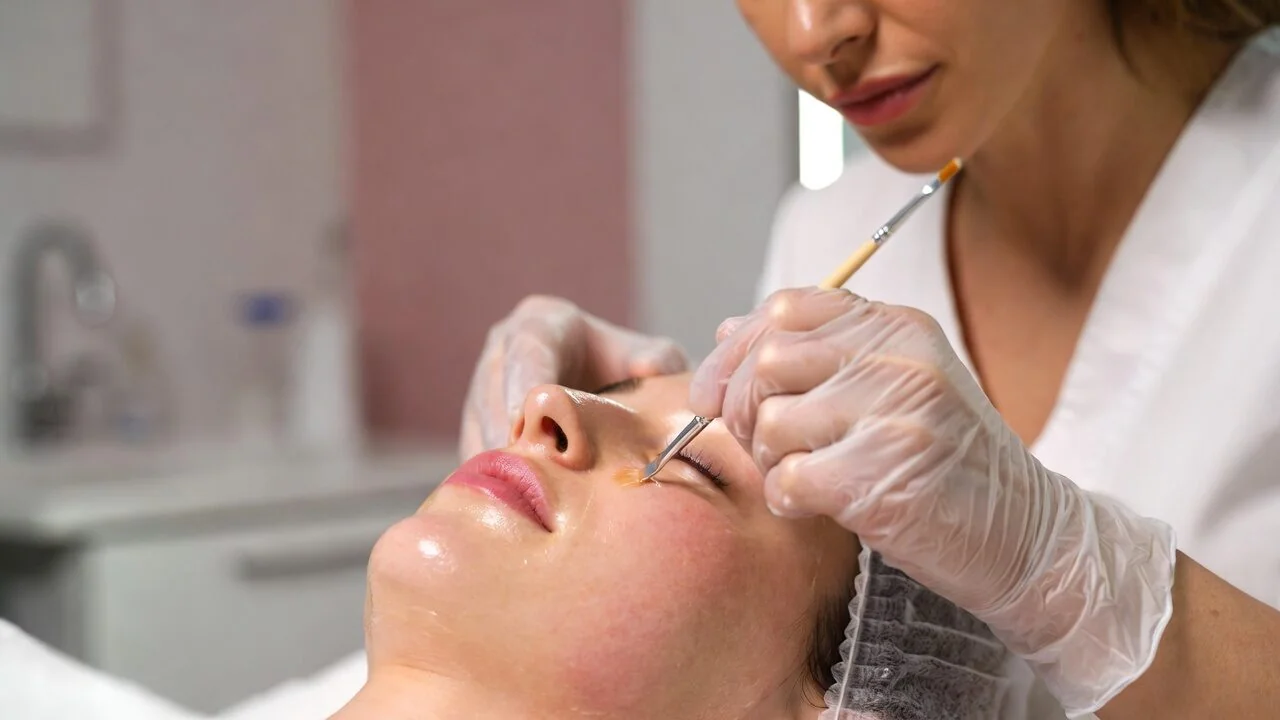
Chemical Skin Peels
Glycolic, lactic and enzyme peels resurface the dead cell layer that scatters light unevenly. A course of three to six light-medium peels delivers a noticeably brighter, more even-toned complexion.
Best for: uneven tone, surface dullness, mild pigmentation, congested texture
04 · Cellular turnover
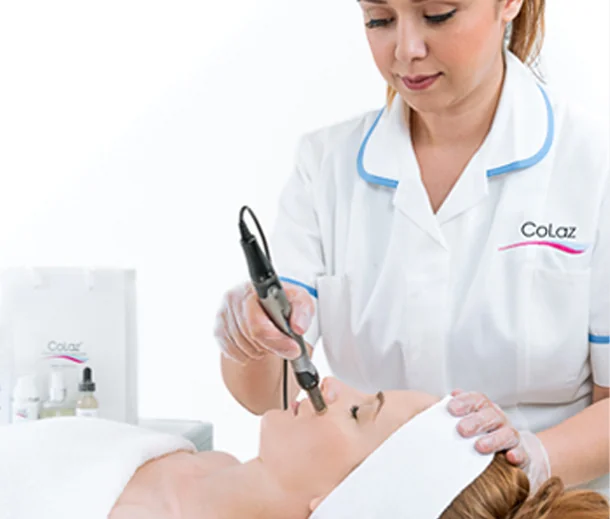
Dermapen Microneedling
Microneedling triggers a controlled wound-healing response that accelerates collagen production and cell turnover. Skin appears smoother, brighter and more even-toned across a course of three to six sessions four weeks apart.
Best for: tired-looking skin, fine lines, uneven texture, post-summer reset
How we approach it
Glow today and quality across the course.
I.
Reset the surface
The first session is usually a Hydrafacial or a light enzyme peel to lift dead cells, clear congestion and deliver immediate hydration. Most patients see a visible change within twenty-four hours, softer texture, clearer pores, a brighter tone that catches the light again.
II.
Build deeper quality
Once the surface is reset, we layer in a structured course matched to your skin. Profhilo for patients wanting deep dermal hydration, microneedling for cellular turnover and tone, or a chemical-peel course for uneven pigmentation. Maintenance sessions every six to eight weeks keep the result stable.
At home
What you can do alongside the in-clinic plan.
- • Drink at least two litres of water daily, surface dehydration is the most overlooked driver of dull skin
- • Add a vitamin C serum in the morning under SPF 50, antioxidant protection plus a measurable brightening effect
- • Use a gentle exfoliating acid two or three nights a week (glycolic or lactic), supports cell turnover between in-clinic sessions
- • Swap a foaming cleanser for a cream or oil cleanser, most foaming cleansers strip the barrier and worsen surface dullness
- • Get seven to eight hours of sleep consistently, skin repair happens overnight and shortage shows in the mirror within days
A note from the clinic
“Dull skin is usually the easiest concern to fix and the one that delivers the most visible change in the mirror. A single Hydrafacial often does more in an hour than six months of trying new serums.”
Alaiyka Parvez · Owner and lead clinician
Common questions
About dull skin treatment.
What causes dull skin?
Which treatment delivers the fastest result for dull skin?
How often should I have these treatments?
Is there any downtime?
Will the result last?
How much do dull-skin treatments cost at CoLaz?
Can I have dull-skin treatment alongside my other skincare?
Begin
Bring your skin in.
We will match the plan.
The first consultation is free and there is no obligation to book. We review your skin, your history and your home routine before recommending anything.
Book a free consultation →