
Botox, Fillers & Injections for Face Wrinkles
- 4 Essentials
- Expert Team of
professionals - Over 1 million
Treatments delivered - Award winning
Clinics Across the UK - Rated 92%
on Trustpilot - 9 Clinics
Across the UK
9 Clinics
Across the UK
Over 1 million Treatments
delivered
Award winning
Clinics Across the UK
Rated 92%
on Trustpilot
Expert Team of
professionals
Wrinkles can feel like they showed up overnight, but they usually build up slowly as skin loses collagen, movement lines deepen, and volume fades. Facial expressions, sun, and lifestyle all play a part, so different people age in different ways. That is why one single treatment rarely suits every face.
Botox, fillers, and other injectable treatments work in different ways to soften lines, restore lost volume, and refresh tired skin without surgery.
Botox relaxes the muscles that crease the skin, while dermal fillers sit under the skin to support and lift deeper folds.
Skin boosters and collagen-stimulating injections focus more on hydration, glow and texture than on changing facial shape.
In this guide, you will learn what each injectable does, which types of wrinkles it target, how long the results last, and how a trained practitioner at CoLaz can help you choose the safest and most effective option for your face.
Botox, Fillers & Injections for Face Wrinkles: 4 Essentials
Facial wrinkles develop as skin thins, collagen breaks down, and the fat and bone structure under the skin slowly change with age. Repeated movements like frowning and smiling create creases that deepen over time, while volume loss leads to folds and shadows that stay even when the face is at rest.
Injectable wrinkle treatments are medical procedures where tiny amounts of products are placed into or under the skin to relax muscles, add volume, or improve skin quality. They are popular because they can be done in a clinic setting, usually in under an hour, with no general anaesthetic and minimal downtime compared with surgery.
At CoLaz, wrinkle treatments are provided in modern clinics by trained practitioners who use advanced equipment and established products to help improve skin and facial contours safely.
Botox, fillers and other injections
Different injectables focus on different parts of the ageing process, so understanding how each one works is the first step. A good plan often blends these tools rather than relying on just one.
Botox muscle-relaxing injections
Botox is a purified form of botulinum toxin type A that is injected into specific facial muscles. It works by blocking the chemical signals that tell those muscles to contract, which softens the overlying expression lines.
This type of injection is most often used for lines that deepen with movement, such as horizontal forehead lines, frown lines between the brows, and crow’s feet around the eyes.
Dermal fillers for volume and support
Dermal fillers are gel-like substances, often made from hyaluronic acid, that are placed under the skin to restore volume and smooth deeper wrinkles. The gel supports the tissue from below, which can lift folds and soften shadows.
Fillers are commonly used for static wrinkles and folds such as nasolabial lines from the nose to the mouth, marionette lines from the mouth to the chin, and areas of volume loss in the cheeks or around the mouth.
Skin-boosting and other injectables
Skin booster injections deliver small amounts of hydrating ingredients like hyaluronic acid into the skin rather than under it. This deep hydration improves smoothness, fine lines and overall radiance over time.
Collagen-stimulating injectables encourage the skin to make more collagen and elastin, which can help with texture, firmness, and fine creases without adding strong volume or changing the basic face shape.
What each treatment targets
Every wrinkle behaves differently, so matching the treatment to the type of line is key. Many people have a mix of dynamic and static wrinkles, which is why combination plans are common.
Dynamic wrinkles that move
dynamic wrinkles show most clearly when you make expressions, such as frowning, squinting or raising the eyebrows. These lines form where the muscles repeatedly pull the skin in the same way.
- Best match: Botox is usually the first choice here because relaxing the overactive muscles reduces movement and lets the skin lie flatter over time.
- Typical targets include forehead lines, vertical frown lines, and crow’s feet at the outer corners of the eyes.
Static wrinkles that stay at rest
Static wrinkles and folds are visible even when your face is relaxed. They are often linked to volume loss, skin thinning, and gravity rather than just movement.
- Best match: Dermal fillers are usually preferred because they restore lost support, lift the tissue, and soften deeper creases.
- Common areas are nasolabial folds, marionette lines and hollow or flattened mid-cheeks.
Combination ageing concerns
Many faces show both movement lines and volume loss, especially from the late thirties onward. Treating only one cause can sometimes leave the result looking incomplete.
- A blend of Botox for expression lines and fillers for deeper folds can create a more balanced and natural-looking outcome.
- Skin boosters or collagen-stimulating injections can be added to refine fine lines, hydration and texture for an overall fresher look.
Treatment results and expectations
Understanding when results appear and how long they last helps you plan around work and social life. It also sets realistic expectations before you start.
How fast results appear
Different injectables show their effects on different timelines. Some are almost instant, while others build gradually.
- Botox results usually begin to appear within three to seven days as the treated muscles slowly relax, with full effect often seen by about two weeks.
- Most dermal fillers give visible improvement right away because the gel adds volume as soon as it is placed, although minor swelling can temporarily affect the look.
- Skin boosters and collagen-stimulating injections tend to give gradual benefits as hydration and collagen increase over several weeks.
How long results last
Injectable treatments are not permanent, and the body slowly breaks them down. How long they last varies with the product, area treated, and your own metabolism.
- Botox effects commonly last around three to six months before muscle movement gradually returns, and a top-up is needed to maintain results.
- Many hyaluronic acid dermal fillers in areas like the nasolabial folds or marionette lines last roughly six to twelve months, sometimes longer, depending on the formulation and placement.
- Skin boosters and collagen-stimulating injections often require a short course of sessions followed by maintenance, with duration depending on the product and your skin condition.
What a typical appointment involves
A safe injectable treatment should feel structured and clear from start to finish. You should always have time to ask questions.
- Consultation and assessment: The practitioner reviews your medical history, examines your face at rest and in motion, and discusses your goals and concerns.
- Treatment planning: Together you agree which areas to treat, which products to use and the amount needed, aiming for natural results that suit your face.
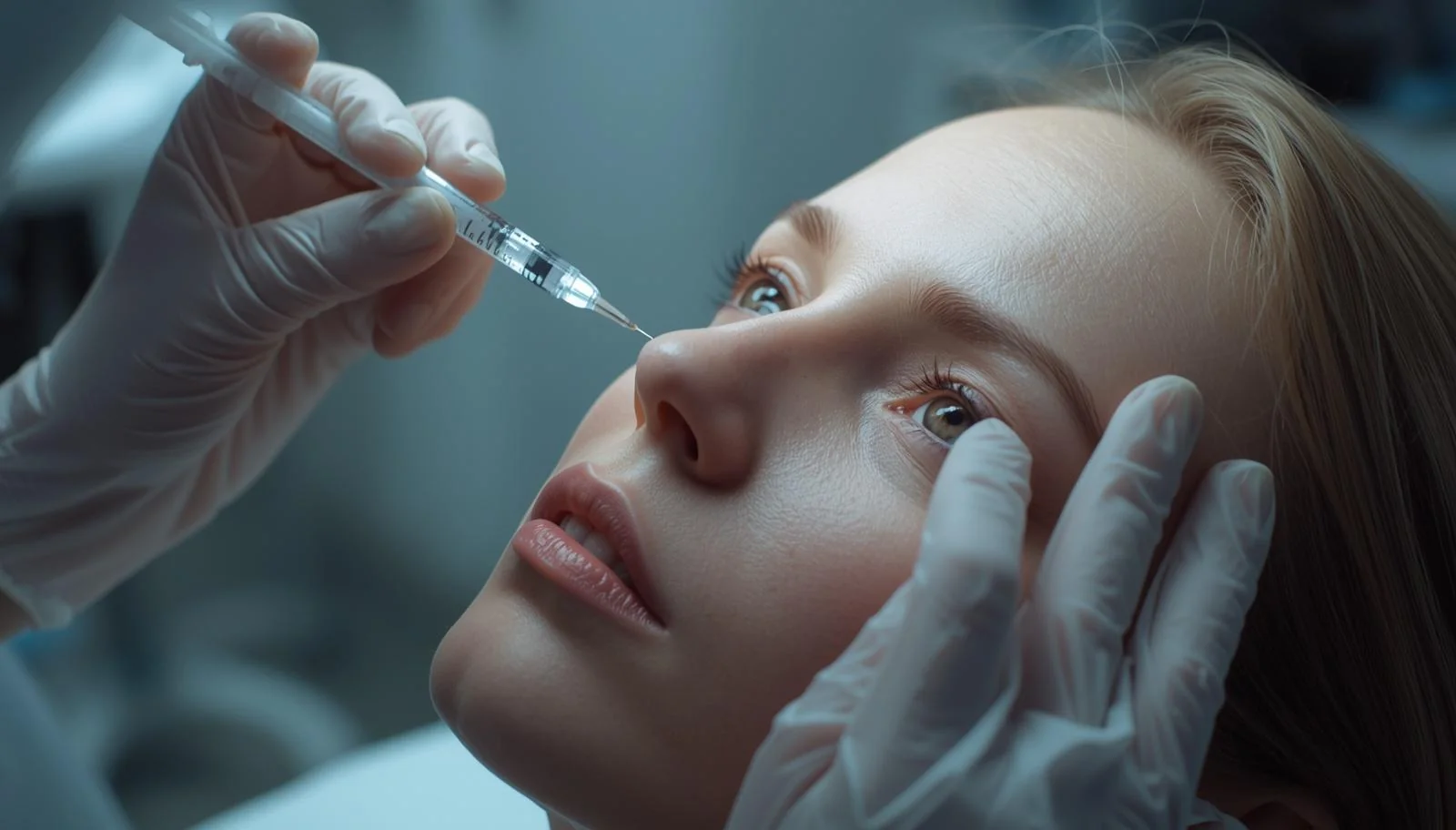
- Injection procedure and aftercare: After cleaning the skin and possibly using numbing cream, the injections are placed with fine needles, followed by simple aftercare advice such as avoiding rubbing the area and watching for any unusual reactions.
Pros and limitations of Botox and fillers
Every injectable has strengths and limits, so weighing both sides helps you make an informed choice. A good practitioner will explain not only what a treatment can do, but also what it cannot.
Botox benefits
- Smooths expression lines by calming overactive muscles that crease the skin with movement.
- Non-surgical, quick appointments that usually allow you to return to normal activities the same day.
- Often involves minimal downtime, with common side effects such as small injection marks settling within hours to a few days.
Botox limitations
- Botox does not fill or lift areas where volume has been lost, so deeper folds and hollows often need fillers instead.
- Results are temporary and need regular maintenance sessions to keep lines softened over time.
Dermal fillers benefits
- Restore volume and structure, which can soften deeper wrinkles and folds and improve facial contours.
- Provide immediate visible improvement in most cases, so you see a change as soon as treatment is finished.
- Can be tailored in thickness and placement to treat specific areas such as cheeks, nasolabial folds, lips, and marionette lines.
Dermal fillers limitations
- Fillers do not relax facial muscles, so they will not prevent movement lines from forming if muscles remain very active.
- Duration varies by product, area and individual factors, and some areas may need more frequent maintenance than others.
Choosing the right injectable treatment
Choosing the best treatment starts with understanding what bothers you most when you look in the mirror. A focused goal makes it easier to build a clear plan.
Identify your main concerns
- If your main lines appear when you frown, squint or raise your brows, Botox is often the first choice because it targets the movement that creates those creases.
- If your concerns are deeper folds, sagging or areas that look sunken even when your face is still, dermal fillers are usually more suitable because they replace lost volume.
- If you notice general dullness, fine crepey lines or dryness, skin boosters or collagen-stimulating injections may be added to improve texture and glow.
Importance of professional assessment
An in-person assessment is vital because every face has its own structure, symmetry and skin quality. Photos or online descriptions are not enough to design a safe treatment plan.
A trained practitioner will study how your features balance, how your muscles move, and how thick or thin your skin is before suggesting doses or products. This approach helps avoid an overfilled or “frozen” look and lowers the risk of side effects.
Role of combined treatments
Using more than one injectable in a thoughtful way can often give the most natural result. Rather than chasing one line at a time, the face is treated as a whole.
- Botox can soften movement lines while fillers quietly restore lost support in deeper areas, creating a smoother yet expressive look.
- Skin boosters or collagen-stimulating treatments can fine-tune hydration, texture and radiance so the skin surface matches the improved structure underneath.
How Much Does Treatment Cost?
CoLaz injectable wrinkle services
CoLaz clinics provide a range of non-surgical treatments for men and women who want to improve facial lines, folds, and overall skin quality without surgery. Trained clinicians use modern cosmetic technology and recognised injectable products to build tailored plans that focus on safety, comfort, and natural-looking results.
Available options include anti-wrinkle injections for expression lines, dermal fillers for volume and contour, and skin-boosting or rejuvenation treatments for hydration and texture. During a one-to-one consultation, your practitioner will assess your wrinkle type, skin condition and goals before recommending a suitable mix of treatments or advising when injectables are not appropriate.
Best injectable options for smoother skin
Botox, fillers and other injectable treatments each play a different role in softening wrinkles and refreshing the face. Choosing between them is less about trend and more about what your skin and facial structure truly need.
In simple terms, Botox relaxes dynamic wrinkles from repeated movement, fillers restore lost volume and smooth deeper lines, and skin boosters or collagen-stimulating injections enhance hydration, texture and glow. Often, a carefully planned combination guided by a qualified practitioner gives the most balanced, natural result and helps you age in a way that still feels like you.
Conclusion
Injectable treatments for facial wrinkles can offer subtle but meaningful improvements when used thoughtfully and safely. By understanding how Botox, fillers and skin-boosting injections work, and by working with an experienced practitioner who studies your face in detail, you can make confident choices that support smoother, fresher-looking skin over time.
- You may experience slight redness and swelling, which should resolve within 24 hours.
- Mineral make-up can be worn post 24 hours
- Avoid heat, saunas, hot tubs and sweaty activity for 24 hours; this includes the exercise of any kind.
- Avoid products containing exfoliating agents (retinoic acid, retinol, tretinoin, retinol, benzoyl
- peroxide, glycolic acid, salicylic acid, astringents, etc.)
- Avoid any exfoliation treatments for 2 weeks
- The skin may peel slightly- this is normal and will resolve within 48-72 hours
- Avoid direct sunlight or sunbeds for 72 hours
- You may resume your regular skincare routine 48-72hours after treatment.
Frequently Asked Questions
Botox and fillers are medical treatments, so they may not be suitable for people who are pregnant, breastfeeding, have certain neuromuscular or bleeding disorders, or have allergies to product ingredients. A face-to-face consultation and full medical history with a qualified practitioner are essential before any injectable procedure.
When dosed and placed carefully, Botox and fillers are designed to soften lines and restore gentle volume while keeping normal facial movement. Choosing an experienced practitioner who aims for subtle, natural results is the best way to avoid an overdone or “frozen” appearance.
Most people can return to usual daily activities soon after injectable treatments, although mild redness, swelling or small bruises around injection sites are common for a few days. Your practitioner will give tailored aftercare advice, such as avoiding rubbing the area or heavy exercise for a short period.
Botox results usually last around three to six months, while many dermal fillers last six to twelve months or longer depending on the product and area treated. Your practitioner can suggest a personalised maintenance schedule based on how your face and skin respond over time.
ARRANGE A CONSULTATION
ONE OF OUR ADVISERS WILL CALL YOU BACK SHORTLY TO ARRANGE YOUR CONSULTATION.